By Eugene, March 29, 2026
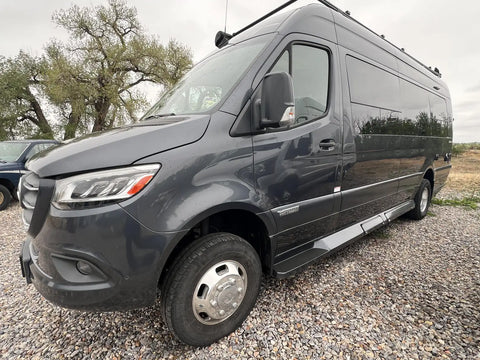
Camper van buyers who prioritize convenience, factory-backed systems, and predictable ownership costs should choose a prebuilt camper van or turnkey camper rig. I see this often: buyers tell us they want to travel sooner, not later, and a ready camper gets you on the road fast with certified electrical and plumbing, factory or dealer warranty coverage, and an established resale market. For time-constrained professionals, retirees, families, and first-time van owners, professionally built campers reduce technical risk and unexpected repair costs while offering straightforward financing and service options. If you want customization, lower upfront materials cost, or a hobbyist build, a custom conversion can still make sense for buyers with time and technical skill.
Introduction - pre-built vs. conversion: quick definitions
Pre-built or "ready" camper vans arrive from a builder with finished systems, certified components, and a warranty. Turnkey camper conversions are either owner-built or custom-built to unique specifications and can vary widely in quality and timeline. Think of it as speed and certainty versus customization and potential cost savings.
Why choose pre-built or ready camper vans? Core advantages
Convenience and time-to-road
Ready vans minimize time to first trip. Rather than months of sourcing parts and troubleshooting systems, you get a turnkey vehicle that performs predictably. For buyers who need a van this season - weekend escapes, school breaks, or remote work trips - professionally built options deliver immediate usability. A quick anecdote: one buyer came in needing a van before summer and left with a ready build that made three long weekends possible that year. If you want to skip the build queue entirely, explore our vans for sale collection to see current ready-to-drive options.
Warranty, factory support, and certified systems
Factory-installed or builder-certified components mean simpler repairs and clearer accountability. Warranty coverage protects major systems and often includes guidance on service intervals. That support is especially helpful for owners who prefer to focus on travel, not troubleshooting. For example, Mercedes-Benz outlines warranty and service support for Sprinter-based platforms, which many professional camper van builders use as a base vehicle.
Predictable costs and financing options
Ready-made camper vans present clearer upfront pricing and often qualify for vehicle financing. That predictability translates into simpler budgeting for monthly payments and insurance. If you are watching budgets, used ready vans can be a smart choice - they lower entry cost while retaining many of the benefits if you carefully inspect service history and water intrusion risks. Reviewing Sprinter van conversion costs for every budget can also help you compare the price of a ready build against a custom or DIY route.
Resale and market demand for ready camper vans
Ready camper vans generally hold value well because of verified systems and documented maintenance. Buyers who later sell find a broader buyer pool, especially for Sprinter and Transit-based builds that are popular on the resale market. According to Edmunds’ guidance on vehicle resale value, documented maintenance and factory-backed components are key factors in preserving long-term value. Understanding AWD vs 4x4 cargo vans can also influence long-term demand and resale value for adventure-focused rigs.
Who should buy a pre-built camper van? Buyer profiles
The time-poor professional (need-it-now persona)
Professionals with limited free time value a van that works out of the gate. They need reliable heating, power, and plumbing with minimal setup and a short wait between purchase and first trip. Many of these buyers gravitate toward ready-built Sprinter platforms; learning about the Mercedes Sprinter 3500 cargo van helps clarify whether a heavy-duty chassis fits their travel and payload needs. If you want a dialed layout without managing a build, consider a ready DUO camper van designed specifically for couples and remote workers.
- Wants: fast delivery, minimal downtime between purchase and first trip
- Key benefits of a ready-built camper: turnkey systems, dealer or factory warranty, easy financing
- Risks with DIY: long build timelines, troubleshooting electrical and plumbing, delayed travel plans
- Best fit: new or lightly used ready-built Sprinter or Transit with proven layouts
The low-maintenance retiree or part-time user
Retirees and seasonal travelers prefer longevity and low hassle. Warranty-backed systems and straightforward service networks let them travel comfortably without extensive mechanical involvement. Many find that a professionally built FAMILY floor plan offers the right mix of comfort seating, storage, and sleeping flexibility for grandkids or occasional guests.
The budget-conscious buyer who prioritizes used ready vans
Used prebuilt camper vans offer many benefits of new builds at lower cost. These buyers must inspect for water intrusion, electrical integrity, and chassis condition but benefit from predictable ownership compared with a risky DIY camper conversion.
The family or multi-passenger traveler
Families need safe, durable layouts, practical storage, and reliable systems. Ready-built campers often include certified seat anchors, finished interiors that stand up to kids and dogs, and layouts designed for comfort on long trips. The National Highway Traffic Safety Administration (NHTSA) emphasizes properly installed and certified seating and restraints, which is easier to verify in professionally built vans than in many DIY conversions. If you are planning to travel with kids, review guidance on safe campervan seating and sleeping for families of four to understand what to look for in a family-ready build.
The first-time van owner - lower technical barriers
First-time buyers typically want a learning curve that’s gentle. A turnkey camper van reduces technical unknowns so owners can focus on travel skills rather than complex system repairs. Exploring whether camper van travel is right for you can help new owners align expectations with how they’ll actually use the van. If you want expert guidance from day one, you can also schedule a consult through our contact page to talk through layouts and chassis options.
The buyer who values certified safety and amenities
Some buyers prioritize safety-certified installations, plumbing, gas, and electrical work completed by experienced teams. These features are common in professional builds and offer peace of mind for long-term ownership. Amenities like a well-designed bathroom, proper roof ventilation, and robust electrical systems are easier to evaluate when you understand options such as camper van bathroom layouts, roof vent and fan choices, and lithium vs AGM battery systems. To see how these features come together in real builds, browse our completed rigs in the camper van gallery.
When a conversion still makes sense (counter-profiles)
The customization-first van owner
If your priority is a one-of-a-kind layout or specialized equipment, a conversion lets you design every inch. Builders and DIYers can create unique storage, sleeping, or work setups that ready-made camper vans or factory camper rigs rarely match. For example, a Ford E-Series camper conversion with a high-top or custom layout might better suit niche needs than an off-the-shelf build. If you’d rather have a professional team execute your ideas, explore our custom van conversion services to see what’s possible.
The DIY hobbyist with time and skills
Skilled builders who enjoy the process and want to save on labor costs can end up with a high-quality build for less money, though the timeline is longer and systems riskier without professional oversight.
Cost-optimization over the long run (build-your-own economics)
If you accept the time investment and potential rework, a DIY route can lower material costs. But realistic total cost of ownership includes time, mistakes, and the potential expense of correcting poorly installed systems.
Practical checklist for camper van buyers
Usage and travel pattern assessment
Decide how and when you’ll use the van: weekend trips, full-time travel, family vacations, or remote work. Match that profile to layouts that support your habits - sleeping, cooking, work space, and off-grid needs. If you expect to chase snow or shoulder seasons, review camper van winterization best practices so your chosen rig can handle cold-weather travel.
Mechanical and systems inspection checklist for ready vans
On used ready vans inspect for roof and wall water intrusion, functioning electrical and solar systems, plumbing leaks, chassis rust, and engine/service records. Test all appliances and heating systems during a thorough walk-through. The RV Industry Association (RVIA) outlines standards and inspection practices that can serve as a reference when evaluating professionally built campers.
Budget, financing, and total cost of ownership calculations
Factor in insurance, expected maintenance, storage, and fuel. New ready vans have predictable payment and warranty structures; used vans reduce upfront cost but may increase near-term service spend. According to EPA fuel economy guidance on fueleconomy.gov, driving style, load, and speed significantly affect fuel costs, which is important when budgeting for a heavier camper rig.
Warranty, service network, and parts availability
Check the builder’s service support, local mechanics familiar with Sprinter or Transit platforms, and parts availability. Vans intended for remote travel should have readily serviceable systems. For example, Ford’s Transit commercial lineup highlights nationwide dealer support and parts networks that many camper van owners rely on. It’s also worth understanding Ford Transit medium roof interior height so you know how comfortable serviceable platforms will feel day to day.
How to evaluate ready camper vans on the market
New vs. used: pros, cons, and red flags
New vans provide warranty and the latest components; used vans save money but require rigorous inspection for water damage and system reliability. Red flags include inconsistent service records, soft cabinetry from water exposure, and amateur electrical work.
Common build types and layouts to match buyer needs
Look for layouts that support your priorities: couples-focused duos for comfort, family layouts with dedicated sleeping and storage, or mobile-office builds with work surfaces and reliable power systems. If you’re considering pop-top sleeping or extra headroom, learn how pop-top campers enhance your van life experience and whether that feature belongs on your must-have list. You can compare how different layouts feel in person by visiting the rigs in our in-stock camper van inventory.
Inspection tips and test-drive priorities
Test driving loaded vans reveals suspension and handling issues. Run heaters and refrigerators, check water pressure, and inspect seals and cabinetry for signs of leaks or poor workmanship. Don’t forget to evaluate roof hardware and storage; this is where a camper van roof rack guide becomes useful for understanding load limits and mounting options.
Ownership considerations after purchase
Maintenance schedule and service costs
Establish routine checks for roof seals, battery state of charge, and fluid maintenance. Professional builds often include recommended service intervals that simplify ownership. If your van is Sprinter-based, knowing how to change the battery on a Mercedes-Benz Sprinter is a simple way to avoid roadside surprises.
Insurance, registration, and parking/storage needs
Confirm how your van is classified for insurance and registration. Plan for storage that protects against weather and reduces long-term wear.
Resale timing and maximizing value
Keep detailed service records, address water or electrical issues promptly, and maintain original manuals and warranties to preserve resale value.
Conclusion - matching persona to product and next steps
Pre-built camper vans are best for camper van buyers who want reliability, faster access to travel, and lower technical risk. They suit time-constrained owners, retirees, families, and first-time buyers. Turnkey camper builds remain attractive for owners who value deep customization and enjoy the build process. If you value craftsmanship, support, and a predictable ownership path, explore ready vans in the Vans for Sale collection and review Sprinter and Transit-based builds to find a layout that fits your travel style. If you want a hand narrowing choices, reach out to our team for a walkthrough using the form on our contact page.
FAQ
Is a pre-built camper van better than converting my own?
Pre-built rigs are better if you value convenience, warranty coverage, and faster time-to-road; conversions fit buyers who want customization or have the skills to handle long-term build costs.
Who are ideal buyers for ready camper vans?
Ideal buyers include time-constrained professionals, retirees seeking low-maintenance travel, families wanting certified safety features, first-time van owners, and buyers who prioritize resale value and factory support.
Should I buy new or used when choosing a ready camper van?
New vans offer warranty and the latest features; used ready camper vans lower upfront cost but require careful inspection for systems, water damage, and service history—balance budget with risk tolerance.
What inspection items are most important for a used pre-built camper van?
Key items: roof and wall water intrusion, electrical/solar systems, plumbing, chassis condition (rust, suspension), engine/service records, and interior signs of mold or structural issues.
How does total cost of ownership compare between pre-built and DIY builds?
Prebuilt camper vans and turnkey camper rigs often have higher initial cost but lower unexpected expenses and faster entry to use; DIY can have lower material cost but higher time investment and potential for costly mistakes if systems are poorly installed.