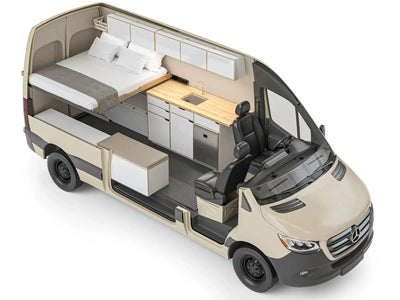
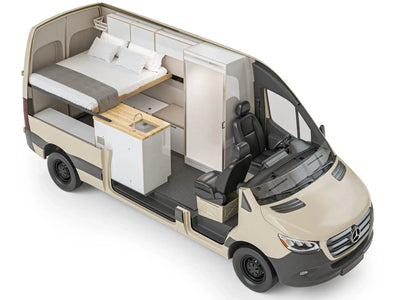
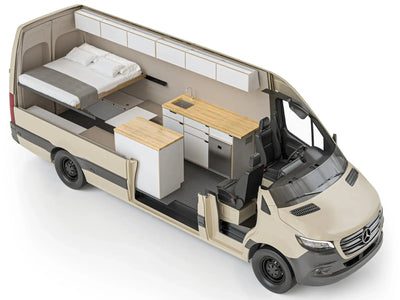
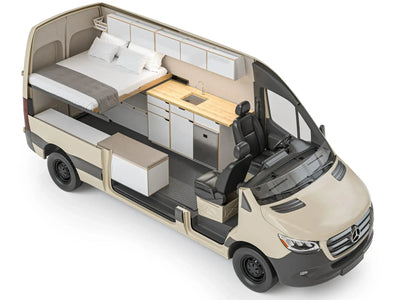
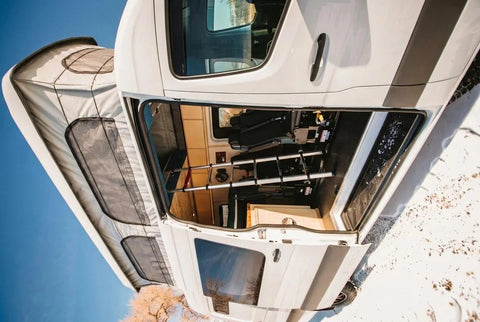
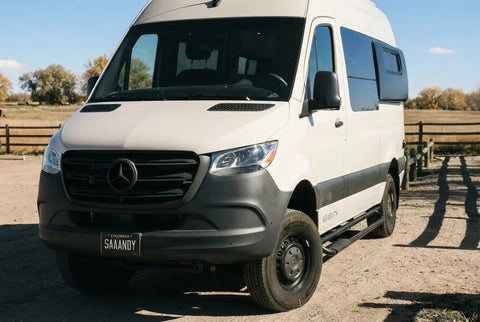
A luxury sprinter van works best when it is planned around real use first, family travel or executive shuttle duty, not just leather and lights. The 2026 Sprinter Passenger Van can seat up to 15, and Mercedes sells it for both business and pleasure, which makes it a strong starting point for either path. What changes is the mission: families usually need safe seat access, flexible cargo space, and low-stress road trips, while executive buyers tend to need smooth boarding, luggage control, driver support, and steady day-after-day service. Get those basics right early, and the van will feel more refined every time you use it.
What a luxury Sprinter van should do before it looks luxurious
The Sprinter has become a go-to platform because Mercedes built it to be flexible. On the Sprinter model lineup, Mercedes shows a van family with multiple body styles and clear upfitter support. That matters if you want a van that feels premium in real life, not just in photos.
You can see that same idea in the 2026 Sprinter Passenger Van, which Mercedes markets for business or pleasure. So right from the factory, this platform already fits both a family luxury van and an executive shuttle. The question is less about if it can do both, and more about which job you need it to do well every week.
Mercedes also makes it clear in its Body and Equipment Guidelines that upfits have to respect vehicle limits. Seats, partitions, electronics, and roof gear are not just style choices. They affect mounting points, loads, and how the van works as a whole.
That lines up with NHTSA guidance for passenger vans, which says these vehicles handle differently than passenger cars, especially when full of people or cargo. Weight spread, seat count, and storage plan all shape the driving feel. Add in what IIHS says about advanced driver-assistance systems, and safety tech becomes part of the luxury story too, not some add-on at the end.
For families, luxury usually means the van makes daily life easier. You want safe factory-based seating, simple belt access, flexible cargo room, and less stress on long drives. If you've ever tried to load kids, snacks, bags, and a stroller in a hurry, you know smooth basics feel more luxurious than flashy trim.
Executive use is different. There, luxury tends to mean clean passenger flow, dependable systems, easy entry and exit, and a layout that still feels calm when the van is full of people and luggage. That's why many buyers start by looking at Sprinter conversions and then narrow the build around the job the van will do most often.
Why mission matters more than materials
A family luxury van and an executive shuttle can both have premium seats and upscale finishes. Still, the design brief underneath is not the same. One needs flexibility for personal travel, while the other needs repeatable service for passengers who may use it every day.
Mercedes leans hard on configurability across the Sprinter range, and that's a useful clue. Define the use first, then spec the van. In our experience, people who reverse that order often end up reworking storage, seating, or electrical plans later.
NHTSA also points buyers toward practical things like occupancy, cargo load, and tire pressure. That is especially important for executive use, where the van may run closer to full more often. A client shuttle built around best-case loading can feel polished on day one, then frustrating once real luggage and real schedules show up.
IIHS notes that crash-avoidance tech can reduce some rear-end crashes and related injuries. That matters on family road trips, and it matters in city pickup traffic too. So before you pick trim colors, it makes sense to decide how much driver support you want built into the van from the start.
Mercedes has upfitter rules for a reason. Mods can affect safety systems, loads, and the structure of the van. The strongest luxury builds usually start with hard limits like legal seating, balanced weight, and service access, then add softer touches like lighting, privacy, and finish details.
Choosing the right 2026 Sprinter starting point
 If rear-seat safety and OEM passenger packaging are high on your list, the 2026 Passenger Van is usually the cleanest place to start. It already comes from Mercedes set up to carry people, not just gear. That can save a lot of guesswork early in the project.
Mercedes says the Passenger Van offers seating for up to 15. That's a big range, and it gives you room to think through family travel or shuttle work without redesigning the whole rear cabin right away. Some buyers need every seat. Others are better off using fewer seats and more breathing room.
The wider Sprinter lineup gives you more than one path. If you need a blanker canvas for a very custom plan, another body style may fit better. But if you want rear passengers in place from day one, the Passenger Van often makes more sense than starting from scratch, especially if you're planning with a custom van design-build path.
Families often benefit from a passenger model because the van is already built around carrying people. Executive buyers need to think a bit more about seat count, lounge spacing, and luggage room before the concept gets locked. Either way, Mercedes upfitter docs should be part of the early review, because seat moves, partitions, and heavy electrical features can affect loads and integration.
Pick the wrong base, and you'll usually feel it later in either passenger flow or storage. That's why this is one of the highest-leverage choices in the whole project. It's also why many owners look at layout ideas and then compare them to The Vansmith's process before moving ahead.
When the Passenger Van makes the most sense for families
Mercedes sells the 2026 Passenger Van for both business and pleasure, and that "pleasure" side matters here. It means the van already starts as a people mover. For a family, that's a much better base than trying to force a cargo-first shell into daily passenger duty.
Factory passenger packaging gives you rear seating, side windows, and fewer unknowns on day one. That can be a big relief if your trips include kids, grandparents, or friends. A family van should feel easy to use from the first weekend, not halfway through a long modification list.
NHTSA stresses seat-belt use for every rider in large passenger vans. So family layouts should keep clear, compliant seating positions in place. Loose lounge ideas may look fun on paper, but they usually don't solve the real job of moving people safely and simply.
Cargo planning matters just as much. NHTSA says heavy cargo should go forward of the rear axle when possible, because weight hung too far back can hurt handling. Roof loads should stay light as well, since cargo up top raises the center of gravity.
That leads to a better family interior. Strollers, duffels, food, and outdoor gear need real homes inside the van, not awkward piles in the back. For buyers who want a people-first setup, pages like family van conversions and the Family XL layout can help show how that balance looks in practice.
When executive buyers should plan around service patterns
Executive vans usually see more passenger turnover than family vans. That makes entry, exit, aisle room, and luggage handling just as important as the finish level. If passengers are stepping in with briefcases or airport bags, flow matters right away.
Because the Passenger Van can seat up to 15, executive buyers need to decide early if they want max occupancy or fewer seats with more personal space. A lower count can often feel more premium. It can also make the cabin easier to manage trip after trip.
NHTSA's loading guidance matters here too. Passenger count and luggage change how the van handles, so a shuttle build should be planned around real use, not ideal use. A van that looks dramatic but struggles once everyone and their bags are aboard won't feel luxurious for long.
Professional layouts also need to protect driver visibility and keep movement predictable in busy pickup spots. Add in custom lighting, charging, and seating, and the upfitter side becomes even more important. That's one reason some buyers pair Sprinter planning with ideas from Foundation builds or broader service planning before they settle on the cabin concept.
The best executive vans often trade a bit of visual drama for easier service and more repeatable comfort. That sounds less glamorous, but it usually ages better. Clients remember smooth rides and easy boarding more than one flashy panel.
Luxury Sprinter van layout decisions: family travel vs executive shuttle
 Layout is where the mission becomes real. Family-focused vans need safe seat access, open sightlines, and storage you can reach without unpacking half the cabin. Executive vans need faster boarding, cleaner separation between luggage and seating, and a more polished flow from door to seat.
NHTSA recommends putting cargo forward of the rear axle and spreading passenger and cargo weight evenly. That directly shapes where cabinets, coolers, rear storage, and luggage zones should go. In a luxury build, comfort and weight plan have to work together.
Loose gear is a poor fit for either use case. Bags, electronics, and daily items should be managed inside the load plan, not left to slide around. That's where a thoughtful custom layout can do more than any trim package ever will.
Mercedes' Body and Equipment Guidelines are also the right check before adding aftermarket seats, anchor points, partitions, or built-in furniture. Those parts can affect structure and restraint performance. So the layout question is not luxury versus utility. It's where comfort, cargo, and stable handling can live together.
Family buyers usually do better with adaptable spaces that can change from passengers one weekend to gear the next. Executive buyers usually do better with a repeatable layout tuned for a narrower job. If you're sketching ideas, the van build blog is a good place to see how planning choices shape the finished feel.
Family-first layout priorities
NHTSA says every rider should wear a seat belt at all times. So family layouts should keep clear seating positions, not casual side-facing lounge setups. That's especially true once you add kids, friends, and the normal chaos of stop-and-go travel days.
Families also deal with constant changes in what they carry. One trip might mean backpacks and snacks. The next might mean camping bins and wet shoes. Fixed storage zones help keep that load from drifting behind the rear axle or piling up in odd places.
Rear cargo should be secured, because poor cargo placement and overloading can hurt stability and handling. Roof boxes and racks need care too, since roof load raises the center of gravity. One thing a lot of builders overlook is how fast a family van fills up once every person brings "just one more bag."
The Passenger Van's people-first packaging makes it a stronger family base for many buyers. And a true family luxury van still has to be easy to clean, durable, and practical. If a layout looks great but makes daily use harder, kids will expose that fast.
Executive-first layout priorities
Executive vans need cleaner boarding and deboarding paths than most family vans. Passengers may be in business clothes, carrying laptops, or heading to a hotel entrance. A polished arrival starts with a cabin that is easy to move through.
NHTSA's loading advice applies directly to executive builds with luggage, AV gear, or rear storage modules. All of that weight changes the van's response. So luggage should stay separate from occupied seating, and cargo should not drift into passenger space during repeated trips.
Mercedes upfitter resources matter even more when partitions, lighting, and electronics are part of the plan. Those features touch the body structure and electrical system. A lower seat count can also improve the feel of luxury if it creates better legroom, aisle room, and cleaner storage, even though the base platform can carry far more people.
For pro use, repeatability wins. A layout that works the same way for every pickup is usually worth more than a one-off showpiece. Buyers exploring that route often also look at related service options like storage, power, and seat planning through The Vansmith DIY blog and custom build pages.
Safety, handling, and driver tech matter as much as finishes
NHTSA says 15-passenger vans need special handling awareness because they are longer, wider, and taller than many vehicles people drive every day. That's a basic truth for any luxury passenger build. A beautiful interior can't change the physics of a large van.
NHTSA also warns that rollover risk rises as occupant count goes up. So occupancy planning is a real design issue, not just an operating note. The more people and gear you add, the more important balanced loading becomes.
Tire pressure is another big one. NHTSA advises checking it before every trip, and that matters even more on heavier luxury builds. Underinflation can hurt handling and contribute to tire failure, which is the opposite of the calm, planted feel most buyers want.
Cargo should go in front of the rear axle when possible, and roof cargo should be kept to a minimum. Both habits help preserve steadier handling. A luxury interior that pushes weight high or far rearward can chip away at the confidence the Sprinter platform is known for.
IIHS says front crash prevention and similar driver-assistance features can reduce certain crash types and injuries. Mercedes also highlights safety and driver-assistance tech across the Sprinter lineup. So when you're comparing vans, those systems deserve a place near the top of the list, right next to comfort and finish quality.
Operational safety for family travel
Family travel means frequent stops, moving kids, and lots of small distractions. NHTSA recommends everyone buckle up every time, and that simple habit matters a lot in a large van. The easiest family layouts are often the safest because they reduce fuss.
Drivers also need to expect a loaded passenger van to brake and turn differently than an unloaded daily driver. Roof cargo should stay light, since extra weight up high makes emergency moves less forgiving. Big difference.
IIHS notes that driver-assistance tech can help in common highway and traffic situations, though those systems are still aids, not replacements for an alert driver. For family use, simple and dependable systems tend to work best. The safest family luxury build is the one that keeps people belted, gear secured, and driver workload low.
Operational safety for executive and client shuttle use
Executive and client shuttle use raises the stakes on consistency. NHTSA notes that drivers of large passenger vans need to know the vehicle's handling traits well. That matters even more if more than one driver may use the van.
Higher occupancy and luggage loads change how the van responds, so operators should not treat every run like a lightly loaded trip. Regular tire-pressure checks matter a lot here, since mileage and passenger loads can stay high week after week. A polished service van still needs disciplined basics.
IIHS supports putting crash-avoidance tech high on the list, especially for vehicles that spend more time in dense traffic. Mercedes gives the Sprinter a strong safety and upfitting story, but those benefits depend on a careful build and a careful operating plan. For executive service, appearance should never outrank stable loading, predictable braking, and driver confidence.
Build tips that make a mercedes luxury van work in real life
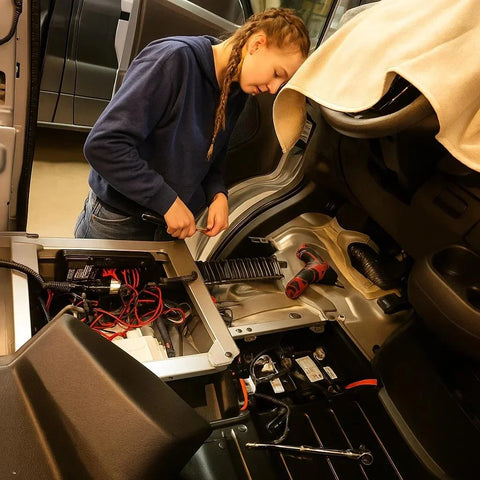
Start with Mercedes' Body and Equipment Guidelines before you lock in seats, furniture, electronics, partitions, or roof gear. Mercedes is clear that upfits need to follow vehicle limits. That makes the build better from day one, and it helps avoid costly rework later.
Passenger count, luggage volume, and operating pattern should all be design inputs. NHTSA's guidance shows that loading is not just an ownership issue. It is a layout issue too, and one that should shape the van before the finish package gets much attention.
It also makes sense to prioritize driver-assistance features early in the buying process. IIHS points to crash-avoidance systems as meaningful safety tools for daily driving. For both family and executive use, those systems can lower workload and support a calmer drive.
Family builds usually do best with flexible layouts and disciplined storage. Executive builds usually do best with durable, well-integrated systems for lighting, charging, and passenger amenities. In both cases, avoid overbuilding the roof or rear-most storage zones, because NHTSA specifically warns about center-of-gravity and rear-axle loading effects.
The best luxury Sprinter van is the one whose comfort features almost disappear in use. People board easily. Seating feels natural. Cargo stays managed. And the van still drives like a respected platform, not an overloaded project.
Build principles The Vansmith can apply well
Seat installation should follow manufacturer guidance because seating and restraint systems are structural safety choices, not decor. The same goes for windows, storage, and accessories. They should support visibility, comfort, and cargo discipline, not just fill every open surface.
Suspension and wheel-tire planning matter more as a luxury interior adds weight. NHTSA ties loading directly to handling, so these choices affect how settled the van feels on the road. Electrical additions for lighting, charging, connectivity, and entertainment also need a pro plan that respects Mercedes guidance.
Family buyers often benefit from modular thinking. Executive buyers often benefit from standardized, repeatable layouts. Both paths fit well with a builder that starts from real use patterns, whether you're exploring DUO XL ideas, family layouts, seat installs, suspension upgrades, or a fully custom plan.
At The Vansmith, that usually means starting with how you travel, who rides with you, and what gear comes along. From there, the right base van, seat plan, storage strategy, and systems package get much clearer. If you're ready to talk through that fit, the next step is simple, reach out through Contact Us and start the conversation.
FAQ
What is the best luxury Sprinter van setup for a family?
For most families, the 2026 Sprinter Passenger Van is the strongest starting point because Mercedes already built it around carrying people, not just cargo. It also offers seating for up to 15, which gives you a lot of room to plan for kids, friends, and changing trip needs. NHTSA guidance makes it clear that seat-belt access, cargo placement, and light roof loading should come before lounge-style ideas.
Is a luxury Sprinter van good for executive shuttle use?
Yes, but the layout should be built around service patterns, not just premium finishes. Mercedes positions the 2026 Passenger Van for business or pleasure, which makes it a strong base for executive use too. NHTSA also warns that higher occupancy and cargo loads affect handling, so boarding flow, luggage control, and stable loading should lead the plan.
Should I start with a Passenger Van or a custom cargo-based build?
If your top goal is safe, immediate rear-passenger use, the 2026 Sprinter Passenger Van is usually the better base. It already comes configured around transporting people. If your needs call for a more specialized interior, review Mercedes' upfitter guidance before final seat, structure, or electrical plans are set.
Do luxury upgrades affect how a Mercedes luxury van drives?
Yes. NHTSA says passenger and cargo loading affect handling, warns against heavy cargo behind the rear axle, and notes that roof cargo raises the center of gravity. In plain terms, every added seat, cabinet, electronics package, and roof accessory becomes part of the van's handling plan.
Are driver-assistance features worth prioritizing in a luxury van?
Yes. IIHS says advanced driver-assistance systems like front crash prevention can reduce certain crash types and related injuries. Mercedes also highlights safety and driver-assistance tech across the Sprinter lineup. For both family travel and executive service, those features can help lower driver workload and support better risk control.