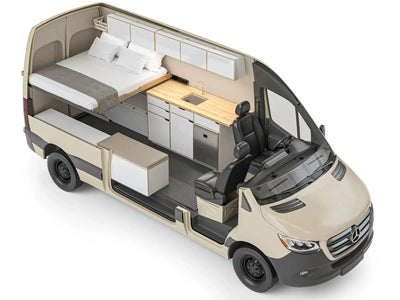
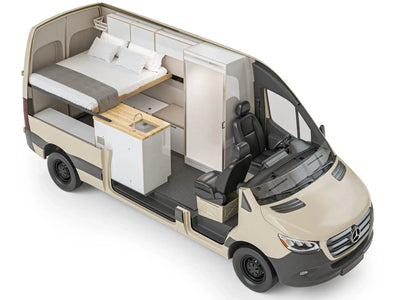
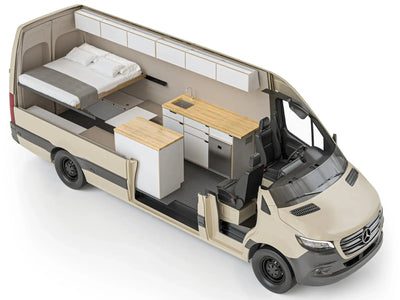
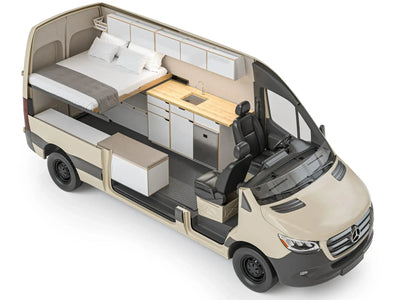
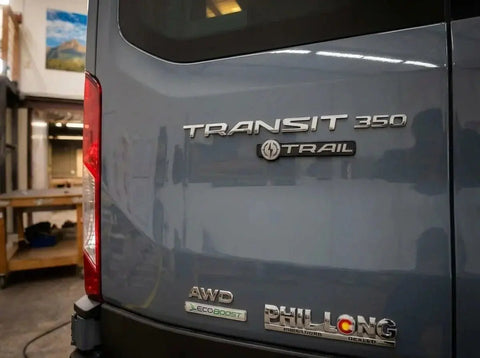
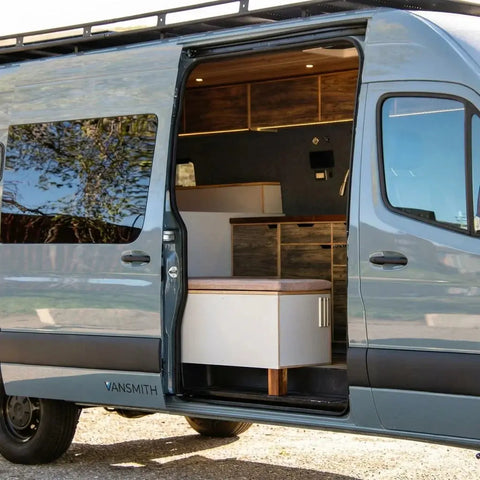
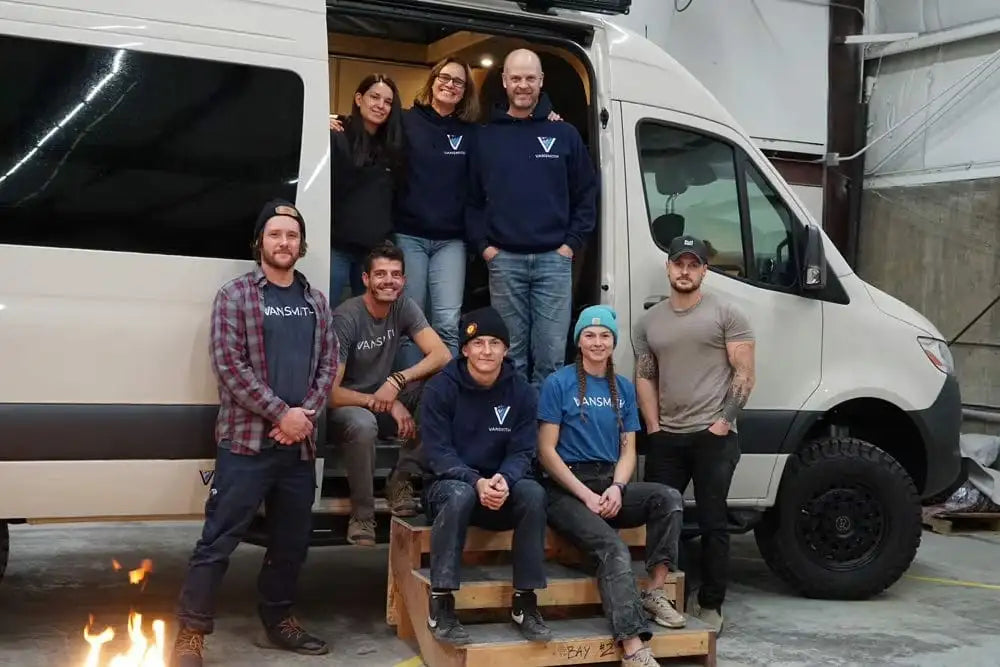
Pre built camper vans usually make the most sense if you want to travel soon, want simpler financing, and prefer a clearer support path after the sale. A custom build is often worth the wait when your bed setup, gear storage, work needs, or family use are specific enough that a standard floorplan will bug you every day. The Vansmith serves both kinds of buyers. Our standard Bivy Series is prebuilt and ready to go. Our Full Custom Series is for buyers who want a van built around exact needs. We also offer a Tailored Series in between, with a standard layout plus upgrade options and select modifications.
What you’re really deciding between with pre built camper vans
A factory-built Class B is sold as one finished RV product. A custom path often splits the van chassis from the living build, which changes how financing, warranty, and support tend to work, as explained in THOR’s buy-versus-build Class B guide.
That difference shapes the whole ownership feel. With a factory van, many buyers expect a more standard purchase and service path. With a custom van, support can depend a lot on the builder, the parts used, and how well the systems were planned and documented.
The RV Industry Association definition of an RV helps explain why factory camper vans are sold and serviced differently from many independent conversions. RVIA also points to recognized RV standards, which is one reason factory-built RVs often feel more predictable on the support side.
So the real question usually isn't which path is better in the abstract. It's whether you need a van now, or whether you need one shaped around you. If speed, lower complexity, and a dealer-backed path matter most, a ready-made option from Sprinter conversions or Transit conversions can be a very clean fit.
Custom builds start to shine when your travel style is less standard. If you need a fixed bed, a better work zone, more gear storage, or a layout that avoids daily compromise, the extra planning can pay off. That tends to be the point Airstream makes in its buyer guidance too: your real use matters more than the idea of customization.
Why the choice is really about lifestyle fit
Airstream frames this kind of decision around simple questions. How many people are going, where will they sleep, how long are the trips, and which onboard features matter most? That order matters because self-assessment should come before picking a layout.
THOR makes a similar point in its RV shopping advice. A floorplan can look great on paper, then feel annoying once you think through cooking, bed setup, and bathroom use in a small space. We've found that buyers often learn more from a 15-minute walk-through than from hours of scrolling listings.
Camper vans also appeal because they're easier to drive and park than larger RVs. Winnebago's Class B comparison leans on that strength, and it's a real one for people who want weekend escapes without wrestling a much bigger rig. If that ease is your top goal, waiting months for heavy customization may not help as much as you think.
Still, Class B vans come with common trade-offs. Small bathrooms, convertible beds, and tight interior space are part of the package in many layouts. Before paying for custom work, it helps to ask whether those trade-offs are truly a problem, or just part of the format.
For some shoppers, the bigger issue is category fit. If you need more room or more storage than a Class B can give, the question may not be pre-built versus custom at all. Renting or visiting a showroom can show you fast if a standard layout already works well enough, and that can save months of waiting for fixes you may not need.
If you're still sorting that out, browsing The Vansmith's van build blog can help you think through real use cases before you commit. It's a good way to pressure-test your wish list against how people actually travel.
Who tends to prefer pre-built versus custom
Buyers who want to hit the road soon usually lean toward pre built camper vans. The same goes for people who want dealer-backed service and a simpler buying process. There are fewer moving parts, and that alone lowers stress for many first-time buyers.
Custom tends to fit people with very specific needs. Maybe you work full-time from the road, carry odd-sized gear, or need a sleeping setup that doesn't involve making and unmaking the bed every day. In those cases, a one-size floorplan can create friction that doesn't go away.
People who are still testing the lifestyle often do best by renting first. RVIA points to that path for buyers who are still learning how they'll use an RV, and it's easy to see why. A short trip can reveal a lot about your bathroom tolerance, your storage habits, and whether you even like the pace of van travel.
Couples and solo travelers often adapt to Class B layouts more easily than families. Once you add more passengers, sleeping space and storage get tight fast. If that's your path, looking at vans for couples or family van conversions can make the trade-offs feel more concrete.
Some buyers also just want a known product. They want a repeatable floorplan, a showroom walk-through, and fewer open-ended design calls. Others already know the exact friction points they want to solve, and for them a custom route through Customize Your Van is often the better long-term move.
Timeline: buy now or wait through a custom van build timeline
The biggest edge of a ready-made van is speed. If a camper van is already built or sitting in inventory, you can move from shopping to ownership much faster than you can with a custom design-build process. That's the plainest reason many buyers choose the buy-now path.
A custom van build timeline has more steps. You need design decisions, a chassis, a build slot, the conversion work, and final delivery. Every one of those stages adds variables, and each variable can stretch the calendar.
Availability itself matters more than people expect. RVIA notes that market availability can shape whether renting, buying, or waiting makes the most sense. If your travel season, a sabbatical, or a family trip has a fixed start date, timeline certainty may matter more than layout perfection.
There's also less guesswork when you can inspect a van in person. You can open cabinets, try the bed, and see if the bathroom feels usable. If timing matters, checking available options and asking about The Vansmith's process can help you decide how much waiting is really worth it.
For some people, phased ownership is the sweet spot. Buy a van that works now, then add upgrades later once your habits are clear. That's often a smarter move than locking in a long build before you've spent real nights on the road.
What slows down a custom build
Custom work asks more from you up front. You need to define sleeping plans, storage needs, utility systems, and amenity trade-offs before the build starts. That sounds fun at first, but decision fatigue is real.
The more personal the design gets, the more the timeline can stretch. A change in one area can affect cabinetry, plumbing, electrical, seating, or overall layout balance. One thing a lot of builders overlook is how one small request can ripple through the whole van.
Buyers also tend to underestimate the time it takes to figure out how they'll actually use the van. Airstream's buyer questions push hard on travel style for a reason. If you're still unsure about bathroom needs, sleeping style, or remote work plans, custom can lock in assumptions you haven't tested.
A rent-first approach can shorten the real decision timeline. You may spend a weekend in a van and quickly learn you don't need a shower, or that you absolutely hate converting a dinette into a bed. Dealer inventory and existing floorplans let you compare options side by side, while custom asks for more imagination and trust.
If you're leaning toward a lighter first step, a Foundation build can make a lot of sense. It gives you a usable base without forcing every decision on day one.
When buying now is the smarter timeline move
Buying now makes the most sense when your main goal is getting on the road this season. In that case, perfect use of every inch matters less than having a solid van that works. A layout that covers 80 to 90 percent of your needs is often enough.
This path also works well for people relocating, starting remote travel soon, or planning near-term trips. A pre-built van cuts scheduling risk. You can focus on route planning instead of waiting on design revisions.
If you've never owned an RV, a ready-made van can shorten the learning curve too. Systems, paperwork, and support are usually more standardized, which helps when everything is new. That's a big reason first-time buyers often prefer a standard product.
You also get to inspect the compact details in person. Storage, bed conversion, and bathroom usability matter more in a small Class B than many people expect. If a showroom walk-through feels intuitive right away, that can be a strong sign that a standard van is already enough.
Van conversion cost, financing, and warranty trade-offs
Money is one of the strongest arguments for factory-built vans, though not always because the sticker is lower. THOR notes that manufactured Class B vans can qualify for RV financing, which may offer longer terms than other borrowing paths. For many buyers, that changes the monthly math in a big way.
Custom builds can be more fragmented. The chassis and the conversion may not be financed the same way, depending on the lender and builder setup. Even before you compare total spend, the purchase process itself can feel more complex.
Warranty support is often simpler with a factory-built RV. Buyers usually have a clearer path through established maker and dealer channels. With custom or self-managed builds, you may lean on the chassis warranty while sorting out separate responsibility for conversion parts and workmanship.
Repair responsibility matters too. A pre-built RV generally offers a more direct service path, while custom work can mean coordinating between chassis issues, appliance issues, and builder-specific work. If you want a clearer ownership path, looking at available layouts like the DUO XL can help you compare what a more defined package feels like.
None of this means custom is wrong. It just means the hidden cost of downtime, troubleshooting, and split support needs to sit next to the value of personalization. That balance is easy to miss when you're only comparing floorplans.
Why financing often favors pre-built vans
THOR is pretty direct here. Factory-built Class B camper vans can qualify for RV financing, and that can make a higher price easier to carry through longer loan terms. For buyers focused on monthly payment, that matters a lot.
A pre-built van is also easier to budget because it's sold as one finished product. You're not trying to track a chassis purchase, a conversion scope, and possible changes along the way. The buying path is simply more familiar to mainstream lenders and dealers.
Insurance and ownership paperwork can feel more straightforward too when the van is sold through standard RV channels. That doesn't prove a pre-built van is cheaper overall. It does mean the path to ownership is often simpler and more predictable.
If your goal is a fast, clean purchase, that simplicity can outweigh the limits of a standard floorplan. In our experience, people often pay for less stress as much as they pay for hardware.
Where custom can cost more than the quote suggests
A custom quote doesn't always show the full cost. Planning time, revisions, approvals, and post-delivery tweaks all take energy, and sometimes money. That buyer time has value, even if it never appears on an invoice.
If you misjudge your needs before the build starts, fixing those choices later can get expensive fast. A bad storage call or the wrong bed setup can undo the whole point of going custom. This one surprises people.
Warranty ambiguity can also become a real cost. If a problem touches both the chassis and the conversion, responsibility may be split. Repairs on custom systems may also require going back to the original builder or finding a specialist who is comfortable with nonstandard work.
There's an opportunity cost too. If you simply need a capable van soon, waiting can be just as meaningful as the build price itself. A practical middle path is to buy something that already works, then add focused upgrades later through services like The Vansmith's upgrade and service work.
How much customization do you actually need?
A lot of buyers assume they need custom before they've tested a standard layout. Buyer guides keep pushing the same idea: clarify your real habits first. That's good advice because imagined needs and daily needs are rarely the same thing.
The biggest questions are usually simple. How do you sleep, do you need a bathroom every trip, how many people are coming, how long are your trips, and what gear comes every time? Those answers tell you more than a giant feature list ever will.
A pre-built layout is often enough for a common use case. Think two adults, short to mid-length trips, moderate gear, and no unusual work or family demands. If that sounds like you, a standard van may already cover the essentials.
Customization gets more valuable when the use case gets more specific. Kids, pets, indoor work, specialty gear, or strong preferences about fixed versus convertible spaces can all justify waiting. Most builders also lean high roof for good reason, and at The Vansmith about 90% of customers choose high roof because standing room changes daily comfort in a big way. Mid-roof buyers often end up adding a pop-top later.
Space is limited in any camper van, so custom work should solve the problems that happen all the time. The best custom builds are driven by repeat-use needs, not edge cases that might never come up.
Questions that justify waiting for custom
Do you need a bed that stays made? If converting the lounge every night sounds annoying now, it will likely feel worse after a week on the road. A fixed sleeping plan can be one of the strongest reasons to wait for a custom layout.
Do you travel with more than two people on a regular basis? Passenger count changes seating, sleeping, and storage needs quickly in a Class B footprint. That's why families often need a more intentional plan, sometimes with layouts like the Family XL in mind.
Do you need a bathroom onboard every trip, or are campground facilities fine? Bathroom expectations are one of the clearest lines between a layout that feels workable and one that feels frustrating. The same goes for long stretches of remote work, where a real workstation can justify far more tailoring than a standard van provides.
Then there's gear. Bikes, skis, surfboards, climbing gear, dog gear, kid gear, it all adds up. If you can answer these questions clearly before buying, you're in a much better spot to judge whether custom is worth the wait.
When a standard floorplan is probably enough
If most trips are weekend getaways or short road trips, a standard Class B layout often does the job. You get the basics without the wait and without a long string of design choices. That can be a relief.
If you're fine with convertible spaces, you may not need the efficiency gains that drive more complex custom interiors. A lot of people think they need a fixed setup, then realize a simple bed conversion is no big deal for the way they travel.
Drivability, easy parking, and quick escapes are the core strengths of a camper van. If those are your top priorities, layout perfection may matter less than you think. If you haven't found recurring pain points from actual travel yet, customization may simply be premature.
And if a rental or showroom walk-through feels natural right away, pay attention to that. For many buyers, a standard van plus a few upgrades later is the best middle ground between overbuying and under-planning. You can also explore ideas through The Vansmith's DIY blog before deciding what really needs to change.
A practical buy vs build camper van decision framework
The cleanest framework is a three-way one. Buy a pre-built van now, wait for a custom build, or rent first while you validate the lifestyle. That keeps the decision grounded in how you'll use the van, not just how the van looks online.
Buy pre-built if your priorities are immediate use, easier financing, clearer warranty support, and fewer decisions. Choose custom if your needs are specific enough that standard floorplans will create daily friction around sleep, storage, work, or family use. Rent first if you're not even sure a camper van is the right RV type for you.
THOR encourages walkthroughs and dealership visits, while RVIA points buyers back to usage patterns. Put those together and the message is simple: test your assumptions before you sign. A practical path for many Vansmith buyers is to start with an available van, then refine it later once real travel patterns emerge.
If you'd like help sorting those paths, The Vansmith can meet you at either point. Some buyers start with an available platform and add focused upgrades over time. Others know they need a more tailored route and begin with a full custom design-build from the start.
A simple three-path recommendation
Pick pre built camper vans if you want to travel soon and can live with a proven standard layout. Pick custom if you already know the exact problems your van must solve and you're willing to trade time for precision. Pick rent-first if you're still unsure whether RV travel will be occasional or central to your life.
A Class B is often the right answer for buyers who care most about maneuverability and ease of use. It may be less ideal if you need maximum room. The best decisions usually come after testing bed setup, bathroom tolerance, and storage volume in person.
That keeps the whole choice tied to real use. Not aspiration. Big difference.
How The Vansmith fits into the decision
If you need a van quickly, starting with available inventory can make more sense than waiting for a full custom schedule. Later, you can personalize the van through targeted upgrades and service work once you've learned what matters on actual trips. That's often the most practical path for buyers with a fixed season ahead.
If you already know you need a more intentional layout, a custom design-build process can help you avoid the compromises that show up in broad-market floorplans. That matters most for off-grid travel, refined materials, family use, or a setup that supports real day-to-day work on the road.
A phased approach also fits how many people actually buy. First validate the lifestyle. Then invest in the systems and interior choices that improve daily use. The right answer is less about chasing the best van, and more about matching your timeline, support needs, and travel habits to the right ownership path.
For more information, check out Buying or Building: Class B Campervan Considerations.
FAQ
Are pre built camper vans better than custom builds?
Not by default. They tend to be better for buyers who want easier financing, clearer warranty support, and a simpler ownership path, which THOR highlights in its Class B guidance. Custom builds make more sense when your sleep setup, storage, workspace, or family needs are specific enough that a standard layout would create daily compromise.
How do I know if a custom van build timeline is worth waiting for?
Waiting usually makes sense when you already know exactly what your van needs to do every day. Fixed sleeping, onboard bathroom use, remote work, and specialty gear storage are good examples. If you're still figuring that out, renting first and touring layouts in person can save you from locking in the wrong assumptions.
Is van conversion cost usually lower if I buy pre-built?
Not always in total price. The bigger advantage is often on the money side of the purchase, because factory-built Class B vans may qualify for RV financing with longer terms. Custom builds can involve separate funding for the chassis and conversion, plus more split-out warranty and repair responsibility.
Should I rent before deciding to buy vs build a camper van?
Yes, especially if you're not sure how central RV travel will be to your life. Renting helps you test bathroom size, bed setup, storage habits, and general livability in a way that listings can't. A short trip can quickly show whether you need custom work at all.
Who is most likely to be happy with a standard pre-built layout?
Solo travelers and couples are often the best fit. Shorter trips, simpler gear needs, and a focus on drivability and easy parking all line up well with a standard Class B floorplan. Once travel gets longer or the passenger count rises, the case for customization tends to get stronger.