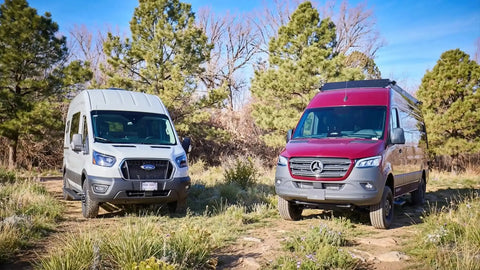
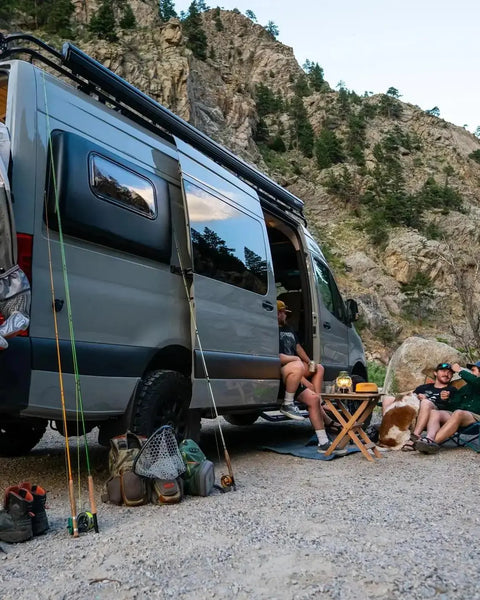
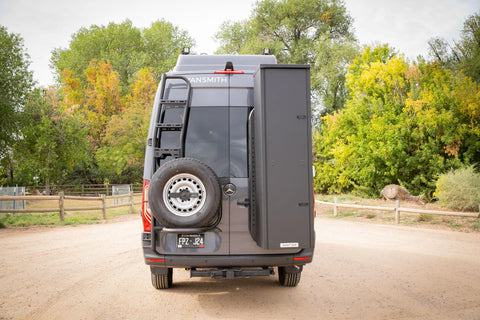
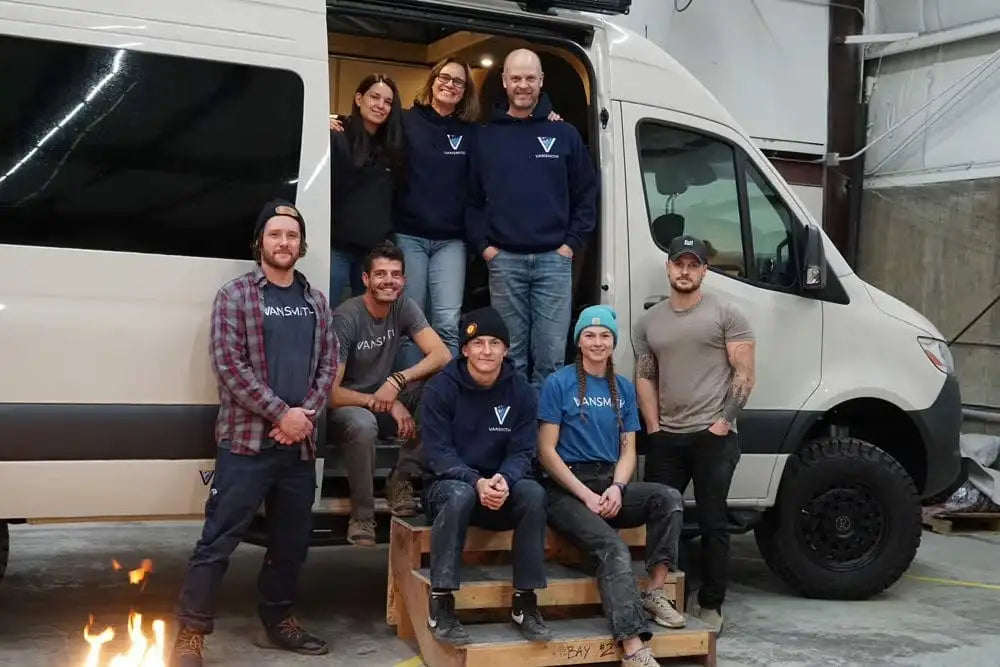
Good camper van design becomes clear after a van has spent time on the road. A layout may look impressive in a showroom, but daily use reveals what works and what needs more thought. Since 2016, The Vansmith has completed more than 300 adventure vans. That experience has shaped how we think about space, comfort, storage, and the details that matter over time.
What 300+ Completed Vans Have Taught Us About Camper Van Design
Every van has different needs. Some owners spend weekends climbing and skiing in Colorado. Others travel for months, work remotely, or head out for long stretches away from established campsites.
Yet, certain design lessons remain consistent. A successful layout should make daily tasks easier, use space with care, and support the way its owner travels.
Here are seven lessons that continue to guide our approach.
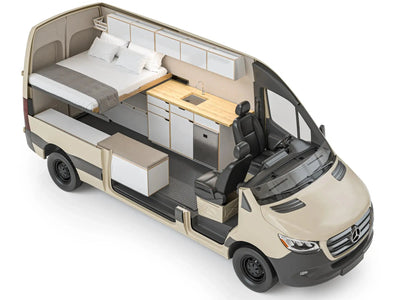
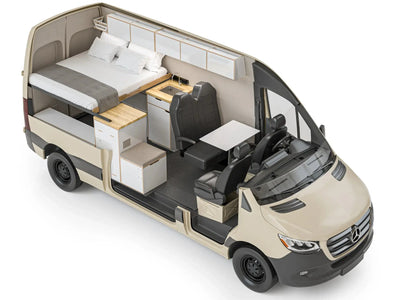
1. A Good Layout Starts With How You Travel
The first design decision should be how you plan to use the van. A couple taking short trips may need a different layout from someone living on the road full-time.
Before choosing a floor plan, consider:
- How many people will travel and sleep in the van?
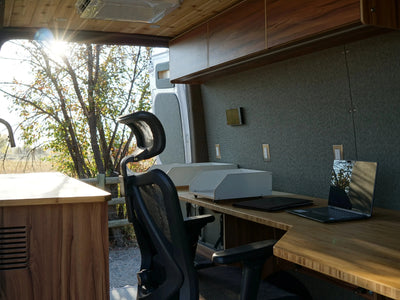
- Will you work remotely?
- How often will you cook inside?
- Do you carry bikes, climbing gear, skis, or other large equipment?
- How much time will you spend in one location?
- Will you travel in cold or wet weather?
These questions help define what the van needs to do. They also prevent owners from paying for features that add little value to their routine.
At The Vansmith, we believe tailored layouts should support real travel needs. A thoughtful floor plan makes everyday use feel natural.
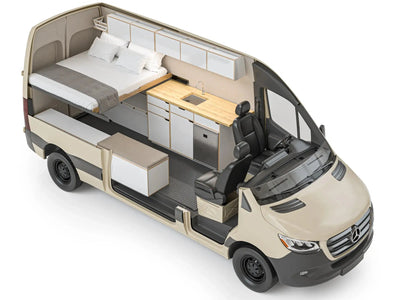
The Duo series and Family series offer different approaches to space and sleeping arrangements. For buyers comparing complete options, our camper vans for sale page provides a useful starting point.
2. Storage Should Be Planned Around Daily Habits
Storage is one of the most important parts of camper van design. However, adding more cabinets does not always create a better living space.
The location and access of each storage area matter. Items used every day should be easy to reach. Equipment used less often can go into deeper or higher storage areas.
A useful storage plan should account for:
- Clothing and personal items
- Cooking supplies and food
- Bedding and towels
- Tools and repair essentials
- Outdoor gear and sports equipment
- Water hoses, cables, and other utility items
For example, someone who carries skis or climbing equipment needs a different storage plan from someone who travels with only basic luggage.
The goal is to give each item a practical place without making the living area feel crowded. Our DIY cabinet and galley options show how dedicated storage can support different interior needs. You can also explore DIY van interior products for individual components.
3. Electrical Systems Need to Match Real Use
Electrical capacity affects how comfortable and flexible a van can be. Yet, the largest battery system is not always the right choice.
The right setup depends on how much power owners use each day. Refrigerators, lighting, fans, laptops, heating controls, and air conditioning can all affect energy demand.
Before selecting a system, consider:
- Which appliances will run each day?
- How many hours will you use them?
- Will you work from the van?
- How often will you camp without shore power?
- How much solar capacity does your travel style support?
Battery capacity, solar panels, charging systems, and inverters should work together. Each part has a role, so the system needs to be planned as a whole.
The Vansmith uses Victron-powered electrical systems in its adventure vans. Good system planning also means leaving room for clear access, sensible wiring routes, and future troubleshooting.
Our van electrical system guide explains how solar, batteries, inverters, and charging systems work together. If you are planning a system for a particular van, our camper van electrical installation page provides more detail about available electrical options.
4. Comfort Depends on More Than the Bed
A comfortable sleeping area matters, but it is only one part of daily comfort.
Ventilation, insulation, heating, lighting, and seating all affect how a van feels across different seasons. These details become especially important when traveling through changing weather.
Colorado offers a good reminder of this. A trip may start in mild conditions and end at a cold mountain campsite. A van should be prepared for more than one type of weather.
Important comfort features include:
- Proper insulation for temperature control
- Ventilation to manage moisture and fresh air
- Heating suited to the intended travel conditions
- Lighting for different times of day
- Seating that supports meals, work, and rest
Each feature should work with the others. For example, heating alone will not create a comfortable space if insulation and ventilation are poorly planned.
For a closer look at material choices, read our guide to Transit interior insulation and sound. Our camper van ceiling and interior materials guide also explains how interior finishes affect the space.
5. Durable Materials Matter More Than Extra Details
A van experiences constant movement. Cabinets, drawers, hinges, flooring, and other interior parts face vibration and repeated use.
That makes material selection and installation quality important. A finish may look good at first, but it also needs to hold up to regular travel.
When evaluating interior materials, consider:
- Resistance to everyday wear
- Weight and impact on the vehicle
- Ease of cleaning
- Hardware quality
- Access for maintenance
- How well each component fits its purpose
Good craftsmanship often shows in details that are easy to overlook. Cabinet alignment, secure fittings, clean edges, and well-planned access can make a difference over years of ownership.
At The Vansmith, we focus on thoughtful design and careful workmanship because the interior needs to work as well as it looks.
Our article on seven signs of lasting camper van craftsmanship covers details worth checking when comparing interior quality. You can also explore our DIY interior kits to see the cabinetry, galleys, and panels available for Sprinter and Transit platforms.
6. Maintenance Access Should Be Part of the Original Plan
Electrical and plumbing systems need attention from time to time. Batteries, fuses, pumps, wiring, and connections should be reachable without unnecessary disruption.
A design that hides every component behind fixed panels can make simple checks harder. Clear access helps owners understand their systems and makes troubleshooting more practical.
A well-planned van should account for:
- Access to electrical components and fuses
- Reachable plumbing connections
- Clear equipment labels and documentation
- Space for inspection and routine checks
- Practical routes for wiring and hoses
This is also why handover guidance matters. Owners should understand the main systems, know where key components are located, and have useful equipment information available after delivery.
Water systems deserve the same attention as electrical systems. Our guide to installing a camper van sink and water system explains the main parts of a practical water setup.
Good design considers the full ownership experience, not only the day the van leaves the shop. For more on ongoing care, read our camper van maintenance cost guide and essential maintenance tips for new owners.
7. The Best Features Are the Ones You Use
It is easy to focus on a long list of features when comparing camper vans. However, every added component takes up space, adds weight, or creates another system to maintain.
A better approach is to start with your travel habits and select features that solve real problems.
For one owner, that may mean more battery capacity for remote work. For another, it may mean a larger gear area, extra water storage, or a practical outdoor setup.
This is where careful planning matters. The aim is not to fit every possible feature into one van. It is to create a balanced space that supports the owner's priorities.
For example, a shower may be important for someone who spends weeks on the road, while another traveler may prefer the extra storage space. Our guide to camper van shower options explores the tradeoffs between different bathroom layouts.
Likewise, choosing between a Sprinter and Transit can affect the space, driving experience, and ownership costs. Our Sprinter vs. Transit comparison explains the main differences.
How The Vansmith Applies These Lessons
More than a decade of work in the adventure van industry has shaped our approach at The Vansmith. Since 2016, our team has completed more than 300 vans, with experience across Sprinter and Ford Transit platforms.
That experience informs how we consider layouts, electrical systems, cabinetry, comfort, and long-term use. It also shapes the questions we ask before recommending a particular setup.
Our range includes different floor plans and in-stock options for different travel needs. We also offer installations, repairs, and DIY kits as part of our wider range of van services and products.
You can explore our camper van models and available options to compare different approaches to space and equipment. If you already own a van, our installations and repairs page outlines the types of upgrades and technical work offered by The Vansmith. Please note that new service bookings are currently paused while the service department is being revamped.
For us, better camper van design comes down to a few clear principles:
- Make the layout useful for the owner's routine.
- Choose systems that match real energy and water needs.
- Use durable materials and sound installation methods.
- Keep key components accessible.
- Consider comfort across different seasons.
- Support owners beyond the delivery date.
These principles reflect our belief in innovative designs that bring comfort to your journey. They also help keep the focus on practical details rather than features that look good only on paper.
Final Thoughts: Better Design Comes From Real Use
The experience gained from more than 300 completed vans has reinforced one important idea: good design is the result of careful decisions.
Space, storage, power, comfort, materials, and maintenance access all affect how a van performs over time. No single feature can make up for a layout that does not suit its owner.
At The Vansmith, each project adds to our understanding of what makes an adventure van practical and comfortable. The goal remains simple: create thoughtfully designed spaces that support more time on the road and fewer compromises along the way.
Frequently Asked Questions
What makes a good camper van design?
A good design balances sleeping space, storage, cooking, electrical capacity, ventilation, and comfort. It should also match the owner's travel habits and allow practical access to key systems.
How important is storage in a camper van?
Storage is essential because space is limited. A well-planned layout gives everyday items easy access while keeping larger equipment secure and out of the main living area.
How do I choose the right electrical system?
Start by listing the appliances you plan to use and estimating your daily power needs. Then consider battery capacity, solar input, charging options, and how often you will camp without shore power. Our van electrical system guide explains the main components.
Should maintenance access affect the layout?
Yes. Electrical and plumbing components need to be inspected and serviced over time. Accessible systems make routine checks and troubleshooting easier for owners and technicians.
Does The Vansmith offer different van layouts?
Yes. The Vansmith offers different floor plans and in-stock options for a range of travel needs. The right choice depends on how many people travel, the equipment they carry, and how they plan to use the van. Explore the available camper van models to compare options.
About the author

Eugene Smit
CEO
Eugene is the CEO of The Vansmith, based in Boulder, Colorado. He writes across topics related to van builds, ownership, and the camper van industry.
Read more about Eugene