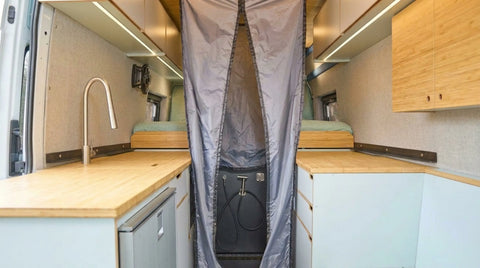
A well-working camper sink transforms van life from camping to cozy living. Whether you're washing dishes after a mountain trip or cleaning up before a video call, having steady running water makes van life much more pleasant. But DIY sink systems can be tricky get it wrong, and you'll deal with leaks, poor water pressure, and annoying maintenance issues that can ruin your adventures.
At The Vansmith, we've put in hundreds of van water systems in our Colorado shop, and we've learned what works well in real-world use. This complete guide covers all from basic DIY sink setups to expert camper sink installations, helping you choose and install the water system that matches your van life goals.
Understanding Van Water System Basics

The Four Essential Components
Every functional van water system requires four key elements working together:
Fresh Water Storage: Tanks or bins that hold clean water for cooking, cleaning, and drinking. Water Pump: Creates pressure to move water from storage to your faucet. Distribution System: Pipes, fittings, and links that carry water throughout your van. Waste Management: Gray water pickup for used water removal.
Sink Water Pump Requirements
Why Pumps Matter: Gravity systems work for basic needs, but a proper sink water pump gives the pressure (Family Handyman) needed for easy washing, cooking, and cleaning. The gap between a trickle and a steady stream affects all from how well you wash dishes to how good hand cleaning feels.
The Vansmith Standard: Our van water systems use steady 12V pumps that give even pressure for easy daily use while running well from your van's power system.
DIY Portable Sink Options: From Basic to Advanced

Level 1: Basic Gravity-Fed Systems
Simplest DIY Approach:
-
5-7 gallon water container with spigot
-
Foot pump or hand pump for pressure
-
Basic basin for gray water collection
-
Minimal plumbing and no electrical needs
Pros:
-
Extremely low cost ($50-$150)
-
Easy install requiring no electrical work
-
Reliable operation with few failure points
-
Perfect for weekend warriors and simple setups
Cons:
-
Limited water pressure affects usability
-
Manual operation can be inconvenient
-
Limited capacity for extended adventures
-
No hot water capability
Level 2: 12V Pump Systems
Enhanced DIY Setup:
-
12V water pump for consistent pressure (DoItYourself)
-
15-20 gallon fresh water tank
-
Proper sink with faucet and drain
-
Gray water collection system
-
Basic electrical integration
Pros:
-
Genuine running water time
-
Adequate capacity for extended adventures
-
Hot water capability with water heater addition
-
Professional feel with DIY install
Cons:
-
More complex install requiring electrical work
-
Higher cost ($300-$800)
-
More potential failure points
-
Requires van electrical system integration
Level 3: Professional-Grade DIY
Advanced DIY Installation:
-
Quality marine-grade water pump
-
Large capacity fresh and gray water tanks (RVIA)
-
Hot water system integration
-
Multiple water outlets throughout van
-
Comprehensive monitoring and controls
Pros:
-
Residential-quality water time
-
Extended off-grid capability
-
Multiple use points for convenience
-
Professional performance and reliability
Cons:
-
Significant cost investment ($800-$2,000+)
-
Complex install requiring multiple skills
-
Higher maintenance needs
-
Professional-level troubleshooting needed
Choosing the Right Camper Sink
Sink Size and Configuration
Space vs. Functionality Balance: Van sinks need to maximize function within minimal space:
-
Deep enough for washing dishes and food prep
-
Wide enough for efficient cleaning
-
Compact enough to preserve counter space
-
Durable enough for van life conditions
The Vansmith Sink Selection: We choose sinks based on real-world van life needs:
-
Adequate depth for washing family dishes
-
Quality materials that withstand van conditions
-
Integrated accessories like cutting board covers
-
Professional appearance for client-ready vans
Faucet Selection Considerations
Van-Specific Faucet Requirements:
-
Low profile to preserve overhead clearance
-
Quality construction for reliable operation
-
Easy operation with wet or soapy hands
-
Water-saving features for limited tank capacity
Hot and Cold Water Integration:
-
Single-handle mixing faucets for convenience
-
Quality cartridges for reliable temp control
-
Proper connections for hot water systems
-
Freeze-resistant designs for winter use
Water Pump Selection and Installation
Choosing the Right Sink Water Pump
Key Pump Specifications:
-
Flow Rate: 3-5 GPM adequate for van applications
-
Pressure: 40-60 PSI provides comfy water pressure
-
Power Draw: Low amperage for efficient battery use
-
Noise Level: Quiet operation for comfy van living
The Vansmith Pump Choice: We use Shurflo 4008 series pumps because they provide:
-
Reliable pressure for comfy use
-
Quiet operation that won't disturb sleep
-
Self-priming capability for easy install
-
Proven reliability in van applications
Pump Installation Best Practices
Proper Pump Mounting:
-
Secure mounting to prevent vibration noise
-
Accessible location for maintenance
-
Protected from freezing in cold weather
-
Proper ventilation for pump cooling
Electrical Connection:
-
Proper fusing for pump protection
-
Quality wiring sized for pump needs
-
Pressure switch integration for automatic operation
-
Manual override capability for system control
Fresh Water Tank Systems
Tank Size and Placement
Capacity Planning:
-
Solo travelers: 15-20 gallons adequate
-
Couples: 20-30 gallons for comfort
-
Families: 30+ gallons for extended adventures
-
Consider refill frequency vs. tank size trade-offs
Tank Placement Considerations:
-
Weight distribution for proper van balance
-
Freeze protection in cold weather
-
Access for filling and maintenance
-
Integration with pump and distribution systems
Tank Types and Materials
Plastic vs. Stainless Steel:
-
Plastic: Lightweight, cost-effective, adequate for most applications
-
Stainless Steel: Durable, taste-neutral, expert appearance
-
Flexible Tanks: Space-efficient, custom-fit capability
The Vansmith Tank Selection: We choose tanks based on van size and customer needs:
-
Quality materials that won't affect water taste
-
Proper fittings for reliable connections
-
Adequate capacity for intended use
-
Professional install for long-term reliability
Gray Water Management
Gray Water Collection Systems
Why Gray Water Management Matters: Proper gray water collection is essential for:
-
Environmental responsibility
-
Legal compliance in many areas
-
Preventing odors and sanitation issues
-
Maintaining clean and healthy van space
Collection System Options:
-
Simple portable containers for basic setups
-
Built-in gray water tanks for permanent systems
-
Biodegradable soap needs for eco protection
-
Proper disposal planning for extended adventures
Gray Water Tank Sizing
Capacity Considerations:
-
Gray water capacity should match fresh water usage
-
Cooking and cleaning generate most gray water
-
Shower systems dramatically increase gray water production
-
Plan for adequate capacity between dumps
Hot Water Systems for Van Sinks
Hot Water Heater Types
Tankless vs. Tank Water Heaters:
-
Tankless: Instant hot water, space-efficient, higher power draw
-
Tank: Consistent temp, lower power draw, space needs
-
Combination Systems: Heat from engine cooling system, efficient but complex
The Vansmith Hot Water Approach: We add hot water systems based on van use and customer needs:
-
Adequate capacity for comfy sink use
-
Efficient operation from van electrical systems
-
Proper install for safety and reliability
-
Integration with existing van systems
Hot Water Distribution
Mixing and Temperature Control:
-
Mixing valves for consistent temp
-
Temperature limiting for safety
-
Proper insulation to prevent heat loss
-
Freeze protection for winter use
DIY Installation: Step-by-Step Process
Phase 1: Planning and Preparation
System Design:
-
Determine sink location and size needs
-
Plan fresh water tank placement and capacity
-
Design gray water collection and disposal
-
Plan pump location and electrical integration
-
Design hot water system if desired
Tool and Material Requirements:
-
Basic plumbing tools and fittings
-
Electrical tools and supplies
-
Mounting hardware and brackets
-
Sealants and adhesives
-
Testing equipment for leak detection
Phase 2: Fresh Water System Installation
Tank Installation:
-
Mount fresh water tank securely
-
Install fill fitting and cap
-
Connect tank outlet to pump inlet
-
Install tank monitoring if desired
-
Test tank mounting and connections
Pump Installation:
-
Mount pump in accessible location
-
Connect pump to fresh water tank
-
Install electrical connections with proper fusing
-
Connect pump outlet to distribution system
-
Test pump operation and pressure
Phase 3: Sink and Faucet Installation
Sink Mounting:
-
Cut counter opening to sink specifications
-
Install sink with proper sealing
-
Connect drain to gray water system
-
Ensure proper support and mounting
If you’d rather have a pro handle your camper van sink system, explore our services and see how we can build a solid setup for you.
-
Test sink install for leaks
Faucet Installation:
-
Install faucet according to manufacturer specifications
-
Connect hot and cold water supplies
-
Test faucet operation and mixing
-
Adjust water pressure and flow
-
Verify all connections for leaks
Phase 4: System Testing and Commissioning
Comprehensive System Testing:
-
Fill fresh water tank and test for leaks
-
Test pump operation and pressure
-
Verify all faucet functions
-
Test gray water collection and drainage
-
Check all electrical connections and operation
Common DIY Sink Problems and Solutions
Low Water Pressure Issues
Causes and Solutions:
-
Clogged filters: Clean or replace water filters
-
Air in lines: Prime pump and bleed air from system
-
Pump problems: Check pump operation and electrical connections
-
Kinked hoses: Inspect and straighten water lines
-
Inadequate pump: Upgrade to higher pressure pump
Leak Detection and Repair
Finding and Fixing Leaks:
-
Connection leaks: Tighten fittings or replace seals
-
Tank leaks: Repair with appropriate sealants or replace tank
-
Pump leaks: Replace pump seals or entire pump
-
Faucet leaks: Replace cartridge or seals
-
Hose leaks: Replace damaged sections
Pump Cycling and Noise Issues
Troubleshooting Pump Problems:
-
Continuous cycling: Check for leaks or adjust pressure switch
-
Excessive noise: Secure mounting or replace pump isolators
-
Intermittent operation: Check electrical connections and fusing
-
No operation: Verify power supply and pump condition
Professional vs. DIY: Making the Right Choice
When DIY Makes Sense
Good DIY Candidates:
-
Basic systems with simple needs
-
Budget-conscious builds prioritizing cost savings
-
Builders with plumbing and electrical time
-
Simple weekend warrior setups
When Professional Installation Is Worth It
Complex System Requirements:
-
Hot water integration with multiple zones
-
Multiple sink locations throughout van
-
Integration with sophisticated electrical systems
-
Professional-grade materials and finish quality
The Vansmith Professional Advantage:
-
Years of time with van-specific challenges
-
Access to expert-grade components
-
Proper system integration with other van systems
-
Warranty coverage and ongoing support
-
Code compliance and insurance considerations
Maintenance and Long-Term Care
Regular Maintenance Tasks
Monthly System Care:
-
Clean and sanitize fresh water system
-
Check all connections for leaks
-
Test pump operation and pressure
-
Clean gray water collection system
-
Monitor system performance
Seasonal Maintenance:
-
Winterize system for cold weather protection
-
Deep clean and sanitize entire system
-
Replace filters and worn components
-
Inspect all connections and fittings
-
Update system documentation
Troubleshooting and Repairs
Common Maintenance Issues:
-
Pump replacement every 3-5 years
-
Filter replacement as needed
-
Faucet cartridge replacement
-
Tank cleaning and sanitization
-
Connection tightening and seal replacement
Cost Analysis: DIY vs. Professional
DIY Cost Breakdown
Basic DIY System: $200-$500
-
Simple pump and tank setup
-
Basic sink and faucet
-
Minimal gray water collection
-
Basic electrical integration
Advanced DIY System: $800-$2,000
-
Quality pump and large tanks
-
Professional-grade sink and faucet
-
Hot water system integration
-
Comprehensive gray water management
Professional Installation Value
The Vansmith Professional Installation:
-
Quality components chosen for van applications
-
Professional install preventing common problems
-
System integration with electrical and other systems
-
Warranty coverage and ongoing support
-
Code compliance and expert finish quality
Real-World DIY Success Stories
The Weekend Warrior: Basic Success
I put in a simple 12V pump system in my van using Vansmith guidance. It's been solid for two years of weekend trips. The key was choosing good parts and taking time for proper install.
The Full-Time DIYer: Advanced System
My DIY water system has hot water and many outlets. Using pro install rules from Vansmith guides made the change. It works as well as any pro system.
Ready to Install Your Perfect Van Sink System?
A good camper sink system transforms van life from basic camping to cozy living. Whether you choose a simple DIY sink or a full water system with hot water and many outlets, the key is matching your system to your actual van life needs. Make sure it also fits your install skills.
DIY install can save money and give satisfaction, but it needs good planning, good parts, and care for detail. Professional install ensures reliability and performance but costs more upfront. The right choice depends on your budget, skills, and long-term van life goals.
The VansmithReady to create the van water system that will boost your trips? The Vansmith team offers all from DIY part help to complete pro water system install.
Whether you need single parts starting at $200 or complete pro systems, we can help you create the water system that makes van life cozy and easy. Check out our full range of van water system products and services at The Vansmith.
The VansmithYour perfect van sink setup is waiting let's make running water work just right in your adventure life!
Frequently Asked Questions
What are the basic components of a camper van sink system?
A functional camper van sink system needs four main parts: fresh water storage, a water pump, a distribution system, and gray water management. Together, these handle clean water delivery to your faucet and safe collection of used water.
Do I really need a water pump for my camper van sink system?
Gravity-fed systems can work for very simple setups, but a 12V water pump gives you steady pressure that feels like a real sink. That extra pressure makes a big difference for washing dishes, cooking, and comfortable hand washing.
What’s the simplest DIY camper van sink setup I can build?
The most basic setup uses a 5–7 gallon water container with a spigot, a foot or hand pump for pressure, and a basic basin for gray water. It’s cheap, has almost no plumbing or electrical work, and is great for weekend trips or minimal builds.
How is a 12V pump sink system different from a basic gravity-fed system?
A 12V pump system adds a proper pump, a 15–20 gallon fresh water tank, a real sink with faucet and drain, and a gray water collection system. It costs more and requires electrical work, but you get true running water, better capacity, and the option to add hot water.
When should I consider a professional-grade DIY water system in my van?
A professional-grade setup makes sense if you want larger fresh and gray tanks, multiple water outlets, and integrated hot water. These systems use marine-grade pumps and more monitoring and controls, which are better suited for full-time van life or long trips.
About the author

Eugene Smit
CEO
Eugene is the CEO of The Vansmith, based in Boulder, Colorado. He writes across topics related to van builds, ownership, and the camper van industry.
Read more about Eugene