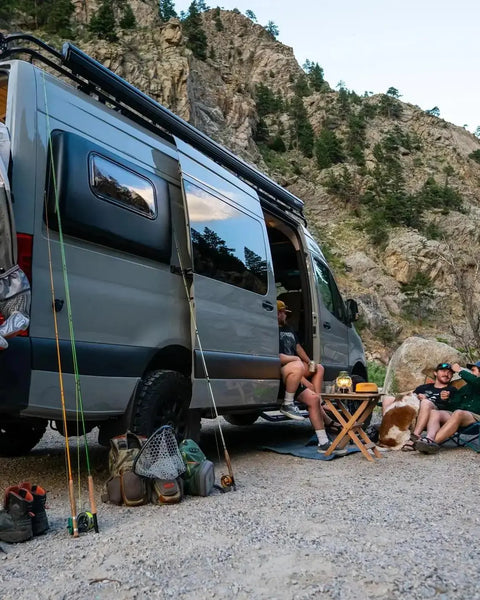
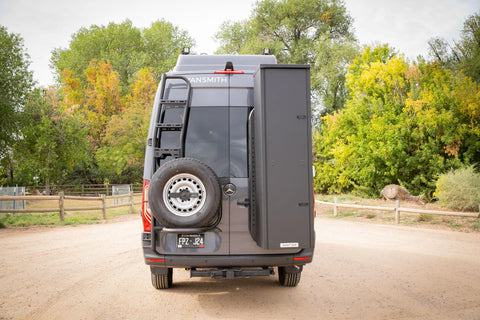
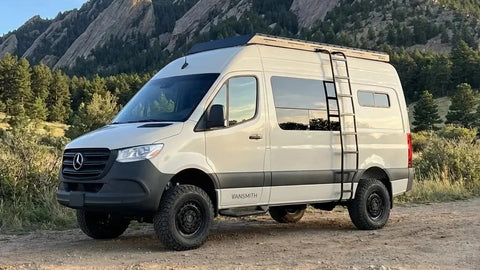
A camper van purchase is the start of a long ownership journey. Once you begin traveling, questions about electrical systems, heating, water, and maintenance naturally come up. The company behind your van should understand the equipment it installs and provide clear guidance beyond delivery. At The Vansmith, we believe thoughtful design, careful workmanship, and ongoing owner support all contribute to a better experience on the road.
Why Does After-Sales Support Matter When Choosing a Camper Van Company?
A camper van brings together two different systems: the base vehicle and the living space inside it. The chassis has its own maintenance schedule, while the interior contains electrical, plumbing, heating, and appliance systems that need regular attention.
These systems work together. A battery issue, for example, may affect refrigeration, lighting, heating controls, or other equipment. Understanding how the components connect helps owners identify problems and find the right assistance.
This is why the relationship with the company should continue after handover. Owners need access to equipment information, warranty guidance, and technical knowledge when questions arise.
At The Vansmith, our experience comes from more than 300 vans completed since 2016. Working with Sprinter and Ford Transit platforms has taught us how important system access, practical layouts, and reliable components are throughout ownership.
What Should Good After-Sales Support Include?
Good support should make ownership easier. It should help owners understand their equipment, identify the right next step when something goes wrong, and access the information needed for maintenance or warranty claims.
Here are the areas worth considering before choosing a company.
1. Clear Warranty Guidance
A warranty is useful only when owners understand what it covers and how to request assistance.
A camper van may have several layers of coverage. The vehicle manufacturer covers eligible chassis components, while installed appliances and equipment may carry separate manufacturer warranties. Interior workmanship and cabinetry may have their own coverage terms.
Before purchasing, understand:
- Which interior components are covered
- What the cabinetry warranty includes
- Which electrical and plumbing components have manufacturer warranties
- How to report a potential warranty issue
- What documentation is needed for a claim
- Who helps coordinate with equipment manufacturers
The Vansmith offers a lifetime cabinetry warranty for the original owner. Many installed electrical and plumbing components also carry manufacturer warranties.
Our guide to camper van warranty coverage explains the difference between workmanship coverage and manufacturer warranties.
2. Technical Knowledge of Installed Systems
A camper van contains several connected systems. When one stops working, identifying the cause matters more than replacing parts at random.
Consider an electrical system that is not charging correctly. The issue could involve the battery, alternator charging, solar controller, inverter, wiring, or a loose connection.
A company familiar with its installed equipment can help owners understand the system specifications and identify the appropriate troubleshooting steps.
At The Vansmith, our electrical installations involve components that must work together as a complete system. Correct wire sizing, secure connections, compatible equipment, and accessible components all contribute to reliable operation.
Our camper van electrical system guide explains solar panels, batteries, charging sources, and power management.
3. Access to Equipment Information and Replacement Parts
Knowing which components are installed in your van makes future maintenance easier.
If a refrigerator, heater, inverter, water pump, or charging component needs attention, owners should be able to identify its manufacturer and model.
Keep the following information accessible:
- Equipment manufacturer and model numbers
- Product manuals
- Warranty documents
- Electrical system specifications
- Plumbing information
- Installation records
- Service and replacement history
The use of established components can also make ownership more practical. If a replacement is needed while traveling, a local technician may be able to source the correct part without relying on the original workshop.
This is one reason we value clear equipment documentation and practical system selection. Owners should understand what is installed in their vans and have the information needed to maintain it.
4. Maintenance Guidance for Long-Term Reliability
Preventive maintenance helps keep a camper van ready for travel. It also allows owners to identify developing issues before they affect other systems.
Important checks include:
- Inspecting roof seals and window openings
- Checking battery condition and charging performance
- Testing heating and ventilation systems
- Reviewing water lines, pumps, and connections
- Checking tires, brakes, and suspension
- Following the vehicle manufacturer's service schedule
For Sprinter owners, our Mercedes Sprinter maintenance schedule provides a useful reference for scheduled vehicle care.
Our guide to camper van maintenance costs also explains why regular inspections and early attention to developing issues matter throughout ownership.
5. Guidance When Something Goes Wrong on the Road
Not every issue happens near the company that supplied your van.
You might notice a heater fault during a winter trip, experience a charging problem in another state, or find a water leak before leaving a campground.
This is where clear technical guidance becomes valuable.
Ask whether the company can:
- Help identify symptoms remotely
- Explain which basic checks are safe for an owner
- Provide equipment specifications to a local technician
- Help identify the correct manufacturer support channel
- Explain when a problem requires an in-person inspection
Remote guidance can help identify the next step, but it does not replace professional inspection when an issue involves damaged wiring, fuel systems, overheating, or other safety concerns.
Our guide to common Sprinter and Transit repairs covers recurring vehicle and system issues, including electrical faults, heater problems, tire wear, and leaks.
Why the Quality of the Original Work Matters
After-sales support begins before the van leaves the workshop. The quality of the original installation affects how easily systems can be inspected, maintained, and repaired later.
For example, electrical components should be accessible for testing. Plumbing connections should be positioned so they can be inspected. Storage and cabinetry should allow practical access to the equipment behind them.
These details may not be the first things buyers notice when looking at an interior, but they matter throughout ownership.
At The Vansmith, our design approach considers how people will use and maintain their vans. We focus on practical layouts, carefully finished cabinetry, durable materials, and systems suited to the demands of travel.
Our article on camper van craftsmanship explains the details that help distinguish quality workmanship from a finish that only looks good in photographs.
Owner Education Should Be Part of the Handover
A well-planned handover should leave owners comfortable with the main systems in their van.
Before taking the vehicle on a longer trip, make sure you understand the following.
Electrical system: Learn how to read the battery monitor, use charging sources, operate the inverter, and identify the main electrical controls.
Water system: Understand how to fill the freshwater tank, operate the pump, empty wastewater, and prepare the system for freezing temperatures.
Heating and ventilation: Review heater controls, ventilation settings, and basic maintenance requirements.
Kitchen and appliances: Understand refrigerator operation, cooking equipment, and relevant safety instructions.
Interior components: Learn how to operate storage latches, sleeping arrangements, seating, and other moving parts.
At The Vansmith, we consider practical usability an important part of thoughtful design. A system should not only work properly but also be understandable to the people using it.
How to Evaluate a Company's Support Before Buying
You do not need to wait until a problem develops to understand how a company handles ownership support.
Before making a purchase, ask about its warranty process, equipment documentation, technical guidance, and service arrangements.
Useful signs include:
- Written warranty terms
- Clear equipment specifications
- Accessible manuals and installation records
- A defined process for reporting problems
- Knowledge of the systems installed
- Honest information about service availability
- Clear explanations of manufacturer coverage
You can also review the company's completed work and speak with its team about the equipment used in its vehicles.
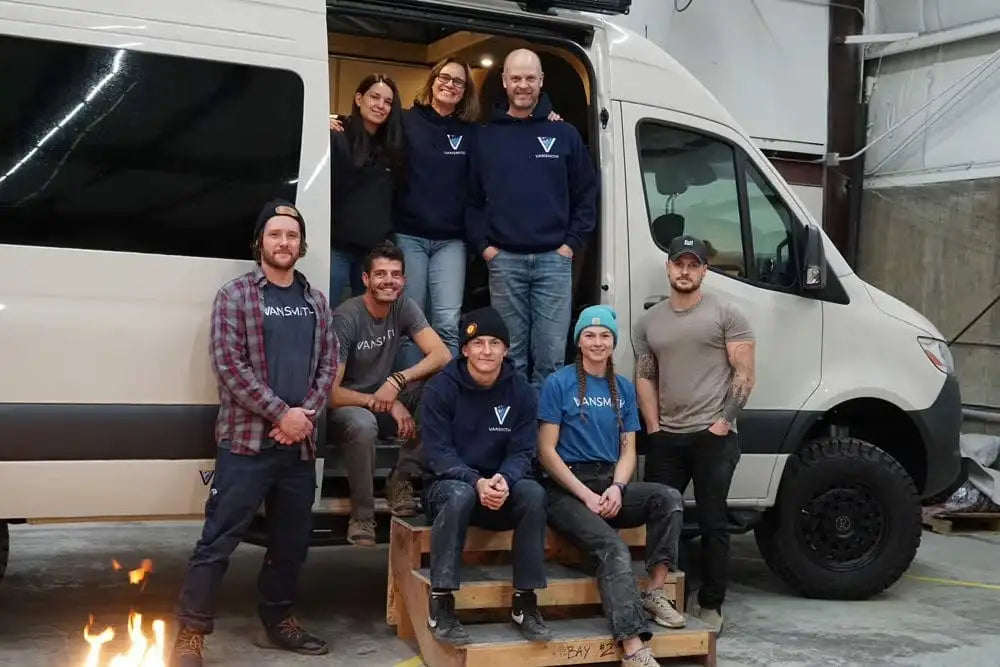
The Vansmith is a family-owned company based in Boulder, Colorado. Since 2016, our team has completed more than 300 vans, with a focus on practical layouts, quality workmanship, and personalized attention.
Our camper van collection includes different Sprinter and Transit models for buyers to explore. The collection also answers common ownership questions, including what happens when something needs attention after delivery.
Choose a Camper Van Company That Supports Long-Term Ownership
A well-designed camper van should remain practical long after the first trip. That requires more than an attractive interior. It requires thoughtful layouts, accessible systems, quality materials, clear documentation, and a company that understands the importance of supporting its work.
At The Vansmith, our approach combines careful workmanship, practical system design, and experience with adventure vans across Colorado and the West. We believe owners should understand the equipment in their vans and know where to turn when questions arise.
The right camper van company should understand the vehicle platform, the systems installed inside it, and the support owners may need after delivery. This matters whether you are comparing a Ford van conversion, looking at a Ford Transit for sale, or considering a Sprinter van conversion.
Before making a decision, review the company's experience with electrical systems, heating, ventilation, insulation, and other key components. Ask what guidance is available if a system needs attention later, and whether the company can explain the parts and equipment used in your van. You can also explore its Installations & Repairs information to understand the types of technical work it handles. For owners considering future upgrades, the Customize Your Van page is another relevant resource.
The vehicle itself should also match how you plan to travel. Compare options such as a 4x4 rv for sale or a Sprinter camper for sale, and consider the layout, storage, power capacity, and support available for each platform. A thoughtful decision at the beginning can make ownership easier over time.
Explore The Vansmith's available camper vans and review the warranty and ownership information before choosing your next adventure van. You can also contact our team to discuss models, equipment, and the ownership process.
Questions About Camper Van After-Sales Support
Does after-sales support include warranty assistance?
It depends on the company's written terms. Some companies help identify covered issues, provide documentation, and coordinate claims with equipment manufacturers. Ask what assistance is included before purchasing.
What should I do if my camper van develops an electrical problem?
Record the symptoms, warning indicators, and conditions when the issue occurs. Review the equipment documentation and follow only safe basic checks. Faults involving damaged wiring, overheating, or repeated fuse failures should be inspected by a qualified technician.
Can I get help if I am traveling far from the original workshop?
Ask whether the company can provide remote technical guidance and equipment information. It is also useful to know whether local technicians or manufacturer service centers can support the installed components.
Why should I keep records of installed equipment?
Equipment records help identify the correct components when maintenance, replacement parts, or warranty assistance are needed. Keep manuals, model numbers, invoices, and service information together.
Does a lifetime cabinetry warranty cover the entire camper van?
No. A cabinetry warranty applies to the cabinetry covered by its terms. The chassis, appliances, electrical equipment, and other components may have separate manufacturer or workmanship coverage. Always review the written warranty.
About the author

Eugene Smit
CEO
Eugene is the CEO of The Vansmith, based in Boulder, Colorado. He writes across topics related to van builds, ownership, and the camper van industry.
Read more about Eugene