Can a 4x4 Camper Van Stay Warm Below Freezing?
Absolutely.
A properly designed 4x4 camper van can remain comfortable in temperatures well below freezing and even handle sub-zero conditions. The secret isn't simply adding more insulation. The most successful winter camper vans rely on a complete cold-weather system where heating, insulation, ventilation, moisture control, and plumbing protection all work together.
Many first-time van owners assume thick walls are the answer. In reality, a moderately insulated van with a quality heater and proper airflow often outperforms a heavily insulated build with poor ventilation and moisture management.
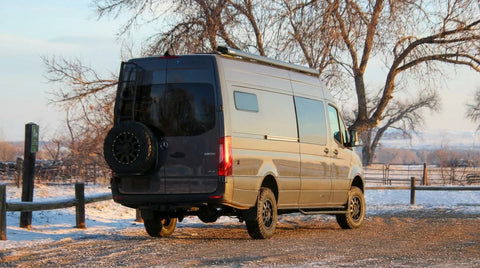
Whether you're chasing powder at mountain ski resorts, exploring frozen backroads, or embarking on remote winter overlanding adventures, understanding how cold-weather camper van systems work will help you stay warm, safe, and comfortable.
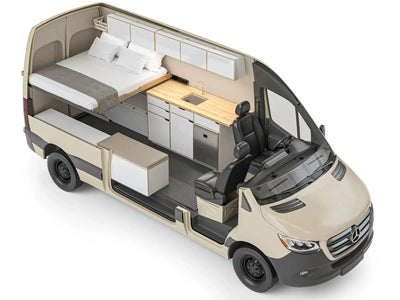
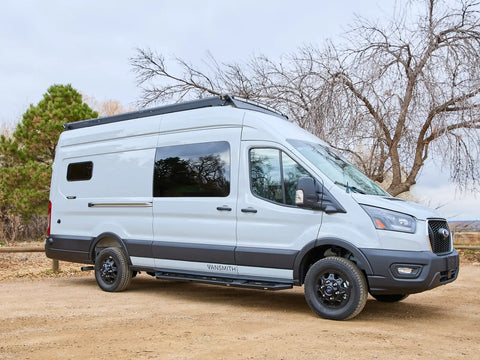
If you're looking for an adventure-ready vehicle built for year-round travel, browse The Vansmith's collection of 4x4 camper vans for sale designed for every season.
The Most Important Component: A Reliable Heater
Why a Heater Matters More Than Extra Insulation
You cannot insulate your way to warmth in extreme cold.
Even the best-insulated camper van will eventually lose heat when temperatures drop below freezing. That's why experienced winter van travelers prioritize a dependable heating system above all else.
Diesel Heaters: The Gold Standard for Winter Van Life
For most cold-weather travelers, diesel heaters remain the most effective and efficient solution.
Benefits of Diesel Heaters
- Low fuel consumption
- Dry heat output
- Overnight operation capability
- Independent from shore power
- Excellent performance in cold climates
Unlike propane heaters, diesel systems produce dry heat that helps reduce condensation inside the van.
This is one of the biggest advantages of extended winter travel.
Fuel Efficiency
Most modern diesel heaters consume approximately:
2–5 kW Heater Fuel Usage
- 0.1–0.5 liters per hour
- Roughly 0.03–0.13 gallons per hour
This allows travelers to heat their van for multiple nights using a relatively small fuel supply.
For serious winter adventurers, a professionally installed camper van heater system is one of the most valuable upgrades available.
Keep Your Heater Maintained
A heater is only useful if it works when temperatures plummet.
Before winter arrives, consider scheduling camper van heater service and repair to ensure reliable performance throughout the season.
Understanding Camper Van Insulation
More Insulation Isn't Always Better
One of the most common misconceptions in van life is that adding more insulation automatically makes a van warmer.
While insulation is important, thermal bridging and air leaks often have a greater impact on comfort than adding another inch of material.
Common Insulation Materials
Polyiso Foam Board
Approximate R-Value
R-6 to R-6.5 per inch
Advantages
- Excellent thermal resistance
- Lightweight
- Widely available
Limitations
Performance decreases in extremely cold temperatures.
XPS Foam Board
Approximate R-Value
R-5 per inch
Advantages
- Moisture resistant
- Durable
Limitations
Difficult to install around curves.
Mineral Wool
Approximate R-Value
R-4 to R-4.3 per inch
Advantages
- Fire resistant
- Sound absorption
Limitations
Can absorb moisture if improperly installed.
Thinsulate
Approximate R-Value
R-3 to R-3.5 per inch
Advantages
- Easy installation
- Moisture resistant
- Excellent for curved surfaces
Closed-Cell Spray Foam
Approximate R-Value
R-6 to R-7 per inch
Advantages
- Air sealing properties
- Excellent insulation
Limitations
- Permanent installation
- Higher cost
The Reality of Thermal Bridging
Why Real-World R-Values Are Lower
A camper van is not a residential home.
Every van contains numerous thermal bridges that transfer heat directly outside.
Common Thermal Bridges
- Metal support ribs
- Window frames
- Door structures
- Mounting brackets
- Exposed steel surfaces
As a result, a theoretical R-10 wall assembly may perform closer to R-5 or R-7 in actual winter conditions.
This is why overall system design matters more than chasing the highest insulation numbers.
Windows: The Biggest Source of Heat Loss
Why Windows Matter So Much
Most camper vans use single-pane automotive glass.
Glass transfers heat significantly faster than insulated wall assemblies.
Common Winter Problems
- Cold drafts
- Window condensation
- Ice formation
- Rapid heat loss
The Best Window Insulation Solutions
Insulated Window Covers
Custom insulated covers can dramatically improve comfort.
Benefits Include
- Reduced heat loss
- Less condensation
- Improved privacy
Cab Partition Curtains
The cab area contains:
- Windshield
- Door windows
- Uninsulated metal
Separating the cab from the living area can noticeably reduce heating demands.
Exterior Windshield Covers
External covers prevent cold air from reaching the glass surface and help maintain interior temperatures.
Many winter travelers report greater gains from insulated window covers than from adding additional wall insulation.
Ventilation: The Secret to Staying Warm
Why Ventilation Matters in Winter
At first glance, opening a roof vent during freezing temperatures sounds counterproductive.
In reality, it's essential.
Without ventilation, moisture accumulates rapidly from:
- Breathing
- Cooking
- Wet clothing
- Snow-covered gear
Problems Caused by Poor Ventilation
Condensation
Water collects on:
- Windows
- Metal surfaces
- Bedding
Mold Growth
Persistent moisture creates ideal conditions for mold and mildew.
Reduced Comfort
Humid air feels colder and makes it harder to maintain a comfortable environment.
Best Practice
Run your heater while keeping a roof vent slightly open.
A professionally installed roof vent system allows fresh air exchange while minimizing heat loss.
Protecting Your Water System
Frozen Plumbing Is a Major Winter Risk
Frozen pipes and tanks are among the most common cold-weather camper van problems.
How to Prevent Frozen Water Systems
Keep Tanks Inside the Heated Space
Water tanks located within the insulated living area remain significantly less vulnerable to freezing.
Insulate Water Lines
Protect exposed plumbing with insulation sleeves or foam wraps.
Use Tank Heating Pads
Heating pads can protect vulnerable tanks during extended cold-weather camping.
Drain Exterior Plumbing
Outdoor showers and exposed plumbing should be drained before hard freezes.
Many travelers prefer van conversions with showers that integrate winter-friendly plumbing designs.
Flooring Is More Important Than Most People Realize
Cold Floors Create Cold Vans
Even when air temperatures are comfortable, cold floors make the entire space feel colder.
Effective Winter Flooring Layers
Typical Floor Assembly
- Factory metal floor
- Rigid insulation
- Plywood subfloor
- Finished flooring
- Area rugs
Even a simple rug can significantly improve comfort.
Your Sleep System Matters
The Heater Shouldn't Do All the Work
Winter comfort depends on personal insulation as much as vehicle insulation.
Essential Cold-Weather Clothing
Bring:
- Wool socks
- Thermal base layers
- Insulated jackets
- Winter hats
- Insulated slippers
Winter Bedding Recommendations
Sleeping Bags
Choose sleeping bags rated below expected temperatures.
Down Blankets
Provide excellent warmth-to-weight ratios.
Layering Systems
Multiple bedding layers allow flexibility as conditions change.
Always Plan for Heater Failure
Redundancy Is Critical
Mechanical systems can fail.
Even the best diesel heaters occasionally experience problems.
Essential Backup Equipment
Extra Blankets
Store winter-rated blankets even if your heater is reliable.
Emergency Sleeping Bags
Choose cold-weather sleeping bags suitable for your climate.
Portable Battery Banks
Maintain power for lighting and communication.
Spare Heater Parts
Consider carrying:
- Fuses
- Glow plugs
- Fuel pumps
Prepared travelers are far more comfortable when unexpected issues arise.
What R-Value Should You Aim For?
Mild Winter Conditions (25–40°F)
Recommended Setup
- R-3 to R-5 wall assemblies
- Window covers
- Diesel heater
Regular Winter Adventures (10–25°F)
Recommended Setup
- Effective insulation
- Reduced thermal bridging
- Ventilation system
- Protected plumbing
- Reliable heater
Extreme Cold (-10°F and Below)
Recommended Setup
- High-output heater
- Comprehensive window insulation
- Interior water storage
- Backup sleeping system
- Active moisture management
At these temperatures, system integration becomes far more important than chasing higher insulation values.
Building the Ultimate Winter Camper Van
The best winter vans combine multiple systems working together.
Off-Grid Electrical Systems
Reliable solar installations help support extended cold-weather travel.
Winter Suspension Upgrades
Many travelers preparing for snowy trails choose Sprinter and Transit suspension upgrades for improved handling and ground clearance.
Spacious Winter-Friendly Layouts
Longer vans often provide additional room for gear storage and insulated systems.
Explore Options Such As
Traveling with a partner? Consider camper vans for couples designed for comfortable year-round adventures.
Families planning winter road trips may also benefit from exploring family van conversions with additional sleeping and storage space.
Frequently Asked Questions
Can a camper van stay warm below zero?
Yes. A properly insulated van with a quality diesel heater can remain comfortable in sub-zero temperatures.
What is the best heater for winter van life?
Diesel heaters are widely considered the best solution because they are fuel-efficient, reliable, and produce dry heat.
Do you need ventilation in winter?
Absolutely. Ventilation prevents condensation, mold, and moisture buildup.
How do you stop camper van windows from freezing?
Use insulated window covers, thermal curtains, and maintain proper airflow inside the van.
Is insulation or heating more important?
Heating is generally more important. The best winter setups combine adequate insulation with a dependable heating system.
Final Thoughts
Keeping a 4x4 camper van warm in extreme cold is about much more than adding insulation. The most comfortable winter camper vans combine a reliable diesel heater, strategic insulation, proper ventilation, protected plumbing, and smart cold-weather habits.
A thoughtfully designed system will outperform a heavily insulated van that lacks airflow or adequate heating. When temperatures drop well below freezing, moisture control, backup plans, and efficient heating become just as important as R-values.
With the right setup, your 4x4 camper van can serve as a warm, comfortable basecamp for ski trips, winter overlanding adventures, remote camping, and year-round exploration.
Ready to build a van designed for all-season travel? Explore The Vansmith's camper vans for sale in Colorado or browse camper vans available across the USA. If you're planning your purchase, use the RV loan calculator to estimate financing and start planning your next cold-weather adventure.