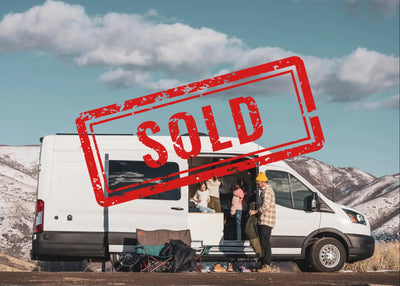
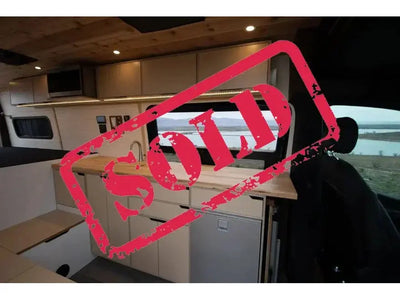
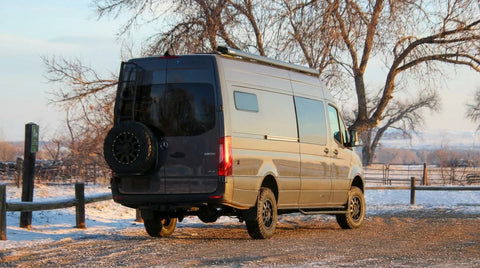
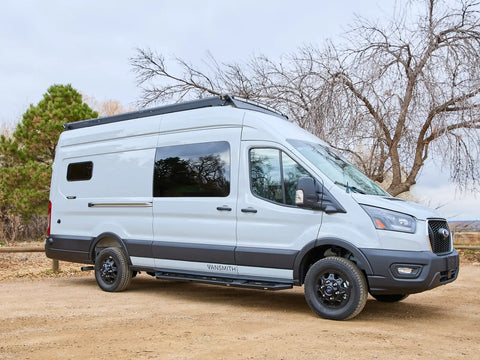
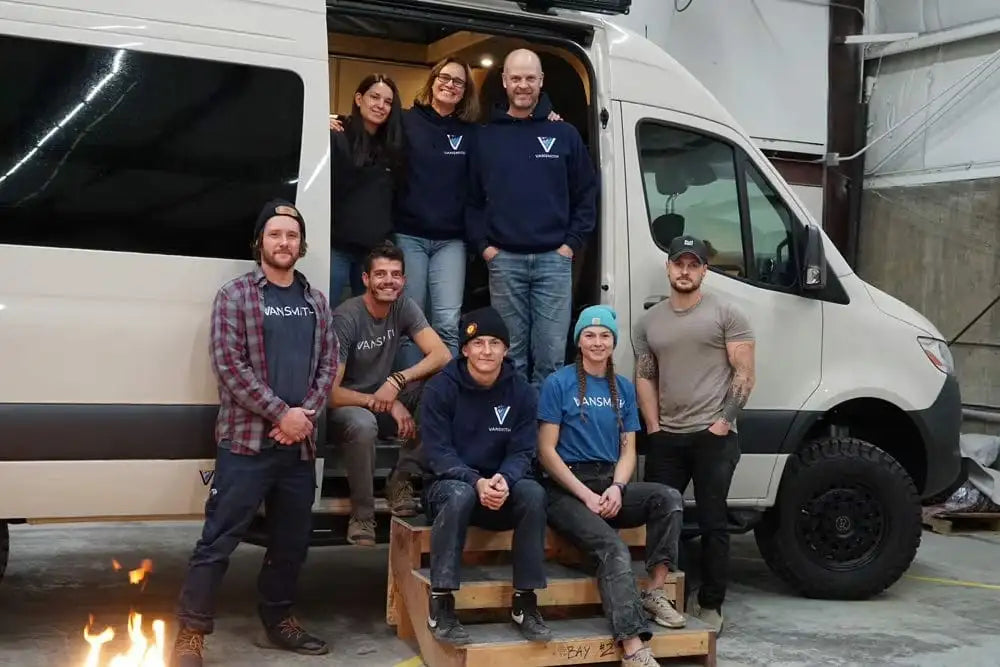
A 4x4 camper van opens the door to remote campsites, rugged forest roads, mountain trails, and off-grid adventures that many traditional RVs simply can't reach. Whether you're driving one of The Vansmith's premium 4x4 RVs for sale or a custom-built expedition vehicle, proper maintenance after every backcountry trip is essential for preserving reliability, safety, and long-term value.
Backcountry roads are tough on any vehicle. Corrugated washboard surfaces loosen hardware, mud accelerates corrosion, rocks damage suspension components, and fine dust works its way into filters, electronics, and moving parts. Taking time to inspect and maintain your van after each trip can prevent expensive repairs and keep your adventure rig ready for the next journey.
This guide covers the complete maintenance checklist every 4x4 camper van owner should follow after returning from the backcountry.
Why Post-Trip Maintenance Matters
Unlike highway driving, off-road travel places additional stress on:
-
Suspension systems
-
Tires and wheels
-
Drivetrain components
-
Brakes
-
Electrical systems
-
Plumbing systems
-
Exterior finishes
Owners of winter camper vans and expedition-ready builds often travel in mud, snow, sand, and rocky terrain, making routine inspections even more important.
Regular maintenance helps:
-
Prevent corrosion
-
Catch leaks early
-
Extend component lifespan
-
Improve safety
-
Preserve resale value
-
Reduce unexpected breakdowns
The Golden Hour Rule
One of the biggest mistakes van owners make is letting their vehicle sit for days after a trip.
Mud hardens, road salt begins corroding metal, and debris remains trapped in suspension components.
The best practice is simple:
Clean and inspect the van as soon as possible after returning home.
Owners of premium luxury camper vans for sale understand that preventative maintenance is significantly cheaper than major repairs.
Step 1: Wash the Entire Van
Focus on the Undercarriage
The first priority after any off-road trip is a thorough wash.
Pay special attention to:
-
Wheel wells
-
Suspension components
-
Brake assemblies
-
Frame rails
-
Differential housings
-
Skid plates
-
Underbody panels
Mud, sand, and road salt trap moisture and accelerate corrosion.
Recommended Frequency
After every muddy, dusty, or snowy trip.
Many owners of Sprinter van conversions schedule a complete underbody rinse immediately after returning from remote travel.
Step 2: Check Fluid Levels
Off-road driving places additional demands on mechanical systems.
Inspect:
-
Engine oil
-
Coolant
-
Brake fluid
-
Power steering fluid
-
Transmission fluid
-
Differential fluid
Why It Matters
Early detection of fluid loss can prevent catastrophic failures and expensive repairs.
Fluid checks should be performed after every backcountry adventure.
Step 3: Inspect for Leaks
While underneath the vehicle, inspect for:
-
Oil leaks
-
Coolant leaks
-
Differential leaks
-
Transfer case leaks
-
Transmission leaks
If you crossed deep water during your trip, inspect differential fluid carefully.
Milky fluid may indicate water contamination and should be changed immediately.
This is especially important for heavily equipped Sprinter 170 van conversions that frequently travel long distances in remote environments.
Step 4: Inspect the Suspension System
Backcountry roads can be brutal on suspension components.
Components to Check
-
Lift kit hardware
-
Shock absorbers
-
Springs
-
Sway bars
-
Mounting brackets
-
Control arms
Red Flags
Watch for:
-
Loose bolts
-
Leaking shocks
-
Damaged bushings
-
Excessive play
-
Unusual noises
Owners of adventure-focused Sprinter 144 van conversions should inspect suspension hardware frequently because shorter-wheelbase vans often see more aggressive trail use.
Step 5: Examine Ball Joints and Tie Rods
Ball joints and steering components experience significant stress during off-road travel.
Inspect for:
-
Grease leaks
-
Excessive movement
-
Torn boots
-
Steering looseness
Inspection Schedule
Every 1,000–3,000 miles or after particularly rough trips.
These are among the most common wear items found on heavily used adventure vans.
Step 6: Check Wheel Bearings
Wheel bearing failures are a common issue among backcountry travelers.
Inspect for:
-
Unusual noises
-
Excessive heat
-
Grease leakage
-
Wheel play
Early detection can prevent major suspension and hub failures.
Step 7: Inspect CV Joints and Axles
If your van uses AWD or 4x4 components, inspect:
-
CV boots
-
Axle shafts
-
Joint seals
Look for:
-
Cracks
-
Tears
-
Grease leakage
-
Clicking sounds during turns
Owners of Ford Transit van conversions equipped for off-road travel should pay special attention to CV components after rough terrain use.
Step 8: Check Tires and Wheels
Your tires are the only point of contact with the trail.
Inspect for:
-
Cuts
-
Sidewall damage
-
Punctures
-
Uneven tread wear
-
Bead damage
Tire Pressure
Check tire pressure:
-
Before every trip
-
After every trip
-
After airing down for trails
Proper tire pressure improves:
-
Safety
-
Fuel economy
-
Tire lifespan
Many owners of camper vans for sale underestimate how much tire maintenance affects long-term operating costs.
Step 9: Service the Air Filters
Dusty trails can quickly clog filters.
Inspect:
-
Engine air filter
-
Cabin air filter
Replace heavily contaminated filters immediately.
A clean filter improves:
-
Fuel economy
-
Engine performance
-
Air quality inside the van
Step 10: Inspect Brake Components
Mountain roads and steep descents place significant demands on braking systems.
Check:
-
Brake pads
-
Rotors
-
Brake lines
-
Brake fluid
Watch for:
-
Squealing
-
Shuddering
-
Pulling during braking
-
Uneven wear
Brake inspections should occur every 1,000 miles of heavy off-road use.
Step 11: Clean the Interior
Backcountry travel introduces dust, mud, and debris into the living space.
After Every Trip
-
Sweep floors
-
Wipe counters
-
Vacuum upholstery
-
Clean kitchen surfaces
-
Air out bedding
Owners of camper vans for couples often discover that routine cleaning dramatically improves comfort during long-term travel.
Step 12: Maintain Water Systems
Water systems require regular maintenance.
Freshwater System
Monthly tasks include:
-
Sanitizing tanks
-
Cleaning faucets
-
Disinfecting shower fixtures
Wastewater System
After every trip:
-
Empty tanks
-
Flush systems
-
Clean drains
This prevents:
-
Odors
-
Bacteria growth
-
Plumbing clogs
Owners of camper vans with showers should prioritize regular water system maintenance.
Step 13: Check the Electrical System
Modern camper vans rely heavily on electrical infrastructure.
Inspect:
-
Battery terminals
-
Fuse panels
-
Wiring connections
-
Shore power systems
-
Solar charging systems
Monthly Checks
-
Battery voltage
-
Corrosion
-
Cable connections
Many eco-friendly van conversions depend on sophisticated lithium battery systems that benefit from routine inspections.
Step 14: Inspect Solar Panels and Exterior Electronics
Adventure travel can loosen exterior equipment.
Inspect:
-
Solar panels
-
Roof racks
-
Antennas
-
Exterior lights
-
Cameras
Owners of modern mobile work vans often rely on solar power and internet systems that should be checked after every trip.
Step 15: Lubricate Moving Components
Monthly lubrication helps prevent wear and corrosion.
Focus on:
-
Door hinges
-
Locks
-
Latches
-
Exterior storage compartments
Regular lubrication keeps components operating smoothly despite dust and moisture exposure.
Seasonal Maintenance
Winter Preparation
Before cold-weather travel:
-
Test heating systems
-
Check weather seals
-
Inspect batteries
-
Verify antifreeze levels
Many travelers using Class B camper vans for skiing and winter camping perform these checks before the first snowfall.
Summer Preparation
Before hot-weather travel:
-
Test the air conditioning
-
Inspect roof vents
-
Replace dirty filters
-
Check cooling systems
Recommended Maintenance Schedule
|
Interval |
Maintenance Tasks |
|
After Every Trip |
Wash van, inspect tires, check fluids, inspect wiring |
|
Every 300–500 Miles |
Retorque lift kit hardware |
|
Every 1,000 Miles |
Suspension inspection, brake inspection |
|
Every 3,000–5,000 Miles |
Oil change, differential fluid inspection |
|
Every 5,000–7,000 Miles |
Tire rotation |
|
Monthly |
Battery checks, water system cleaning, and lubrication |
|
Every 6 Months |
Full vehicle inspection |
|
Every 15,000–30,000 Miles |
Brake fluid service, transmission service |
Final Thoughts
Backcountry adventures are one of the biggest reasons travelers invest in premium off-road camper vans, but those adventures come with additional maintenance responsibilities. Mud, dust, water crossings, rocky terrain, and long washboard roads all accelerate wear on mechanical systems, suspension components, and living-space infrastructure.
The best maintenance strategy is simple: clean the van immediately after every trip, inspect critical systems regularly, and address small issues before they become expensive repairs. By following a consistent maintenance routine, your 4x4 camper van will remain reliable, comfortable, and ready for thousands of miles of future adventure.