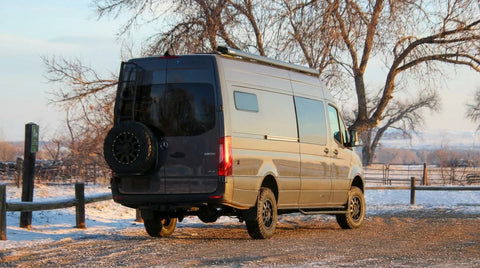
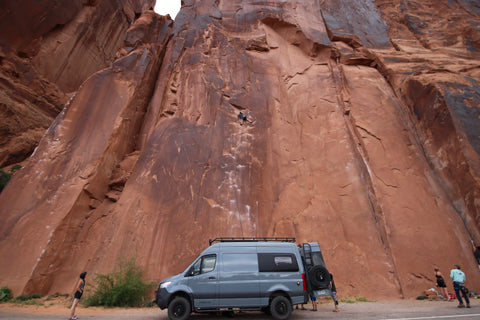
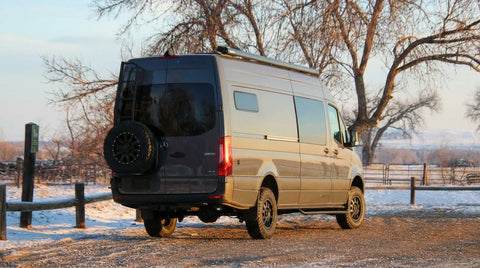
Getting stuck is part of off-road travel, even in a capable 4x4 camper van. Whether you're bogged down in deep mud, buried in soft sand, or trapped in heavy snow, knowing how to recover your vehicle safely can save time, prevent costly damage, and keep your adventure moving forward.
The golden rule is simple: stop spinning the tires immediately.
A fully equipped camper van can weigh anywhere from 7,000 to over 11,000 pounds. Excessive wheelspin only digs deeper ruts, buries the tires, and increases the chances of becoming high-centered. Successful recovery is usually about patience, traction, and technique rather than horsepower.
Whether you're exploring remote forest roads, backcountry campsites, or rugged overlanding routes, understanding proper recovery procedures is essential for safe off-grid travel.
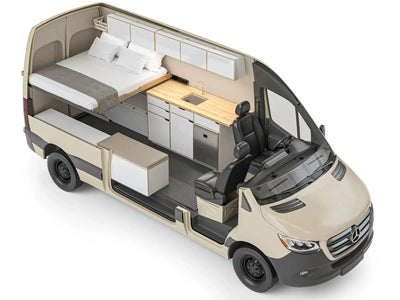
If you're looking for an adventure-ready platform designed for remote exploration, explore The Vansmith's collection of 4x4 camper vans built for life beyond the pavement.
Before You Start: Stay Calm and Assess the Situation
The worst thing you can do after losing momentum is continue applying throttle.
Stop Immediately
As soon as forward progress stops:
-
Take your foot off the accelerator
-
Engage the parking brake if safe
-
Exit the vehicle
-
Inspect all four tires
Identify the Cause
Determine whether you're stuck because of:
-
Deep mud
-
Soft sand
-
Packed snow
-
Ice
-
Hidden obstacles
-
High-centering
Check the Undercarriage
Look underneath the van for contact points such as:
-
Differential housings
-
Axles
-
Frame rails
-
Skid plates
-
Suspension components
If the van is resting on the chassis instead of the tires, traction alone will not solve the problem.
Essential Recovery Gear Every 4x4 Camper Van Should Carry
Recovery equipment can make the difference between a quick self-recovery and an expensive tow.
Recommended Recovery Equipment
Traction Equipment
-
Recovery boards
-
Tire chains (winter travel)
-
Tire pressure gauge
Digging Equipment
-
Shovel
-
Folding spade
Tire Management
-
Portable air compressor
-
Deflator tool
Recovery Hardware
-
Recovery strap
-
Soft shackles
-
Rated recovery points
-
Tree saver strap
Advanced Recovery Equipment
-
Electric winch
-
Snatch block
-
Winch damper
Many travelers upgrading their rigs for remote travel choose Sprinter camper vans and Ford Transit camper vans equipped with dedicated recovery systems and off-road accessories.
Step 1: Prepare the Vehicle for Recovery
Turn Off Traction Control
Many modern vehicles use traction and stability control systems that reduce engine power when wheelspin occurs.
In recovery situations, this can work against you.
Before Attempting Recovery
-
Disable traction control
-
Select off-road mode if available
-
Choose sand or mud mode when equipped
Engage Four-Wheel Drive
Use the Correct Drivetrain Settings
If equipped:
-
Engage 4WD
-
Shift into 4-Low
-
Lock the center differential
-
Engage front and rear lockers
Proper drivetrain setup maximizes available traction before recovery begins.
Step 2: Air Down Your Tires
The Most Effective Recovery Technique
Reducing tire pressure dramatically increases the tire's footprint.
This allows the tire to:
-
Float on soft surfaces
-
Gain additional traction
-
Reduce sinking
Recommended Tire Pressures
|
Terrain |
Suggested Pressure |
|
Sand |
12–18 PSI |
|
Snow |
15–25 PSI |
|
Mud |
18–25 PSI |
Why It Works
Lower tire pressure creates a longer contact patch, similar to a snowshoe.
Instead of digging downward, the tire spreads weight across a larger area.
⚠️ Always reinflate tires before returning to highway speeds.
Step 3: Clear the Resistance
Dig Out Around the Tires
Use a shovel to remove material from:
-
In front of the tires
-
Behind the tires
-
Around the sidewalls
Dig Escape Ramps
Create a gradual path for the tires to climb.
Avoid leaving:
-
Vertical walls of mud
-
Sand berms
-
Packed snow ridges
Remove Material Under the Chassis
If your van is high-centered, clearing the underbody is critical.
Focus On
-
Frame rails
-
Axles
-
Differential housings
-
Skid plates
Until weight returns to the tires, traction will remain limited.
Step 4: Use Recovery Boards
Why Recovery Boards Work
Recovery boards provide an artificial traction surface when terrain offers little grip.
They are often the fastest recovery solution available.
Proper Placement
Position the Boards
-
Dig in front of the drive tires.
-
Slide the boards underneath the tread.
-
Push them as far under the tire as possible.
-
Align them with your intended travel direction.
Common Mistake: Too Much Throttle
Do not floor the accelerator.
Instead:
-
Apply gentle throttle
-
Allow the tires to climb onto the boards
-
Maintain steady momentum
Aggressive wheelspin can eject the boards or damage them.
Step 5: Use the Rocking Technique
For Lightly Stuck Vehicles
If the van is only partially stuck:
Build Small Amounts of Momentum
-
Shift into Drive.
-
Move forward slightly.
-
Shift into Reverse.
-
Roll backward slightly.
-
Repeat gradually.
This creates a small momentum pocket that may allow the vehicle to break free.
Important Warning
Never shift between gears while the tires are spinning.
This can cause transmission damage.
Recovering a Camper Van From Mud
Why Mud Is Difficult
Mud creates two challenges:
Loss of Traction
Mud fills tire tread voids and reduces grip.
Suction
Heavy clay and wet soil can create a vacuum effect beneath the vehicle.
Recovery Process for Mud
-
Air down tires.
-
Clear mud from tires.
-
Dig around the chassis.
-
Install recovery boards.
-
Engage 4-Low.
-
Apply smooth throttle.
If equipped, differential lockers can dramatically improve traction.
Additional Tip
Pouring water around extremely thick clay mud can sometimes reduce suction and help free the tires.
Recovering a Camper Van From Sand
Why Camper Vans Sink in Sand
Weight is the biggest challenge.
A fully loaded camper van carries:
-
Water
-
Batteries
-
Solar equipment
-
Camping gear
-
Fuel
This additional weight increases sinking risk.
Recovery Process for Sand
Air Down Aggressively
Many recoveries happen simply by lowering pressure to 12–15 PSI.
Create a Smooth Exit Path
Remove sand from:
-
Tire fronts
-
Differential areas
-
Chassis contact points
Install Recovery Boards
Use boards immediately rather than continuing to spin tires.
Apply Steady Momentum
Smooth throttle is far more effective than aggressive acceleration.
Recovering a Camper Van From Snow
Why Snow Can Be Deceptive
Snow often hides:
-
Ice
-
Ruts
-
Frozen obstacles
Spinning tires can quickly create polished ice beneath the tread.
Snow Recovery Steps
-
Clear snow from around the tires.
-
Dig beneath the chassis if necessary.
-
Air down slightly.
-
Use traction boards.
-
Engage 4-Low.
-
Maintain steady momentum.
Alternative Traction Aids
If recovery boards are unavailable, try:
-
Tire chains
-
Floor mats
-
Branches
-
Gravel
Dedicated recovery boards remain the preferred option.
When Recovery Boards Are Not Enough
Winch Recovery
For severe recoveries, a winch often becomes the safest solution.
Basic Winching Procedure
Step 1
Locate a solid anchor point.
Examples include:
-
Large trees
-
Rock anchors
-
Ground anchors
Step 2
Use a tree saver strap when winching from trees.
Step 3
Attach recovery gear using rated equipment only.
Step 4
Winch slowly while assisting gently with vehicle power.
Use a Snatch Block for Heavy Vans
A snatch block:
-
Doubles pulling power
-
Reduces winch strain
-
Improves control
This is particularly helpful for heavy overland vehicles.
Critical Safety Rule
Never attach recovery equipment to:
-
Hitch balls
-
Non-rated tow points
-
Suspension components
Always use rated recovery points.
How to Prevent Getting Stuck in the First Place
The easiest recovery is avoiding one altogether.
Walk the Terrain First
Inspect:
-
Mud holes
-
Water crossings
-
Deep sand
-
Snow drifts
before driving through them.
Use Low Range Early
Waiting until you're already stuck is too late.
Maintain Momentum
Particularly in:
-
Sand
-
Snow
-
Loose terrain
Monitor Weather Conditions
Heavy rain, snowmelt, and freeze-thaw cycles can dramatically change trail conditions.
Travel Prepared
Many travelers preparing for remote exploration invest in Sprinter and Transit suspension upgrades to improve clearance, ride quality, and off-road capability.
Building a Camper Van for Remote Travel
Successful off-road travel depends on more than recovery gear.
Essential Off-Grid Upgrades
Solar Power
A professionally installed camper van solar system helps support air compressors, communication devices, and recovery-related electronics.
Heating Systems
For winter recoveries and cold-weather travel, camper van heater installations improve comfort and safety.
Routine camper van heater service and repair helps ensure your heating system performs when temperatures drop.
Ventilation
A professionally installed roof vent system improves airflow and moisture management during extended trips.
Interior Functionality
Features like sliding van beds maximize interior storage space for recovery equipment and adventure gear.
Frequently Asked Questions
What is the first thing to do when a camper van gets stuck?
Stop spinning the tires immediately. Excessive wheelspin usually makes the situation worse.
Should I air down my tires before using recovery boards?
Yes. Lower tire pressure significantly improves traction and increases the effectiveness of recovery boards.
What tire pressure should I use in sand?
Most heavy camper vans perform well between 12 and 18 PSI, depending on weight and tire size.
Can I recover a camper van without a winch?
Yes. Many recoveries can be completed using tire pressure adjustments, digging, and recovery boards.
When should I call for help?
Seek professional assistance if:
-
The vehicle is high-centered
-
Recovery attempts are failing
-
Rollover risk exists
-
Mechanical damage is suspected
Final Thoughts
Most stuck 4x4 camper vans can be recovered without a tow truck by following a simple process: stop wheelspin immediately, reduce tire pressure, clear resistance, and use traction aids effectively.
Whether you're dealing with mud, sand, or snow, patience and preparation are far more valuable than horsepower. Recovery boards, proper tire pressures, and a well-equipped recovery kit can solve the majority of off-road recovery situations.
For more severe recoveries, a properly rated winch and safe recovery practices provide the most reliable solution.
Ready to build a van designed for remote exploration? Explore The Vansmith's camper vans for sale, browse van conversions for sale in Colorado, or view camper vans available across the USA to find the ideal platform for your next off-grid adventure. You can also use the RV loan calculator to help plan your adventure-ready build.