The Alaska Highway—often called the ALCAN Highway—is one of North America's most iconic road trips. Stretching approximately 1,387 miles from Dawson Creek, British Columbia, to Delta Junction, Alaska, this legendary route takes travelers through remote wilderness, mountain landscapes, wildlife corridors, and some of the most breathtaking scenery on the continent.
The good news?
A 4x4 camper van is more than capable of completing the Alaska Highway.
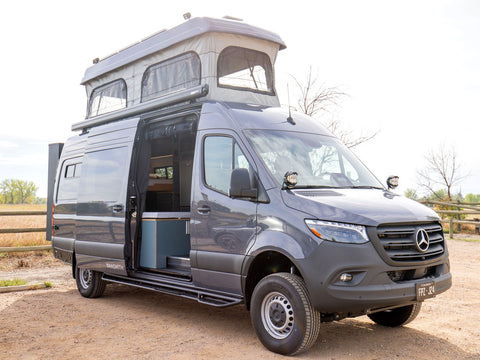
In fact, many travelers consider a 4x4 camper van the ideal vehicle for the journey because it combines self-sufficient living, comfortable accommodations, and the flexibility to explore side roads and remote campsites beyond the main highway.
However, driving the Alaska Highway is not simply a matter of pointing your van north and hitting the road. Frost heaves, construction zones, gravel sections, wildlife encounters, and long distances between services require preparation and planning.
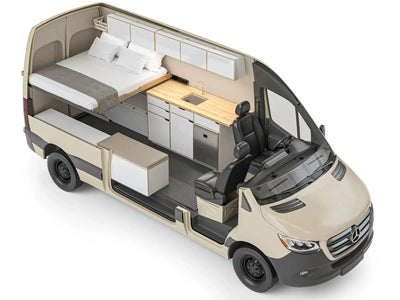
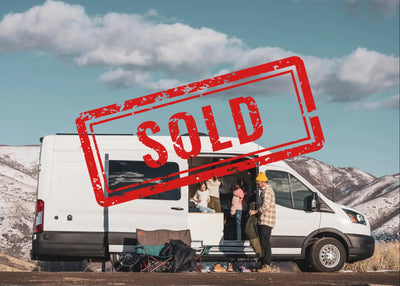
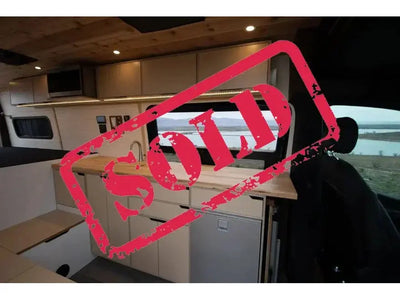
Whether you're traveling in a custom Sprinter build, a Ford Transit conversion, or a luxury Class B camper van, this guide covers everything you need to know before heading north.
If you're looking for an adventure-ready vehicle built for long-distance exploration, browse The Vansmith's collection of camper vans for sale designed for life beyond the pavement.
What Is the Alaska Highway?
The Alaska Highway connects:
Dawson Creek, British Columbia → Delta Junction, Alaska
Originally constructed during World War II, the route has evolved into one of the world's most famous road-trip destinations.
Today, the highway is mostly paved, but that doesn't mean it's smooth.
The combination of extreme weather, permafrost movement, heavy commercial traffic, and constant construction creates unique driving conditions that every camper van owner should understand before departure.
Do You Need a 4x4 Camper Van for the Alaska Highway?
The Short Answer
No.
Many travelers successfully complete the Alaska Highway in standard passenger cars, motorhomes, and two-wheel-drive vehicles.
However, a 4x4 camper van offers significant advantages.
Benefits of a 4x4 Camper Van
- Better traction in rain and gravel
- Increased confidence during construction zones
- Access to remote campsites
- Greater capability for side adventures
- Improved stability on rough roads
Many travelers choose Sprinter camper vans or custom Ford Transit camper vans for this type of expedition.
Road Conditions on the Alaska Highway
One of the biggest misconceptions about the Alaska Highway is that it's an unpaved wilderness road.
While much of the route is paved, road conditions vary dramatically.
Dawson Creek to Whitehorse
Surface Quality
Mostly paved and generally well maintained.
Many travelers are surprised to discover that portions of this section are smoother than highways in the lower 48 states.
What to Expect
- Scenic mountain views
- Long driving stretches
- Occasional construction
- Reliable services
This section is often considered the easiest portion of the route.
Whitehorse to the Alaska Border
Surface Conditions
This section introduces many of the road challenges associated with the Alaska Highway.
Common Hazards
- Frost heaves
- Uneven pavement
- Wavy road surfaces
- Construction zones
Many travelers describe portions of the road as having a "roller coaster" effect due to permafrost movement beneath the pavement.
Alaska Border to Tok
The Roughest Section
This area often contains:
- Frost heaves
- Potholes
- Pavement damage
- Ongoing repairs
Drivers should reduce speed significantly and remain alert.
For heavy camper vans, suspension condition becomes especially important in this region.
Owners planning frequent remote travel often benefit from professional Sprinter and Transit suspension upgrades before departure.
Tok to Delta Junction
Improved Road Quality
After leaving Tok, conditions generally improve considerably.
Expect
- Mostly paved roads
- Better maintenance
- Easier driving conditions
Many travelers consider this final section one of the most relaxing portions of the journey.
Understanding Frost Heaves
The Biggest Road Hazard on the Alaska Highway
If you've never driven in northern climates, frost heaves may be unfamiliar.
What Causes Frost Heaves?
Water beneath the road freezes and expands during winter.
As temperatures fluctuate, the pavement rises and falls, creating dramatic undulations.
Why They Matter
A heavy camper van hitting a large frost heave at highway speeds can:
- Bottom out suspension components
- Damage tires
- Stress cabinetry and interior systems
- Cause loss of control
Always watch for warning signs and reduce speed immediately.
Construction Zones and Gravel Sections
The Alaska Highway is constantly being repaired.
What to Expect
During summer months, you may encounter:
- Gravel detours
- Loose rock
- Dust
- Pilot-car escorts
Construction stretches can extend for several miles.
Driving Tips
- Increase following distance
- Slow down
- Avoid sudden braking
- Protect your windshield from flying gravel
Many experienced travelers install mud flaps and protective film before making the trip.
Best Time to Drive the Alaska Highway
Timing can significantly affect your experience.
June Through August
The Ideal Travel Window
Most travelers consider June through August the best time to drive the Alaska Highway.
Advantages
- Warm temperatures
- Long daylight hours
- Fully operational services
- Easier road conditions
This is peak travel season for camper vans and RVs.
Early September
A Great Alternative
Many experienced travelers prefer early September.
Benefits Include
- Smaller crowds
- Cooler temperatures
- Beautiful fall colors
However, weather becomes less predictable as autumn progresses.
Late Fall and Winter
Not Recommended
Driving conditions become significantly more difficult due to:
- Snow
- Ice
- Limited daylight
- Reduced services
Unless you're highly experienced with winter overlanding, it's best to avoid late-season travel.
Preparing Your Camper Van for the Alaska Highway
Proper preparation can make the difference between an unforgettable adventure and an expensive roadside breakdown.
Tire Preparation
Carry a Full-Size Spare
This is non-negotiable.
Road hazards increase the likelihood of tire damage.
Many experienced travelers carry:
- One full-size spare minimum
- Tire repair kit
- Portable air compressor
Fluid and Maintenance Checks
Before departure, inspect:
- Engine oil
- Coolant
- Brake fluid
- Transmission fluid
- Differential fluids
Remote service options can be limited.
Heating Systems Matter
Even summer nights can become surprisingly cold.
A professionally installed camper van heater can dramatically improve comfort during northern travel.
Before departure, consider scheduling camper van heater service and repair to ensure everything operates reliably.
Solar and Power Systems
Extended remote camping often requires dependable power.
Many Alaska travelers upgrade their electrical systems with professional solar installation services before departure.
Benefits Include
- Off-grid capability
- Reduced generator dependence
- Longer stays in remote locations
Fuel Strategy for the Alaska Highway
One of the most common mistakes first-time travelers make is waiting too long to refuel.
The Half-Tank Rule
Whenever your fuel gauge reaches half a tank:
Stop and fill up.
Why?
Fuel stations may be:
- 100–150 miles apart
- Closed unexpectedly
- Experiencing temporary outages
Running low on fuel is never worth the risk.
Cell Service and Communication
Expect Limited Coverage
Outside larger communities, cell service can be extremely limited.
Areas With Better Connectivity
- Whitehorse
- Haines Junction
- Larger towns
What to Expect Between Towns
- Long service gaps
- No internet access
- Limited emergency communication
Offline navigation is essential.
Navigation Essentials
Bring:
- GPS device
- Offline maps
- Paper maps
Never rely solely on mobile coverage.
Wildlife Encounters on the Alaska Highway
Wildlife viewing is one of the highlights of the journey.
Animals You May See
- Moose
- Black bears
- Grizzly bears
- Bison
- Elk
- Caribou
Safety Tips
- Reduce speed at dawn and dusk
- Never stop in active traffic lanes
- Keep a safe distance
- Store food properly when camping
Moose are particularly dangerous because of their size and tendency to appear unexpectedly.
Camping Along the Alaska Highway
One of the greatest benefits of traveling in a camper van is flexibility.
Roadside Pullouts
Many travelers utilize informal roadside pullouts for overnight stops.
Advantages Include
- Convenience
- Scenic views
- Easy access
Campgrounds
Developed campgrounds provide:
- Restrooms
- Water
- Picnic areas
- Additional security
Self-Sufficient Camping
The Alaska Highway rewards travelers who can remain off-grid.
Travelers exploring Alaska often appreciate features found in camper vans for couples and family van conversions that are designed for extended travel and self-sufficient camping.
Features such as:
can significantly improve comfort during extended trips.
Travelers needing additional sleeping space may also consider pop-up camper vans or explore available poptop camper van options.
Choosing the Right Camper Van for Alaska Adventures
The best Alaska Highway vehicles combine reliability, comfort, and off-grid capability.
Popular Options Include
- Luxury camper vans
- Class B camper vans
- 4x4 RVs
- Ford Transit van conversions
- Sprinter van conversions
Each offers unique advantages depending on your travel goals and preferred level of comfort.
Travelers comparing vehicle options may also want to explore available RVs for sale and passenger vans for sale before selecting a platform for long-distance adventures.
Frequently Asked Questions
Can a 4x4 camper van drive the Alaska Highway?
Yes. A 4x4 camper van is more than capable of completing the Alaska Highway and provides additional flexibility for side trips and remote camping opportunities.
Do you need four-wheel drive for the Alaska Highway?
No. The main route is mostly paved. However, four-wheel drive offers advantages during poor weather, gravel sections, and off-highway exploration.
What is the best month to drive the Alaska Highway?
July and August are generally considered the best months due to favorable weather, long daylight hours, and open services.
How far apart are fuel stations?
Fuel stops may be 100–150 miles apart in some sections. Travelers should refill frequently.
Are frost heaves dangerous?
They can be. Large frost heaves may damage suspension components and tires if drivers fail to reduce speed.
Final Thoughts
Driving the Alaska Highway in a 4x4 camper van is one of the most rewarding road trips in North America. While the route is largely paved, travelers should still prepare for frost heaves, construction zones, remote conditions, wildlife encounters, and long distances between services.
With proper preparation, a capable camper van provides the perfect combination of comfort, self-sufficiency, and adventure. From British Columbia's mountain landscapes to Alaska's vast wilderness, the Alaska Highway delivers unforgettable experiences at every turn.
If you're ready to build the ultimate adventure vehicle for long-distance exploration, browse The Vansmith's camper vans for sale in Colorado or explore camper vans available across the USA. If you're planning your purchase, you can also estimate costs using The Vansmith's RV loan calculator and start planning your next great journey.
About the author

Eugene Smit
CEO
Eugene is the CEO of The Vansmith, based in Boulder, Colorado. He writes across topics related to van builds, ownership, and the camper van industry.
Read more about Eugene