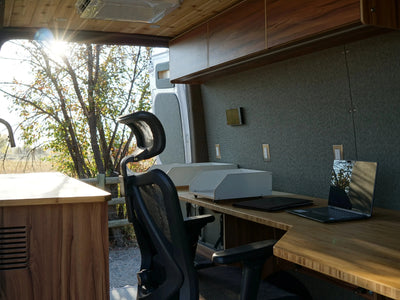
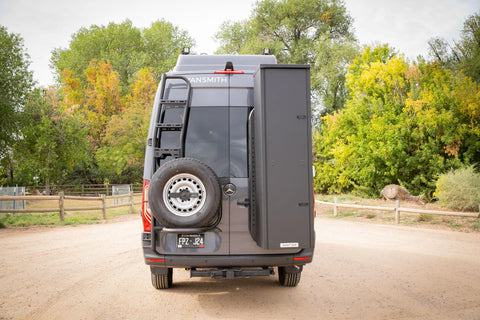
Condensation is one of the most common problems van owners notice after a cold night. Moisture from breathing, cooking, and wet gear can collect on windows, walls, and ceilings. At The Vansmith, we consider ventilation, insulation, and heating together when planning comfortable interiors.
If you are also comparing available models, explore The Vansmith's Camper van for sale selection. Knowing how to prevent condensation inside a camper van helps protect the interior and keeps the space comfortable in every season.
What Causes Condensation Inside a Camper Van?
Condensation forms when warm, moist air touches a cold surface. The air cools, and water vapor turns into droplets. Metal walls, windows, and roof panels are common places for this to happen.
Several daily activities add moisture to a small cabin.
Breathing and Sleeping Inside the Van
Every person releases moisture through breathing and perspiration. During sleep, this moisture builds up in the cabin, especially when airflow is limited.
Two people sleeping in a closed van can leave noticeable water on windows by morning. The areas around beds and cold wall panels also need attention.
Cooking and Boiling Water
Cooking adds water vapor to the air. Boiling water, simmering food, and washing dishes all raise indoor humidity.
Run the roof exhaust fan while cooking. Use pot lids where possible and allow humid air to escape before it spreads through the cabin.
Showering and Daily Activities
Hot showers release moisture into the air. Washing dishes and cleaning wet surfaces add to the problem.
If your van has an indoor shower, use an exhaust fan during and after use. Wipe down wet walls and floors before closing the space.
Wet Clothes, Shoes, and Equipment
Wet jackets, towels, boots, and outdoor gear release moisture as they dry. This is common after skiing, biking, and hiking in Colorado.
Keep wet equipment outside the main living area when possible. If you must store it inside, use a ventilated storage space.
Poor Ventilation and Temperature Differences
Limited airflow allows moisture to remain inside. At the same time, cold outdoor temperatures cool the van's metal structure.
When warm indoor air reaches these cold surfaces, condensation forms. This is why ventilation and insulation must work together.
How to Prevent Condensation Inside a Camper Van
The best approach combines three things: steady airflow, controlled indoor temperatures, and less moisture from daily activities.
Maximize Ventilation and Airflow
Ventilation moves humid air outside and brings fresh air into the cabin.
- Run a roof exhaust fan: Use a powered fan to remove humid air. A low setting can help maintain airflow overnight.
- Ventilate while cooking and showering: Run the fan and open a window slightly.
- Keep air moving overnight: Maintain a suitable fresh-air opening and use a quiet fan setting.
- Create cross-ventilation: Pair an exhaust fan with an open window or passive vent.
A roof fan also helps remove cooking odors and excess heat. The Vansmith offers professional roof ventilation installation for Sprinter and Transit vans.
Owners researching a Ford van conversion can review the available Ford Transit platform options. Fan placement, airflow, and power use all matter when selecting a suitable system.
You can also explore Ford Transit for sale options from The Vansmith.
Manage Heat and Insulation
Insulation helps keep interior surfaces warmer. This reduces the temperature difference between indoor air and the van's metal structure.
Consider these measures:
- Install suitable thermal insulation: Cover the roof, walls, and floor with materials suited to the vehicle and climate.
- Use dry-heat sources: A properly installed fuel-fired heater with an exterior exhaust provides cabin heat without releasing combustion moisture into the living space.
- Fit insulated window covers: These reduce heat loss through glass and help keep window surfaces warmer.
- Address cold spots: Check exposed metal ribs, mounting points, and gaps around interior panels.
The Vansmith's camper van insulation guide explains material choices, thermal bridging, and moisture management. Insulation must work with ventilation to provide lasting comfort.
Control Daily Moisture at the Source
Small habits can make a noticeable difference.
- Dry wet gear outside or in a separate drying area.
- Wipe water from windows and hard surfaces each morning.
- Keep wet towels away from mattresses and upholstery.
- Use lids while cooking.
- Avoid drying large amounts of laundry inside the cabin.
- Check storage spaces for dampness.
Moisture absorbers can support these habits, but they cannot replace proper ventilation.
Best Products for Preventing Camper Van Condensation
The right equipment makes moisture control easier. However, each product has a different purpose. Start with ventilation and insulation, then add smaller tools to monitor indoor conditions.
Roof Ventilation Fans
A roof fan is one of the most useful tools for removing humid air. Look for adjustable speeds, quiet operation, low power use, and suitable rain protection.
Reversible fans offer another benefit. They can exhaust humid air or bring fresh air inside, depending on conditions.
Portable Dehumidifiers
Electric dehumidifiers can lower indoor humidity. Compact models work best when you have access to shore power or enough battery capacity.
Check their power requirements before using them off-grid. Also consider where collected water will go.
Digital Hygrometers
A digital hygrometer measures indoor humidity and temperature. Place one near the sleeping area and check it in the morning.
It helps you understand when ventilation needs to increase. It also makes it easier to compare indoor conditions across different seasons.
Insulated Window Covers
Window covers reduce heat loss through glass. Choose covers that fit closely around the edges and remove them during the day when possible.
The Vansmith stocks insulated window covers and other van accessories for different travel needs.
For owners considering a Sprinter van conversion, compare available layouts and platform options from The Vansmith.
Moisture Absorbers
Moisture absorbers collect water vapor and can help in cabinets or small storage spaces. Keep liquid collection containers secure to prevent spills.
They work best as an additional measure rather than the main answer to high indoor humidity.
Thermal Insulation Materials
Common options include wool, synthetic insulation, and closed-cell foam. Each has different properties for moisture control, weight, and installation.
The right choice depends on the vehicle, climate, and available space. Review the van insulation material guide before choosing a material.
How Does Condensation Affect a Camper Van Over Time?
Repeated moisture exposure can damage several parts of the interior. The effects may remain hidden until odors, stains, or material damage appear.
Mold and Mildew Growth
Persistent dampness can encourage mold and mildew behind panels, under mattresses, and inside cabinets. Regular checks help catch moisture early.
Corrosion of Metal Components
Water trapped against metal can cause corrosion. Check door frames, floor edges, exposed metal ribs, and hidden cavities.
Damage to Wooden Cabinets and Interior Panels
Wood can absorb moisture from the air. Repeated exposure may cause swelling, surface damage, and changes in panel shape.
This is especially important around sinks, wet storage areas, and exterior wall panels.
Unpleasant Odors and Poor Indoor Air Quality
Damp fabrics and hidden moisture can create musty odors. Fresh air circulation and regular cleaning help keep the cabin comfortable.
Damage to Mattresses and Upholstery
Mattresses can trap moisture against cold surfaces. Lift them regularly and allow air to circulate underneath.
Check cushions and upholstery after wet trips, especially when several people sleep inside the van.
How to Prevent Condensation in a Camper Van During Winter
Winter needs extra attention because cold temperatures make windows and metal surfaces colder. At the same time, owners often close vents to retain heat.
Here is how to keep moisture out of RV in winter while maintaining a comfortable cabin.
Maintain Proper Ventilation in Cold Weather
Keep a roof vent running at a low speed when conditions allow. A slightly open window can also support fresh air intake.
Even in freezing weather, some airflow is necessary. Closing every opening can trap moisture inside.
Use Effective Heating and Insulation
Maintain a steady indoor temperature rather than allowing the cabin to become very cold overnight.
Use a properly installed cabin heater with a safe exterior exhaust. Good insulation also helps reduce cold spots around walls, floors, and windows.
For more details, read The Vansmith's four-season camper van guide. It covers insulation, heating, and moisture management for cold-weather travel.
Control Moisture From Cooking and Breathing
Run an exhaust fan while preparing meals. Keep lids on pots and avoid unnecessary boiling.
Before sleeping, remove wet towels and clothing. Maintain airflow through the cabin overnight.
Install Insulated Window Coverings
Use insulated window covers during cold nights. They reduce heat loss and help limit moisture on glass.
Remove or open them during the day when possible. This allows the windows to dry.
Check for Moisture Accumulation Every Morning
Make a quick inspection part of your morning routine.
Check these areas:
- Window corners and glass
- Ceiling edges
- Areas behind window covers
- Mattress undersides
- Cabinet corners
- Floor edges near exterior doors
Wipe away visible water and allow damp areas to dry before closing the van.
For a wider cold-weather checklist, see our guide to camper van winter preparation.
For travel beyond paved roads, browse The Vansmith's 4x4 rv for sale selection or explore a Sprinter camper for sale.
Common Mistakes to Avoid When Managing Camper Van Condensation
Some habits can make moisture problems worse, even when they seem helpful.
Completely Sealing the Van Overnight
Closing every vent and window may retain heat, but it also traps humid air. Maintain a suitable path for fresh air.
Assuming Insulation Alone Prevents Condensation
Insulation helps keep surfaces warmer. However, it does not remove moisture from breathing, cooking, and showering.
You still need consistent ventilation.
Relying Entirely on Moisture Absorbers
Small absorbers have limited capacity. They cannot handle all the moisture produced by people in a small cabin.
Use them as a supporting measure, not your main moisture control system.
Drying Wet Clothes Inside the Van
Wet clothes release moisture as they dry. Whenever possible, use an outdoor drying area or a separate space with suitable ventilation.
Ignoring Hidden Moisture Behind Cabinets
Water can collect in areas that are difficult to see. Check corners, panel edges, and spaces around plumbing.
If a damp smell keeps returning, investigate the source rather than covering the odor.
Blocking Ventilation Openings During Winter
Blocking vents to retain heat can increase indoor humidity. Keep the intended airflow path clear and use your heating system to maintain comfort.
Using Unvented Combustion Heaters Without Proper Safety Measures
Never use outdoor camping stoves, grills, or fuel-burning portable heaters inside an enclosed van.
Fuel-burning appliances can produce carbon monoxide. Use only heating equipment approved for indoor use, follow its installation instructions, and maintain a working carbon monoxide alarm.
For additional support with van upgrades, see The Vansmith's Installations & Repairs services and Customize Your Van options.
FAQs About Camper Van Condensation
What can I use for my trailer not to get too much moisture?
Start with a roof exhaust fan, insulated window covers, and a digital hygrometer. You can also use moisture absorbers in cabinets and storage areas.
For larger moisture problems, improve ventilation rather than relying only on absorbent products.
Should RV vents be open or closed during winter storage?
Keep suitable roof vents open if they have weather protection and the manufacturer's instructions allow it. This helps air circulate and reduces trapped moisture.
Also, protect openings from rain, snow, pests, and debris. Check the van regularly during long storage periods.
Will DampRid freeze in the winter?
DampRid contains calcium chloride, which absorbs moisture and forms a liquid solution. In freezing conditions, collected liquid may freeze or form ice crystals.
Check the product condition and manufacturer's guidance before using it in very cold storage areas.
How to stop condensation in RV during winter?
Use a combination of ventilation, steady heating, proper insulation, and insulated window covers. Wipe windows every morning and keep wet clothing outside the sleeping area whenever possible.
When should you throw away DampRid?
For disposable DampRid containers, replace the unit when the active crystals have dissolved. For refillable models, empty the collected liquid and add fresh crystals according to the manufacturer's instructions.
About the author

Eugene Smit
CEO
Eugene is the CEO of The Vansmith, based in Boulder, Colorado. He writes across topics related to van builds, ownership, and the camper van industry.
Read more about Eugene