Van conversion installs are usually worth doing professionally when they involve electrical, fuel-burning, structural, or body-cutting work. That’s where the biggest gaps show up later, not in looks, but in safety, insurance, service access, and long-term reliability. A careful DIY builder can still get good results, but only with strong documentation, OEM-aware planning, and a clear sense of which jobs carry real risk. For a lot of owners, the sweet spot is a hybrid build, where you handle the simple pieces and bring in a shop for the systems that matter most.
What van conversion installs really change
A van build stops being just furniture pretty fast. Once you add sleeping, cooking, plumbing, electrical, or fuel-burning gear, the project starts to overlap with the same safety concerns covered in RVIA adopted standards. That matters because a camper van is no longer acting like a plain cargo shell.
RVIA also ties professional RV production to recognized frameworks like NFPA 1192 and ANSI A119.5. In plain terms, pro builders tend to work inside a more formal safety world from the start. A home builder can use the same parts, but that alone does not place the van inside that same process.
There’s another layer here. In RVIA’s definition of an RV, the vehicle is meant for temporary recreation, camping, travel, or seasonal use, not full-time housing. That intended use shapes how conversions are designed, described, and later insured.
Mercedes-Benz makes the installer’s role clear in its Upfitter Portal. If you modify a Sprinter, responsibility shifts to the person or shop doing the work. The current, model-specific guidance is not generic, and that’s a big reason many owners lean on a shop when the build starts touching core vehicle systems.
If you’re still sorting out your path, it helps to look at how our process treats the van as a full system, not a pile of parts. That mindset is often the real divide between pro work and a rushed garage build.
How professional and DIY builds enter different compliance worlds
Professional van installs usually begin with known standards. RVIA points to NFPA 1192, the ANSI/RVIA low-voltage DC standard, and the National Electrical Code as part of the baseline its members follow. That gives pro work a defined frame before the first hole is drilled.
A diy van conversion can still be clean, smart, and well made. What it does not get automatically is RVIA inspection or member oversight just because the owner used RV-style gear. That missing third-party review is a major process gap.
RVIA notes that its members are inspected for compliance with adopted standards. A one-off owner build may have no outside review at all. So the real split is less about creativity and more about discipline, records, and inspection-minded work.
Mercedes-Benz says modifications must not hurt vehicle function or safety. That means the installer carries the burden of proving the change works with the van, not against it. This is why many owners keep cosmetic pieces DIY, then hire out system work through services like customize your van.
Why intended use and classification matter
Intended use sounds abstract until you try to insure the van. RVIA centers its RV definition on temporary travel and seasonal use, which helps explain why permanent living features matter so much in classification talks. A bed platform tossed in for the weekend is not the same thing as a documented conversion.
Progressive’s DIY campervan insurance guide says a converted van may qualify for RV coverage if it has permanently installed features like a bed, cooking equipment, and storage. It also notes that some converted vans may be treated as a Class B motorhome, depending on the insurer and the setup. That can change what paperwork and proof you need.
A staged DIY build can leave you in a gray area for a while. The van is no longer stock, but it may not be clearly documented as an RV either. Pro installers usually hand over a cleaner paper trail, which makes those later conversations easier.
That’s one reason many buyers start with a more defined path, like Foundation builds, instead of adding random systems over time. Better records now tend to mean fewer headaches later.
Safety outcomes: where DIY and professional installs diverge most
 This is where the stakes get real. The U.S. Fire Administration warns about propane leaks, generator hazards, carbon monoxide, overloaded outlets, and blocked exits in RVs. Those are not rare edge cases. They map straight onto common camper van choices.
USFA also recommends that a trained technician inspect the RV at least once a year. That tells you something important. Safe results depend on inspection and upkeep, not just getting through install day.
Mercedes-Benz says modifications must not compromise occupant safety, handling, or system reliability. So even a job that seems simple, like adding a fan, heater, or extra battery, can have bigger consequences if the hidden details are sloppy.
In our experience, DIY builds often look good on the surface. The trouble tends to hide behind panels, under floors, and inside cabinets. Unsupported cable runs, rough penetrations, and hard-to-reach shutoffs are the things that come back to bite people.
For families, this hits even harder. A layout that works for kids and gear still needs clear exits and dependable systems, which is why pages like family van conversions focus on livability and safety together.
Electrical and fire risk in a finished camper van
Electrical work is one of the clearest examples of why professional van installs often pay off. RVIA’s standards include both the National Electrical Code and an ANSI/RVIA DC standard. Even low-voltage van systems belong in a serious electrical safety conversation.
USFA specifically warns against overloaded electrical outlets in RVs. That matters when owners start adding inverters, shore power, heaters, induction cooking, or air conditioning without a realistic load plan. A system can seem fine in the driveway and still fail under real use.
Ford gives a useful real-world example in its supported power features for newer E-Transit models. OEM power can run tools, electronics, and camping gear, but Ford also warns that some devices have startup demands above what the system can support. Available power and usable power are not always the same thing.
That’s where DIY builders often get tripped up. They size a setup around steady-state wattage and miss surge loads. The result can be nuisance shutdowns, overheated circuits, charger conflicts, or gear that technically fits but won’t run well in the field.
If your plans include battery upgrades, solar, or troubleshooting weird power behavior, it helps to bring in a shop that works on these systems every week. That’s a big part of what The Vansmith handles through van build resources and install services tied to real-world travel use.
Propane, carbon monoxide, and emergency egress
Fuel-burning gear raises the risk fast. USFA names propane systems and carbon monoxide as core RV safety concerns, which means heaters, stoves, and ventilation setups deserve more respect than many first-time builders expect. A detector alone is not the whole answer.
Blocked egress is another issue people overlook. Bed platforms, cabinet faces, and gear bins can turn a normal door or window into a bad exit path. A professional layout usually solves that conflict before the walls and cabinets are finished.
Mercedes-Benz guidance also supports a careful approach around doors, openings, pillars, and body cuts. Preserving vehicle safety and function matters when you’re cutting for windows or routing vent hardware. One bad choice there can affect sealing, fit, and escape access all at once.
This is one reason owners often hire out windows, vent fans, and heaters even if they plan a partly DIY interior. If you’re thinking about those upgrades, The Vansmith’s contact page is a simple place to start the conversation.
OEM engineering limits that affect van upgrades
 Modern vans are engineered platforms, not blank boxes. Mercedes-Benz has a full Upfitter Portal because changes to the body, electronics, mounting points, and accessory loads can affect how the van works. The manufacturer does not treat modifications like a casual add-on.
The Sprinter Body and Equipment Guideline puts responsibility for safety and reliability on the upfitter. That’s a big deal. It means every roof cut, wall opening, wire run, and bracket choice should be judged against the base vehicle, not just the part being added.
This gets especially important with roof penetrations, seat mounts, wiring integration, suspension changes, and heavy accessories. A pro installer is more likely to use model-specific guidance and repeatable methods. A DIY builder may be working from broad internet advice that does not match the exact van.
Ignoring OEM limits can lead to leaks, corrosion, poor service access, drivability issues, and fights over what caused a later problem. If you’re building on a Sprinter or Transit, it helps to start with a platform-specific path like Sprinter conversions or Transit conversions.
Structural changes and body penetrations
Body cuts are where confidence and skill can part ways fast. The Mercedes-Benz BEG is written for body and equipment changes because cutting into a modern van has structural and corrosion effects beyond simple fit and finish. You only get one first cut.
Roof fans, windows, flares, ladders, awnings, and roof racks all ask the installer to manage sealing, attachment, and body compatibility. Professional installers usually have repeatable methods for edge treatment, sealant choice, and reinforcement where needed. DIY builders often learn on the van they’re trying to protect.
The hard part is that bad work may not show up right away. Leaks, wind noise, corrosion, and service headaches often appear months later, after insulation and wall panels hide the source. That delayed failure is what makes these installs feel fine at first and expensive later.
Those are exactly the kinds of upgrades that reward precision. It’s also why The Vansmith’s service scope around windows, fans, awnings, roof racks, and flares fits so well with partial builds and rescue projects.
Electrical integration and supported vehicle features
OEM power features can be useful, but they are not magic. Ford describes Pro Power Onboard as a way to run tools, electronics, and camping loads from supported vehicles, including the 2022-and-newer E-Transit. It’s a handy feature, but it still has limits.
Ford also warns that some devices need more startup power than the system can deliver. That’s a strong reminder that load planning should begin with actual source capability, not a wish list of appliances. One thing a lot of builders overlook is how often startup surge is the real problem.
Professional installers are more likely to document those load assumptions and avoid unsupported workarounds. DIY builders who miss the power limits may end up adding extra batteries, inverters, or portable fixes to patch a system that was mismatched from the start.
The best setup is not always the most complex one. It’s the one that stays inside OEM-supported limits and fits how you really travel.
Insurance, documentation, and resale after the build
Good work still needs good records. Progressive says insurers may ask for photos, receipts, and disclosure of modifications when reviewing a DIY campervan for coverage. So build quality alone is not enough if you can’t show what was installed.
Progressive also explains that a converted van may qualify for RV coverage based on its permanent features and the insurer’s rules. That means documentation becomes part of the ownership package, not just a folder you forget in the garage.
Professional van installs usually produce cleaner records for major systems and purchased parts. That can help with underwriting now and claims later. It also helps the next owner understand what they are buying.
A lot of resale trust comes from legibility. Buyers want to know what was cut, wired, mounted, and permanently added. If you’re building in stages, keep every receipt and photo from day one, even if you start with something simple from the DIY blog.
What insurers want to see in a converted van
Progressive points to permanently installed features as part of what may qualify a van for RV insurance treatment. Examples include a bed, cooking equipment, and storage. Loose camping bins and a cooler do not tell the same story as a documented conversion.
Photos and receipts matter because they show both existence and value. Disclosure matters too. If electrical, fuel, or structural changes are not clearly described, later questions can get messy.
A professional installer’s invoice trail can help a lot here. It becomes part of the van’s ownership record, especially for battery systems, heaters, windows, roof accessories, and other high-value upgrades. That’s useful even if the build was partly DIY.
For owners taking a phased route, this is one of the best habits you can build. Document each stage like someone else will need to understand it later, because someday they probably will.
Why documentation affects resale and serviceability
A future buyer or service tech will care less about whether the interior looks cozy and more about what was changed underneath. They want to know what was cut, mounted, wired, and permanently installed. That’s what affects trust.
OEM upfitter guidance exists in part because modifications can affect function and reliability. Undocumented changes create uncertainty for later owners and for anyone trying to service the van. Even a nice-looking build can feel risky if the records are thin.
Receipts, install notes, and system descriptions help establish value. Professional installs tend to create a more readable service history, especially when upgrades were added over time. DIY vans can still resell well, but the burden of proof is usually higher.
In practical terms, good records narrow the trust gap between a one-off diy van conversion and a professionally installed build. That matters at sale time, and it matters every time the van needs work.
When DIY makes sense and when professional van installs pay off
Looking across RVIA, Mercedes-Benz, Progressive, Ford, and USFA, the balanced answer is pretty clear. DIY can work, but the risk climbs fast when the job touches safety-critical or vehicle-integrated systems. The best choice is less about pride and more about risk management.
DIY makes the most sense when you follow OEM guidance, keep strong records, and stay inside work you can truly design, inspect, and maintain. A phased approach can be smart. It lets you learn how you travel before you commit to permanent systems.
Professional installs tend to pay off fastest on heaters, electrical systems, roof and wall penetrations, seat mounting, suspension-related upgrades, and anything tied to emergency safety or reliability. That’s where a mistake is hardest to undo. Big difference.
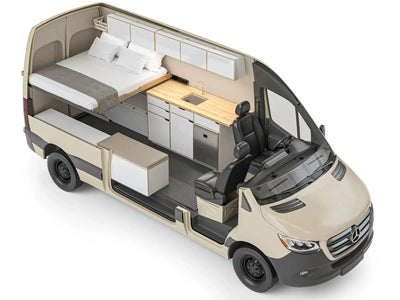
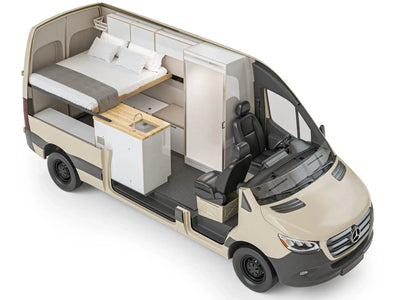
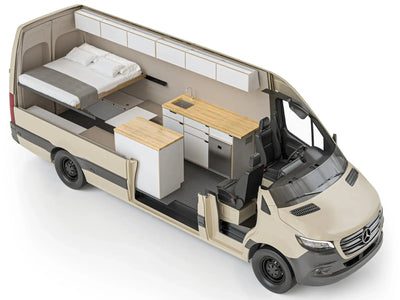
For many owners, the sweet spot is a hybrid build. You handle removable or cosmetic pieces, while a shop takes care of the systems with the biggest safety, insurance, and service consequences. That lines up well with The Vansmith’s install scope and with custom-ready layouts like the DUO XL or Family XL.
Good candidates for DIY or modular installs
Some upgrades are lower risk by nature. Removable storage, soft goods, portable cooking, and non-permanent organization gear usually create fewer insurance and classification issues than hard-wired or fuel-fed systems. They also let you test your habits before locking in a layout.
A modular start can be a smart move. You get to learn where you want gear, how often you cook inside, and whether you really need more built-ins. That can save money and keep you from overbuilding too soon.
Even in a DIY-friendly phase, keep receipts and photos from day one. Also review OEM guidance before you drill, cut, or add roof weight, because that’s the point where a low-risk project can change fast.
For many people, partial solutions are the best bridge. They let your van grow with your travel style instead of forcing an all-or-nothing choice on day one.
Installs most owners should hire out
Most owners should hire out fuel-burning heaters and propane-related work. USFA treats both fire risk and carbon monoxide as core RV hazards, and for good reason. These systems need more than a clean install. They need a safe overall layout.
Electrical systems with charging, inverters, shore power, or high-demand loads are also strong candidates for pro work or at least pro review. RVIA standards and OEM guidance both treat them as safety-critical. The same goes for windows, vent fans, flares, roof racks, and awnings, because all of them involve body penetrations and long-term weather sealing.
Seat installs and any change that affects occupant restraint or structure belong in the high-consequence category too. If a failure could cause fire, leaks, carbon monoxide exposure, blocked egress, or a hard-to-trace reliability issue, that is usually the line where pro work pays for itself.
For owners who want custom results without carrying all the technical risk alone, professional van installs are often the most efficient path. You still get a van that fits your travel style, but with fewer guesses built into the systems you depend on most.
FAQ
Are van conversion installs better done by a professional or DIY?
It depends on the system, but the strongest case for pro work is in electrical, fuel-burning, structural, and body-penetration installs. RVIA ties professional RV manufacturing to standards such as NFPA 1192, ANSI/RVIA DC standards, and the National Electrical Code. Mercedes-Benz also makes the modifier responsible for safety and compatibility after changes are made. DIY can still work, but the burden on the owner is much higher.
Can a DIY van conversion still qualify for RV insurance?
Yes, sometimes. Progressive says a DIY campervan may qualify for RV coverage if it has permanently installed features, and insurers may ask for photos, receipts, and full disclosure of modifications. Some converted vans may also be treated as a Class B motorhome, depending on the insurer and the setup. Good records make that process much easier.
What van upgrades are riskiest to install yourself?
The highest-risk upgrades are usually heaters, propane-related systems, electrical systems, and anything that requires cutting into the roof or body. USFA specifically warns about propane, carbon monoxide, overloaded outlets, and blocked egress. Mercedes-Benz guidance also treats modifications as a safety and reliability responsibility. Those are not great places to wing it.
Does professional installation help with resale?
Often, yes. Professional work tends to come with cleaner invoices, parts records, and clearer system history, which helps buyers understand what was done. Progressive emphasizes receipts, photos, and disclosure for insurance, and those same records help a future buyer feel more confident. Trust is a big part of resale.
Can OEM power features replace a custom camper electrical system?
Sometimes for lighter use, but not by default. Ford says supported OEM power features can run tools, electronics, and camping gear on certain vehicles like newer E-Transit models, but some equipment has startup demands above what the system can support. So load planning still matters. A simple setup can work well, but only if it matches your real use.