Camper van mistakes usually start before you buy, and the biggest one is picking a van before you define how you'll really use it. That mismatch can show up in your layout, your budget, your seat count, and even the kind of trips you end up taking. A van that looks great online can still feel cramped, awkward, or costly once you start driving, working, cooking, and sleeping in it for real. Slow the process down, test your assumptions, and you'll avoid most of the regret that catches first-time buyers.
The biggest camper van mistakes start before you shop
 Most first-time buyers think the search starts with budget, brand, or a dream floor plan. In practice, Progressive's RV buying guide says your use case should come first, because how you camp and travel should drive size, features, and budget.
That sounds simple, but it's easy to skip. A van can look perfect on a lot or in a listing, yet still be wrong for the way you move through a trip. Winnebago's owner advice warns that buying the wrong RV often leads to an early trade and a financial loss, which makes poor fit one of the costliest mistakes you can make.
A lot of shoppers are new to this. RVIA reports that 46% of new RV buyers are first-time buyers, so many people enter the market without a solid frame for matching a rig to real travel habits. That helps explain why so many choices get made on vibe first and function second.
The same RVIA data adds useful context. About 84% of new buyers plan to use their RV for camping, 49% for road trips, and 40% for remote work. That means a van that works well while driving, parking, setting up fast, and powering a laptop often matters more than one that only feels good once you're fully camped.
Photos don't tell you all that much. Progressive recommends researching online and in person, because floor plans and storage tend to feel very different when you stand inside them, open doors, and picture a rainy morning with gear on the floor. If you're still sorting out platform and layout priorities, browsing Sprinter conversions and Transit conversions can help you compare real use patterns instead of just looks.
Match the van to your real travel style
Your best layout depends on what your trips actually look like. Weekend travel, long road trips, family outings, and remote work all push the van in different ways, and Progressive says intended use should guide what type of RV you buy.
Let's say you're a couple that mostly drives two to four hours, camps two nights, and spends most of the day outside. In that case, easy gear access and a simple sleep setup may matter more than a big indoor lounge. That's one reason many buyers gravitate toward a focused couples layout like the DUO XL instead of chasing extra features they won't use much.
Owner conversations help here. Winnebago recommends talking with current owners because real use tends to reveal friction points that don't show up in a showroom, like awkward bed conversion, tight storage, or seating that only works on paper.
Some buyers also overbuild the inside because they imagine spending all day in the van. RVIA says 19% of new buyers were driven by the chance to spend more time outdoors, which suggests many people may value indoor features more than their actual trips justify. Worth a pause.
Remote work changes the list too. RVIA says 17% of new buyers were motivated by the flexibility to work from anywhere, so power, seated comfort, lighting, and a usable work spot can matter more than decorative upgrades. If that's your plan, it helps to think through systems early and start with a clear path like Customize your van.
One thing a lot of builders overlook is buying too much van too soon. Winnebago is direct about this. The wrong rig for your needs and budget often creates fast regret, especially if you bought for rare guest scenarios instead of your normal routine.
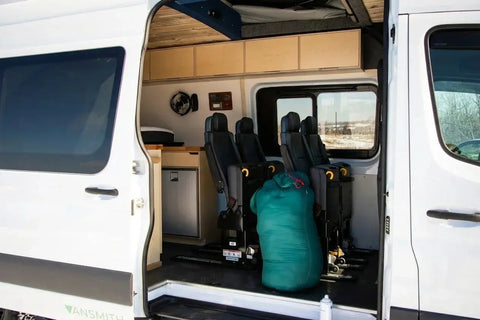
For Vansmith readers, this is where layout discipline matters most. Solo travelers, couples, and families should all look hard at seating, storage, and daily flow before they commit to a full build. If your trips include kids, dogs, or extra passengers, the right starting point may be a purpose-built option from the family van collection rather than a layout designed around two adults.
Why first-time buyers are especially vulnerable to regret
Because 46% of new RV buyers are first-timers, a big share of the market is making these calls without prior ownership experience. That raises the odds of unrealistic assumptions about space, setup time, storage, and how the van will feel after a few long driving days.
RVIA also says 54% of new buyers are under age 45. That group often blends travel, outdoor fun, and remote work, which can create conflicting needs if you don't rank them early. A van can't be optimized for every use at once.
Another trap is expecting instant perfection. Winnebago says new owners should expect a shakedown period, which means even a new purchase may need small fixes, adjustments, or troubleshooting after the first trips. That's normal, but it feels less stressful when you expect it.
Buyers sometimes assume a camper van will behave like a brand-new passenger car. Winnebago's guidance pushes back on that idea and says RV ownership comes with a learning curve. Systems, storage habits, and camp routines take time to dial in.
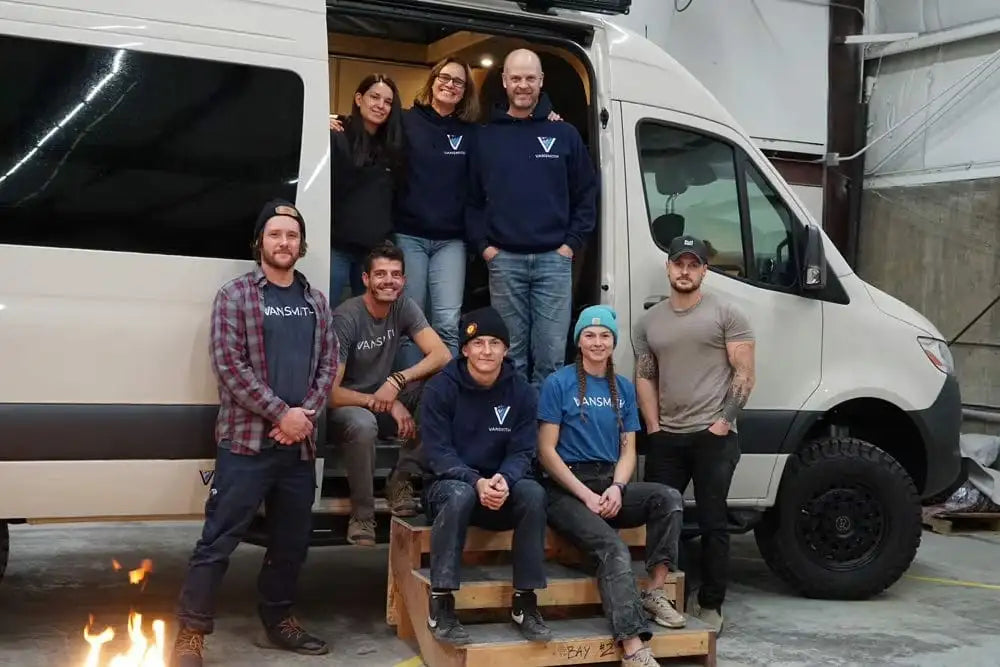
Hands-on shopping helps first-timers catch blind spots. Progressive recommends visiting dealerships and walking through models in person, because many buyers don't know what to ask until they open cabinets, sit on the bed, or try moving around the cabin. If you're comparing build paths, The Vansmith's process is useful because it centers the real use case before the fun finish choices.
That framing matters. Regret usually isn't bad luck. It's a preventable mismatch between excitement and reality, and first-time buyers are the most likely to fall into it if they rush.
Budget mistakes: the purchase price is only the beginning
 Sticker price gets all the attention, but it isn't the full story. Winnebago's first-RV guide says buyers should budget for maintenance, fuel, insurance, storage, campground fees, and travel costs, not just the purchase itself.
Progressive gives similar advice and says to build your budget before you shop. That's important because a van that seems affordable on paper can feel very different once recurring costs land every month and every trip.
A lot of regret starts with a narrow budget view. Winnebago cautions against focusing only on monthly payment or sticker price, because the full cost of ownership is what decides whether you can actually use the van often and enjoy it.
There's also a second layer of risk. If you buy the wrong rig and trade out early, Winnebago warns you may lose money twice, once on the buy and again on the exit. That's why the cheapest-looking option can become the expensive one.
Timing can play a role too. Progressive notes that buyers may find better deals during slower periods instead of shopping only when demand is peaking. Even a smart buy, though, can turn sour if the van still needs seating changes, battery upgrades, heater work, suspension help, or better storage after purchase. That's where services like Foundation builds and targeted upgrades can matter more than a flashy starting spec.
The hidden ownership costs buyers miss
Maintenance belongs in the budget from day one. Winnebago calls it out directly, and that's especially true for camper vans because you're dealing with both vehicle systems and house systems in one package.
Fuel is another one buyers tend to underestimate. Winnebago says to include it up front, which makes sense if your dream use is long road trips instead of short local weekends. A van you can afford to buy but hesitate to drive isn't a great fit.
Insurance needs attention before you commit. Progressive includes insurance in its recommended budget process, and getting quotes early can save you from surprise costs after you've already fallen in love with a specific van.
Storage can be a real line item too. Winnebago includes storage in its ongoing cost list, and that matters if you can't keep the van at home. Add campground fees and general travel costs, and the purchase price starts to look like just one piece of the total picture.
Underbudgeting tends to create downstream compromises. Buyers delay fixes, skip upgrades, or live with systems that make the van harder to use. In our experience, the right van is the one you can afford to use often, not just the one you can technically bring home.
Paperwork, warranties, and dealer add-ons that create regret
Paperwork mistakes don't feel dramatic in the moment, but they can sting later. The FTC's used-vehicle buying advice says buyers should get all promises in writing, because verbal assurances are hard to rely on once the deal is done.
The FTC also warns that a vehicle history report does not replace an independent inspection. That's a big one for used camper van buyers. A clean report can create false confidence if the roof, seals, wiring, or appliances still have hidden issues.
Some used vehicles are sold as is, which generally means the dealer does not have to pay for repairs after the sale. Buyers also need to read service contracts and warranty terms carefully so they know what is covered, for how long, and under what conditions.
Dealer add-ons deserve a close look too. The FTC says extras can raise the final price well beyond the advertised number, and not every line item is required just because it appears on the paperwork. First-time buyers often feel rushed here, and that's when regret sneaks in.
The FTC also notes that most recreational vehicles are not covered by the used-car Buyer's Guide display rule. So if you're shopping a used camper van, don't assume you'll get the same disclosures you may expect from a normal used-car lot. Read slowly. Ask questions. Get it in writing.
Floor plan regrets are really lifestyle regrets
 Some of the most common camper van mistakes show up as floor plan regret, but the deeper issue is lifestyle mismatch. Progressive recommends renting before buying so you can test whether a layout and setup process actually fit your routine.
That same used-RV guidance from Progressive suggests renting a similar unit before purchase. It's one of the clearest ways to avoid buying a van that photographs well but lives poorly. A showroom can show finishes. It can't show daily friction.
Winnebago's owner advice keeps coming back to the same point. You need to know how you plan to use the RV, because that shapes bed setup, gear storage, cooking needs, and how flexible the interior should be.
More sleeping spots are not always better. If extra beds eat into storage, seating, or walkway space, they can create more frustration than value. RVIA's mix of road trips, camping, and remote work points toward multi-use interiors for many buyers, not single-purpose ones.
One of the priciest mistakes is paying for features you rarely use while living with annoyances every day. Awkward gear access, constant bed conversion, and poor work seating wear on you fast. That's why tailored paths like vans for couples or a custom family layout tend to age better than one-size-fits-all plans.
Why renting or testing first prevents first camper van mistakes
Progressive says renting before buying can help you decide what type of RV works for you. That's valuable because it turns abstract preferences into real observations. You stop guessing and start noticing.
Even a short rental can reveal a lot. You may learn that a fixed bed matters more than a big galley, or that you'd trade indoor cooking space for better storage and a simpler setup. Those lessons are hard to get from a spec sheet.
Progressive also recommends renting a similar used unit to test the floor plan, driving feel, and setup routine. One or two nights is often enough to expose friction points like bathroom access at night, seat comfort on a long drive, or how annoying it feels to move gear just to make the bed.
Winnebago's owner advice supports the same idea from another angle. Experienced owners learn what matters through use, which is why test experiences are so helpful for first-timers. This is one of the few mistakes you can prevent cheaply before purchase instead of fixing expensively after.
Common layout mismatches buyers discover too late
Mismatch usually starts when buyers pick a van before they define trip style, passenger count, and feature priorities. Progressive's buying advice points right at that problem. The wrong order leads to the wrong layout.
Winnebago warns that buying the wrong RV for your needs often leads to dissatisfaction and early trade-in losses. Family buyers run into this when they shop by sleeping capacity alone instead of asking how many people can actually ride, eat, and store gear in comfort.
Remote workers hit a different version of the same issue. A pretty interior can still fail if there isn't a practical seated work spot, enough power, or enough separation between living and work tasks. RVIA's work-from-anywhere data makes that a real priority for many 2026 buyers.
Couples often overbuy for occasional guests. Then they end up with a larger or more complex layout than their normal routine needs. If your travel is mostly two people, a focused layout often beats a max-capacity one.
Aesthetics can also hide daily friction. Buyers get drawn to finishes and overlook things like moving gear every morning, converting the bed every night, or reworking seating each day. If you're still sorting those tradeoffs, the ideas in The Vansmith's van build blog can help you think through real-life flow instead of just style.
Used-van inspection mistakes can become the most expensive regrets
Used vans can be great buys, but skipped inspection steps are where some of the worst regrets start. Progressive recommends a pre-purchase inspection by a certified RV inspector when buying used, which makes this one of the clearest avoidable mistakes in the whole process.
Its used-RV guidance says buyers should inspect the roof, seals, walls, floors, plumbing, electrical systems, tires, and appliances. That's a broad list for a reason. Camper vans hide a lot of cost in the places you don't stare at during a quick walk-through.
The FTC adds an important warning here too. A vehicle history report is not a substitute for an independent inspection, and an as-is sale can leave you paying for repairs right away. Paperwork matters, but it doesn't tell you whether the conversion systems are healthy.
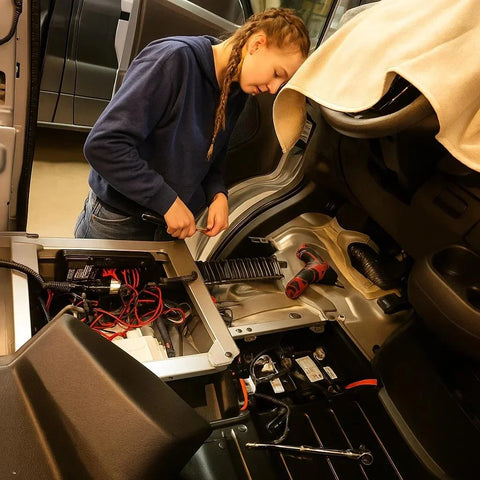
Progressive also recommends checking the title, VIN, and maintenance records before buying used. Those details can be just as costly as mechanical problems if something doesn't line up. For buyers starting with a used base van and improving it over time, this is often where later service work like electrical troubleshooting, battery upgrades, heater service, windows, or seat installs begins.
What to inspect on a used camper van
Start at the top. Progressive says to examine the roof and seals carefully, because neglected sealing can let water in and that damage often spreads beyond the visible spot. Water is sneaky like that.
Walls and floors matter just as much. Progressive highlights signs like soft spots, staining, and other water-damage clues. Those can point to bigger hidden problems under finished surfaces.
Plumbing should be tested, not assumed. The same goes for electrical systems, especially in a camper van where house power runs lights, charging, refrigeration, and often remote-work gear. If those systems are weak, your daily use suffers fast.
Tires belong on the list because replacement cost can hit right after purchase if age or wear is poor. Appliances should also be checked one by one instead of accepted as "working." A fridge, heater, or cook setup that fails early can erase a good deal in a hurry.
Before money changes hands, review the title, VIN, and maintenance records too. Progressive includes all three. And if you already own a van that needs cleanup after purchase, service-focused help like upgrades, troubleshooting, and install work often starts with a simple conversation through Contact us.
Why paperwork and inspection shortcuts fail buyers
The FTC says vehicle history reports can miss problems, so they should never replace an independent inspection. That's especially true with camper vans, where the chassis may be fine while the house systems tell a very different story.
Written promises matter too. If a seller says the seals were redone, the appliances were serviced, or the electrical system was upgraded, the FTC says to get those promises in writing. Otherwise you're left with a memory and a problem.
If the van is sold as is, you may have little help if defects show up later. Progressive's advice to use a certified RV inspector matters because camper vans combine chassis, electrical, plumbing, and appliance systems that most buyers don't know how to assess well on their own.
A clean title and matching VIN still don't confirm the condition of the conversion itself. Buyers who rush because a van "won't last long" are often the same buyers who skip the steps both Progressive and the FTC say are essential. Inspection isn't pessimism. It's cheap risk control.
Safety, seating, and expectation mistakes buyers overlook
Safety gets less attention than finishes, but it should be near the top of your filter. NHTSA says seat belts are the best defense against impaired, aggressive, and distracted drivers, which makes proper belted travel positions a core buying question.
One common mistake is assuming sleeping capacity equals travel capacity. It doesn't. The more useful question is how many properly belted seats the van has for the people who will actually ride in it.
Winnebago's shakedown-period advice belongs here too. Buyers should expect adjustment, troubleshooting, and learning after purchase instead of expecting instant perfection. That mindset cuts down on false alarm regret.
Progressive includes license requirements in its buying checklist, which is another reminder to confirm operation details before purchase, not after. More broadly, safety should be judged around travel use, not just campsite comfort, especially for families and anyone bringing guests.
For Vansmith readers, this is where thoughtful layouts and pro seat installation can prevent both safety compromises and post-purchase disappointment. If you're planning to travel with kids or more than two people, start with belted seating as a hard filter, then build the rest around it. The same logic applies if you're considering future add-ons like pop-tops, since most mid-roof buyers eventually want more room while high roof remains the clear favorite for everyday comfort.
Sleeping capacity is not the same as safe travel capacity
NHTSA's message is simple. Seat belts save lives, so buyers should verify the number and placement of proper belted seating positions before they focus on how many people can sleep in the van.
A bed platform or lounge may look family-friendly once parked, but that does not automatically make it safe passenger seating on the road. This catches a lot of buyers because marketing tends to highlight sleep setups more than travel positions.
Family buyers should look hard at child travel logistics, seat-belt access, and daily ride comfort. If someone will ride in the van while it's moving, they need a proper seat belt every time. That's the clean rule.
This point connects directly to layout planning. Buyers traveling with more than two people should make belted seating a first-pass filter, not an afterthought they hope to solve later with compromises.
Expect a shakedown period, not instant perfection
Winnebago says buyers should expect a shakedown period after purchase. Some issues or adjustments only show up after a few trips, once you start using the systems in real conditions and not just during a handoff.
That expectation matters because first-time buyers often assume a new RV will behave like a new passenger car. Winnebago says that's unrealistic. A camper van has more systems, more habits to learn, and more small workflow choices that shape the experience.
A better mindset is to treat early trips as learning trips. That doesn't excuse major mistakes like buying the wrong layout or skipping inspection, but it does normalize small tweaks and post-purchase upgrades once your real needs become clear.
Progressive's advice to research in person and rent first supports that view. You learn setup, systems, and daily flow before you own. And once you do own, follow-up changes are common, which is why many people come back for practical updates after the first few outings. Honest expectations make for better buys.
FAQ
What are the most common camper van mistakes first-time buyers make?
The most common camper van mistakes are buying before you define how the van will be used, underestimating total ownership cost, skipping a rental or test trip, and failing to get an independent inspection on a used van. Both Progressive and Winnebago stress use-case planning and full-budget planning before purchase. Most regret comes from mismatch, not bad luck.
Is renting a camper van before buying really worth it?
Yes. Progressive specifically recommends renting before buying so you can test the floor plan, driving feel, and setup routine in real conditions. Even a short trip can show whether you want a fixed bed, more storage, or a better work setup. That's cheap insight compared with changing layouts after you buy.
What should I inspect when buying a used camper van?
Progressive recommends checking the roof, seals, walls, floors, plumbing, electrical systems, tires, appliances, title, VIN, and maintenance records. It also recommends a pre-purchase inspection by a certified RV inspector. The FTC adds that a vehicle history report is not a substitute for an independent inspection, so don't stop at paperwork.
Do I need to worry about seat belts if the van sleeps four?
Yes. Sleeping capacity and safe travel capacity are not the same thing, and NHTSA says seat belts are the best defense in a crash. Every passenger riding in the van needs a proper belted seating position. A bed or bench that works while parked does not automatically count as safe travel seating.
Why do so many first-time camper van buyers regret their purchase?
A big reason is expectation mismatch. RVIA says 46% of new RV buyers are first-time buyers, and Winnebago notes that new owners should expect a shakedown period instead of a friction-free experience from day one. Buyers who slow down, test layouts, and plan around real use usually avoid the worst regrets.