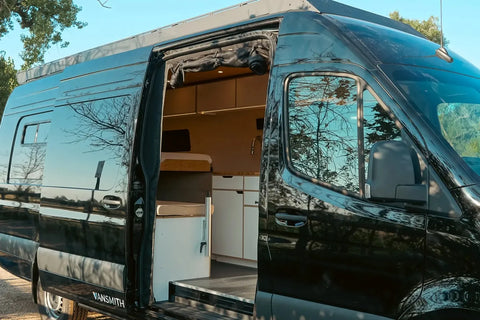
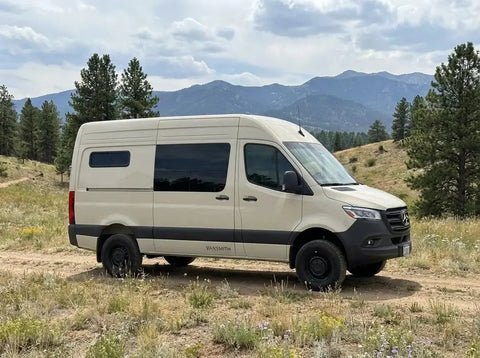
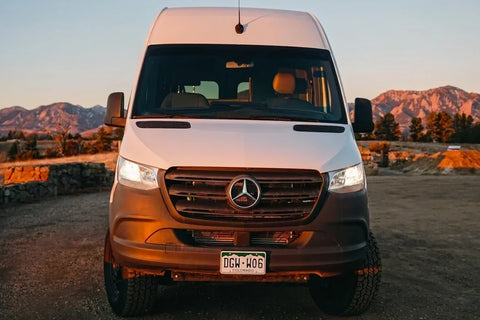
TL;DR: Colorado's average elevation of about 6,800 feet, combined with mountain terrain that climbs from roughly 7,860 to 14,259 feet in Rocky Mountain National Park alone, means weather and temperature can shift fast within a single trip. A true four-season camper van needs solid insulation, reliable heating, and freeze-protected plumbing to stay warm and functional overnight at altitude. On the road, Colorado's traction law requires AWD or 4WD, or tires with at least 3/16-inch tread depth and winter-rated markings, and chain law can require chains or an approved alternate traction device regardless of drivetrain. Together, these factors mean a Colorado camper van has to work as a warm, capable shelter on wheels, not just a vehicle built for mild summer camping.
A Colorado camper van needs true four-season capability because trips can jump from dry town roads to snowy mountain passes in a single day. A build that feels great in July can feel damp, underpowered, or cold by late fall at a trailhead. In Colorado, the best vans work as shelters first and vehicles second.
Why Colorado creates a true four-season van use case
 Colorado is shaped by height and terrain. According to the Colorado Climate Center, the state averages about 6,800 feet in elevation, and its climate is driven by high ground, mountain ranges, and an inland location.
Rocky Mountain National Park alone spans about 7,860 to 14,259 feet, based on the National Park Service. You can leave town in a hoodie and end the day in real alpine cold. That jump happens fast, and your van has to keep up.
Colorado is a good match for four-season vans. Ski weekends, shoulder-season trail access, powder trips, and dark early starts all feel easier when your van is a warm basecamp. If you're exploring Sprinter conversions or planning a custom setup, geography should drive the build as much as the floorplan does.
Elevation changes how a camper van feels and performs
High elevation changes the whole feel of a van trip. The air is thinner, the sun hits harder, and day-to-night swings tend to be larger than in lower states. So thermal comfort is not just about the daytime forecast.
In places like Rocky Mountain National Park, recreation quickly climbs well above town elevation. That elevation swing supports sizing your heat, insulation, and power systems for alpine use, not campground averages. It doesn't need to be extreme. It does need to be dependable.
One thing a lot of builders overlook is where they sleep, not just where they start. You may spend the day in milder weather, then park much higher at sunset. A van that can warm up fast and hold that heat through the night feels very different from one that leaks warmth through the floor and glass.
Colorado's inland climate changes quickly, with less moderation than coastal regions. If you're shaping your own build, pages like Customize your van and Our process are helpful because layout, insulation, and daily use all need to work together.
Layout matters more at altitude than many buyers think. A real bed, insulated window coverings, and a warm seat where you can eat or wait out weather make the van feel like shelter, not just a cargo box with cabinets.
Snow and mountain weather are central, not occasional
Snow in Colorado is driven by topography and elevation, as the Climate Center explains on its snow overview. Winter conditions are not spread out evenly. You can leave dry Front Range pavement and hit slick mountain roads the same day.
That matters because snow affects more than the view outside. It changes route access, tire needs, heat demand, and how much moisture you drag into the van on boots, gloves, and jackets. For a Colorado camper van, snow is part of the design brief.
Shoulder season is the sneaky part. A trip planned for hiking or a quiet fall camp can still need winter-ready systems by nightfall. We've found that many owners don't want a blizzard rig, they just want a van that still works when the weather turns.
Colorado's appeal is this range. Plains, foothills, ski towns, and alpine zones all sit within easy reach. A van built only for warm weather leaves a big part of that travel window unused, which is why so many readers end up browsing the van build blog or looking at Foundation builds with winter use in mind.
The four-season systems that matter most in Colorado vans
The core cold-weather priorities are pretty clear. The RV Industry Association points to insulation, heating, freeze protection, and realistic fuel and energy planning. That framework fits Colorado van design well.
A four-season van is not just a van with a heater bolted in. Plumbing, floors, ventilation, and battery planning all matter. Colorado's dry air doesn't erase condensation either. Breathing, cooking, and wet gear still put moisture into a small sealed space.
That means system integration matters more than any single upgrade. Insulation without airflow can trap damp air. Heat without freeze protection can still leave water lines at risk. Big batteries without a winter charging plan can come up short on cold, low-sun trips.
Practical service work matters here. The Vansmith works on heater installs, battery upgrades, water tank planning, more solar, window coverings, and winterization. If you're early in the process, the DIY blog can help you sort what matters before you lock in a layout.
Insulation, heating, and floor design for cold nights
RVIA's winter guidance puts insulation and heating right at the top. Good insulation slows heat loss so your heater isn't working overtime all night.
A useful example comes from the Winnebago Revel feature set, which highlights premium insulation, honeycomb flooring, hydronic heat, and fresh-water freeze protection. The point is not that every van needs the same package. The point is that serious cold-weather vans treat insulation, heat, floor design, and plumbing protection as core parts of comfort.
Heat retention is a big deal here. You can build warmth after sunset, then lose it quickly through weak floors, walls, and windows. A winter-ready van works like layers in a ski kit. Insulation slows the loss and the heater restores comfort, while the floor keeps the van from feeling cold-soaked underfoot.
In our experience, this is one place where owners feel the difference right away. A quality heater matters most when you're parked high, it's dark by 5 p.m., and the van is your shelter for the next twelve hours. If that sounds like your use case, heater work and platform-specific planning on Transit conversions or Sprinter builds are worth a close look.
Freeze protection, plumbing, and moisture control
Water systems are often the first thing people underestimate. RVIA warns that winter use raises freezing risks, which makes protected plumbing and cold-weather planning essential. A van can feel warm inside while hidden water lines sit in a much colder zone.
As with the Revel example above, four-season vans don't assume that winter use will be rare or mild. They plan for plumbing vulnerability from the start.
Moisture is the other half of the story. Snow-covered gear, wet boots, and normal breathing add a lot of humidity inside a small van. So a four-season van should not be sealed shut and forgotten. It needs controlled airflow to keep bedding, walls, and gear drier over several days.
Shoulder-season trips can still bring freeze risk even when town feels mild, which is why winterization, water tank choices, and cold-weather troubleshooting matter for Colorado use, especially for couples eyeing a cozy van for couples or families comparing a family van conversion.
Colorado camper van road readiness starts with traction and control
 Four-season comfort is only part of the picture. Colorado mountain travel also asks whether your van can reach the places you want to go with confidence. Road readiness belongs in the same conversation as heat and insulation.
The Colorado traction and chain law page spells this out clearly, and it comes down to two separate rules:
- Traction law: passenger vehicles need AWD or 4WD, or tires with at least 3/16-inch tread depth plus qualifying winter-related markings or ratings.
- Chain law: every vehicle must carry chains or an approved alternate traction device when the law is activated, regardless of drivetrain.
AWD alone does not satisfy chain law on its own.
The Colorado DMV mountain driving guide also warns about steep grades, fast weather changes, rocks, and wildlife. So a winter-capable van has to be controllable, not just cozy inside. Tires, braking confidence, drivetrain choice, and storage for traction gear all matter.
This is where mountain-ready upgrades make sense in a very practical way. Suspension work, wheel and tire upgrades, and smart storage planning can support safer travel on Sprinter and Transit platforms. A luxury interior doesn't make a true four-season van if the road to camp is the weak link.
What Colorado traction and chain laws mean for van buyers
For buyers, tire choice can matter just as much as drivetrain. Colorado's traction law allows AWD or 4WD, but it also allows qualifying tires with at least 3/16-inch tread depth and the right winter-related designation. The badge on the rear door is only part of the story.
Chain law is even more direct. When it is activated, all vehicles need chains or an approved alternate traction device. There is no free pass just because the van has AWD. Plan storage and access for traction gear before winter trips start.
This matters most on ski corridors and mountain passes, where a trip can hinge on legal road readiness. A four-season van should include tire planning, chain storage, and a realistic traction strategy. False confidence is expensive. Good prep is calmer.
If you're sorting through layouts, don't forget where that gear lives. A smart build leaves room for chains, recovery items, and wet layers without burying them under your bed platform or kitchen kit.
Mountain driving changes how you plan a build
Steep grades are just part of Colorado driving. That supports choosing a van setup that stays composed on long climbs and descents, not one tuned only for flat highway cruising. Balanced builds tend to feel better here.
The DMV also points to changing weather, wildlife, and rocks. That makes visibility, stable handling, and easy gear access more important than they might be in easier regions. You don't want to unload half the van on a windy roadside just to reach gloves, food, or chains.
Road delays can stretch a short drive into a long one, and interior livability becomes part of the travel plan. Heat, a place to sit, and quick access to dry layers can make a weather stop feel manageable instead of miserable, whether you stop early, wait out a storm, or spend longer than planned at a trailhead. The road to the mountains is part of the use case, not just the part before camp.
Winter van builds need energy and layout choices that match short, cold trips
Cold weather changes energy planning fast. RVIA notes that winter use raises heating loads, increases freeze risks, and calls for realistic fuel and power expectations. In Colorado, that gets sharper because many trips pair cold nights with shorter winter daylight.
That means winter autonomy is not just about staying off-grid for a week. It's also about staying comfortable during a storm delay, a trailhead overnight, or a shoulder-season weekend that turns colder than expected. A van should be usable in winter, not just survivable.
Cold-weather-focused RVs show how these vans are built as linked systems, where insulation, heating, and protected water systems work together. The same logic applies to battery upgrades, secondary alternator options, more solar, and window coverings in custom builds.
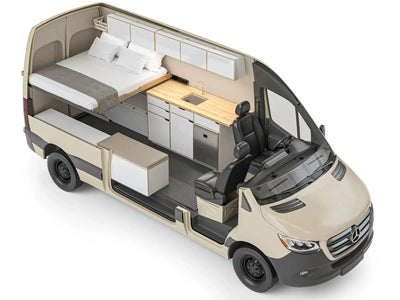
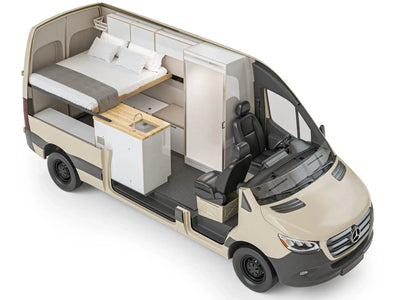
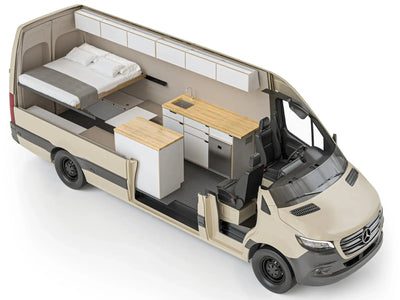
Layout matters too because people spend more waking time inside in winter. If you're comparing floorplans, models like the DUO XL layout or Family XL layout make more sense when you picture cooking, drying gear, and relaxing indoors after dark.
Cold weather changes power and fuel planning
Winter camping leans harder on active systems. RVIA advises owners to plan carefully for heating fuel and power use because cold trips raise demand. Fans, lights, electronics, and comfort gear all start to feel less optional on a freezing night. For travelers planning extended winter trips, four-season camper vans are designed to provide greater comfort and functionality across changing weather conditions.
Energy margins can get tight in Colorado, since colder nights increase the need for heat and ventilation just as daylight for recharging shrinks. A winter-ready van needs an energy strategy, not just a large battery bank.
Charging sources, heater type, and expected trip length all need to line up. A one-night ski trip can turn into a longer stay if roads slow down or weather closes in. Conservative planning tends to pay off here, especially for remote workers or adventure couples who need reliable power in low-sun months.
We'd skip the hype about endless off-grid freedom. What matters more is dependable winter autonomy sized to how you really travel. That's usually the smarter build.
Why interior layout matters more in winter
Winter makes you use every inch of the van. It becomes your living room, mudroom, drying room, and bedroom at the same time. So circulation and storage matter more than they do on a bluebird summer trip.
Mountain conditions can force early stops or longer waits, so easy seating, quick meal prep, and fast access to warm layers help the van stay calm when the day goes sideways.
Wet gear adds both clutter and moisture. A winter-capable layout should leave room to manage boots, jackets, and snow without turning the bed into a gear pile. For couples and families, winter livability often comes down to whether the van still feels usable after dark, when most activity moves inside.
Thoughtful cabinetry, durable materials, and simple zones make the difference here. A well-planned van feels less chaotic in rough weather. That's a big part of what makes Colorado travel rewarding all year.
How Colorado travel culture makes four-season vans especially rewarding
A van built for Colorado bridges the gap between town comfort and alpine conditions, so a trip doesn't hinge on a hotel room or a perfect forecast. That's what a strong four-season build really buys you: spontaneous winter weekends, shoulder-season overnights, and quiet trailhead mornings that would otherwise be off the table.
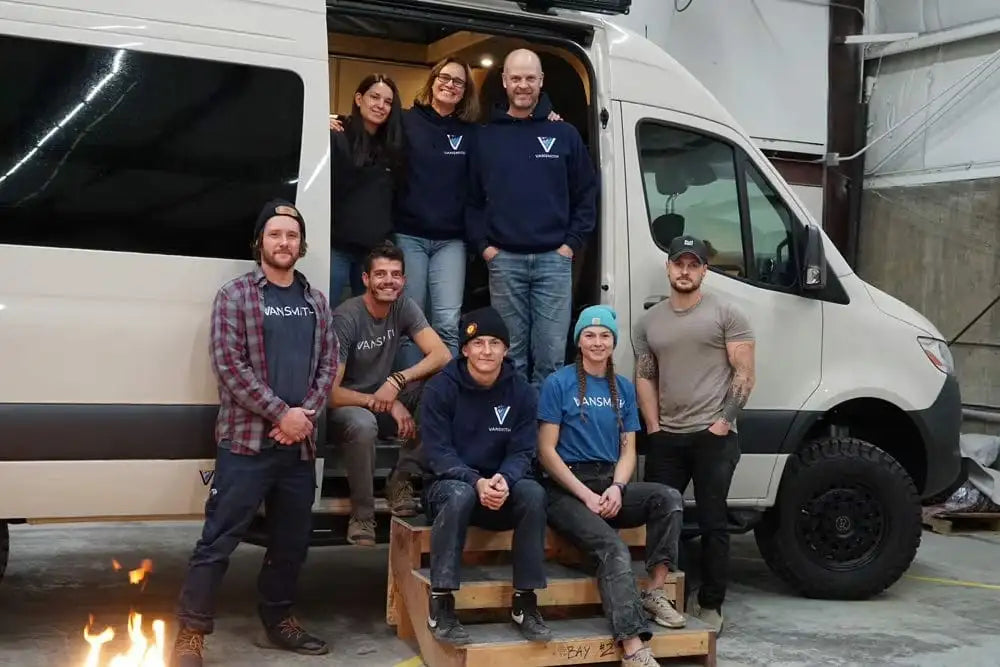
Boulder-based builders tend to understand this rhythm firsthand. That's part of why custom Sprinter and Transit builds, heater installs, suspension upgrades, and winter-ready layouts make so much sense locally. If you're ready to talk through your own use case, contact The Vansmith and start with how you actually travel.
From weekend ski trips to shoulder-season trailheads
Colorado travel often starts early and ends cold. Overnight trailhead parking, dawn starts, and post-activity warm-up time all matter more when elevation and weather are part of the routine. Sleep near the trailhead, wake up warm, make breakfast inside, and head out without hotel timing or extra driving. That's a very Colorado kind of freedom, and some of the best van moments here happen in the margins of the season.
What this means for buyers choosing Colorado vans
A credible four-season van shows integrated thinking across heat, insulation, moisture control, traction planning, and energy use, not just a pretty interior. The Revel example above shows those priorities in practice. You don't need to copy that exact van. You do want to understand the logic behind it.
For most Vansmith buyers, the best fit stays centered on Sprinter and Transit platforms built for mountain travel and comfort all year. Not every owner needs the same level of winterization, but nearly every Colorado-based buyer benefits from better insulation, heating, and traction planning than a summer-only build provides. And for roof choice, the pattern is clear, about 90% of Vansmith customers pick a high roof because standing room matters in cold weather, while many mid-roof buyers later add one of the available pop-tops.
The final takeaway is simple. In Colorado, four-season capability is less about chasing extremes and more about building a van that feels dependable every month of the year. That's what turns a camper van into a mobile alpine basecamp.
FAQ
What makes a Colorado camper van different from a summer-only van?
A Colorado camper van has to handle high elevation, snow, and fast weather swings, not just mild campground nights. Colorado averages about 6,800 feet, and mountain recreation often reaches roughly 7,860 to 14,259 feet, so insulation, heating, moisture control, and traction readiness matter more here. A summer-only van may feel fine in warm weather but struggle once you sleep high and cold. That's the real difference.
Do you really need AWD or 4WD for Colorado winter van travel?
Not always, but you do need to meet Colorado's winter traction rules. Under the traction law, passenger vehicles need AWD or 4WD, or qualifying tires with at least 3/16-inch tread depth and the right winter-related markings or ratings. Under chain law, all vehicles need chains or an approved alternate traction device when required. So drivetrain helps, but tires and prep still matter a lot.
Why is insulation so important in winter van builds?
Insulation matters because Colorado's elevation and inland climate create bigger day-night swings. Heat you build after sunset can disappear fast in a poorly insulated van. Good insulation works with active heating and floor design to make the van hold warmth longer and feel less cold-soaked. That makes winter nights much more comfortable.
Can a four-season van still have plumbing in Colorado winters?
Yes, but the water system needs freeze protection and realistic winter planning. Cold weather can put tanks and lines at risk even if the cabin feels warm enough. That's why protected plumbing, smart tank placement, and winterization planning are such a big part of Colorado van use. Plumbing can work well in winter, but it can't be an afterthought.
Are Colorado vans worth it if you do not camp in deep winter?
Usually yes, because Colorado's shoulder seasons can feel like winter at altitude even when lower elevations are mild. Better insulation, heat, and road readiness help on cold trailhead nights, late fall weekends, and spring mountain trips too. You don't need to chase blizzards to benefit from a four-season build. In most cases, you just want a van that stays comfortable when the forecast shifts.
About the author

Eugene Smit
CEO
Eugene is the CEO of The Vansmith, based in Boulder, Colorado. He writes across topics related to van builds, ownership, and the camper van industry.
Read more about Eugene