Owning a Class B camper van gives you the freedom to travel while enjoying many of the comforts of home. Whether you're planning weekend getaways, extended road trips, or seasonal adventures, protecting your investment with the right insurance is just as important as regular maintenance. Unlike a standard passenger vehicle, a Class B camper van combines an automotive chassis with permanently installed living amenities, making insurance requirements more specialized.
The right policy depends on how your camper van is registered, whether it is professionally built or converted, how you use it, and the value of its installed equipment. Understanding these requirements before purchasing coverage can help prevent unexpected gaps in protection.
Whether you're exploring a Class B camper van or already own one, this guide explains the most common insurance requirements, optional coverages, and practical tips for choosing a policy that fits your travel lifestyle.
Why Class B Camper Van Insurance Is Different
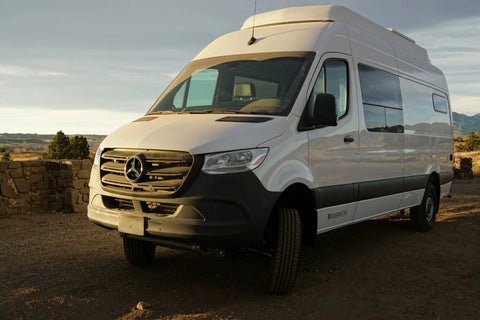
A Class B camper van functions as both a vehicle and a living space. While standard auto insurance typically protects the vehicle itself, it may not provide adequate coverage for permanently installed camper systems, personal belongings, or custom upgrades.
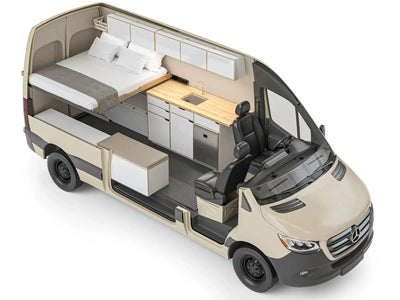
Specialized RV insurance is designed to address these additional needs. Depending on your policy, it can protect your camper van's chassis, interior living space, built-in equipment, and certain liabilities that arise while the vehicle is parked and being used as temporary accommodation.
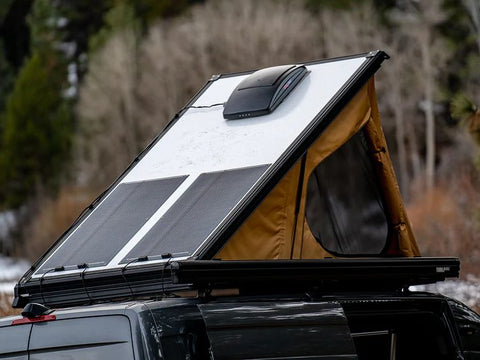
If your camper van includes upgrades such as a professionally installed solar power system, permanent cabinetry, or one of The Vansmith's van conversions with showers, it's important to verify that these features are included in your coverage.
Common Insurance Requirements for a Class B Camper Van
Vehicle Registration and Title
Insurance companies generally require your camper van to be legally titled and registered before issuing a policy.
Factory-built Class B camper vans are commonly registered as motorhomes or recreational vehicles. Converted vans, however, may be titled as cargo vans, passenger vans, or motorhomes depending on state DMV requirements.
If you've completed a professional or personal conversion, your insurer may request documentation showing the vehicle qualifies as a motorhome under state regulations.
Valid Driver's License
Most Class B camper vans can be operated with a standard driver's license in the United States. Because these vehicles are typically well below commercial weight limits, a special license usually isn't required.
Drivers should still review licensing requirements in the state where the vehicle is registered, especially if local regulations differ.
Vehicle Identification Number (VIN)
The Vehicle Identification Number (VIN) helps insurance companies verify:
- Vehicle make and model
- Model year
- Factory-installed safety equipment
- Vehicle history
- Previous claims
- Estimated value
Providing accurate VIN information helps insurers prepare an appropriate policy and determine available coverage.
Documentation for Converted Vans
If your camper van has been professionally or personally converted, your insurance provider may request supporting documentation.
Commonly requested items include:
- Interior photographs
- Exterior photographs
- Equipment receipts
- Conversion invoices
- Appliance documentation
- Solar installation records
- Battery specifications
- Professional appraisals for higher-value builds
Owners of professionally crafted Sprinter van conversions or Ford Transit van conversions should keep these records in a safe place to simplify future claims.
Does Your Camper Van Qualify for RV Insurance?
Insurance providers often evaluate whether a converted van meets their definition of a recreational vehicle.
Features That May Help Qualify
Many insurers look for permanently installed features such as:
- Sleeping accommodations
- Cooking facilities
- Refrigeration
- Fresh water system
- Sink
- Permanent electrical system
- Heating or air conditioning
Requirements vary by insurer, but these features demonstrate that the vehicle is designed for recreational living rather than cargo transport.
For buyers considering a professionally built camper van for sale, these integrated amenities often make the insurance process more straightforward.
Required Insurance Coverage
Liability Insurance
Every state requires drivers to carry minimum liability insurance.
Liability coverage generally helps pay for:
- Bodily injury to other people
- Property damage you cause
Although minimum coverage satisfies legal requirements, many camper van owners select higher limits for greater financial protection.
Comprehensive Coverage
Comprehensive coverage helps protect your camper van against losses caused by events other than collisions.
Common examples include:
- Theft
- Fire
- Hail
- Flooding
- Falling objects
- Vandalism
- Animal collisions
If your camper van is financed, lenders generally require comprehensive coverage until the loan has been repaid.
Collision Coverage
Collision coverage helps pay for repairs if your camper van is damaged in an accident involving another vehicle or an object.
Like comprehensive coverage, collision insurance is typically required by lenders when financing a vehicle.
Buyers comparing financing options can estimate ownership costs using The Vansmith's RV loan calculator.
Optional Coverage Worth Considering
Personal Belongings Coverage
Many camper van owners travel with valuable equipment that isn't fully protected under standard auto insurance.
This coverage may help protect:
- Laptops
- Cameras
- Camping equipment
- Clothing
- Bicycles
- Outdoor gear
- Kitchen supplies
Review your policy limits carefully if you frequently travel with expensive items.
Permanent Equipment Coverage
One of the most valuable parts of a camper van is its permanently installed equipment.
Depending on your build, this may include:
- Solar panels
- Lithium batteries
- Inverters
- Roof racks
- Refrigerators
- Water systems
- Heating systems
- Cabinetry
If these upgrades aren't specifically included, your insurer may only cover the value of the original vehicle rather than the completed camper van.
Vacation Liability
Vacation liability provides protection if someone is injured while visiting your camper van when it's parked and being used as a temporary living space.
This coverage functions differently from vehicle liability and may be especially valuable for travelers who spend significant time at campgrounds.
Emergency Expense Coverage
Some RV policies reimburse expenses if your camper van becomes unusable during a trip due to a covered event.
Covered expenses may include:
- Hotel accommodations
- Meals
- Transportation
- Temporary lodging
Roadside Assistance
Because Class B camper vans are larger and heavier than standard passenger vehicles, RV-specific roadside assistance can be beneficial.
Look for coverage that includes:
- Heavy-duty towing
- Flat tire assistance
- Battery service
- Fuel delivery
- Lockout assistance
Full-Time Camper Van Insurance
If you live in your camper van for much of the year, standard recreational coverage may not provide sufficient protection.
Full-time RV insurance is designed for owners who use their camper van as a primary residence and often includes additional liability protections similar to those found in homeowners insurance.
Discuss your travel habits honestly with your insurer to ensure your policy accurately reflects how the vehicle is used.
Factors That Affect Insurance Costs
Several factors influence the cost of Class B camper van insurance.
Driver Profile
Insurance providers often consider:
- Age
- Driving experience
- Claims history
- Driving record
Vehicle Value
The replacement value of your camper van has a significant impact on premiums.
Premium luxury camper vans with advanced features typically cost more to insure because repair and replacement expenses are higher.
Annual Mileage
Higher annual mileage generally increases exposure to risk and may result in higher premiums.
Storage Location
Keeping your camper van in a secure garage or monitored storage facility may reduce certain risks.
Modifications
Permanent upgrades such as electrical systems, roof accessories, plumbing, and suspension improvements should be disclosed to your insurance company.
Owners who have completed Sprinter or Transit suspension upgrades should ensure these modifications are reflected in their policy.
Tips for Choosing the Right Insurance Policy
Before purchasing coverage, take time to compare more than just the annual premium.
Consider these best practices:
- Compare quotes from multiple insurance providers.
- Keep receipts for all upgrades and installations.
- Photograph your camper van inside and out.
- Review policy limits for personal belongings.
- Confirm that permanently installed equipment is covered.
- Understand deductibles and exclusions.
- Ask about roadside assistance and emergency expense coverage.
- Update your policy whenever you add major equipment.
If you're shopping for a new camper van, reviewing available camper vans for sale across the USA can also help you understand the types of features that may affect insurance costs.
Protect Your Camper Van with the Right Coverage
A Class B camper van represents more than a vehicle—it's your transportation, accommodation, and adventure base all in one. Choosing insurance that protects both the chassis and the living area helps safeguard your investment wherever your travels take you.
Understanding registration requirements, documenting installed equipment, and selecting coverage that matches how you use your camper van can provide valuable peace of mind. Whether you're planning occasional camping trips or extended road travel, reviewing your policy regularly ensures it continues to meet your needs as your camper van evolves.
Frequently Asked Questions
Do I need RV insurance for a Class B camper van?
In many cases, yes. Because a Class B camper van includes permanent living amenities, specialized RV insurance often provides more appropriate protection than a standard auto policy.
Is liability insurance required?
Yes. Every state requires minimum liability insurance to legally operate a vehicle on public roads, although coverage limits vary.
Does insurance cover custom camper van upgrades?
Many insurers can cover permanently installed upgrades such as solar panels, cabinetry, water systems, and electrical equipment, but these features may need to be documented or specifically listed on the policy.
Do I need different insurance if I live in my camper van?
If your camper van serves as your primary residence for much of the year, full-time RV insurance may provide broader protection than a recreational policy.
Can I reduce my insurance premium?
Maintaining a clean driving record, storing your camper van securely, choosing an appropriate deductible, and documenting installed safety features may help reduce insurance costs.