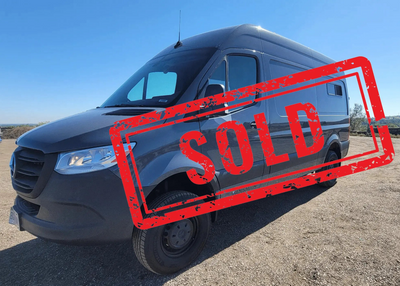
Class B camper vans have become one of the most popular ways to explore the country while maintaining the comforts of home. Combining compact drivability with modern amenities, these vehicles offer travelers the freedom to venture beyond traditional campgrounds. When paired with professional solar power systems for camper vans, they become even more capable, allowing extended off-grid adventures without relying on electrical hookups.
Whether you're considering a weekend getaway, a cross-country road trip, or full-time van life, understanding how solar power works in a camper van can help you choose the right setup. Many buyers exploring Class B camper vans prioritize solar capability because it provides greater flexibility and independence while traveling.
Why Solar Power Is Essential for Modern Camper Vans
Solar power allows camper vans to generate and store electricity directly from sunlight. Instead of depending solely on campground hookups or generators, travelers can use solar energy to power daily essentials such as:
-
Refrigerators
-
LED lighting
-
Water pumps
-
Roof ventilation fans
-
Laptops and tablets
-
Smartphones and cameras
-
Portable cooking appliances
For those who enjoy boondocking on public lands or camping in remote areas, solar power offers a quieter and more environmentally friendly alternative to generators.
How Solar Power Systems Work in Class B Camper Vans
A solar-equipped camper van typically includes several interconnected components that work together to create a reliable off-grid power system.
Solar Panels
Roof-mounted solar panels capture sunlight and convert it into electricity. Most Class B camper vans feature systems ranging from 170 watts to over 600 watts, depending on their intended use.
The amount of solar capacity needed depends on your travel style, energy consumption, and the climate in which you camp.
Lithium Battery Banks
Modern camper vans increasingly use lithium-ion batteries because they offer:
-
Faster charging
-
Longer lifespan
-
Greater usable capacity
-
Reduced weight
-
Better performance in varying conditions
The battery bank stores energy collected from solar panels so it can be used at night or during cloudy weather.
Charge Controllers
A solar charge controller regulates the electricity flowing from the panels into the batteries, helping maximize efficiency and protect battery health.
Inverters
An inverter converts stored DC battery power into standard household AC power, allowing travelers to run appliances and electronics just as they would at home.
Alternator Charging
Many premium camper vans include high-output alternators that recharge house batteries while driving. This secondary charging source significantly improves off-grid capability and reduces reliance on sunshine alone.
Benefits of Solar-Powered Class B Camper Vans
Extended Off-Grid Camping
Solar power enables travelers to spend more time away from crowded campgrounds and electrical hookups. This capability is especially valuable for those seeking remote destinations and outdoor adventures.
Quiet Operation
Unlike generators, solar systems operate silently. This creates a more peaceful camping experience and helps travelers enjoy nature without unnecessary noise.
Lower Long-Term Costs
Once installed, solar panels generate free electricity from the sun. Over time, this can reduce campground and fuel expenses associated with generator use.
Greater Travel Freedom
Many owners of luxury camper vans for sale choose solar-equipped models because they can enjoy premium amenities while remaining independent from traditional RV infrastructure.
Eco-Friendly Travel
Solar energy is a renewable resource that produces no direct emissions, making it one of the most sustainable ways to power a camper van.
Choosing the Right Solar Setup
Different travelers require different levels of power. The ideal solar system depends on how often you travel and what equipment you plan to use.
|
Travel Style |
Solar Capacity |
Battery Capacity |
|
Weekend Camping |
170W–300W |
100Ah–200Ah Lithium |
|
Frequent Travelers |
300W–500W |
200Ah–400Ah Lithium |
|
Remote Work & Digital Nomads |
400W–800W |
400Ah–600Ah Lithium |
|
Full-Time Van Life |
600W–1,000W+ |
600Ah–1,200Ah Lithium |
Those planning extended adventures often benefit from larger battery banks and expanded solar arrays.
Solar Power for Remote Work
The rise of remote work has increased demand for capable off-grid camper vans. Digital nomads often need enough power to support:
-
Laptops
-
Monitors
-
Mobile hotspots
-
Starlink systems
-
Camera equipment
-
Content creation tools
Many travelers looking at custom camper van conversions prioritize advanced electrical systems that can support a mobile office while maintaining comfortable living conditions.
Four-Season Solar Camping
Today's camper vans are capable of much more than summer road trips. Many feature:
-
Enhanced insulation
-
Heated water systems
-
Diesel-powered heaters
-
Advanced battery management systems
When paired with solar power, these features allow travelers to camp comfortably throughout the year. Buyers interested in rugged exploration often compare solar-equipped models with 4x4 RVs for sale because off-road capability and off-grid power frequently go hand in hand.
Features Found in Premium Solar-Powered Camper Vans
Modern Class B camper vans often include sophisticated energy systems that maximize efficiency and convenience.
Common features include:
-
Roof-mounted solar panels
-
Large lithium battery banks
-
Smart energy monitoring systems
-
Shore power charging
-
Alternator charging
-
Pure sine wave inverters
-
Touchscreen control panels
-
Generator-free operation
Together, these technologies create a highly capable off-grid travel platform.
Is Solar Power Enough for Full-Time Van Life?
For many travelers, the answer is yes.
A properly designed system can easily support:
-
Refrigeration
-
Interior lighting
-
Water pumps
-
Ventilation fans
-
Device charging
-
Internet connectivity
-
Basic kitchen appliances
However, high-demand appliances such as air conditioners require larger battery banks and more solar capacity. Travelers planning full-time living should carefully evaluate their daily energy needs before selecting a system.
What to Look for When Shopping for a Solar-Powered Camper Van
Battery Capacity
Battery storage often has a greater impact on off-grid performance than solar panel size alone.
Solar Panel Output
Higher solar wattage generally allows batteries to recharge more quickly.
Charging Flexibility
Look for systems that combine solar charging, alternator charging, and shore power charging.
Energy Monitoring
Modern monitoring systems help track energy production and consumption in real time.
Future Expandability
The ability to add more batteries or solar panels can be valuable as travel needs evolve.
Build Quality
A high-quality conversion ensures that electrical systems, insulation, and interior components work together efficiently. Buyers considering a premium build often explore professionally crafted camper van conversions designed specifically for long-term travel.
Are Solar-Powered Class B Camper Vans Worth It?
For travelers who enjoy freedom, flexibility, and off-grid adventures, solar power is one of the most valuable features available in a camper van.
It enables longer stays in remote locations, reduces reliance on campgrounds, and provides a quieter, more sustainable travel experience. Whether you're planning occasional weekend trips or full-time road life, a well-designed solar system can dramatically improve your camping experience.
Final Thoughts
Class B camper vans with solar power systems offer an ideal combination of comfort, mobility, and energy independence. By integrating solar panels, lithium battery storage, smart inverters, and alternator charging, these vehicles make it possible to travel farther and stay off-grid longer.
When evaluating your options, focus on the complete power system rather than solar wattage alone. Battery capacity, charging flexibility, and overall energy efficiency will ultimately determine how comfortably you can camp without hookups.
For travelers seeking the ultimate off-grid experience, a solar-equipped camper van can provide the freedom to explore on your own terms while enjoying the convenience of a self-contained mobile home.
About the author

Eugene Smit
CEO
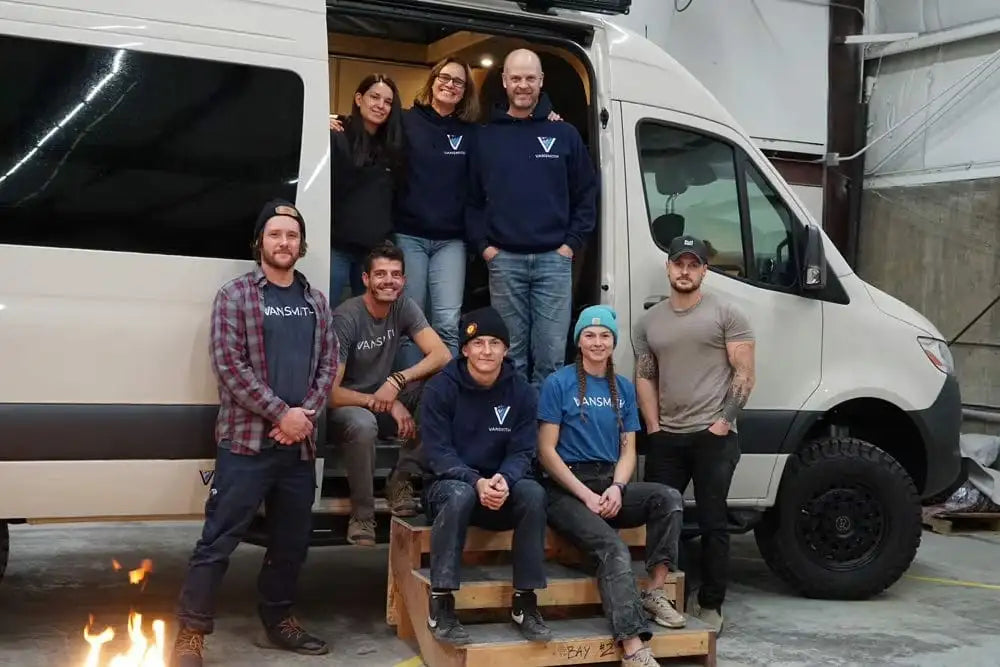
Eugene is the CEO of The Vansmith, based in Boulder, Colorado. He writes across topics related to van builds, ownership, and the camper van industry.
Read more about Eugene