Buying a Class B camper van is about more than choosing a vehicle—it's about creating a mobile home, office, and adventure basecamp that supports your lifestyle. For solo travelers, every square foot matters, and the right features can make the difference between feeling cramped and feeling completely free.
Whether you're planning weekend road trips, full-time van life, remote work adventures, or off-grid camping, prioritizing the right features will help you choose a camper van that remains comfortable and functional for years to come.
This guide covers the most important Class B camper van features to evaluate before making a purchase.
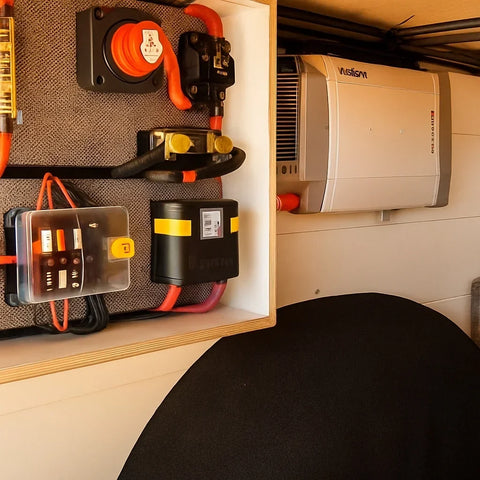
1. A Reliable Off-Grid Power System
One of the biggest advantages of owning a Class B camper van is the ability to camp far from crowded RV parks. To do that comfortably, you'll need a capable electrical system.
Lithium Battery Bank
Modern Class B camper vans increasingly use Lithium Iron Phosphate (LiFePO4) batteries instead of traditional AGM batteries.
Look for:
-
300Ah to 600Ah lithium battery capacity
-
Long battery lifespan
-
Faster charging capabilities
-
Higher usable energy storage
Lithium batteries allow you to run lights, appliances, laptops, and even air conditioning without constantly searching for hookups.
High-Output Secondary Alternator
Often referred to as an "under-hood generator," a secondary alternator charges your house batteries while driving.
Benefits include:
-
Rapid battery charging
-
Reduced dependence on shore power
-
Greater self-sufficiency during long trips
For travelers who move frequently between destinations, this feature can be more valuable than solar panels alone.
Solar Power System
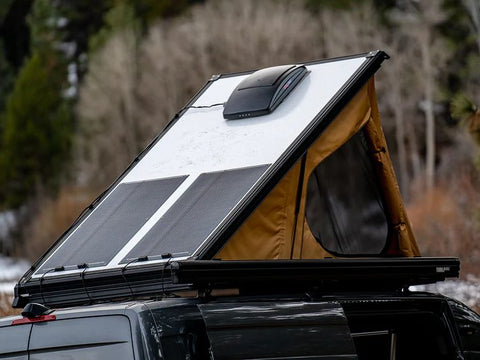
Roof-mounted solar panels help maintain battery levels when parked.
Ideal setups typically include:
-
200W–400W solar capacity
-
MPPT solar charge controller
-
Expandable solar options
Solar power won't replace driving-based charging but provides valuable supplemental energy for extended stays.
2. Four-Season Insulation and Climate Control
A quality camper van should remain comfortable in both summer heat and winter cold.
High-Quality Insulation
Look for vans using materials such as:
-
Havelock Wool
-
3M Thinsulate
-
Closed-cell foam insulation
Proper insulation improves:
-
Temperature regulation
-
Noise reduction
-
Energy efficiency
Heated Holding Tanks
Travelers planning cold-weather adventures should prioritize:
-
Heated fresh water systems
-
Enclosed plumbing
-
Freeze protection for tanks
These features help prevent costly damage and extend your camping season.
12V Air Conditioning
Unlike traditional RV air conditioners that require shore power or generators, 12V air conditioning systems can operate directly from lithium batteries.
Benefits include:
-
Quiet operation
-
True off-grid cooling
-
Comfortable sleeping during hot weather
Hydronic Heating Systems
Premium heating systems such as Truma Combi and Timberline combine cabin heating and water heating into one efficient unit.
Advantages include:
-
Consistent interior temperatures
-
On-demand hot water
-
Reduced propane dependency
-
Space-saving design
3. A Floor Plan That Supports Your Lifestyle
No feature impacts daily comfort more than the floor plan.
Popular Class B layouts include:
Rear Power Sofa
Best for:
-
Luxury travelers
-
Full-time loungers
-
Entertaining guests
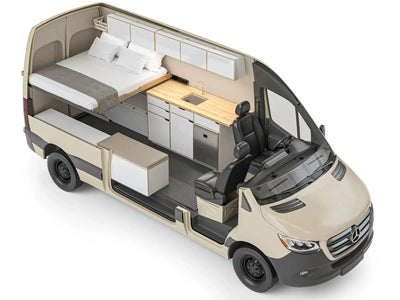
Fixed Rear Platform Bed
Best for:
-
Mountain bikers
-
Hikers
-
Adventure travelers
The large garage area underneath the bed provides secure gear storage.
Twin Bed Center Aisle
Best for:
-
Digital nomads
-
Solo travelers with pets
-
Long-term travelers
Rear Bath Layout
Best for:
-
Travelers prioritizing bathroom comfort
-
Luxury-focused users
Choose a layout that matches how you spend most of your day, not just how the van looks during a dealership tour.
4. Swivel Front Seats
One of the simplest yet most valuable features is a pair of swivel captain's chairs.
By rotating the driver and passenger seats toward the living area, you instantly:
-
Expand usable space
-
Create a workstation
-
Add dining seating
-
Improve interior flexibility
Many solo travelers use swivel seats every day.
5. Dedicated Workspace Solutions
Remote work has become a major reason people choose Class B camper vans.
Lagun Table System
A Lagun table mount allows a tabletop to rotate, pivot, and adjust in height.
Benefits include:
-
Instant workstation setup
-
Space-saving design
-
Multiple positioning options
-
Strong support for laptops and monitors
For digital nomads, a Lagun table is often one of the most-used features in the entire van.
Connectivity Preparation
Look for camper vans pre-wired for:
-
Cellular boosters
-
Wi-Fi systems
-
Roof-mounted antennas
-
Starlink installation
Reliable connectivity can transform a camper van into a fully functional mobile office.
6. Smart Control Systems
Modern luxury camper vans increasingly use multiplex wiring systems.
Popular systems include:
-
Firefly Integrations
-
Garmin RV controls
These allow you to manage:
-
Lighting
-
Water pumps
-
Tank heaters
-
Battery monitoring
-
Awning controls
Many systems can even be controlled from a smartphone.
Instead of multiple switches scattered around the van, everything is accessible through a single interface.
7. The Right Bathroom Setup
Bathroom design is often overlooked during the buying process but becomes incredibly important during daily use.
Wet Bath
A wet bath combines the shower and toilet into one space.
Pros:
-
Compact
-
Lightweight
-
Efficient use of space
Cons:
-
Everything gets wet during showers
Dry Bath
A dry bath separates the toilet and shower.
Pros:
-
More residential feel
-
Greater comfort
Cons:
-
Requires more interior space
8. Cassette Toilet vs. Black Tank
For solo travelers, toilet choice may be more important than bathroom size.
Cassette Toilet
Advantages:
-
Portable waste container
-
Easy emptying
-
No RV dump station required
-
Better for off-grid travel
Traditional Black Tank
Advantages:
-
Larger waste capacity
-
Less frequent emptying
Disadvantages:
-
Requires dedicated dump stations
-
Less convenient during remote travel
Many experienced solo travelers prefer cassette toilets because of their flexibility.
9. Storage Solutions That Actually Work
Storage becomes increasingly important during extended trips.
Look for:
-
Under-bed garage storage
-
Overhead cabinets
-
Pantry compartments
-
Exterior gear lockers
-
Dedicated electrical storage
Adventure-focused travelers should prioritize secure interior storage for expensive gear.
10. Safety and Driver Assistance Technology
Since you'll spend significant time driving, modern safety systems deserve attention.
Useful features include:
-
Adaptive cruise control
-
Blind-spot monitoring
-
Lane-keeping assistance
-
Collision avoidance systems
-
Rear-view cameras
-
Parking sensors
These systems reduce fatigue and improve confidence during long road trips.
11. Chassis Reliability and Serviceability
Most Class B camper vans are built on one of three platforms:
-
Mercedes-Benz Sprinter
-
Ford Transit
-
Ram ProMaster
When comparing chassis, evaluate:
-
Fuel economy
-
Maintenance costs
-
Service center availability
-
Reliability history
-
Towing capability
A beautiful interior won't matter much if servicing becomes difficult while traveling.
Top Features Checklist Before You Buy
Before purchasing a Class B camper van, make sure it includes:
✔ 300Ah+ lithium battery bank
✔ Secondary alternator charging
✔ Solar power system
✔ Four-season insulation
✔ Efficient heating and cooling
✔ Swivel captain's chairs
✔ Dedicated workspace
✔ Smart control panel
✔ Practical bathroom layout
✔ Cassette or composting toilet option
✔ Secure gear storage
✔ Advanced safety features
✔ Reliable chassis platform
Final Thoughts
The best Class B camper van isn't necessarily the one with the highest price tag—it's the one that supports the way you actually travel. For solo adventurers, features such as lithium power systems, four-season insulation, swivel seating, dedicated workspaces, and flexible bathroom solutions often have a greater impact on everyday comfort than luxury finishes.
If you plan to spend significant time boondocking, prioritize off-grid power, climate control, and a cassette toilet. If you're a digital nomad, focus on workspace integration and connectivity. And if comfort is your goal, pay close attention to floor plan design and interior ergonomics.
Choosing the right combination of features will ensure your Class B camper van feels less like a vehicle and more like a home wherever the road takes you.
About the author

Eugene Smit
CEO
Eugene is the CEO of The Vansmith, based in Boulder, Colorado. He writes across topics related to van builds, ownership, and the camper van industry.
Read more about Eugene