One of the first questions we hear is simple: What are the different classes of rvs? Most people start with what an RV is, then quickly get lost in class rv types and marketing labels. After years of helping families choose the right platform, we have found that clarity matters more than volume of options.
Let’s break it down in plain terms.
What Is the Difference Between RV Class and RV Type?

Before listing the different types of RVs, it helps to understand terminology.
RV Class
An RV class refers to motorized categories. These include Class A, Class B, and Class C. (RVIA) The classification is based on vehicle structure and design, and industry groups like RVIA’s RV types overview outline how manufacturers separate motorized and towable segments.
RV Type
RV type can include both motorized and towable units. So when people ask what the classes of RVs are, they are usually referring to motorhomes. When they ask about types of RVs and campers, that includes trailers, too.
What Are the 3 RV Classes?

The three main motorhome categories form the foundation of different types of recreational vehicles. (Go RVing) Organizations like AAA’s RV buying guide also group motorhomes into these three core classes when helping new buyers compare options.
Class A Motorhomes

Sleeps
Typically, 4 to 8 people.
Characteristics
Large bus-style body. Built on commercial truck or bus chassis. Full height ceilings and expansive storage.
Pros
-
Spacious interiors
-
Large tanks and storage
-
Residential feel
Cons
-
Expensive
-
Harder to maneuver
-
Higher fuel consumption
Best For
Full-time travelers who want maximum interior space and comfort.
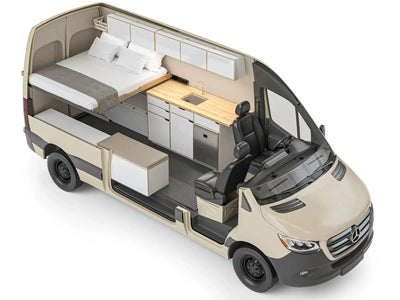
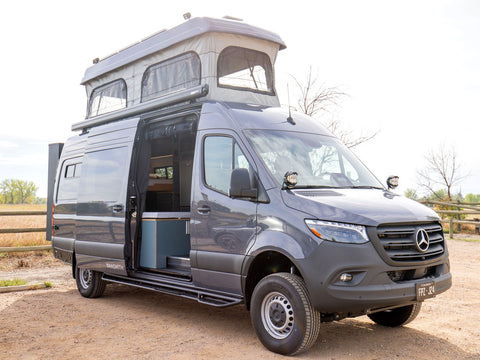
Class B Motorhomes or Camper Vans
Class B motorhomes are what many people picture when thinking about modern adventure travel.
Sleeps
Usually 2 to 4.
Characteristics
Built on a van chassis. Compact footprint. Easier to drive and park. For example, popular Class B platforms like the Ford Transit and Mercedes-Benz Sprinter are designed as commercial vans first, then converted for camping. (Ford Transit commercial van overview, Mercedes-Benz Sprinter panel van overview)
Pros
-
Easy handling
-
Better fuel efficiency
-
Fits in normal parking spaces
Cons
-
Smaller interior
-
Limited storage compared to Class A
Best For
Couples, solo travelers, and families who value mobility.
At The Vansmith, we specialize in refined Class B platforms designed for real world travel. You can explore our current Class B camper van options to see how thoughtful layouts support extended trips, or browse our broader camper van conversion lineup if you are still comparing build styles.
Suggested Image Placement: After this section
Alt text: Class B camper van interior showing what the RV classes in real life use
Class C Motorhomes
Sleeps
4 to 8 people.
Characteristics
Recognizable over the cab sleeping area. Built on a truck or cutaway chassis.
Pros
-
More sleeping capacity
-
Easier to drive than Class A
-
Good balance of size and function
Cons
-
Bulkier than Class B
-
Moderate fuel efficiency
Best For
Families who want more space but still manageable driving.
Super C
Sleeps
4 to 8.
Characteristics
Heavy-duty truck chassis. Larger engines. Often built for towing.
Pros
-
Strong towing capacity
-
Durable structure
Cons
-
High cost
-
Large footprint
Best For
Travelers hauling heavy gear or trailers.
Class B+
Sleeps
2 to 4.
Characteristics
Built on a van chassis but wider or with added body extensions. More interior room than standard Class B.
Pros
-
Extra space
-
More storage
Cons
-
Less nimble than a traditional van
-
Higher cost
Best For
Travelers wanting van drivability with slightly more living space.
Towable RV Classes
Motorhomes are only part of what the RV classes and categories available.
Travel Trailers
Pulled by SUVs or trucks. Wide range of sizes. When choosing a tow vehicle, resources like the NHTSA’s towing safety guidelines can help you match trailer weight to your vehicle’s rated capacity.
Fifth Wheels
Attached to a truck bed hitch. Often larger and residential in feel.
Pop Up Campers
Folding trailers. Lightweight and compact.
Truck Campers
Mounted directly into a pickup bed.
Toy Haulers
Designed with rear garage space for bikes, ATVs, or motorcycles.
Key Differences Between RV Classes
Size and Luxury
Class A offers the most interior space. Class B offers the smallest footprint but the most flexibility.
Driving
Class B drives most like a regular vehicle. Class A requires adjustment and planning.
Budget
Class A and Super C typically cost more. Towables vary widely. Class B can be more efficient long-term due to lower operating costs. Fuel economy estimates for common van platforms, such as those published on fueleconomy.gov’s van and minivan listings, can give you a baseline for comparing long-term fuel costs between classes.
Which RV Class Is Right for You?
When deciding what the different classes of rvs that fit your needs, ask yourself:
-
How many people will travel regularly?
-
Do you prefer mobility or interior space?
-
Will you stay in campgrounds or dispersed sites?
-
How comfortable are you driving larger vehicles?
For travelers focused on mountain access, urban parking, and flexibility, a van platform often makes the most sense.
If you are exploring layout ideas or long-term travel planning, our design page walks through how we approach space, storage, and system planning, and our van conversion services overview explains how we turn different base vehicles into finished rigs.
Once you have a sense of your ideal layout, you can browse real-world builds in our camper van conversion gallery to see how various RV classes and motorhome types translate into everyday travel spaces.
RV Classes Compared: What the Differences Really Mean
The difference between class rv types is not only size. It is a lifestyle.
A Class A encourages staying longer in one place. A Class B supports spontaneous route changes and tight trailhead parking.
After years of supporting adventure travel across Colorado, we have seen that smaller platforms often create more freedom. Less setup. Faster departure. Easier parking in towns and national forests.
Other Meanings of RV
Sometimes people searching for what an rv encounter unrelated definitions.
-
Right Ventricle
-
Registered Voter
-
Relative Value
-
Rheumatoid Vasculitis
In travel, RV refers to a recreational vehicle.
Final Thoughts
Understanding what the different classes of RVs are helps you choose based on lifestyle, not marketing labels.
The best RV is the one that matches how you actually travel. For many of our clients, that means a well-designed Class B platform that balances comfort with mobility.
If you are ready to move from research into action, you can start by reviewing our Mercedes Sprinter camper van builds or our Ford Transit camper van conversions to see which chassis best fits your preferred RV class and driving style across different motorhome categories.
Clarity leads to better decisions. And better decisions lead to better miles on the road.
FAQs
What are the different classifications of RVs?
Class A, Class B, and Class C are the primary motorhome classifications. Towables include travel trailers and fifth wheels.
What is the difference between Class A and Class C?
Class A is larger and bus-like. Class C has an over-cab sleeping area and is generally smaller.
Why is the 10-year RV rule?
Some campgrounds restrict RVs older than ten years for appearance and maintenance standards.
Can you drive a Class C RV with a regular license?
In most states, yes. Check local regulations for weight limits, and review guidance from your state DMV or resources like AAA’s overview of RV licensing and rental considerations.
Is Class B better than Class C?
It depends on travel style. Class B offers easier driving and parking. Class C offers more sleeping space.
About the author

Eugene Smit
CEO
Eugene is the CEO of The Vansmith, based in Boulder, Colorado. He writes across topics related to van builds, ownership, and the camper van industry.
Read more about Eugene