Boondocking is one of the first topics that comes up when people start thinking about off-grid travel. What is boondocking in an RV, and how does it actually work day to day? In simple terms, it means camping without hookups. No external power, no water connection, and no sewer. Everything depends on how your van is set up.
Boondocking, also known as dry camping, is staying off-grid using only onboard resources. If you’re asking what dry camping with an RV is, it’s the same concept. Your water, power, and waste systems all operate independently.
In practical terms, what boondocking in RV terms comes down to self-sufficiency. You manage your own resources without relying on campgrounds.
Common terms include:
-
Dry camping
-
Dispersed camping
-
Wild camping
-
Wallydocking
Where Can You Go Boondocking?
Boondocking locations vary more than most people expect.
You can stay in:
-
Public lands such as national forests and BLM areas
-
Parking lots that allow overnight stays
-
Private land with permission
-
Remote scenic areas
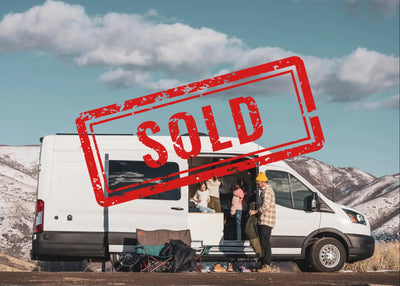
Across Colorado, many van owners choose spots based on access to trails, climbing areas, or ski routes.
Is RV Boondocking Legal?
Yes, but it depends on the location.
Public lands often allow dispersed camping, but with limits on duration. Some areas require permits, while others restrict overnight stays.
Before parking, check:
-
Local rules
-
Signage
-
Time limits
Understanding this early makes it easier to learn how to boondock in an RV without issues.
What Should You Consider Before Boondocking?
Self-Sufficiency
Your setup needs to support you.
A reliable rv for dry camping should include:
-
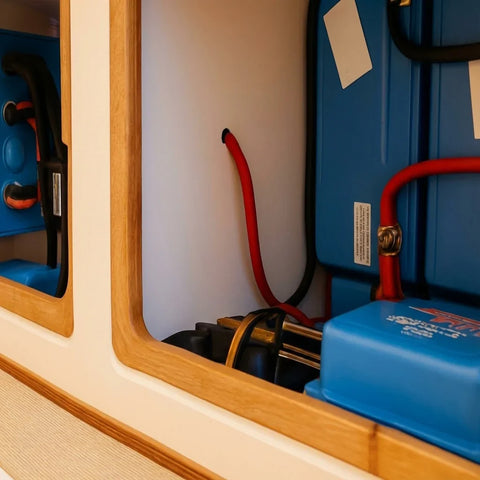
Battery capacity for daily use
-
Water storage based on trip length
-
Efficient appliances
If your current setup feels limiting, upgrading systems through Service & Upgrades can significantly improve off-grid performance.
Leave No Trace
We have seen access disappear in areas where people ignored basic practices. Respect the land and pack everything out.
Location and Duration
Where you park affects how long you can stay. This directly ties into how long you can boondock in an RV comfortably.
How to Dry Camp in an RV
Getting started is straightforward.
Step 1: Locate a Spot
Use apps or local recommendations.
Step 2: Prepare Your Van
Check water, battery, and propane levels.
Step 3: Pack Essentials
Focus on efficiency over volume.
Step 4: Manage Power
Limit unnecessary usage.
Step 5: Follow Etiquette
Keep noise low and respect space.
Many owners refine their setup after early trips through Customize Your Van, once they understand their real needs.
What Features Should a Dry Camping RV Have?
Not all setups perform equally off-grid.
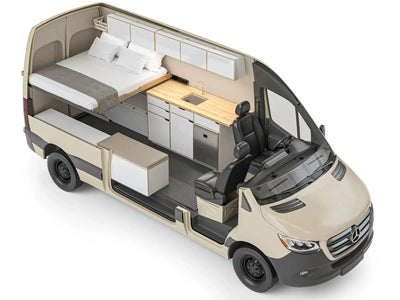
From real-world experience, the most important features include:
-
Large water tanks
-
Reliable battery systems
-
Solar charging capability
-
Propane for cooking and heat
-
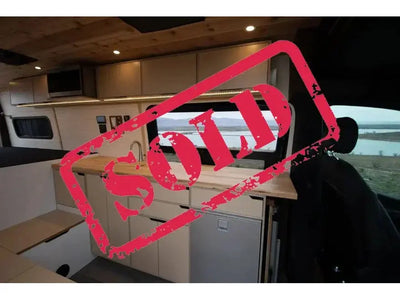
Durable interiors
These features directly impact comfort and trip duration.
Which RV Types Are Best for Boondocking?
Different RV types offer different advantages.
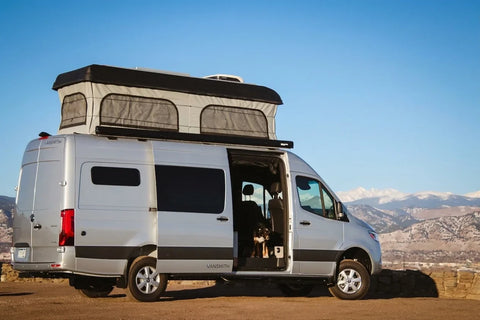
Class B Vans
Easy to drive, flexible, and ideal for remote areas.
Rugged Travel Trailers
Better for longer stays but less mobile.
Toy Haulers
Useful for carrying gear.
From our experience, vans offer the best balance. If you are exploring a camper van for sale, consider how often you will travel off-grid.
Options like Ford Transit camper vans for sale are popular for versatility, while a Sprinter camper van for sale often supports more advanced systems.
What Upgrades Improve Your Boondocking Experience?
Upgrades can extend your stay without adding complexity.
-
Solar panels
-
Battery upgrades
-
Extra water storage
-
Improved waste systems
These changes often add several days of off-grid capability.
How Do You Choose and Set Up a Boondocking Campsite?
Choosing the right spot matters more than most people expect.
Positioning
Look for level ground and slight elevation to avoid water buildup.
Orientation
Park to manage sun exposure and wind. This helps with temperature control and solar efficiency.
Ground Conditions
Avoid soft or unstable surfaces that can affect vehicle stability.
Space Awareness
Leave room between you and others. Privacy and safety both matter.
What Gear and Clothing Do You Need for Dry Camping?
Keeping gear simple makes travel easier.
Essential Gear
-
Water containers
-
Backup lighting
-
Basic tools
Clothing
-
Layered clothing for temperature changes
-
Rain protection
-
Extra dry clothes
Storage
-
Dry bags or sealed containers to keep gear organized
How Do You Manage Life Inside Your Setup?
Daily habits make a big difference.
Ventilation
Maintain airflow to prevent condensation.
Kitchen Setup
Keep cooking simple and efficient.
Wet Gear Management
Store wet items separately to keep your space usable.
These small adjustments improve comfort over longer stays.
How Long Can You Boondock in an RV?
This depends on your setup.
Key factors:
-
Water capacity
-
Battery power
-
Food supply
Most setups support 3 to 5 days. With efficient systems, 7 to 14 days is realistic.
So when people ask how long you can boondock in an RV, the answer depends on how well you manage your resources.
How Can You Extend Your Boondocking Stay?
Longer stays require planning.
Conserve Water
Use water carefully and track usage.
Manage Power
Avoid high-energy appliances.
Plan Resupply Stops
Know where to refill water and empty tanks.
Over time, this becomes routine.
FAQs
What is the difference between boondocking and dry camping?
They refer to the same off-grid camping style.
Is boondocking free in the USA?
Often yes on public lands, but some areas require permits.
How do you find boondocking locations?
Apps, maps, and local recommendations.
How long can you boondock in an RV?
Typically 3 to 14 days.
Do you need solar panels for boondocking?
Not required, but very useful.
Can you boondock in a regular RV?
Yes, though some setups perform better off-grid.