Luxury camper vans have become increasingly popular among travelers, entrepreneurs, remote workers, and adventure enthusiasts. Whether you're exploring luxury camper vans for sale or planning a custom conversion, one question often arises before making such a significant investment:
Can you write off a luxury camper van on your taxes?
The answer is yes—but only under specific circumstances. Tax benefits depend on how the van is used, whether it qualifies as a second home, and whether any portion of its use is connected to a legitimate business activity. Simply purchasing a camper van for vacations or recreational travel does not automatically create a tax deduction.
If you're considering a premium camper van purchase, here's what you need to know about potential tax benefits and the rules that may apply.
The Short Answer
A luxury camper van may qualify for tax advantages if it:
-
Is used for business purposes
-
Qualifies as a primary or secondary residence
-
Is rented out as an income-producing asset
-
Has a loan that qualifies for mortgage-interest deductions
However, personal travel expenses, family vacations, and recreational camping trips are generally not deductible.
When a Camper Van Qualifies as a Second Home
One of the most overlooked tax benefits involves the IRS definition of a second home.
Generally, a camper van may qualify as a second home if it contains:
-
Sleeping facilities
-
Cooking facilities
-
Toilet facilities
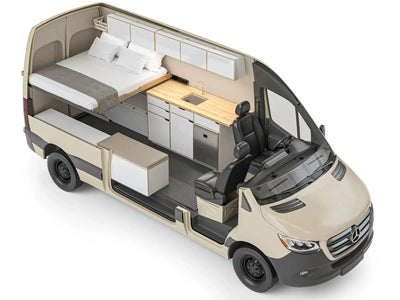
Many modern Class B camper vans meet these requirements because they include permanent sleeping areas, kitchens, and bathroom facilities.
If these conditions are satisfied, the camper van may qualify as a primary or secondary residence for tax purposes.
Potential Second-Home Tax Benefits
Depending on your financial situation, you may be able to deduct:
-
RV loan interest
-
Certain property taxes where applicable
-
Eligible sales taxes in the year of purchase
These deductions typically require itemizing deductions and meeting current IRS requirements.
Business Use Creates the Largest Tax Opportunities
For many owners, business use offers the greatest potential tax advantages.
A camper van may qualify for business-related deductions when used for:
-
Client meetings
-
Trade shows
-
Conferences
-
Mobile consulting
-
Content creation
-
Photography businesses
-
Marketing tours
-
Mobile service operations
Professionals operating mobile work vans often explore tax deductions because the vehicle functions as an integral part of business operations.
The IRS generally allows deductions only for the business-use portion of expenses when a vehicle serves both personal and business purposes.
Business Expenses That May Qualify
Depending on how the vehicle is used, deductible expenses may include:
-
Fuel
-
Maintenance
-
Repairs
-
Insurance
-
Registration fees
-
Campground fees during business travel
-
Internet costs
-
Communication services
-
Loan interest
-
Depreciation
Detailed records and documentation are essential when claiming any deduction.
Can You Deduct 100% of the Camper Van?
In some situations, yes.
However, the camper van generally must be used almost exclusively for business purposes.
For mixed-use vehicles, deductions are usually limited to the percentage of business use.
Example
If your camper van is used:
-
60% for business
-
40% for personal travel
You can generally deduct only 60% of qualifying expenses.
Buyers investing in professionally built camper vans for sale should track business and personal use separately throughout the year.
Understanding Section 179 and Depreciation
Business owners may be able to recover part of the vehicle's cost through depreciation or Section 179 expensing.
Potential benefits include:
-
Accelerated depreciation
-
First-year write-offs
-
Annual depreciation deductions
-
Business asset treatment
Because many luxury camper vans exceed 6,000 pounds GVWR, they may qualify for favorable depreciation treatment under certain tax rules.
Owners researching Sprinter camper vans for sale frequently discuss Section 179 opportunities with tax professionals because these vehicles often meet weight requirements.
Important Requirements
To qualify:
-
Business use generally must exceed 50%
-
Proper records must be maintained
-
The vehicle must be placed into service during the tax year
Always consult a qualified CPA before relying on Section 179 deductions.
Example of a Business-Use Deduction
Imagine purchasing a luxury camper van for $180,000.
Business use percentage: 70%
Potential deductible basis:
$180,000 × 70% = $126,000
Additional expenses such as maintenance, fuel, insurance, and communication costs may also qualify proportionally.
Rental Income and Camper Van Tax Benefits
Another potential tax strategy involves renting out the camper van.
Some owners rent premium camper vans for couples or adventure vans through rental platforms to generate income.
Potential deductions may include:
-
Depreciation
-
Insurance
-
Maintenance
-
Cleaning costs
-
Marketing expenses
-
Storage fees
-
Registration costs
If operated properly, a rental camper van may qualify as a business asset rather than purely personal property.
Mortgage Interest Deductions for Luxury Camper Vans
One of the most significant tax opportunities involves mortgage-interest deductions.
If your camper van qualifies as a second home and includes:
-
Sleeping accommodations
-
Cooking facilities
-
Bathroom facilities
Then interest paid on a secured RV loan may qualify for mortgage-interest deductions under current tax rules.
Travelers exploring van conversions with showers often prefer fully self-contained layouts that satisfy second-home requirements.
Common Tax Mistakes to Avoid
Many camper van owners mistakenly assume they can write off the entire vehicle because they occasionally work while traveling.
Tax professionals consistently warn against several common mistakes.
Treating Personal Travel as Business Travel
Vacation trips generally remain personal expenses and are not deductible.
Failing to Track Mileage
Mileage logs remain one of the most important forms of documentation.
Mixing Personal and Business Expenses
Business and personal use should be tracked separately whenever possible.
Claiming Unsupported Deductions
Without proper documentation, deductions may be challenged during an audit.
Recordkeeping Requirements
To support deductions, maintain records such as:
-
Mileage logs
-
Fuel receipts
-
Campground receipts
-
Loan statements
-
Insurance records
-
Maintenance invoices
-
Business travel schedules
-
Client meeting documentation
Owners of premium Sprinter van conversions and Ford Transit van conversions should treat recordkeeping as seriously as any other business asset.
Do Solar Systems and Off-Grid Upgrades Matter?
Potentially.
In some situations, improvements and upgrades may influence depreciation calculations or business-use deductions.
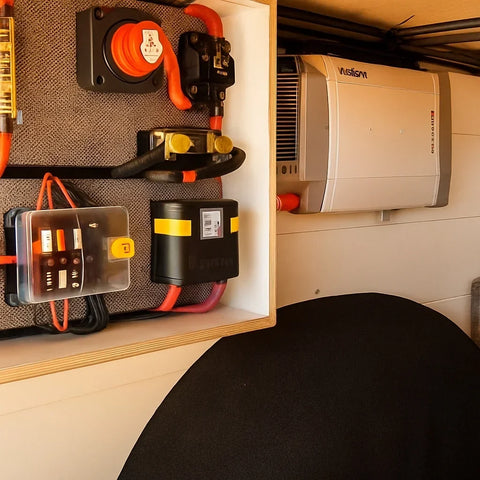
Popular upgrades include:
-
Solar systems
-
Lithium battery banks
-
Starlink internet
-
Suspension upgrades
-
Advanced climate-control systems
Buyers interested in eco-friendly van conversions often invest heavily in solar power and energy-efficient systems that support extended off-grid travel.
Likewise, travelers purchasing winter camper vans frequently add premium heating and insulation packages designed for year-round use.
Which Camper Vans Are Commonly Used for Business?
Several camper van platforms are popular among entrepreneurs, content creators, photographers, and consultants.
These include:
These vehicles are frequently used for:
-
Mobile offices
-
Video production
-
Photography businesses
-
Travel content creation
-
Consulting operations
What About Adventure and Off-Road Vans?
Adventure-focused camper vans can also qualify for business deductions when used appropriately.
Professionals who document outdoor travel, create adventure content, or operate guided experiences often use 4x4 RVs for sale as part of their business activities.
As always, business use must be documented carefully.
Does Family Travel Affect Tax Deductions?
Many buyers researching family van conversions wonder whether family trips create deductions.
Generally, personal family vacations remain personal expenses.
However, if a portion of the travel serves a legitimate business purpose, some expenses may qualify proportionally.
Proper documentation remains critical.
Should You Buy a Camper Van for Tax Reasons?
Tax benefits can certainly improve the economics of ownership, but they should never be the primary reason for purchasing a camper van.
The strongest tax opportunities generally occur when:
-
The vehicle serves a legitimate business purpose
-
Rental income is generated
-
The camper van qualifies as a second home
-
Detailed records are maintained
-
IRS requirements are followed carefully
Buyers exploring premium all-series custom camper van models often discuss ownership costs, financing, and potential tax implications before finalizing a purchase.
Final Thoughts
A luxury camper van can offer legitimate tax advantages, but the benefits depend entirely on how the vehicle is used. Owners may qualify for deductions through second-home mortgage-interest rules, business-use expenses, depreciation, Section 179 treatment, or rental activities.
However, personal vacations and recreational travel generally do not qualify for tax write-offs.
Before claiming any deduction, consult a CPA or tax professional familiar with RV and vehicle taxation. Proper planning, documentation, and compliance are essential for maximizing potential tax benefits while avoiding costly mistakes.
Disclaimer: This article is for informational purposes only and should not be considered tax, legal, or financial advice. Consult a qualified tax professional regarding your specific situation and current IRS regulations.
About the author

Eugene Smit
CEO
Eugene is the CEO of The Vansmith, based in Boulder, Colorado. He writes across topics related to van builds, ownership, and the camper van industry.
Read more about Eugene