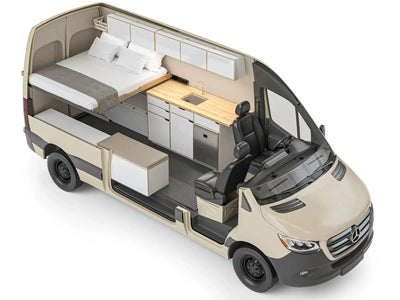
A luxury camper van is more than just a vehicle—it's a mobile lifestyle investment that combines transportation, accommodation, remote work capability, and adventure in one package. Whether you're purchasing a custom conversion, an off-grid expedition van, or a premium Class B motorhome, understanding your financing options can make ownership significantly more accessible.
With luxury camper vans often ranging from $100,000 to $300,000+, many buyers choose financing instead of paying cash upfront. The right loan structure can preserve savings, improve cash flow, and allow you to purchase a higher-quality vehicle without overextending your budget.
This guide explains camper van loans, RV financing programs, leasing options, home equity financing, and strategies for securing the best rates in 2026.
Why Finance a Luxury Camper Van?
Luxury camper vans require a substantial upfront investment. Financing allows buyers to spread that investment over time while maintaining financial flexibility.
Benefits of financing include:
-
Lower upfront cash requirements
-
Manageable monthly payments
-
Preserved savings and emergency funds
-
Ability to purchase higher-quality builds
-
Access to premium upgrades and off-grid systems
Many buyers exploring premium travel vehicles begin by comparing different Sprinter van conversions before determining the financing structure that best supports their budget.
Rather than waiting years to save the full purchase price, financing allows travelers to start enjoying van life immediately while paying for the vehicle over time.
Understanding Luxury Camper Van Financing
Financing a camper van works similarly to financing a vehicle, boat, or RV. A lender provides the funds needed for the purchase, and the borrower repays the loan through monthly installments.
Several factors determine loan approval and financing costs:
-
Purchase price
-
Down payment amount
-
Credit score
-
Debt-to-income ratio
-
Loan term
-
Vehicle age
-
Vehicle condition
The larger the down payment, the lower the loan balance and overall interest paid throughout the life of the loan.
Many buyers shopping for premium camper vans for sale begin the financing process before selecting a final floor plan so they understand their purchasing power.
Camper Van Loans vs RV Loans
One of the most common questions buyers ask is whether they need a camper van loan or an RV loan.
Camper Van Loans
Traditional vehicle loans may be available for:
-
New camper vans
-
Used camper vans
-
Dealer inventory
-
Some conversion vans
Typical loan terms range from 3–7 years.
RV Loans
RV financing is often the preferred option for luxury camper vans because lenders understand recreational vehicle values and usage.
Benefits include:
-
Larger loan amounts
-
Longer repayment terms
-
Lower monthly payments
-
Financing for completed conversions
-
Better support for premium builds
Many luxury Class B camper vans qualify for RV financing because they include sleeping, cooking, and living facilities.
Which Option Is Better?
For most luxury camper van purchases above $100,000, RV financing generally provides more flexibility and lower monthly payments than traditional vehicle loans.
Typical Loan Terms for Luxury Camper Vans
Financing terms vary by lender, but the following ranges are common:
|
Financing Factor |
Typical Range |
|
Loan Amount |
$25,000–$500,000+ |
|
Down Payment |
10%–20% |
|
Loan Term |
5–20 Years |
|
Interest Rate |
Based on credit profile |
|
Preferred Credit Score |
680+ |
Longer loan terms reduce monthly payments but increase total interest costs over time.
What Credit Score Do You Need?
Credit score plays a major role in loan approval and interest rates.
Excellent Credit (740+)
Benefits include:
-
Best available interest rates
-
Higher approval odds
-
Lower down payment requirements
-
More lender options
Good Credit (680–739)
Benefits include:
-
Competitive financing options
-
Flexible loan structures
-
Moderate interest rates
Fair Credit (620–679)
Financing may still be available, but borrowers should expect:
-
Higher rates
-
Larger down payment requirements
-
More lender restrictions
Improving your credit score before applying can save thousands of dollars over the life of the loan.
Financing a Custom Camper Van Conversion
Custom camper vans can present unique financing challenges because conversion costs may not always be reflected in the base vehicle value.
Many lenders are willing to finance:
-
Professionally completed conversions
-
Turnkey camper vans
-
Luxury custom builds
-
Dealer-supported conversions
Buyers often compare premium Ford Transit van conversions and custom Sprinter-based builds before determining financing requirements.
Working with an experienced conversion company can simplify documentation and valuation requirements during the approval process.
Financing Through a Camper Van Builder
Some builders partner directly with RV financing providers.
Potential benefits include:
-
Simplified approval process
-
Faster funding
-
Financing tailored to conversion values
-
Familiarity with custom builds
Families researching family van conversions often find builder-supported financing particularly useful because larger custom layouts frequently involve higher purchase prices.
Bank Financing
Traditional banks remain one of the most common financing sources.
Advantages include:
-
Fixed interest rates
-
Predictable payments
-
Existing customer relationships
-
Online account management
Borrowers with strong credit histories often receive favorable terms from major banks.
Credit Union Financing
Credit unions frequently offer some of the most competitive RV financing rates available.
Benefits include:
-
Lower interest rates
-
Personalized service
-
Flexible underwriting
-
Reduced fees
Many buyers compare bank rates against credit union financing before selecting a lender.
Online RV and Camper Van Lenders
Specialized online lenders continue to gain popularity among RV buyers.
Advantages include:
-
Fast approvals
-
Prequalification options
-
Competitive nationwide rates
-
High loan limits
Many online lenders understand premium camper vans and custom conversions better than traditional auto lenders.
Leasing a Luxury Camper Van
Leasing is less common than financing but remains an option in certain situations.
Buyers considering premium camper vans for couples sometimes explore leasing when they plan to upgrade vehicles every few years.
Benefits of Leasing
-
Lower monthly payments
-
Reduced upfront costs
-
Easier upgrades
-
Potential business tax benefits
Drawbacks of Leasing
-
Mileage restrictions
-
Limited customization
-
No ownership equity
-
Potential end-of-lease charges
For most camper van buyers, financing remains the preferred route because it allows long-term ownership and customization.
Home Equity Loans and HELOCs
Some buyers leverage home equity to finance luxury camper vans.
Common options include:
-
Home Equity Loans
-
Home Equity Lines of Credit (HELOCs)
Advantages may include:
-
Lower interest rates
-
Longer repayment periods
-
Flexible borrowing limits
However, because your home serves as collateral, this approach carries additional risk.
Business Financing Options
Entrepreneurs and remote professionals increasingly use camper vans as business assets.
Many buyers invest in mobile work vans that function as offices, content studios, and travel vehicles.
Potential business applications include:
-
Mobile offices
-
Photography businesses
-
Content creation
-
Marketing tours
-
Event support
Depending on your business structure, financing may provide tax advantages.
Real-World Financing Example: A $200,000 Luxury Camper Van
Imagine you're purchasing a $200,000 luxury camper van.
Assume:
-
Purchase Price: $200,000
-
Down Payment: 15% ($30,000)
-
Loan Amount: $170,000
-
Interest Rate: 7.5% APR
The following example illustrates how loan terms impact monthly payments and total borrowing costs.
|
Loan Term |
Estimated Monthly Payment |
Total Interest Paid |
Total Loan Cost |
|
10 Years (120 Months) |
$2,018 |
$72,139 |
$242,139 |
|
15 Years (180 Months) |
$1,576 |
$113,644 |
$283,644 |
|
20 Years (240 Months) |
$1,369 |
$158,638 |
$328,638 |
Strategic Takeaways
The 20-Year Trade-Off
Longer terms produce lower monthly payments but significantly increase total interest paid.
The Depreciation Factor
While camper vans generally retain value better than larger RVs, buyers should avoid situations where they owe more than the vehicle is worth.
The Flexible Payment Strategy
Many buyers choose longer loan terms for lower required payments while voluntarily making additional principal payments whenever possible.
This strategy provides flexibility while reducing long-term interest expenses.
How Much Should You Put Down?
Most lenders recommend:
-
Minimum: 10%
-
Preferred: 20%
-
Strongest Profile: 20–30%
Higher down payments can:
-
Reduce monthly payments
-
Improve approval odds
-
Lower interest costs
-
Reduce negative equity risk
Hidden Costs to Consider
Financing is only one component of camper van ownership.
Additional expenses include:
-
Insurance
-
Registration
-
Storage
-
Maintenance
-
Warranty coverage
-
Fuel
-
Upgrades
Many travelers investing in eco-friendly van conversions also budget for solar power systems, battery upgrades, and off-grid accessories.
Those planning year-round travel may additionally explore winter camper vans designed for four-season performance.
Adventure-focused travelers often compare 4x4 RVs for sale when evaluating long-term travel plans and financing budgets.
Is Financing a Luxury Camper Van Worth It?
For many buyers, financing provides the most practical path to ownership.
Rather than tying up substantial cash reserves, financing allows travelers to spread costs over time while preserving liquidity for travel, maintenance, and future upgrades.
Buyers comparing layouts with integrated bathrooms frequently consider van conversions with showers because these features can significantly improve comfort during extended travel.
Likewise, those comparing chassis sizes often evaluate both Sprinter 144 van conversions and Sprinter 170 van conversions before finalizing a purchase and financing package.
Final Thoughts
Financing a luxury camper van is often the smartest way to balance ownership goals with financial flexibility. Whether you're purchasing a custom conversion, a premium Class B camper van, or a fully equipped adventure vehicle, the right financing strategy can help you get on the road sooner without compromising your long-term financial health.
By comparing lenders, improving your credit profile, understanding loan structures, and choosing an appropriate down payment, you can secure financing that supports both your budget and your travel ambitions.
The best loan isn't necessarily the one with the lowest monthly payment—it's the one that aligns with your lifestyle, ownership plans, and overall financial goals.