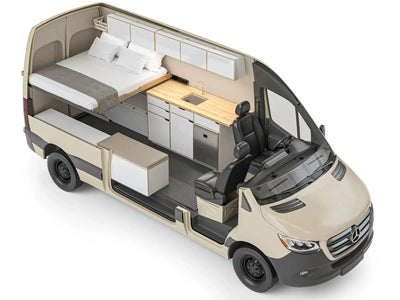
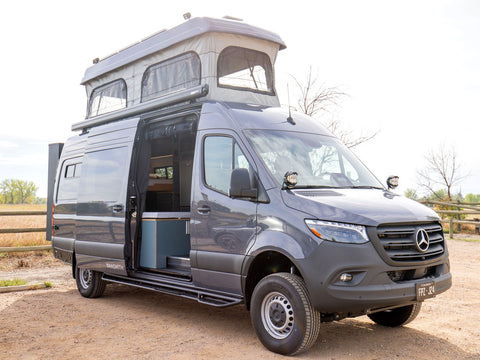
Buying a Class B camper van is an exciting investment, but it’s also a major financial decision. With many new camper vans costing between $100,000 and $200,000 or more, most buyers choose financing to make ownership more affordable.
The good news is that financing a Class B camper van is different from financing a standard vehicle. Because these vans function as both transportation and living spaces, lenders often offer longer repayment terms and specialized loan programs designed specifically for RV buyers.
Whether you're shopping for a new adventure van, exploring Class B camper vans for sale, or considering a custom build, understanding your financing options can help you secure the best rate and avoid costly mistakes.
What Are the Best Financing Options for a Class B Camper Van?
Most buyers choose one of the following financing methods:
-
Credit union RV loans
-
Dealer-arranged financing
-
Specialized RV lenders
-
Traditional bank financing
-
Home equity financing
-
Personal loans
Each option has advantages and drawbacks depending on your credit score, down payment, and overall financial goals.
Why Are Credit Union RV Loans Often the Best Choice?
For many buyers, a credit union RV loan is the best place to start.
Credit unions often offer:
-
Competitive interest rates
-
Flexible loan terms
-
Lower fees
-
Easier approval processes
-
Better customer service
Because credit unions operate as member-focused institutions, they frequently pass savings on through lower annual percentage rates (APR) and more favorable loan structures.
Credit unions are also often more willing to finance older camper vans and customized vehicles than traditional lenders.
If you're planning to purchase a premium camper van or a professionally built custom camper van conversion, comparing credit union financing should be one of your first steps.
Is Dealer Financing a Good Option?
Dealer financing remains one of the most convenient ways to purchase a camper van.
Instead of arranging financing separately, buyers can often complete the entire transaction in one location.
Benefits of dealer financing include:
-
Fast approval process
-
Convenient paperwork handling
-
Access to multiple lending partners
-
Promotional financing opportunities
-
Simplified purchase experience
However, convenience doesn't always mean the lowest cost.
Some dealers may add a margin to the lender's approved interest rate, increasing the overall cost of borrowing. That's why many experienced buyers obtain outside financing before visiting a dealership.
When shopping for camper vans available now, having a pre-approval can strengthen your negotiating position and potentially reduce your final interest rate.
How Do Specialized RV Lenders Work?
Specialized RV lenders focus exclusively on recreational vehicles and motorhomes.
Because they understand the camper van market, they often provide financing solutions that traditional auto lenders may not offer.
Benefits can include:
-
Longer repayment terms
-
Higher loan limits
-
Flexible vehicle requirements
-
New and used RV financing
-
Experience with custom camper vans
Specialized lenders are particularly helpful for buyers financing higher-value vehicles or unique builds that fall outside traditional auto loan guidelines.
What Loan Terms Are Common for Class B Camper Vans?
Unlike standard auto loans that typically run three to seven years, RV loans frequently offer much longer repayment periods.
Common loan terms include:
|
Loan Term |
Typical Use |
|
10 Years |
Lower overall interest costs |
|
12–15 Years |
Balanced payment and interest |
|
20 Years |
Lowest monthly payments |
Longer terms can make expensive camper vans more affordable on a monthly basis.
However, lower monthly payments often come at the expense of paying more interest over the life of the loan.
Before financing a premium vehicle such as a luxury camper van, it's important to calculate both the monthly payment and total interest cost.
What Interest Rates Can Buyers Expect?
Interest rates vary depending on:
-
Credit score
-
Loan amount
-
Vehicle age
-
Loan term
-
Down payment
Buyers with excellent credit often qualify for rates in the range of approximately 6.25% to 8.5%, although market conditions and lender requirements can affect actual offers.
A strong credit profile can save thousands of dollars over the life of a large RV loan.
That's why improving your credit score before applying can often provide a better return than rushing into a purchase.
How Much Down Payment Is Required?
Most lenders require some form of down payment.
Typical down payments range between 10% and 20% of the camper van's purchase price.
For example:
|
Camper Van Price |
10% Down |
20% Down |
|
$100,000 |
$10,000 |
$20,000 |
|
$150,000 |
$15,000 |
$30,000 |
|
$200,000 |
$20,000 |
$40,000 |
A larger down payment can provide several benefits:
-
Lower monthly payments
-
Better loan approval odds
-
Reduced total interest
-
More equity in the vehicle
Many buyers researching camper van financing and ownership costs find that increasing their down payment significantly improves affordability.
Should You Choose the Lowest Monthly Payment?
Not necessarily.
A common financing mistake is focusing only on the monthly payment rather than the total loan cost.
For example:
-
A 20-year loan may have a lower monthly payment.
-
A 10-year loan often costs significantly less overall.
While longer loan terms improve affordability, they can result in tens of thousands of dollars in additional interest over time.
Always compare:
-
Monthly payment
-
APR
-
Total interest paid
-
Loan term length
Choosing the lowest monthly payment isn't always the most cost-effective decision.
Can a Class B Camper Van Qualify as a Second Home?
In some situations, yes.
Many Class B camper vans include:
-
Sleeping quarters
-
Cooking facilities
-
Bathroom amenities
Because of these features, certain camper vans may qualify as a second home for tax purposes.
Potential benefits may include the ability to deduct loan interest under applicable tax rules.
However, tax situations vary significantly. Buyers should always consult a qualified tax professional before making financial decisions based on potential deductions.
Is Home Equity Financing Worth Considering?
Home equity loans and home equity lines of credit (HELOCs) can sometimes offer lower interest rates than RV loans.
Benefits include:
-
Competitive borrowing costs
-
Flexible access to funds
-
Potential tax advantages
However, there is an important trade-off.
When using home equity financing, your home becomes collateral rather than the camper van itself.
For many buyers, the additional risk outweighs the interest savings.
Are Personal Loans a Good Option for Camper Vans?
Personal loans can work in specific situations.
They may be useful for:
-
Smaller camper van purchases
-
Partial build projects
-
Upgrades and renovations
-
DIY conversion work
Many van owners use personal loans to finance upgrades such as electrical systems, cabinetry, or professional solar installation services after purchasing the vehicle.
However, personal loans generally have:
-
Higher interest rates
-
Shorter repayment periods
-
Lower borrowing limits
For full camper van purchases, RV loans are usually more cost-effective.
What Is the Best Financing Strategy for Most Buyers?
A simple strategy can often produce the best results.
-
Obtain a financing quote from a credit union.
-
Compare offers from specialized RV lenders.
-
Request financing options from the dealer.
-
Compare APR, fees, and loan terms.
-
Ask the dealer if they can beat your best offer.
This approach creates competition among lenders and can help secure better financing terms.
The goal is not simply to get approved but to minimize the total cost of ownership over the life of the loan.
How Can You Prepare Before Applying for Financing?
Before submitting an application, consider:
-
Checking your credit score
-
Reducing existing debt
-
Saving for a larger down payment
-
Gathering income documentation
-
Determining your ideal monthly budget
Buyers who prepare in advance often receive stronger loan offers and experience a smoother purchasing process.
If you're still deciding which vehicle fits your lifestyle, comparing Class B camper vans versus custom conversions can help determine the best long-term investment.
Final Thoughts
The best financing option for purchasing a Class B camper van is often a credit union RV loan, followed by dealer-arranged financing and specialized RV lenders. Most buyers finance their camper van through RV-specific loans with terms ranging from 10 to 20 years and down payments of approximately 10% to 20%.
Before signing any agreement, compare APRs, loan terms, fees, and total interest costs—not just the monthly payment. Taking time to shop multiple lenders can save thousands of dollars over the life of your loan and make your camper van adventure far more affordable.
About the author

Eugene Smit
CEO
Eugene is the CEO of The Vansmith, based in Boulder, Colorado. He writes across topics related to van builds, ownership, and the camper van industry.
Read more about Eugene