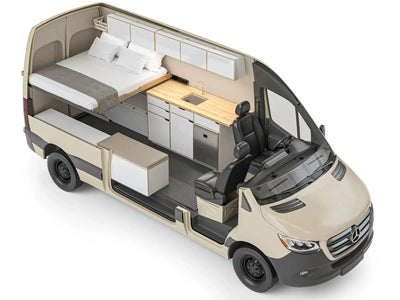
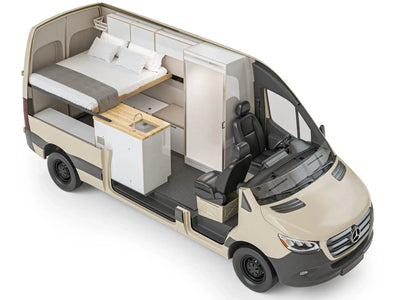
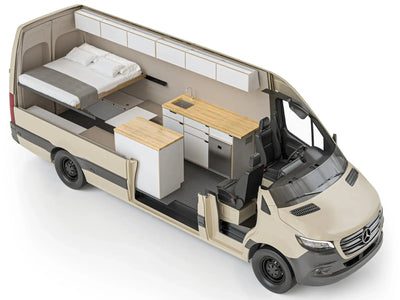
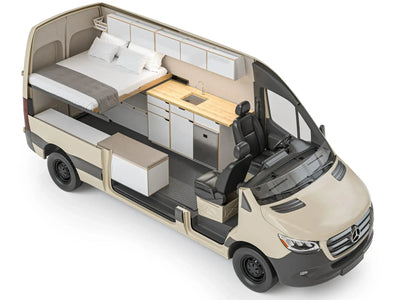
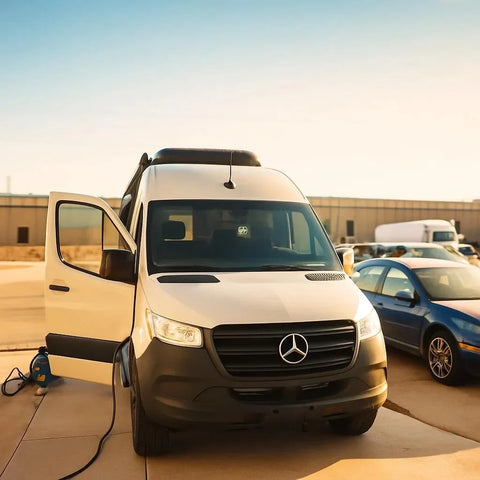
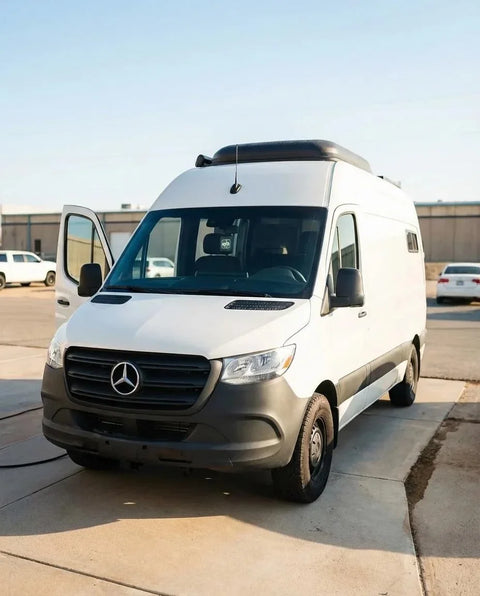
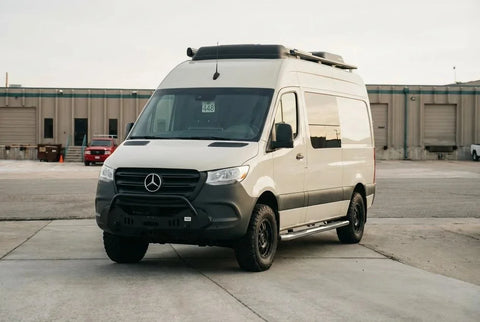
van conversion companies colorado are easiest to judge when you focus on process, not polish. The best local builders can show a written scope, a real build timeline, clear warranty terms, and solid electrical standards before your van ever enters the shop. In Colorado, local access matters too, because follow-up service, delivery orientation, and cold-weather use all shape how your van feels after the first trip. If a builder can document what they install, when they install it, and how they support it later, you're usually looking in the right place.
How to choose among van conversion companies Colorado
Colorado has a strong camper van culture, and that helps explain why so many buyers want a shop they can actually visit. Travel hubs around Boulder, Denver, and other mountain towns make the state a natural place to start a build, especially if you want face time before handing over your van.
That local angle matters because trust is easier to build in person. You can walk the shop, ask hard questions, and get a feel for how the team talks about scheduling, service, and parts, not just design.
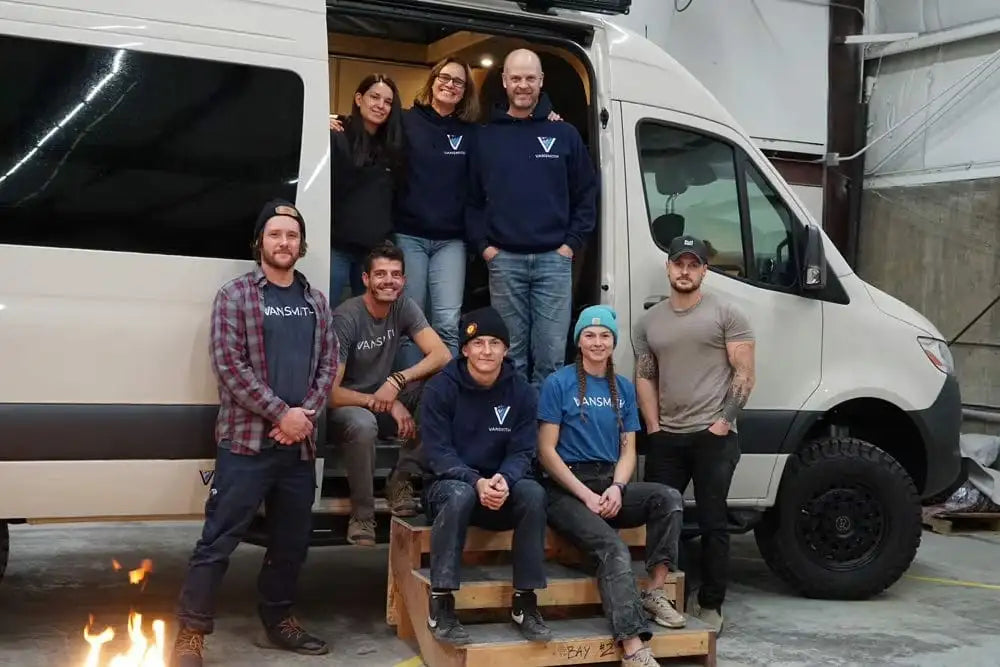
The Vansmith is based in Boulder and says it has been building since 2016. It also says it has built more than 300 vans, which gives buyers a useful experience marker when they weigh a newer shop against a builder with a longer track record. If you're narrowing down platforms, it's worth looking at The Vansmith's Sprinter conversions and Transit conversions to see how that experience shows up in real layouts.
A serious buyer should look past gallery shots and ask how the process works from consult to delivery. The published Our process page is a good example of what that transparency looks like, because it shows how scope, timing, and payment milestones fit together. In our shop experience, local trust and technical skill come down to one simple test, can the builder show what they are installing, when they plan to install it, and who helps you after pickup?
That same mindset lines up with FTC guidance on written estimates and contracts. Buyers should expect the work description, materials, completion date, and price in writing, along with the builder's identifying details and the promises made during the sales talk. That may sound basic, but van budgets can move fast when component lists stay vague.
Why local builder access matters in Colorado
A Colorado-based builder gives you more than a nearby address. It makes in-person consults, drop-off, pickup, and follow-up service much easier, and those are all visible parts of The Vansmith's published process.
The Boulder location matters most after delivery. If the same shop that built the van can inspect it later, troubleshoot a rattle, or help with an upgrade, ownership tends to feel a lot less stressful. That's a big reason many buyers start with a local customize your van conversation instead of mailing a van across the country.
Colorado use is also different from a beach-weekend build. In our experience, four-season mountain travel makes insulation, heat, airflow, and service access more important than lifestyle branding. You notice that fast on a cold trailhead morning.
One thing a lot of owners learn after the first season is that their needs change. A builder that handles full builds and later service work can stay useful for heater installs, solar fixes, or layout tweaks, and that long-term fit matters more than a flashy first impression. If roof height is part of your plan, keep this in mind too, about 90% of our customers choose high roof, and most mid-roof buyers later add one of our pop-tops.
Pickup day is not just a photo moment. The handoff is where owners learn shore power, battery use, water systems, and care basics, which is why delivery orientation should be part of the conversation early. Also, local does not mean instant, so ask how the builder defines start date versus delivery date if the shop already has a queue.
What separates a professional builder from a pretty website
A pro builder should be ready with a written quote, a build sequence, payment milestones, and warranty terms before asking for major funds. That's one reason a clear process page matters so much, because it shows how the shop runs when the project gets real.
Warranty talk should never stay verbal. FTC warranty guidance says buyers should review terms in writing before purchase and make sure spoken promises appear in writing too. If the answer stays fuzzy, that's a signal.
The Vansmith says it keeps build records tied to each van's VIN. That kind of record keeping is a strong sign of service maturity, because the shop can trace installed parts later for repair or warranty work through its warranty approach and support systems.
Buyers should also ask which items are covered by the builder and which follow the maker's own warranty. That split matters most with electrical gear and appliances, where support can get expensive if nobody can explain who owns the next step. In our Boulder shop, the calmest customers are usually the ones who ask for exact parts lists and delivery documents early.
The 4 questions to ask any Colorado van conversion builder
 If you're deep into the buying stage, four questions do most of the heavy lifting. Ask about the real timeline, what the warranty covers, which electrical standards the builder follows, and what records or references they can provide.
Those questions work because they reveal operating discipline, not just taste. A vague answer usually points to vague scope, vague support, or both. That's why we tell people to ask each one in writing and keep the replies with the estimate.
The wording matters. Instead of asking for promises, ask for definitions, like what "10 weeks" actually means, or whether the clock starts at deposit, design approval, or van drop-off. Good builders can answer fast because they already have systems, records, and standard paperwork in place.
Electrical and warranty answers deserve extra attention. In our experience, those are the two areas where costly post-delivery issues tend to show up first if the process was loose on the front end.
Timeline: ask how the builder defines the clock
This one trips up a lot of buyers. The Vansmith's process page says the streamlined process takes about 12 weeks from start to finish, while the homepage says most builds take 8 to 16 weeks from design approval to delivery. That difference is useful because it shows why timeline definitions matter.
A solid builder should explain the sequence, not just the finish line. In The Vansmith's van build blog and its ordering article, the project is broken into stages, with systems integration called out around Week 7 to 10. That kind of detail tells you the schedule is tied to real production steps.
Your timeline question should cover start date, design approval, parts lead times, van drop-off, build duration, punch-list work, and handoff. For a practical benchmark, our semi-custom builds typically run 8 to 10 weeks once design is approved, while custom work can take longer because there are more moving parts.
Ask what can move the schedule too. Design changes, late components, or delays in vehicle delivery can all shift the date, and a builder who can't explain the communication cadence during the build may also struggle to manage expectations once your van is in the shop.
Warranty: ask what is builder-covered versus component-covered
A warranty should be easy to explain in plain language. The Vansmith says it offers a lifetime cabinet warranty for the original owner, and that's a strong example of the kind of workmanship promise buyers should ask other builders to define clearly.
At the same time, many installed parts follow the component maker's own warranty. The Vansmith's warranty guide explains that some electrical gear and appliances fall into that category, with the builder helping coordinate support.
Before you sign, review the warranty terms in writing. You want to know the coverage length, who is eligible, whether it transfers, what voids it, how claims are handled, and who pays for diagnosis or shipping. That may feel like a lot, but it's much easier to sort out before the build than after a part fails on a trip.
VIN-linked build records matter here too, because they let the shop identify the exact installed parts later. In practice, many buyers wish they had also asked how cosmetic wear, rattles, leaks, and cabinet hardware adjustments are handled compared with major structural issues.
Electrical standards, references, and final documentation
Electrical questions should go deeper than "Is it safe?" A stronger question is which standard the builder follows, and whether they can document overcurrent protection, grounding or bonding, wire protection, ventilation, and appliance install details.
RVIA says its inspectors perform unannounced inspections every 6 to 8 weeks at member facilities, and it ties those inspections to adopted standards. RVIA also explains in its NFPA 1192 overview that the standards stack includes NFPA 1192, the National Electrical Code, and ANSI low-voltage standards.
That gives you a very practical buyer filter. If a builder can't explain shore power behavior, inverter limits, fuse maps, and basic maintenance in clean terms, it's harder to trust them with a complex off-grid system.
Documentation matters just as much as the install itself. Ask for recent references on builds like yours, plus manuals, warranty packets, and a final scope summary at delivery. A professional shop should be able to hand over organized records, not a loose pile of boxes and screenshots.
How pricing tiers differ with Colorado camper van companies
 Pricing gets confusing when buyers compare three very different products. Most of the time, they are looking at an entry install package, a semi-custom platform, and a full custom build as if they were the same thing.
That tiered view matches the wider camper van market too. MotorTrend's camper van overview describes a spectrum from simpler setups to fully outfitted conversions, which is exactly why a low headline number can be misleading.
The Vansmith gives buyers a clear Colorado-based entry point with its Foundation builds and a published Foundation package that starts at $8,970. On the other end, its 2026 ready-to-drive Bivy-style lineup gives real anchors for turnkey pricing, and that helps people compare scope instead of guessing.
| Tier or Model | Type | Starting Price |
|---|---|---|
| Foundation | Entry install package | $8,970 |
| Transit Duo | Semi-custom turnkey | $112,450 |
| Sprinter Duo | Semi-custom turnkey | $114,450 |
| Transit Family | Semi-custom turnkey | $117,450 |
| Sprinter Family | Semi-custom turnkey | $119,450 |
The price gap buys very different things. Higher numbers usually reflect more fixed cabinetry, larger electrical systems, integrated plumbing, more labor hours, and more design or engineering time. So the best cost question is not who is cheapest, it's what do I get at this price and what still costs extra.
Entry tier: foundation and component-install builds
The Foundation conversion starts at $8,970, which makes it a useful example of the entry tier. This is not a full camper house on wheels. It's a practical starting point for owners who want pro-installed basics without jumping into a six-figure build.
That path tends to fit people who already own a van and want to improve it in stages. It also works well for owners who later need targeted service like heaters, windows, suspension, battery upgrades, or solar troubleshooting instead of a full rebuild.
Ask exactly what the base package includes and what changes the price. Modular add-ons can move the total quickly, so compare installed value, finish quality, and service support, not just the sticker.
Semi-custom tier: faster decisions, clearer scope
Semi-custom is often the sweet spot for first-time buyers. The Vansmith describes itself as offering tailored and semi-custom builds, which usually means the layout and core systems are proven enough to keep timing and quality more predictable.
Speed is a big part of the appeal. Most builds run 8 to 16 weeks from design approval to delivery, and our semi-custom builds typically land in the 8 to 10 week range, which gives buyers a clearer path from quote to road-ready van.
The 2026 Duo and Family layouts create solid decision anchors for couples and families. Buyers can look at the vans for couples, the family vans, or specific layouts like the DUO XL and Family XL to see how a proven floor plan reduces design fatigue.
That's one reason many buyers end up happiest here. You still get finish choices and platform fit, but you avoid paying to reinvent every detail from scratch.
Full custom tier: when bespoke is worth it
Full custom sits at the expensive end for a reason. More one-off design, more integrated systems, and more fabrication time all add complexity, which lines up with the broader market picture MotorTrend describes.
This tier makes the most sense when your use case is unusual. Maybe you need a work-travel setup, a special sleep plan, heavy gear storage, or a family layout that a standard platform doesn't solve cleanly.
Expect longer design talks and a wider range of price outcomes. The contract should be very specific here, with exact brands, allowances, change-order rules, and a clear definition of what counts as complete. In our experience, the most common regret is overbuilding for fantasy trips instead of the 90 percent use case you'll actually live with.
What The Vansmith’s Boulder process looks like
A mature builder process should be visible before you sign anything. The Vansmith's published flow from consultation to delivery is a good local example of what that maturity looks like when scope, timing, and support are all spelled out.
The process includes a $2,500 deposit to secure a build slot, then staged payments at design approval, van drop-off, and pickup. That structure gives buyers a concrete model for how a serious shop reserves production time and ties payments to project milestones.
Timeline wording matters here too. The site says the streamlined process takes about 12 weeks from start to finish, while other site language says most builds take 8 to 16 weeks from design approval to delivery, which is another reminder to define the clock before you commit.
As of 2026, The Vansmith also notes a 4.8-star Google rating across 85-plus reviews. That's useful social proof, but we think the stronger signal is that the process, payment flow, and support expectations are visible enough for a buyer to question.
From consultation to design approval
The early phase starts with consultation and quoting, then moves into design approval. That's the point where layout, systems, options, and payment timing should get clear in writing before the van enters production.
The $2,500 deposit secures a build slot, which is a practical sign that the builder is managing real capacity. Semi-custom builds move faster here because the core layout choices are already tested, and that helps keep many projects in the 8 to 10 week build window once design is approved.
The best buyers come into this stage with a clear use case. Couples travel, family travel, bikes, skis, dogs, remote work, and winter camping all push the design in different ways. A good builder should also explain what can still change after design approval and what changes will affect timing or cost.
Build cadence, communication, and handoff
The build should follow a sequence, not a scramble. The ordering article points to systems integration around Week 7 to 10, which shows that electrical, plumbing, and related systems are scheduled with intention.
Procurement, build updates, delivery, and orientation should all have a place in the communication plan. That gives buyers a simple checklist for what to expect while the van is in the shop, and it usually leads to fewer last-minute surprises.
Delivery should include owner education, not just keys. Owners need to know how to use shore power, battery systems, water systems, and daily controls, and a final punch-list and signoff help confirm the van matches the approved scope. This is also when manuals, warranty packets, and service expectations should be organized for the owner.
After-sale support and why it matters
After-sale support is where a lot of builders start to look different. The Vansmith's lifetime cabinet warranty for the original owner stands out because cabinetry is one of the most used parts of the interior and one of the first things you'll notice if it wasn't built well.
The support model also matters for parts that follow maker warranties. The shop explains that some installed components carry manufacturer coverage, while the builder helps coordinate support, which is a much smoother setup than leaving owners to sort everything out alone.
VIN-linked build records make later service much easier because the shop can identify the exact installed parts. In our Boulder shop, many owners come back for upgrades, seasonal service, and troubleshooting after they learn how they really use the van, and that's one reason a local relationship keeps paying off.
If you want that kind of long-term support path, it's smart to start with a direct contact us conversation. For many buyers, after-sale support is what turns a complex van into something that feels simple to own.
Red flags before you hire a custom van builder near me
Red flags usually show up in paperwork, standards, and support, not in the photo gallery. A polished website can hide a loose process, so it's worth paying attention to the boring stuff early.
If a builder won't provide a written estimate with the work description, materials, completion date, and price, that's a major warning sign. The same goes for warranty promises that stay verbal instead of appearing in the contract or warranty packet.
Technical vagueness should also concern you. If the builder can't explain what electrical standard they follow, when the timeline starts, what can delay the schedule, or how service records are handled, the quoted plan may be more marketing than operations.
References matter too, especially for builds like yours. If there is no plan for final documentation, service records, and orientation, the van may be harder to maintain, troubleshoot, or even enjoy after delivery.
Contract and payment warning signs
Contracts should include the builder's identifying information, start and completion dates, and the promises made during the sales process. Missing basics are not a small issue. They are often the first clue that the shop is running on memory instead of systems.
A builder should also explain what the deposit does, how payment milestones work, and what happens if the scope changes. The Vansmith's staged payment structure is a useful example because it ties money to clear phases instead of leaving the whole project vague.
Ask how change orders are priced and approved. Also ask whether the contract names exact component brands or just broad categories, because "battery system" is not the same thing as a specific installed setup. Well-run shops usually welcome detailed paperwork because it protects both sides.
Technical and service warning signs
Quality control should be easy to talk about. Since RVIA member facilities receive unannounced inspections every 6 to 8 weeks, it's fair to ask any non-member builder what equivalent inspection or quality-control process they use.
A responsible builder should be able to discuss shore power, inverter or charger integration, low-voltage circuits, overcurrent protection, and grounding or bonding in plain language. If those answers feel evasive, that's a problem.
No documentation at handoff is another service red flag. Future troubleshooting depends on knowing what was installed and how it was wired, and builders who don't maintain VIN-linked records make later repairs slower because the tech has to rediscover the build each time.
Watch for shops that disappear after delivery or push every service question onto the part maker. The best technical builders are usually the easiest to question because they already have standards, diagrams, and service processes ready to show.
FAQ
How do I choose between van conversion companies in Colorado?
Start with four questions, timeline, warranty, electrical standards, and documentation. FTC guidance says estimates should include the work description, materials, completion date, and price, while RVIA ties RV builds to standards such as NFPA 1192, NEC, and ANSI low-voltage frameworks. If a builder can answer those clearly and in writing, you're usually looking at a stronger operation.
What is a realistic build timeline for a Colorado van conversion?
It depends on how the builder defines the clock. The Vansmith says its streamlined process takes about 12 weeks from start to finish, its homepage says most builds take 8 to 16 weeks from design approval to delivery, and its semi-custom builds typically run 8 to 10 weeks. The key is to ask what event starts the timeline and what can move it.
What should a van conversion warranty include?
A good warranty should clearly separate builder-covered work from component maker coverage. The Vansmith says it offers a lifetime cabinet warranty for the original owner and notes that many electrical parts follow the maker's warranty with builder help for coordination. You should also ask about eligibility, transfer rules, claim response time, and what costs you may still carry.
Are RVIA or NFPA standards important for a custom van build?
Yes. RVIA says member manufacturers are inspected on an unannounced basis every 6 to 8 weeks for compliance with adopted standards, and it connects those standards to NFPA 1192, the National Electrical Code, and ANSI low-voltage guidance. Even if a builder is not an RVIA member, they should be able to explain what standards they follow and how they document that work.
How much do Colorado camper van companies charge?
Prices vary a lot by tier. The Vansmith's Foundation package starts at $8,970, while its 2026 ready-to-drive layouts range from $112,450 for a Transit Duo to $119,450 for a Sprinter Family. That spread shows why you need to compare scope, systems, and support, not just the headline number.
Why does a local custom van builder near me matter after delivery?
Local support makes orientation, warranty help, troubleshooting, and later upgrades much easier. The Vansmith's Boulder-based process includes delivery orientation, and its service model uses VIN-linked build records to identify installed parts later. That means less guesswork when something needs attention after your first few trips.
About the author

Eugene Smit
CEO
Eugene is the CEO of The Vansmith, based in Boulder, Colorado. He writes across topics related to van builds, ownership, and the camper van industry.
Read more about Eugene