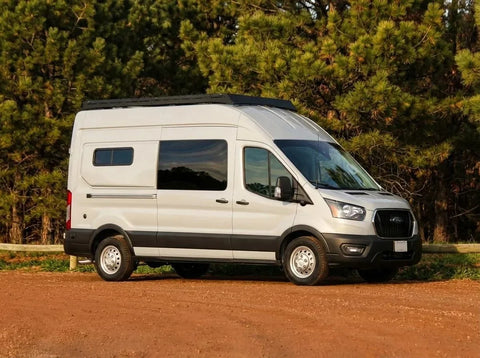
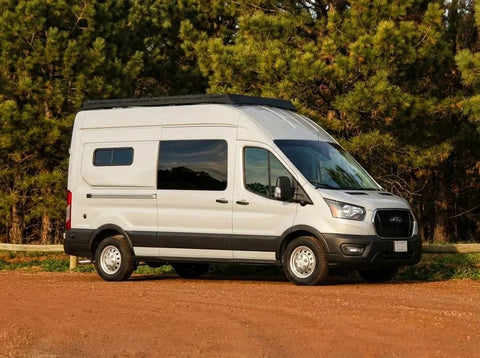
Camper van depreciation is real, but well-built Class B vans often hold value better than bigger RVs. A typical camper van may lose about 30% to 40% of its value over five years, though the range can swing with market conditions, mileage, and build quality. In today’s market, used camper vans still tend to have a stronger resale base than many larger motorhomes, especially when the chassis is clean, the build is durable, and the records are easy to follow. That matters if you’re weighing new versus used, or trying to decide if a premium build is worth the higher sticker. A van that ages well can cost less in the long run, even if it costs more on day one.
Camper van depreciation is real, but Class B vans often hold value better than bigger RVs
JD Power is clear on the big picture. RVs do depreciate, and the pattern is not the same across every class. That’s useful because a camper van should not be judged on the same curve as a large Class A or Class C motorhome.
Brand strength also plays a real role over time, according to JD Power. That tends to matter more in the premium van world, where buyers often care who built the coach and how well it has held up. In our Boulder shop, the vans that resell with the least drama usually are not the ones with the longest option sheet. They’re the ones with cleaner fit and finish, fewer wear spots, and a tidy service file.
Black Book’s Q2 2026 RV market update says motorhome pricing kept easing into early 2026, but Class B units stayed more resilient than the broader motorhome market. Its Q1 2026 update adds an important detail. Demand cooled from the wild pandemic peak, but it did not fall apart.
That’s why it helps to start with the segment itself. A well-built Class B lives in a different resale market than a bigger RV. For buyers looking at Sprinter conversions or Transit conversions, the used market base is still stronger than many RV categories, but the final resale number still depends on chassis condition and build quality.
Why the Class B segment is more resilient
Part of the reason is simple. Black Book points to versatility and lifestyle appeal, and that tracks with what we see. A camper van can attract a classic RV buyer, but it can also pull in someone cross-shopping an everyday adventure vehicle.
Because these vans sit on automotive chassis, buyers often judge them through two lenses at once. JD Power’s market framing helps explain why that can support demand better than in towables or larger motorhomes. A used van may feel more familiar to buy, drive, and own.
RVIA’s March 2026 Full Market Report tracks Type B motorhomes as their own segment. That matters because supply and demand here should be read apart from the rest of the RV market. If supply grows fast, later resale pricing can feel more pressure. If supply stays tighter, values usually have more support.
Exit strategy matters more than people think. If you may sell in a few years, a smaller and more versatile van often has a broader resale audience. In practice, Sprinter-based vans tend to benefit from strong name recognition in the used market. Transit-based vans can also resell well, especially when the build is clean and the systems are easy to understand for the next owner.
Why depreciation is not a straight line
Black Book’s 2026 updates describe a normalization market, not a neat yearly drop. That means age is only part of the story. Broad market swings can move resale almost as much as the calendar does.
Condition, mileage, and feature content now drive a lot of auction and wholesale results. So two vans from the same model year can land far apart in value. One might have tight cabinets, clean records, and smart gear. The other might have rattles, water damage, and a lot of guesswork.
Recent comps can also fool buyers. Pandemic-era pricing pushed some used camper vans to unusual highs, so those peaks are not a safe guide for normal long-term depreciation. JD Power’s RV values portal is best used as a baseline, not a final answer.
In our experience, the biggest spread often shows up at the first resale event. That’s the moment when a premium build’s durability gets compared against a cheaper build’s visible wear, dated finishes, and cabinet noise. A three-year-old van with careful records can easily be a better buy than a newer one with poor upkeep. Big difference.
What camper van depreciation looks like in the real market
There is no clean public chart that shows year-by-year depreciation for every custom camper van. The most honest way to read the market is to combine JD Power value baselines, Black Book direction, and real resale behavior. That gives you a range, not a magic number.
JD Power is one of the standard public starting points for used-value lookups by make, model, and year. Black Book then adds what static guides can’t show, which is where the market is moving right now. In 2026, broad motorhome prices softened, but Class B units stayed relatively stronger. That helps explain why camper van resale curves often look flatter than many buyers expect.
Still, wholesale pricing is very condition-sensitive. Buyers should expect a wide resale band, not one fixed depreciation rate for every van. In our shop, chassis age and mileage usually set the floor. Cabinetry quality, systems health, and documentation decide how far above that floor a seller can ask.
That’s why build quality is a money issue, not just a style issue. If you’re planning your own van, The Vansmith’s customize your van path and our process page show the kind of structure and records that help later resale make more sense.
How to read value curves without over-trusting them
Value guides are useful because they organize pricing by year and model. But they are benchmarks, not promises. Real deals move up or down based on local demand, equipment, and wear.
Black Book’s market notes help fill that gap. They show whether a segment is rising, cooling, or just settling into a more normal pattern. That context matters if you’re trying to judge whether a used listing is fairly priced or still leaning on old peak-era comps.
Feature content can help, but only to a point. A van with premium lithium power, heat, and four-season gear may not pay back every dollar spent on options. It can still be easier to sell, though, and it may need less discounting than a stripped build. On the flip side, very personal layouts or rough add-ons can shrink the buyer pool fast.
A realistic comp should match more than model year. Try to compare similar chassis, similar layout type, similar system age, and similar records. Model-year clarity matters too, especially on custom builds where the chassis year and conversion finish date may not match. That’s one reason buyers like clear paperwork and easy-to-trace timelines.
A practical buy-new vs buy-used framework
Buying new usually means paying the highest upfront price. It also means you know the build quality, the service starting point, and the warranty paperwork from day one. That can remove a lot of guesswork.
Buying used can cut the first depreciation hit, but only if the records are strong enough to avoid ugly surprises. The FTC’s used-vehicle guidance is a good fit here. Get promises in writing, review warranty terms, and look closely at vehicle history information.
You should also check the chassis VIN before you buy. The NHTSA recall lookup lets you see whether open recalls exist on the chassis. That can affect confidence today and resale ease later.
In our experience, used vans without organized records usually need a larger resale discount, even when they look decent in photos. A well-documented premium build can justify a stronger ask because the next owner can see what was installed, how it was serviced, and who built it. If you’ll keep the van only a few years, that can matter more than saving a little upfront.
What preserves camper van resale value most
Black Book says current RV pricing is increasingly driven by condition, mileage, and feature content. Those are the three biggest levers for value retention in a camper van. JD Power adds brand strength, which helps explain why respected premium builders can inspire more trust in the used market.
Custom vans add one more layer. Documentation matters more here than in many mass-produced RVs because buyers want proof of what systems were installed, when they went in, and who did the work. The FTC’s focus on written promises and warranty coverage fits that reality well, and NHTSA helps on the chassis side with VIN-based recall checks.
In our shop, cabinetry durability is one of the fastest visual signals buyers use. You can feel it right away. A van with quiet cabinets, even gaps, and solid latches feels cared for before anyone checks the batteries or water system.
That means resale value is often preserved by boring fundamentals. Lower wear, fewer leaks, cleaner records, simpler service history, and fewer mystery add-ons usually win. If you’re exploring layout options, our vans for couples and family vans collections show the kind of restrained layouts that tend to age well.
Mileage, maintenance, and chassis history
Black Book is direct on this point. Mileage is a stronger pricing driver in today’s RV market than many generic calculators suggest. So chassis miles matter, and they matter a lot.
Still, low miles alone do not guarantee a better van. A lower-mile camper with weak maintenance records is not automatically worth more than a higher-mile van with complete documentation and clear signs of care. Oil changes, tires, brakes, suspension work, and heater or electrical service all help the next buyer price the van with less fear.
For sprinter camper depreciation, buyers often watch mileage very closely. The premium badge raises expectations, and replacement costs can be higher. Transit vans usually attract more value-minded buyers, so a clear maintenance story can be the deciding factor that keeps resale strong. A clean chassis story often separates a fast sale from a stale listing.
Build quality, cabinetry, and leak prevention
Airstream’s touring-coach materials put a lot of emphasis on handcrafted cabinetry, in-house woodshop work, and quality control. That’s a good example of how premium makers frame interior durability as part of long-term ownership value. It’s not just about looking sharp on delivery day.
Airstream also highlights water testing and pre-delivery quality checks on its touring coaches. That matters because moisture intrusion and finish failure can crush resale in any camper van. Buyers notice swollen wood, loose faces, and soft spots fast. They don’t forget them either.
Cabinet alignment, hinge quality, latch strength, and panel fit all shape how used a van feels after years on the road. In our experience, cabinet rattles, delaminating faces, swollen wood near plumbing, and uneven hardware wear are the cosmetic problems that drag value down quickest. Premium cabinetry won’t stop depreciation, but it can slow the visible aging that forces steeper price cuts.
The Vansmith backs its cabinetry with a lifetime cabinet warranty, and that sends a very concrete signal to future buyers. Confidence sells. If you want to see how that idea carries through a build, our Foundation builds and DUO XL layout give a useful look at durable, serviceable design.
Cost comparison: cheaper upfront vs stronger resale
A lower sticker price does not always mean lower ownership cost. The better comparison is purchase price minus likely resale value after a few years. That’s where build quality starts to look less like a luxury and more like a financial choice.
| Model | Platform | 2026 Starting Price |
|---|---|---|
| Duo | Transit | $112,450 |
| Duo | Sprinter | $114,450 |
| Family | Transit | $117,450 |
| Family | Sprinter | $119,450 |
As of 2026, those are The Vansmith’s starting prices for ready-to-drive and semi-custom paths. Bivy models are sold ready to drive, while semi-custom builds usually take 8 to 10 weeks. So buyers can choose speed or more personalization, depending on what matters most.
Black Book’s 2026 updates support paying close attention to condition and feature content because those factors can preserve more value than many buyers expect in the Class B segment. In our experience, a durable premium build can be the less expensive choice over a three- to five-year window if it sells faster and closer to asking price. The Vansmith’s public 4.8-star Google rating across 85-plus reviews can help there too, because buyers often want proof that the original builder is established and still serviceable.
If you’re comparing layouts, our Family XL layout and contact page are good next steps. Pricing is only one part of the picture. Support after the sale matters just as much.
Why premium builds can pencil out better
JD Power’s focus on brand strength helps explain why respected builders and known premium names can retain value better than generic conversions. Buyers are not just paying for parts. They are paying for trust.
Black Book’s emphasis on condition and feature content shows why premium materials and better system integration can have real resale effects. A van with organized wiring, documented components, and cleaner finish work is easier for the second owner to trust. It is also easier for a service shop to support later.
That trust often narrows the negotiation spread at resale. A cheaper custom build can look good at first, but lose ground fast if cabinets loosen, finishes wear early, or records are thin. For buyers financing a van, stronger resale can soften the blow if plans change earlier than expected.
The simple test is this. Paying more upfront only makes sense if the quality is durable enough to show up again when you sell. That’s the whole game.
When buying used is the smarter move
A used premium camper van can be a very smart buy when the first owner already absorbed the steepest early depreciation. The key is making sure the van still has clean records and low visible wear. Proven quality at a discount is a good trade.
The FTC’s guidance on warranty terms and written promises matters even more when a used van has aftermarket systems with separate coverage. Buyers should also confirm chassis recall status through NHTSA and ask for service documents on major systems before assuming a used van is a bargain. A flashy van with weak paperwork can become hard to own and hard to sell.
In our experience, the best used buys are often lightly traveled vans with timeless layouts, not heavily personalized one-off builds. If the layout fits your life and the build quality is proven, used can be the most cost-efficient way into premium Class B ownership. Just don’t confuse deferred maintenance with a deal.
How to buy a van that depreciates more gracefully
Start with the segment. A Class B camper van generally has a stronger resale base than many larger RV classes in the current market. That gives you a better foundation before you even compare brands, floor plans, or finish choices.
Next, look at builder reputation, chassis history, and documentation before you get distracted by decor or social-friendly add-ons. Use JD Power as a baseline for used value, then adjust for mileage, condition, feature content, and records. Verify the VIN through NHTSA and keep every service and warranty record organized from day one.
For custom builds, model-year clarity matters too. Buyers need to know both the chassis year and the conversion timeline to judge fair value. In our Boulder shop, the vans that age best on paper are usually the ones that still look credible, serviceable, and easy to explain three to five years later.
The Vansmith’s semi-custom process, Boulder service base, and lifetime cabinet warranty are a practical example of that resale-first mindset. Most of our customers choose high-roof vans because they simply work better for long-term comfort and broad resale appeal. Mid-roof buyers often come back later for pop-tops, which says a lot about how people use these vans in real life.
A resale-focused checklist before you buy
First, confirm what kind of van you are looking at. Is it a factory Class B, a dealer conversion, or a custom build? Valuation methods and buyer expectations can differ a lot between those categories.
Then match the VIN to NHTSA recall records and ask for proof that recall work was completed. Request maintenance records, warranty paperwork, and written documentation for installed systems. Also check that the model year is clear for both the chassis and the completed conversion, since that helps used-value clarity later.
After that, inspect the interior with a resale lens. Look closely at cabinetry, hardware, water-prone areas, and finish details because visible wear has an outsized effect on buyer confidence. One thing a lot of builders overlook is service support. Ask who will work on the van after the sale. A supported build is easier to own and easier to sell.
If you want a current example of a resale-conscious premium build, The Vansmith’s Duo and Family lines offer transparent 2026 pricing and an established support path in Boulder. You can also browse more ideas through the van build blog and the DIY blog.
Where The Vansmith fits in this decision
The Vansmith focuses on Mercedes Sprinter and Ford Transit high-roof cargo van conversions. That lines up with the two platforms most relevant to buyers who want durable, premium Class B-style adventure vans. We do service work on other vans too, but Sprinter and Transit are the core conversion platforms.
As of 2026, buyers can compare a Transit Duo at $112,450 with a Sprinter Duo at $114,450. Family layouts start at $117,450 for Transit and $119,450 for Sprinter. Semi-custom builds usually take 8 to 10 weeks, which gives buyers a middle ground between a one-off project and an off-the-lot mass-produced RV.
The lifetime cabinet warranty directly supports the biggest point in this article. Cabinetry quality affects long-term value retention. The 4.8-star Google rating across 85-plus reviews adds a public trust signal that can matter when buyers think about future resale and ongoing support.
So this is not just a brand mention. It’s a practical case study in paying for durability, serviceability, and layout restraint rather than paying for a long list of fragile features. If depreciation is on your mind, that’s the lens worth using.
FAQ
Do camper vans hold their value better than other RVs?
Often, yes. Black Book’s Q1 and Q2 2026 updates say Class B units stayed relatively resilient even while broader motorhome pricing eased. That suggests camper vans generally hold value better than many larger RV categories. Brand strength, condition, mileage, and feature content still make a big difference from one van to the next.
What hurts camper van resale value the most?
The biggest hits usually come from high or poorly documented mileage, visible interior wear, unresolved recalls, water damage, and missing service records. Black Book points to condition, mileage, and feature content as major pricing drivers. The FTC and NHTSA support the same idea from another angle, because clean records and a clear VIN story reduce buyer fear.
Does sprinter camper depreciation differ from other camper vans?
It can. JD Power notes that brand strength affects RV depreciation, and Sprinter-based vans often benefit from strong market recognition. At the same time, buyers tend to scrutinize mileage and maintenance more closely because the chassis sits at the premium end of the segment. So a Sprinter may bring stronger resale confidence, but only if the records and condition back it up.
Why does cabinetry affect camper van resale value so much?
Cabinetry is one of the first things a buyer sees and hears. Premium touring-coach brands like Airstream put so much focus on cabinetry and quality control because fit, finish, and durability shape long-term condition. In used vans, rattles, swelling, loose hardware, and worn faces quickly lower perceived value, even before anyone checks the systems.
Is buying a used camper van better for avoiding depreciation?
Sometimes, but only if the used van is well documented. Buying used can let the first owner absorb the biggest early depreciation hit, but you still need to review warranty terms, written promises, and vehicle history carefully. NHTSA’s VIN recall tool also helps confirm chassis status before you buy, which can save headaches later.
What is a resale-conscious price point for a premium custom van in 2026?
As of 2026, The Vansmith’s pricing starts at $112,450 for the Transit Duo and $114,450 for the Sprinter Duo. Family layouts start at $117,450 for Transit and $119,450 for Sprinter. The bigger point is not just the sticker. It’s whether the build quality and documentation help preserve more value later.
About the author

Eugene Smit
CEO
Eugene is the CEO of The Vansmith, based in Boulder, Colorado. He writes across topics related to van builds, ownership, and the camper van industry.
Read more about Eugene