By Eugene, CEO, February 8, 2026
Introduction - why this decision matters now

Choosing between buying a new or pre-built camper van and starting a custom build is one of the first big choices for anyone headed toward van life. If you are weighing pre built camper vans against custom options, this choice affects your road timing and your upfront and long-term costs. It also shapes your guarantee details and how well the final layout matches your needs.
This guide walks through the pros and cons so you can match what matters most to you to a clear choice. I've seen buyers start with a pre-built van, spend a season learning what really matters to them, and then make focused changes that paid off in real use.
Quick comparison: new/pre-built vs custom builds

At a high level: new and pre-built vans offer solid work, speed, and factory-backed protection. Custom builds offer precise, purpose-made layouts and systems but require project control, higher changing costs, and time. Put simply, think speed and dependability versus a personal setup.
At Vansmith, nearly nine out of ten buyers choose high-roof platforms because they prefer the extra standing room and inside flexibility. Many mid-roof buyers later add a pop-top when they want more height.
Definitions and variations (factory-built, dealer upfit, professional conversion, DIY)
Factory-made or dealer upfits are done by makers or approved dealers (RVIA) and often include standard systems and warranties. Pro conversions are done by special shops that design and build inside spaces to spec. DIY builds range from simple, weekend projects to full conversions - they save money but demand skills, tools, and time.
Side-by-side summary (cost, timeline, customization, warranty, resale)
- Cost: Pre-built concentrates cost up front; custom builds often cost more overall when professional labor and high-end systems are included.
- Timeline: Pre-built means immediate or short lead times; custom builds can take weeks to several months depending on scope and shop backlog.
- Customization: Custom wins for unique needs; pre-built wins for turnkey reliability.
- Warranty: Factory and dealer vans often include vehicle warranties that remain intact (Consumer Reports); custom work may or may not come with robust component warranties.
- Resale: Standardized, well-documented pre-built vans appeal to a broader market; heavily customized vans may limit buyer pool unless the upgrades are broadly useful and well-documented.
Who should buy a pre-built/new camper van

Use cases (immediate travel, limited project bandwidth, resale-focused buyers)
Buy pre-built if you need to travel now, want solid service and warranty protection, or prefer an easier ownership setup. Pre-built vans are also a good choice if resale value and broad market appeal matter to you.
For couples and families who want turnkey comfort with solid systems and clean finishes, a pre-built van often gives the best mix of ease and use. In our experience, couples often tell us they like being able to take a weekend trip the week they buy, then plan changes from real experience.
Financial picture (upfront cost, warranty value, financing options)
Pre-built vans can be paid for as a bundle through dealers or lenders, and the factory guarantees add real value that can save money on repairs. When you compare numbers on a turnkey camper van or a prebuilt campervan for sale, factor in the guarantee and lower project risk. A slightly higher upfront price can be worth it because of less hassle and faster time to use.
What to inspect/ask when buying pre-built (warranty, systems, service history)
- Confirm which vehicle and component warranties remain in effect after upfitting.
- Ask for documentation for electrical, plumbing, and any installed appliances.
- Request service history, warranty transferability, and how modifications affect factory coverage.
Who should choose a custom van build
Use cases (unique layout needs, off-grid systems, long-term liveaboards)
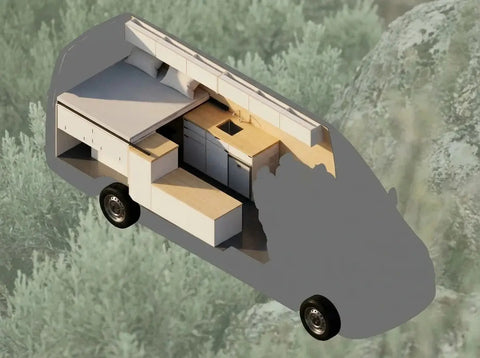
Choose a custom build if you require a layout or systems that are not sold off the shelf. For example, you might need large off-grid power, custom cabinets, or layouts for full-time living with kids and gear. Builders can tailor storage, sleeping setups, and systems so the van truly fits your routine rather than forcing you to adapt to a pre-built layout.
Typical custom build components that add time/cost (insulation, electrical, plumbing, cabinetry)
Major cost drivers include large battery banks and solar arrays, pro electric design and install, custom cabinets, built-in plumbing and hot-water systems, and special appliances. Each adds hours of skilled labor and raises parts lead times.
How to vet a builder and manage scope
Ask builders for timelines, a written quote with key steps, warranty protection on labor and parts, references, and a process for changes. Project management is a two-way street; clear scope meaning up front cuts down on changes and keeps costs under control.
Timelines: custom van build timeline and expectations
Typical timeline ranges and factors that lengthen builds (design revisions, permits, parts lead times, shop backlog)
Simple builds can finish in a few weeks; full pro conversions more often take a few months. Changes, custom parts, and busy shop schedules are the main causes of delay. Ask for a step-by-step plan and build-phase sign-offs so you can plan travel around real delivery dates.
Faster alternatives (modular conversions, pre-fab modules, partial builder work)
If you need speed with custom work, think about block pre-fab inserts or partial builder work. Many buyers purchase a pre-built van and add chosen custom changes over time; this hybrid approach spreads cost and cuts time to get on the road.
Costs: breakdown and common budget scenarios
Cost categories (vehicle, labor, materials, appliances, electrical/solar, plumbing, permits)
Budget buckets include the van itself, pro labor, parts and cabinets, appliances, electric systems and batteries, plumbing, and any special permits or checks required. DIY labor cuts cost but raises the risk of mistakes that cost more later.
Sample budget tiers (entry-level, mid-range, full-spec) with example cost drivers
- Entry-level: Minimal systems and basic cabinetry. Lower cost but limited off-grid capability.
- Mid-range: Reliable electrical with modest solar, quality cabinetry, and upgraded heating. Common for couples wanting year-round comfort.
- Full-spec: High-capacity electrical, integrated hot water, premium appliances, and custom cabinetry - typical for long-term liveaboards.
Buy vs build decision flow - practical checklist
Quick decision matrix (timeline, budget, travel goals, DIY skill)
Ask yourself: Do I need to travel in the next few weeks or months? Is resale or guarantee a big deal? Do I have the skills and time for a DIY or the budget for a pro build?
If you need speed and trust, buy pre-built. If you need a unique layout and can wait, build custom.
Steps if you choose to buy now (inspection checklist, negotiation tips, warranty/financing)
- Inspect component documentation and ask for warranty transferability.
- Test systems: electrical, water, heating, and appliances.
- Negotiate on add-ons or service packages and confirm financing options if needed.
Steps if you choose to build/wait (selecting builder, contract items, timeline milestones)
- Request a detailed contract with milestones, payment schedule, and warranty terms.
- Confirm who sources parts and how changes are handled.
- Plan for contingency time and budget for unexpected issues.
Resale and long-term value considerations
How customization affects resale and marketability
Highly special layouts can narrow your buyer pool. To protect value, write down all work, keep systems standard where you can, and keep receipts and warranties. Well-done, high-end changes that improve trust or ability often add value.
Strategies to protect value (documenting work, standardizing systems)
Keep thorough records, use widely known parts, and avoid overly unique choices that might deter future buyers.
Case studies / example scenarios
Weekend warrior who bought new and modified later
Many buyers start with a pre-built van and add a few custom changes after real-world use. This approach spreads cost and helps you learn what changes matter most.
Full-time traveler who waited for a custom build
Buyers planning full-time living often opt to wait and invest in a custom build shaped for long off-grid use and tough systems.
Ready to move from research to your own build? explore our services to see how we handle adventure van build options from pre-built layouts to fully custom designs.
Conclusion and recommended next steps
Decide by weighing timing, budget, and how exact your layout needs to be. If you need to hit the road quickly with solid systems and warranty protection, a new or pre-built van is often the best path.
If you need a bespoke layout and have the time and budget, a custom build will give you a van shaped to your life. For many buyers, a hybrid approach - buy pre-built and upgrade in stages - offers the best balance.
Quick checklist to decide today
- Timeline: Need to travel soon? Lean pre-built.
- Budget: Limited budget and time? Consider used pre-built or entry-level options.
- Customization needs: Highly specific systems or full-time plans? Consider custom build.
Resources and where to get quotes
Get written quotes, step-by-step plans, and warranties from builders before signing on. If you want to explore Vansmith options, check our groups and pages such as Camper Vans For Sale (Now) and Foundation builds. You can also review the Vansmith's Guide to Buying a New Mercedes Sprinter for orientation and stock updates.
FAQ
How long does a custom van build usually take?
Custom build timelines vary a lot, from a few weeks for simple installs to a few months for full pro conversions. Factors include system detail, parts lead times, design changes, and shop backlog. Ask builders for a clear schedule and step-by-step plan before signing on.
What does a typical van conversion cost?
Costs depend on scope. Basic or DIY conversions can be done for under $10,000 (van not included).
Mid-range pro builds often range from $20,000 to $60,000, and luxury full-spec builds can exceed $100,000. Major cost drivers are labor, solar and electric systems, appliances, and high-end cabinets.
Is it cheaper to buy a pre-built camper van or to build one myself?
Buying a used or factory-made van can be cheaper and faster than a pro custom build when you factor labor and specialist systems. DIY builds can save money but require time, tools, and skill and may lead to higher long-term costs if systems are not put in the right way.
What questions should I ask a builder before starting a custom van project?
Ask about schedule and key steps, a clear written quote, warranty on labor and parts, references or past work, insurance and risk coverage, change-order steps, and who sources parts. Confirm how changes affect vehicle warranty.
Can I buy a pre-built van now and upgrade it later?
Yes. Many buyers purchase a pre-built or lightly built-out van to start travel right away and then add custom parts over time. This hybrid approach can spread cost and let you learn what changes matter most from real usage.
Ready to compare current stock or get a custom quote? Browse available camper vans or request a custom quote.
About the author

Eugene Smit
CEO
Eugene is the CEO of The Vansmith, based in Boulder, Colorado. He writes across topics related to van builds, ownership, and the camper van industry.
Read more about Eugene