By Carin, March 6, 2026
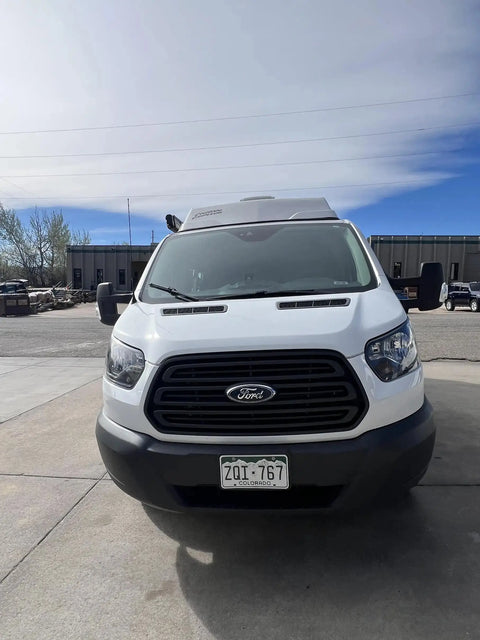
The Ford Transit camper van offers easy-to-build-in space and broad dealer support. (Ford) It also has a mix of roof heights and lengths that make it a strong platform (Ford) for both DIY and pro builds. Its boxy cargo bay and factory high-roof make cabinetry and standing-room layouts simpler. Common engine options and a large service network keep long-distance ownership practical.
For buyers who put standing room, easy service, and steady conversion costs first, the Transit is a top choice. If you like, think of it as a solid blank slate that lots of builders return to when they want a simple, durable build.
Introduction: Why choose a Ford Transit for a camper van?

Short overview of Transit line and popularity in vanlife
The Transit family spans many lengths, wheelbases, and roof heights (Ford), which is why it is so well liked among vanlifers and builders. (Ford) From short-wheelbase city rigs to long-wheelbase high-roof platforms, the Transit covers common layout needs for solo travelers, couples, and small families.
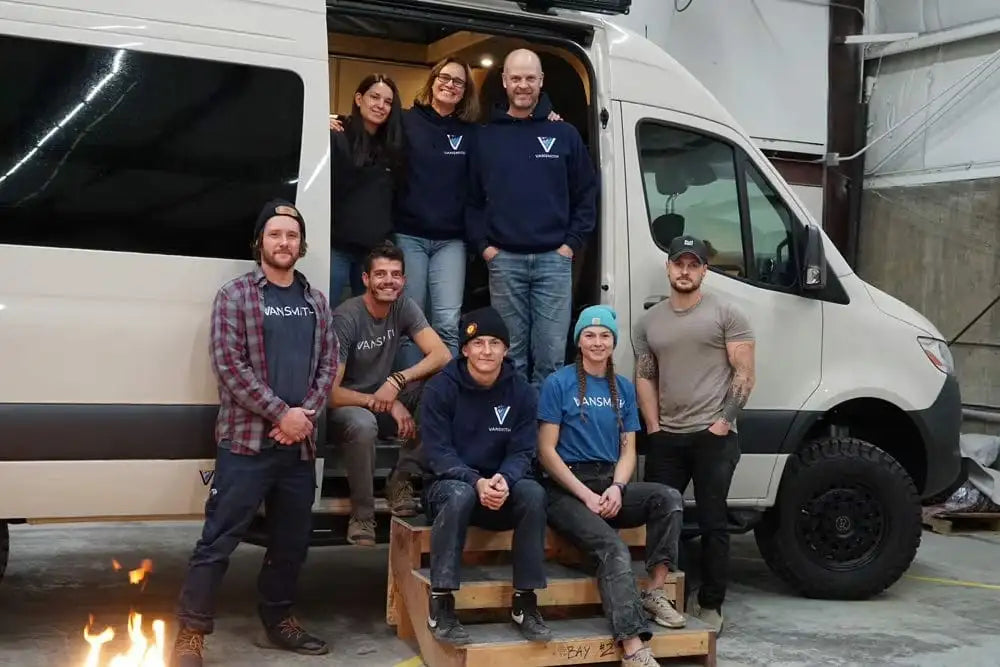
Vansmith builds often use the Ford Transit camper van chassis because it balances inside space with wide parts access. Over the years we have seen the same useful details keep people coming back to this platform.
- Clarify your layout priorities first. Decide if your Ford Transit camper van needs a fixed bed, workspace, or larger kitchen, then choose wheelbase and roof height to match.
- Match roof height to how you camp. A high roof is ideal for full-time or four-season use, while a medium roof can work for weekend trips or with a pop-top.
- Right-size the powertrain. Pick gas or EcoBoost for lighter builds and easier service access, and consider diesel if you expect heavy payloads or frequent mountain driving.
- Plan a realistic weight budget. Add up insulation, cabinetry, water, batteries, and gear so you stay within the Transit’s payload rating and avoid overloading.
- Use the boxy interior to your advantage. Run cabinets and bed platforms tight to the straight walls to maximize storage and walking space.
- Design for serviceability. Keep electrical, plumbing, and mechanical access panels easy to reach so dealer or shop visits stay simple on long trips.
- Think ahead to upgrades. Leave space for future solar, extra batteries, or gear storage so your Ford Transit camper van can evolve with your travel style.
Primary benefits summarized: space, service network, conversion friendliness
The Transit’s strengths are simple: straight, tall cargo walls for cabinets, high-roof options from the factory for standing room, and a nationwide dealer network for parts and service (Ford). Those real-world benefits mean fewer custom cuts during a build, easier long-term care, and a clearer total cost to own than some more boutique platforms. In short, it is a practical choice for buyers who want predictability in their project.
Transit model overview: sizes, roofs, and powertrains

Wheelbase and length options and what they mean for layouts
Shorter wheelbases make tight city driving and parking easier but limit inside layout length. Long-wheelbase models give you room for full-length beds, larger kitchens, and more storage.
Pick the wheelbase that matches your layout goals: compact quick handling for daily use, or extra inside space for full-time living. A quick layout sketch in each van you’re considering will show how much usable length you actually get.
Roof height options: low, medium, high - advantages of a high roof for campers
Low roofs restrict standing room and inside flexibility. Medium roofs can work with pop-tops, but most Vansmith customers choose high roof for true standing room and broad layout options. High-roof Transits reduce the need for custom roof raises and make insulation, cabinetry, and ventilation simpler to put in.
Powertrains: gas, EcoBoost, and diesel notes
Gas and EcoBoost motors are common and often cost less up front, while diesel tends to offer stronger torque and better mileage under heavy loads. Choose based on planned payload and towing needs: diesel for heavy-duty carrying and long-distance fuel use, gas/EcoBoost for lower purchase cost and easier service in some regions.
Why the Transit is conversion-friendly for ford transit conversion

Boxy interior and straight walls for cabinetry and bed platforms
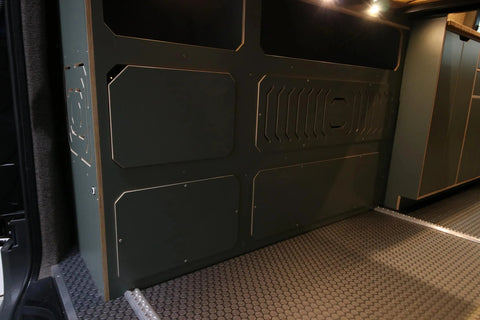
The Transit’s boxy cargo area makes shelving, cabinet runs, and bed platforms easier. That shape cuts wasted space and speeds up build time compared with curvier cargo bays, letting builders install durable, efficient storage and living systems. Builders often tell us that this predictability saves time and materials during the fit-out.
Factory high-roof and long-wheelbase options reduce custom cutting
Choosing a stock high-roof long-wheelbase model means fewer frame changes and less special metal work. That lowers labor cost and keeps the van solid while giving reliable headroom and usable floor space.
Sliding side door and rear door configurations for access and layout flexibility
Many door layouts let you place kitchens, dinettes, and gear bays to fit how you camp and load gear. Rear doors are ideal for outside kitchens and easy access to rear storage; the sliding side door is crucial for campsite flow and daily ease.
Practical advantages for camper use
Payload and towing capacity considerations when planning an interior
Transit payload depends on model and GVWR, whether you’re building a compact transit custom camper van or a larger transit 350 campervan. Always figure a real-world weight budget for insulation, cabinets, water, batteries, and gear and leave margin for people and fuel.
Think about better springs or shocks if you plan heavier systems or frequent towing. Planning this up front prevents shocks later in the project.
Dealer/service network and parts availability for long-term ownership
One of the Transit’s biggest real-world pluses is how easy it is to service. With many dealers and common spare parts across North America, routine upkeep and repairs are less stressful on long road trips than with rarer platforms.
Safety and driver-assist features helpful for road trips
Modern Transits offer driver aids, smart cruise control, blind-spot checks, and stability systems that matter on long hauls and mountain passes. Those features boost trust when towing or driving in tough conditions.
Common conversion choices and recommended Transit specs
Best roof/length combos by layout type (sleep-two, family, adventure rig)
Sleep-two couples who want standing room: high roof, long wheelbase. Family rigs do well with long wheelbase and medium to high roof with modular sleeping setups. Adventure rigs that carry bikes and heavy gear should put payload first and look at stronger suspension.
Chassis and suspension upgrades to handle added weight
Common add-ons include heavier springs, better shocks, and sway control. These changes improve ride feel and safety when loaded and should be weighed early in conversion planning.
Electrical/roof-vent/insulation recommendations for comfortable living
Plan for a well-matched electrical system: solar, a battery bank sized to your loads, a good charger, and a roof vent for airflow. Insulation and vapor barrier choices affect winter comfort and moisture control, so choose proven materials and install them with solid methods.
Costs and total cost of ownership
Purchase price ranges for new and used Transits
Costs vary widely by model year, mileage, and spec. New Transits cost more up front but come with warranty backing; used vans reduce purchase price but need a close check for leaks, frame shape, and service record.
Rough conversion budget tiers (basic, mid, premium)
Budgets scale with systems and finishes. Basic builds focus on sleeping and simple systems, mid-tier adds solid electrical and insulation, and premium includes high-end cabinets, full baths, and strong off-grid systems. Match budget to planned use and resale needs.
Fuel, maintenance, and insurance considerations
Factor fuel type, planned miles, and local upkeep costs into ownership math. Insurance can change by build and use case so get quotes before committing.
How the Transit compares to common rivals
Transit vs. Mercedes Sprinter
Sprinters can offer premium options and diesel choices but often come at higher purchase and upkeep cost. Transit trades some premium cachet for wider dealer support and lower usual service friction, a key plus for long trips.
Transit vs. Ram ProMaster
ProMaster gives extra inside width and front-wheel-drive layout. The Transit’s drive setup and dealer network make it a more familiar platform for many builders and owners who value parts access and towing feel.
When to choose a Transit over competitors
Choose a Transit when you want steady service, simple inside shape, and a range of stock roof and wheelbase choices that reduce custom metal work. For buyers who put dealer access and long-haul ease first, Transit is often the practical pick.
Ready to start your own Ford Transit camper van build? Explore our services or contact us to talk through your ideas.
Buyer checklist and next steps
Key questions to answer before buying
Decide priorities: standing room, payload, towing, budget, and whether you want new warranty backing. Match those answers to roof height, wheelbase, and engine and drive choice.
Inspection checklist for used Transits
Inspect for roof leaks, water entry, frame or rust issues, and engine/service record. Check for previous conversion work that could hide problems with wiring or frame changes.
Conversion planning: weight budget, layout mockups, professional vs. DIY
Create a weight budget, mock layouts to verify space, and decide which systems you’ll outsource. Vansmith’s know-how shows that early planning around weight and layout prevents costly rebuilds later.
FAQ
What Ford Transit roof height do I need for a camper conversion?
High roof is suggested for most camper conversions because it gives standing room and more usable upright storage. Medium roofs can work for seated or low-profile builds, while low roofs limit inside standing area and layout options.
How much payload can a Ford Transit handle for a camper build?
Payload varies by model and setup—longer wheelbases and heavier-duty chassis increase payload. Buyers should confirm GVWR and figure the weight of the conversion (insulation, cabinets, water, batteries) to stay safely under rated limits.
Is the Ford Transit easier to service on the road than other vans?
Yes. Ford's broad dealer network and common parts make Transits usually easier to service across the country compared with some European-brand vans, which can make long trips and upkeep simpler.
Should I choose gas, EcoBoost, or diesel for a Transit camper?
Choose based on priorities. Gas/EcoBoost often costs less up front and is common in North America, while diesel offers better torque and fuel use for heavy loads and towing but can be more costly to buy and maintain. Think about local fuel access and long-term ownership costs.
How does a Transit compare to a Mercedes Sprinter or Ram ProMaster for conversions?
Transit balances cost, dealer support, and inside space; Sprinter can offer more premium options and diesel choices; ProMaster is wider inside but front-wheel-drive, which affects how it drives and the layout under the van. Choice depends on priorities like inside width, price, and service access.
Conclusion: Is a Ford Transit right for you?
Short decision guide based on priorities
If you value easy service, steady conversions, and flexible roof/length options, the Transit is a strong base. Vansmith builders often suggest Transit for couples and solo travelers who want standing room and long-term reliability. Test-drive your preferred wheelbase and roof, run layout mockups, and consult a conversion pro before you buy.
Encouragement to test-drive and consult conversion pros for final specs
Take time to test a few setups and talk with experienced builders about payload, insulation plan, and electrical sizing. If you want help matching a Transit spec to a layout, Vansmith’s team can advise on ideal roof, wheelbase, and build choices to fit your lifestyle and budget.
About the author

Carin Smit
President
Carin is President of The Vansmith. She writes on a range of topics tied to the business, from vans and builds to the broader vanlife world.
Read more about Carin