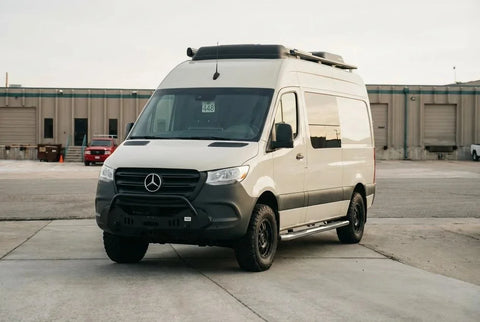
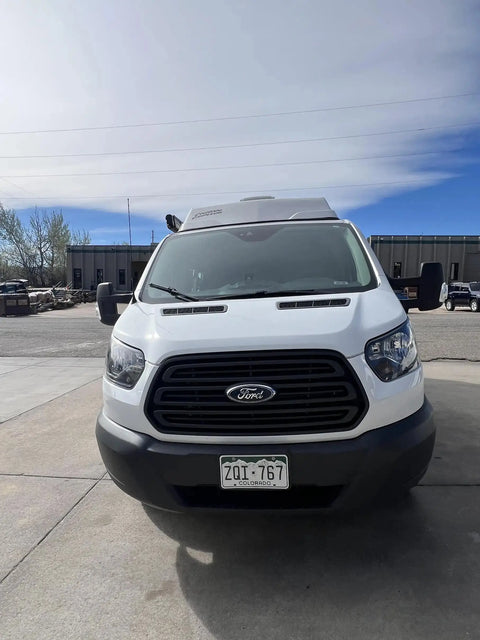
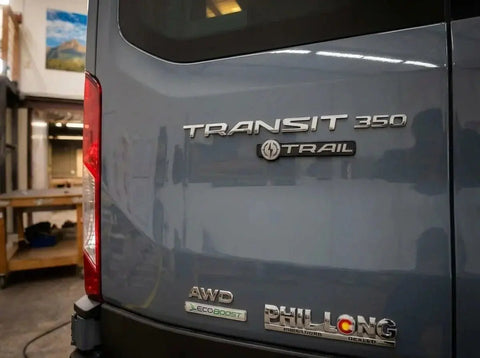
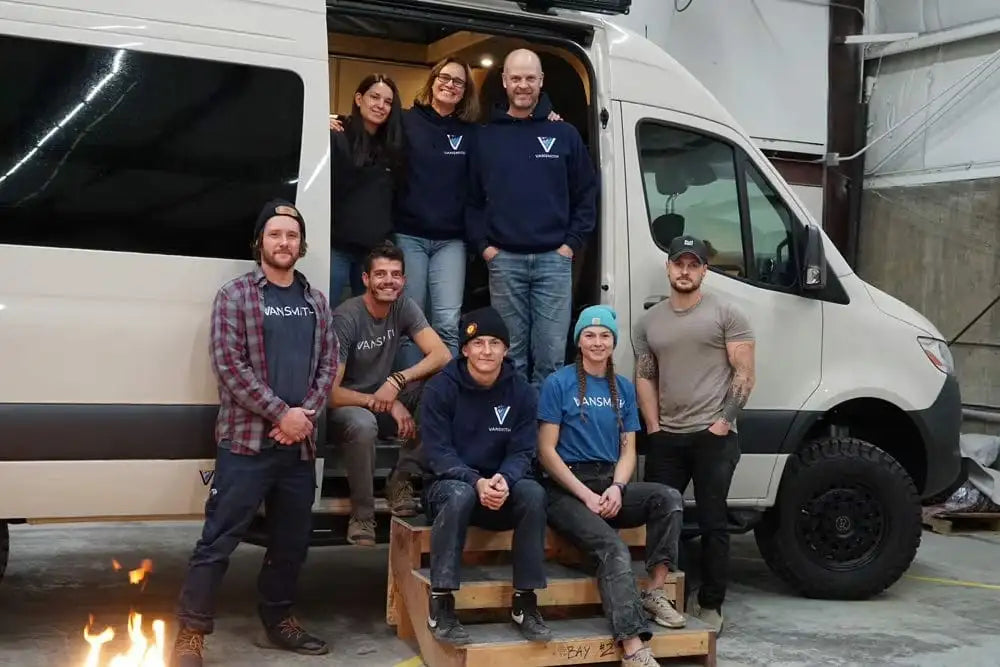
A new vs used camper van decision usually comes down to risk more than price, because the cheaper van on day one can cost more once you add inspection, financing, repairs, and refit work. Which side of that answer fits you depends on how much uncertainty you can absorb in the first months of ownership. If you want to drive off and travel right away, new tends to be the cleaner path. If the discount is big enough to cover the unknowns, used can still make a lot of sense.
New vs used camper van comes down to risk, not just price
 The biggest buying mistake is simple. People compare asking prices and stop there. A real comparison needs to include financing terms, warranty value, inspection costs, and the work a used van may need right after you buy it, which lines up with how Bankrate breaks down RV loan costs.
New vans usually come with a more structured handoff. According to Go RVing, buyers should get a pre-delivery inspection and walkthrough through the dealer. That means more system checks happen before pickup, not after your first weekend trip.
There is also factory inspection confidence in the background. RVIA inspection materials point to checks that cover the roof, electrical, propane, plumbing, appliances, chassis underside, and labeling or testing. Used buyers don't get that same fresh inspection chain by default.
Used can still be the smarter buy. The key is the gap. If the discount is large enough to absorb inspection, deferred service, and changes you need for your travel style, then used may still win. In our Boulder shop, the real split is usually this: do you want predictable ownership from day one, or are you okay treating the first months like a correction-and-upgrade phase?
That lens helps frame the six things that matter most: upfront price, financing, warranty, inspection confidence, hidden refit cost, and fit for how you actually camp. If you're still sorting out layouts, it helps to look at customize your van options early so you know what features matter and which ones just sound good in a listing.
Why new feels easier on day one
New feels easier because more of the sorting happens before you show up. Go RVing says a new RV dealership handoff should include checks of the appliances, plumbing, electrical, and safety systems before pickup. That gives you a cleaner start.
The walkthrough matters just as much as the checklist. You can test systems, ask questions, and note issues while the seller still owns the handoff. Big difference.
Factory inspection adds another layer. RVIA materials reference propane leak testing, 120V testing, and water-system pressure and leak testing. Those are the kinds of checks that help a van feel ready to travel, not ready to troubleshoot.
Financing tends to be smoother too. Winnebago notes that dealer networks often help buyers through the financing side, and Airstream Financial shows terms up to 20 years for qualified buyers. If your goal is a van that is ready now instead of a project, new usually wins.
For buyers comparing platforms, that cleaner experience matters whether you're looking at Sprinter conversions or Transit conversions. You pay more up front. You usually spend less time chasing surprises.
Why used can still be the better value
Used draws people in for a good reason. You skip the steepest early depreciation hit, and that can create real value if the seller's ask is in line with J.D. Power RV values. That's a smart baseline before you get emotionally attached to a van with nice photos.
Warranty can change the math more than buyers expect. A used van with transferable coverage is a very different deal from one sold fully as-is. Airstream says remaining warranty can transfer if the proper form is submitted, which means some used vans carry real coverage value.
Certified or manufacturer-backed used inventory sits in a useful middle ground. It may cost more than a private-party van, but Airstream's CPO program includes one year of warranty coverage. That can take some sting out of buying used.
In our experience, used makes the most sense when the van already fits how you'll travel. If you need to redo the bed, add more battery, change storage, or fix earlier workmanship, the savings can shrink fast. That's why many buyers also spend time on van build planning before they shop.
Used camper van vs new cost: compare the all-in numbers
 The phrase used camper van vs new cost sounds like a sticker-price question, but it isn't. The all-in number includes the loan, the inspection, the repair reserve, and the support you have after the sale. Not always.
Used pricing should be checked against market value, and J.D. Power is the best benchmark in this source set for that. On the used side, inspection costs matter too, because you're trying to recreate part of the quality check chain that new buyers get through factory and dealer prep.
Financing can narrow the gap. Bankrate says secured RV loan rates are usually lower for new vehicles than used. If the used van is older or hard to value, you may end up with an unsecured personal loan instead, which can mean shorter terms or higher rates.
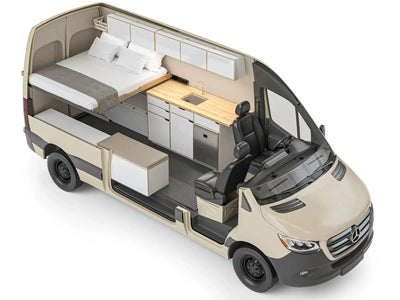
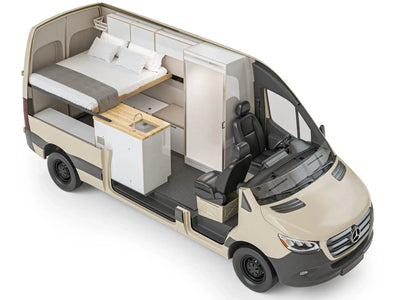
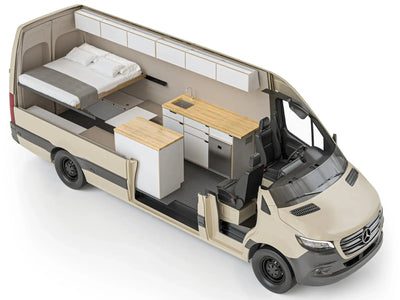
For a real benchmark, The Vansmith's ready-to-drive 2026 pricing starts at $112,450 for the Transit Duo and $114,450 for the Sprinter Duo. Family layouts start at $117,450 for the Transit Family and $119,450 for the Sprinter Family. Semi-custom builds usually take 8 to 10 weeks, so time is part of the value too. If you're comparing options, our build process page helps show what that timeline looks like.
| Factor | New camper van | Used camper van |
|---|---|---|
| Purchase price | Higher upfront. Vansmith 2026 benchmark: $112,450 to $119,450 | Usually lower, but only a deal if priced below comparable new and aligned with market value |
| Financing access | Usually easier through dealer or manufacturer-backed programs | Can be limited by age, condition, or value |
| Warranty | Clear coverage starts at delivery | May have none, some residual coverage, or CPO coverage |
| Inspection cost | Dealer and factory prep built into the handoff | Buyer should budget for inspection and full walkthrough |
| Repair or refit cost | Lower risk of immediate corrective work | Higher risk of repairs, troubleshooting, or layout changes |
| Service support | More documented handoff and support path | Can be uneven, especially if bought far from home |
Where the used discount is real
The used discount is real when the van is priced well below comparable new inventory and still checks out against market value. A used van can look strong on paper if it already has solar, heating, an awning, or storage upgrades that you actually want to keep. That last part matters a lot.
Records make the discount more believable. Clear chassis mileage, service history, and build documents reduce the chance that you're buying a mystery. A used van with residual transferable warranty is also worth more than one sold fully as-is, and buyers shouldn't treat those as the same deal.
Certified pre-owned vans can earn a higher used price if they preserve financing access and include one year of warranty coverage. Layout fit matters too. If the van already matches your sleeping, seating, and storage needs, you may avoid the most expensive hidden cost of all: paying to rework a floor plan that looked great online.
Couples often see this clearly when they compare a used van to a purpose-built two-person layout like the vans for couples collection or the DUO XL layout. If the used van already nails that use case, the savings are real. If not, the discount starts to fade.
Where the used discount disappears
A low asking price can hide a long to-do list. In the shop, we often see vans that need electrical troubleshooting, appliance replacement, leak repair, wiring cleanup, or a layout revision right after purchase. One fix turns into three.
Financing can make the problem worse. Bankrate notes that lenders may limit financing based on age, condition, and value. If you end up in an unsecured personal loan with shorter terms or higher rates, the lower sticker price may not feel lower each month.
There are also the extra costs around the edges. Go RVing advises buyers to budget beyond the sale price for things like insurance, warranties, safety gear, and inspection or walkthrough-related costs. Winnebago also points out that service support can get awkward when a unit was bought far from home and local dealers prioritize their own customers.
At The Vansmith, one common regret is paying top-of-market money for a used van that still needs enough work to erase much of the expected savings. If you're buying with family in mind, it helps to compare that risk against a known layout like our family vans or Family XL.
Warranty, inspection, and service support favor new vans
 Warranty is one of the clearest new-van advantages. You know what coverage starts at delivery, and you know who installed the systems. That lowers guesswork.
For 2026, Airstream says new touring coaches include a 2-year limited warranty on Airstream-installed components. The same source lists Mercedes-Benz chassis coverage of 5 years or 75,000 miles and engine and drive train coverage of 5 years or 100,000 miles for relevant models. Layered coverage like that is hard to ignore.
Used buyers need to verify more than the phrase still under warranty. They need to confirm that coverage remains, that it transfers, and that the paperwork is correct. If any part of that chain is missing, the practical value of the warranty may be much lower than the ad suggests.
New prep also creates a better paper trail. Factory and dealer prep is not perfection, but it gives you a documented inspection chain that many private-party sales simply don't have. For buyers who want known workmanship, that matters as much as the warranty itself. It's also one reason people choose a fresh build through Foundation builds instead of inheriting someone else's choices.
On our side, The Vansmith backs its cabinetry with a lifetime cabinet warranty. As of 2026, we also hold a 4.8-star Google rating across 85-plus reviews. Those trust signals matter when you're deciding whether to buy new from a known builder or live with unknown workmanship history.
What a new buyer gets that a used buyer must recreate
A new buyer gets a checklist and a process. Go RVing says a new RV should go through a pre-delivery inspection before handoff, including checks of the appliances, plumbing, electrical, and safety systems. Used buyers need to recreate that confidence on their own.
RVIA materials describe in-plant inspection categories that cover the roof, electrical, propane, plumbing, appliances, chassis underside, and labeling or testing. They also point to propane leak testing, 120V testing, and water-system pressure and leak testing. That's a lot to rebuild from scratch.
If a seller can't show that all major systems work today, price the van as a project, not a turnkey camper. In practice, we see used buyers do best when they budget for inspection before purchase and hold back money for immediate fixes after delivery. In one fall rush before ski season, a buyer came in asking for a simple heater check and left needing battery work too. That stack-up is common.
If you're trying to learn what systems deserve the closest look, our DIY blog can help you ask better questions before money changes hands. It won't replace an inspection. It will make you a sharper buyer.
The used-van warranty questions that matter most
Start with three questions. Is the conversion warranty still active? Does the chassis warranty remain? Does either one transfer to a second owner?
Airstream states that warranty transfer requires a submitted transfer form, so buyers should never assume coverage follows the van automatically. If a seller says the van is still under warranty, confirm mileage and in-service date against the published terms.
Winnebago advises used buyers to make sure a certified pre-owned warranty is included when that applies. Residual warranty is most valuable when the van is still young enough that major systems and chassis parts remain inside the coverage window. A used van with no transferable warranty and no service records should be valued much more conservatively.
Financing often makes a new camper van easier to buy
Financing is one of the least visible parts of the new vs used camper van choice, but it changes the whole monthly picture. Bankrate says secured RV loan rates are usually lower for new vehicles than used. So the cheaper van is not always the cheaper payment.
Age, condition, and value also affect approval. Bankrate says lenders may restrict what they finance based on those factors, which can make older used vans harder to fund. That can mean more cash down, different loan products, or both.
On the new side, qualified buyers may see terms up to 20 years through Airstream Financial. Winnebago notes that terms still depend on credit score and down payment, but dealer-arranged financing is often more straightforward than trying to fund an older used van with spotty records.
We've seen buyers come back to new builds after used financing gets messy. The sale price looked lower. The monthly cost didn't.
Why lenders prefer newer inventory
Newer inventory is easier for lenders to value and secure. That's one reason rates are usually lower on new secured RV loans than on used ones. The asset is easier to understand.
Dealer and manufacturer ecosystems help too. Buyers can often apply through a network that already works with RV lenders, which cuts friction. Longer loan terms can also make a new van's monthly payment more competitive than many buyers expect.
Ask more than can I get approved. Ask what loan type, term length, and down payment this specific van requires. In our shop, financing friction is one of the most common reasons used shoppers circle back to a new build path.
When used financing changes the math
Older or condition-limited RVs may not qualify for standard RV financing at all, according to Bankrate. That can push buyers toward unsecured personal loans. Those loans often come with shorter terms or higher rates.
This matters most when a buyer is already stretching for the van. A used van that needs upgrades right after closing can get expensive fast if the monthly payment is also higher than expected. That's the double hit.
If the seller can't provide enough documentation for lenders or insurers to get comfortable, the buyer can lose financing options and negotiating leverage at the same time. Compare the all-in monthly cost plus a first-year repair budget. That's the number that tells the truth.
What The Vansmith finds when used vans come in for refits
The most useful thing we can add here is what we actually see. Used vans often come in needing correction work before we even get to the upgrades the owner wanted. That's normal.
Common patterns include electrical troubleshooting, battery replacement or upgrade, heater service, window or vent changes, storage revisions, suspension upgrades, and layout changes driven by real travel. These jobs get expensive because they stack. A battery upgrade can uncover charging issues, wiring problems, or weak mounting that have to be fixed first.
Used buyers also tend to underestimate the cost of undoing earlier decisions. Service access is a big one. A van can look clean on the surface, but if wiring, heaters, or plumbing are buried behind hard-to-reach panels and cabinetry, labor goes up fast.
That doesn't mean used is bad. It means the discount has to be large enough to justify likely rework. If you're considering a used van, it helps to have a plan for inspection and post-purchase upgrades before you buy, and our contact us page is a good place to start that conversation.
The hidden refit costs buyers miss most often
Electrical systems are high on the list. Buyers may inherit aging batteries, too little capacity, or wiring that no longer fits how they want to travel. A van that worked for weekend use may fall short for remote work or longer off-grid stays.
Heating systems are another common surprise. Before winter travel, many used vans need inspection, cleaning, or service, especially when the maintenance history is unclear. You don't want to find that out on the first cold night.
Layout fit is easy to miss during a quick showing. A van can look finished and still fail in daily use if the storage, seating, bed length, or gear access doesn't match your habits. Suspension, tires, and chassis add-ons may also need attention if the van carries more weight than the original build planned for.
Cosmetic age matters less than serviceability. In the shop, hidden access problems behind walls or cabinetry often cost more than visible wear. The right way to value a used van is to subtract likely correction costs from the asking price, not to assume every installed feature adds full value.
Who should buy new, and who should buy used
Buy new if you want the cleanest financing path, clear warranty coverage, documented dealer prep, and the least time spent sorting problems after purchase. It's also the better fit if your travel depends on reliability right away, like family school-break trips, remote work travel, or a fixed departure date.
Buy used if you're comfortable with some uncertainty, can budget for inspection and immediate corrections, and stay disciplined about not overpaying relative to market value. Used also works best when the van already matches your intended use closely enough that you won't need major layout or system changes in the first year.
A middle ground is a newer used or certified pre-owned van with residual or added warranty coverage. That can reduce downside without paying full new price. For a clear benchmark, The Vansmith's 2026 new builds start at $112,450 for the Transit Duo and $114,450 for the Sprinter Duo, with family layouts at $117,450 and $119,450.
One more thing we see all the time: buyers who know they want standing room rarely regret going taller. About 90% of our customers choose high roof, and many mid-roof buyers later add one of our pop-tops. Buy for real use. Not the listing.
FAQ
Should I buy a new or used camper van if I want the lowest risk?
A new camper van is usually the lower-risk choice. Go RVing says new RVs go through a pre-delivery inspection before handoff, and Airstream says its 2026 touring coaches include a 2-year limited warranty on Airstream-installed components. You get clearer coverage, a more documented handoff, and fewer unknowns at the start.
Is a used camper van actually cheaper in the long run?
Sometimes, but not by default. A used van may save money up front, yet that gap can shrink once you add inspection costs, deferred maintenance, refit work, or less favorable financing. Bankrate says secured RV loan rates are usually lower for new vehicles than used, so the first-year math matters more than the sticker price.
What warranty should I look for on a used camper van?
Look for any remaining chassis or conversion warranty first. Then confirm whether it transfers to the next owner and whether the paperwork has been completed. Airstream says remaining warranty can transfer with the proper form, and its certified pre-owned units include one year of warranty coverage, so some used vans carry real protection.
Why is financing a used camper van harder than financing a new one?
Lenders often see older used RVs as riskier because age, condition, and value can be harder to verify. Bankrate says some older or condition-limited units may not qualify for standard RV financing at all. That can push buyers toward unsecured personal loans with shorter terms or higher rates, which raises the monthly cost.
What does The Vansmith usually find on used vans that come in for service?
The pattern is usually several stacked issues, not one huge failure. We commonly see electrical troubleshooting, battery upgrades, heater service, suspension changes, and layout tweaks that only become obvious after real travel. Buyers tend to do best when they keep part of the budget in reserve for immediate corrective work after purchase.
About the author

Eugene Smit
CEO
Eugene is the CEO of The Vansmith, based in Boulder, Colorado. He writes across topics related to van builds, ownership, and the camper van industry.
Read more about Eugene