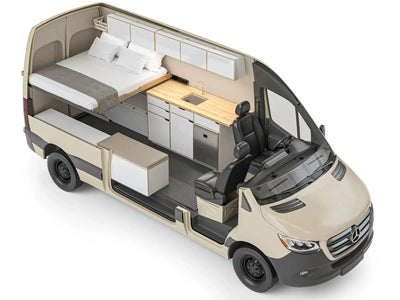
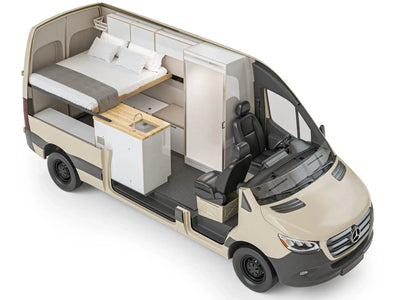
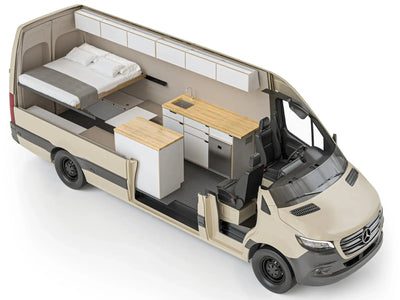
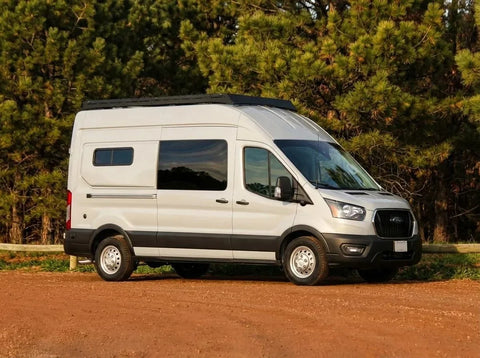
A class b rv is a motorhome built on a van chassis, and in 2026 a major factory option like the Winnebago Travato starts at $183,783 MSRP. Which side of this decision fits you really comes down to how much you value a fixed dealer-stock floorplan versus layout control, simpler service, and features built around your trips. For some buyers, the factory route feels easier on day one. For others, a custom van makes more sense because the space, power, and storage fit real use instead of a brochure.
What a Class B RV is - and how it differs from a custom van
By category, a Class B RV is not just a cargo van with a bed tossed in. The RV Industry Association defines a Type B motorhome as a motorhome built on an automotive-grade van chassis. That gives a factory Class B a clear place in the RV world.
That label shapes how the product is built and sold. Factory Class B motorhomes usually come from RV makers working inside that RV framework. A custom van may be sold as an upfitted vehicle or a completed conversion without being a mass-market RV model line. Same basic van underneath, but a very different ownership path on top.
For most buyers, the real split is standardization versus customization. A factory rig gives you a fixed floorplan and a set package of systems. A custom build lets you pick layout, storage, bed setup, battery size, and add-ons around how you actually travel, as MotorTrend points out. It sounds simple, but it changes almost every decision after purchase.
Support works differently too. Factory Class B service is often split between the chassis maker and the RV coach builder, which Winnebago explains in its FAQs. In our Boulder shop, buyers looking at Sprinter conversions or Transit conversions usually want something that feels more purpose-built than a generic RV floorplan. At The Vansmith, that can mean a ready-to-drive model or a semi-custom build instead of a dealer-stock motorhome.
Why the category label matters
The label matters because RVIA member manufacturers are inspected for compliance with adopted RV standards. For some buyers, that framework is part of the appeal. They want a clearly defined RV product, not a van that needs extra explanation.
A factory Class B is sold as a motorhome. A custom van buyer needs to sort out the base vehicle warranty, the warranties on installed parts, and the builder's workmanship coverage, much like the split structure described in Airstream's warranty support. That difference can shape expectations around financing, insurance, paperwork, and where you go when something stops working.
Buyers searching for thor class b or thor class b motorhomes are usually not asking if both options can sleep two people. They are comparing branded RV ownership against the more bespoke custom-van route. We see that a lot, and the first surprise after delivery is often the service path, not the bed size.
Where custom vans fit in the buying decision
Custom builds tend to win when you already know your use case. Remote work, bikes inside, skis out of sight, a family sleep plan, or more battery power all push buyers toward a van built around those needs. Space is tight in any van, so every inch has to earn its keep.
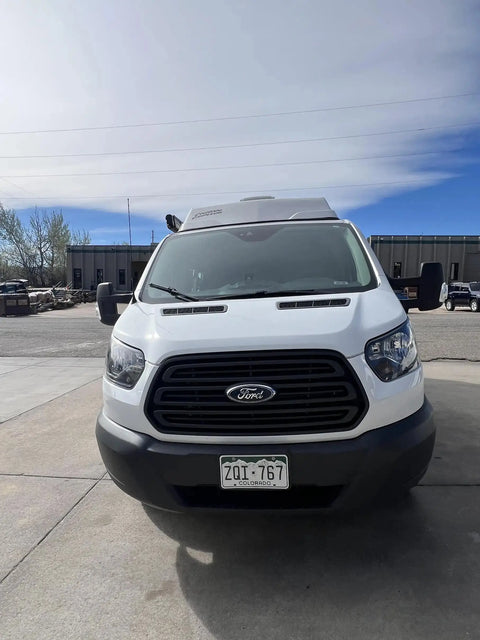
The Vansmith keeps this comparison centered on Mercedes Sprinter and Ford Transit high-roof cargo vans. That's the lane most premium adventure buyers want anyway. About 90 percent of our customers choose high roof, and most mid-roof buyers later add a pop-top. That pattern repeats for a reason.
Semi-custom builds at The Vansmith take about 8-10 weeks in 2026. That's a very different pace from waiting on dealer allocation or settling for whatever floorplan happens to be on the lot. If you want to customize your van, that timeline gives you a middle ground between full one-off and off-the-shelf.
A custom build can also be staged over time. You might start with windows, heat, power, storage, or a roof rack, then add more later through a foundation build or follow-on upgrades. For buyers who don't want a van that feels like a compromise between too much RV and not enough utility, that matters.
Class B RV vs custom van price: real 2026 numbers
 Price is where many shoppers start, and the 2026 numbers are pretty clear. The Winnebago Travato starts at $183,783 MSRP. That gives you a current factory Class B benchmark from a major national brand.
The Vansmith's ready-to-drive pricing starts well below that. A Sprinter Duo starts at $114,450, a Transit Duo at $112,450, a Sprinter Family at $119,450, and a Transit Family at $117,450. On paper, that puts the gap at roughly $64,000 to $71,000 depending on which model you compare.
That gap is not just about getting a bed and galley for less money. You're also buying a support model, a feature bundle, and a certain amount of design freedom. One thing a lot of builders overlook is this: sticker price only tells part of the story.
| Model | Type | 2026 starting price |
|---|---|---|
| Winnebago Travato | Factory Class B RV | $183,783 MSRP |
| Sprinter Duo | Ready-to-drive custom-style van | $114,450 |
| Transit Duo | Ready-to-drive custom-style van | $112,450 |
| Sprinter Family | Ready-to-drive custom-style van | $119,450 |
| Transit Family | Ready-to-drive custom-style van | $117,450 |
Factory Class B pricing is usually shown as MSRP before taxes, registration, freight, dealer prep, and options. So the real out-the-door number can climb fast. A custom path can be easier to tie to actual use if the builder gives you defined layouts and clear upgrade paths.
What you get for the money in a factory Class B
A factory Class B is sold as a full turnkey motorhome. That appeals to buyers who want one transaction and one national RV brand on the paperwork. You walk into a dealer, pick a model year, and leave with a finished product.
Part of the premium covers RV-brand packaging, dealer distribution, and a coach warranty structure layered over the chassis warranty. That can feel simpler at the sales desk. It also means you are paying for a fixed bundle of parts and floorplan choices that you may not have picked one by one.
A branded RV is often easier to grasp at first glance because it comes with brochures, model names, and familiar financing channels. But changing key systems later can get messy. Most builders want a fixed bed. Or they think they do, until they see what it costs them in garage space.
What you pay for in a custom build
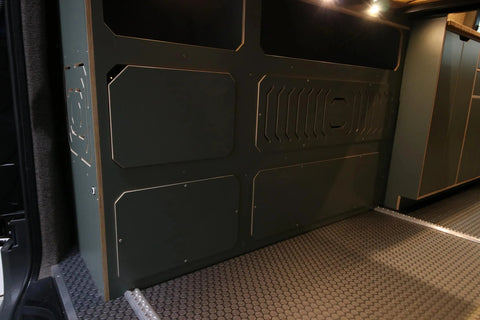
On the custom side, your budget can go toward the parts of the van you will use every day. That might mean bed layout, battery size, heat, windows, roof gear, or room for kids and dogs. In our experience, buyers are happier when the money follows the trip plan.
The Vansmith's ready-to-drive layouts give you a concrete middle path between DIY and a high-priced factory RV. You can start with known pricing through options like the DUO XL layout or family-focused builds such as the Family XL layout. Then you can shape the details from there.
Because custom pricing follows actual build scope, you can skip RV features you do not want. A buyer comparing a class b camper to a custom van should look at cost per useful feature, not just sticker price. A long feature list means less if the storage is awkward or the floorplan wastes space.
The staged path matters too. The Vansmith can add systems over time, so you're not forced to buy every choice up front. For plenty of owners, that feels more realistic than locking into a fully loaded package on day one.
Service realities: who fixes what after you buy
 Service routing is one of the biggest ownership differences. With many factory Class B RVs, engine, transmission, suspension, and other chassis issues go to the van maker. House systems go to the RV brand, dealer, or factory service center. That split is built right into the support model.
Airstream owner resources show the upside of a national RV brand. There is a branded support system and a Factory Service Center for maintenance, warranty repair, and body work. For some buyers, that structure alone justifies the extra spend.
Still, two-lane service can turn one issue into two appointments. If a charging problem touches both the van side and the house side, you may need to sort out who owns the fix before anyone starts work. MotorTrend notes that upscale factory Class B rigs often offer stronger support than much of the custom market, and that's a fair reason some buyers choose them.
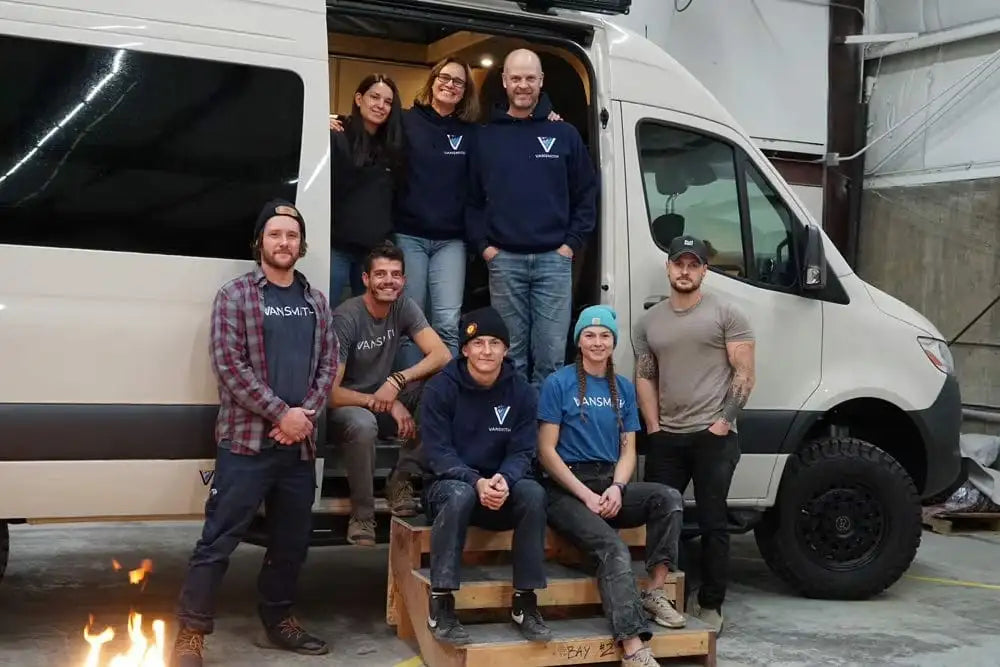
Custom ownership works best when the builder documents systems clearly, uses serviceable parts, and stays available after delivery. The Vansmith's Boulder shop handles heaters, suspension, electrical troubleshooting, battery upgrades, windows, vent fans, roof racks, awnings, Starlink, AC, water systems, and more. If you want to ask about that path, you can contact the shop directly.
Factory Class B service networks
Airstream says its Factory Service Center can handle maintenance, warranty repair, and body work. That reinforces the appeal of a branded after-sales network. If you travel all over the country, that can feel safer on paper.
Winnebago also makes the split clear by sending engine, transmission, and suspension issues to the chassis manufacturer. So even a large RV brand does not fix every problem under one roof. That's the part some buyers miss during the sales process.
The limitation shows up when a symptom crosses systems. RV dealers may not be great with custom add-ons, and chassis dealers may not want to chase a coach-side electrical or plumbing issue. This split model is a major decision point because it affects downtime and trip delays.
Custom-builder service and field repairs
A custom van usually depends more on the original builder for system knowledge. Layout, wiring runs, and install choices are not always standardized across hundreds of matching units. That can sound like a downside, but a good builder can often diagnose the van as one whole system.
We've found that service gets easier when circuits are labeled, gear is placed where a tech can reach it, and parts are common-name components. Buyers who return for upgrades often like this route because the van can evolve over time. A factory Class B with tightly packed OEM furniture is often harder to change cleanly.
If long-distance service access is your top priority, and you do not expect many changes after purchase, the factory model may still fit better. If you live near your builder or plan to come back for upgrades, custom can feel easier to own. Big difference.
Warranty differences are bigger than most buyers expect
Warranty is where many buyers assume the factory RV has one neat umbrella. It usually doesn't. Airstream's published terms show a classic factory Class B structure: 2 years on Airstream-installed components, plus separate chassis and powertrain coverage from the underlying vehicle maker.
On the chassis side, Mercedes-Benz Vans lists a 3-year/36,000-mile basic limited warranty and a 5-year/100,000-mile powertrain limited warranty for Sprinter models. So even factory Class B owners are often dealing with at least two coverage layers. A custom van buyer should sort that into three buckets before signing: chassis, component, and builder workmanship.
The risk with custom is not that warranty is always worse. The risk is that coverage can feel fragmented if the builder does not spell out who handles labor, parts, and diagnosis when something fails. As of 2026, The Vansmith offers a lifetime cabinet warranty, and that starts to matter after a few years of washboard roads, hot summers, and cold ski-lot mornings.
That oddly specific part is real. We hear from owners after a winter trip, not after a showroom walk-through. A cabinet that stays tight after seasons of use is worth more than it sounds on day one.
How factory RV warranties are split
Airstream says its 2-year limited warranty applies to Airstream-installed parts, while chassis and powertrain coverage come from the vehicle maker under separate terms. Winnebago's service guidance points the same way by routing engine, transmission, and suspension concerns to the chassis manufacturer. This split is normal across the category, including buyers looking at thor class b motorhomes.
The practical takeaway is simple. Read warranty paperwork like a map of responsibilities, not a single yes-or-no promise. This matters most when one issue overlaps systems, like a charging problem that touches both the alternator and the house battery setup.
What to verify on a custom build warranty
Mercedes-Benz ties warranty information to the base vehicle, so buyers should confirm how the converter documents its work and whether a change could affect a claim. That is a smart question, especially on a Sprinter-based build. You want the answer before delivery, not after a service visit.
A strong custom warranty talk should also cover labor. If a third-party part fails, who pays to remove and reinstall it? That question matters just as much as the part warranty itself.
Buyers should ask if future service means returning to the builder, or if remote troubleshooting and local installer support are part of the plan. At The Vansmith, the more useful warranty talk often comes back to long-term serviceability: accessible installs, known parts, and a shop that can keep supporting the van after delivery. Clear scope makes a custom van much easier to own.
Which option fits your travel style, and when The Vansmith makes more sense
A factory Class B RV usually fits buyers who want a known RV brand, a fixed floorplan, and a dealer-style turnkey sale with national-brand support channels. A custom van usually fits buyers who care more about how the van works for their trips than whether it matches a stock brochure. That's really the fork in the road.
For couples, remote workers, and active travelers carrying bikes, skis, climbing gear, or dogs, custom layouts often solve daily problems better than stock Class B plans. For families, sleeping flexibility, durable finishes, and gear control can matter more than a mass-produced RV badge. Buyers exploring vans for couples or family vans usually feel that trade-off right away.
The Vansmith is especially relevant if you are deciding between a high-priced factory RV and a more intentional Sprinter or Transit build. Defined layouts, semi-custom tailoring, an 8-10 week timeline, and Boulder-based support make the custom route feel concrete instead of vague. As of 2026, a 4.8-star Google rating across 85-plus reviews adds another layer of confidence.
If you want to see how that process works, the best next stop is our process. If you are still sorting ideas, the van build blog and DIY blog help show how layout and systems choices play out in real vans.
Best fit for a factory Class B buyer
Choose a factory Class B if you want a complete motorhome from a national RV brand and you are comfortable taking the floorplan, equipment package, and service path mostly as-is. This route makes sense if dealer inventory, formal RV categorization, and branded support resources matter more to you than layout freedom.
It also works well if you expect to lean hard on RV-brand service channels while traveling and do not plan major changes after purchase. The trade-off is higher up-front cost, plus split warranty and service duties between the chassis maker and coach brand. For many buyers, that premium only makes sense if the stock layout already fits how they camp, cook, work, and store gear.
Best fit for a custom van buyer
Choose custom if you already know your priorities. Bed orientation, storage, off-grid power, heat, family sleeping, and sports-gear carry are the usual drivers. If your trips center on mountain travel, four-season use, or a cleaner look than many RV interiors offer, a Sprinter or Transit custom build tends to land better.
The Vansmith's Duo and Family layouts give you a starting point with known pricing while still keeping the build use-driven. Because the shop also handles post-sale upgrades and repairs, owners are not locked into a static setup in the same way many dealer-stock RV owners feel they are. If your goal is a van built around your life, custom is usually the better long-term call.
FAQ
Is a class B RV better than a custom camper van?
It depends on what you value most. A factory Class B RV gives you a recognized motorhome category, a coach warranty from the RV maker, and separate chassis coverage from the van manufacturer. A custom van usually gives you more control over layout, storage, and systems. In 2026, the Winnebago Travato starts at $183,783 MSRP, while The Vansmith's Duo models start at $112,450 to $114,450.
Why are factory Class B motorhomes so expensive?
They package the van chassis, RV coach build, dealer distribution, and branded warranty structure into one product. The 2026 Winnebago Travato starts at $183,783 MSRP, and buyers may still need to add taxes, registration, freight, and dealer fees beyond that headline price. You are paying for the full turnkey package, not just the parts inside the van.
Who handles warranty repairs on a Class B camper?
Usually more than one company. Airstream says its Touring Coach warranty covers Airstream-installed parts for 2 years, while chassis coverage may include 3 years/36,000 miles and powertrain coverage 5 years/100,000 miles depending on the underlying vehicle. In plain terms, house-side and chassis-side issues do not always go to the same place.
Are custom van warranties worse than factory RV warranties?
Not automatically, but they are often less standardized. On a Sprinter-based custom build, Mercedes-Benz provides a 3-year/36,000-mile basic limited warranty and a 5-year/100,000-mile powertrain limited warranty on the base vehicle, while builder workmanship and installed parts may be covered separately. The key is clarity. You want to know who handles diagnosis, labor, and follow-up before you buy.
What is the biggest downside of a custom van compared with a thor class b or other factory RV?
The biggest downside is usually service and warranty complexity if the builder does not document support clearly. MotorTrend notes that upscale factory Class B rigs often provide stronger support if something goes wrong than much of the custom conversion market. That is why buyers should ask a custom builder exactly how post-sale service works, who supports each system, and whether upgrades are easy later.
About the author

Eugene Smit
CEO
Eugene is the CEO of The Vansmith, based in Boulder, Colorado. He writes across topics related to van builds, ownership, and the camper van industry.
Read more about Eugene