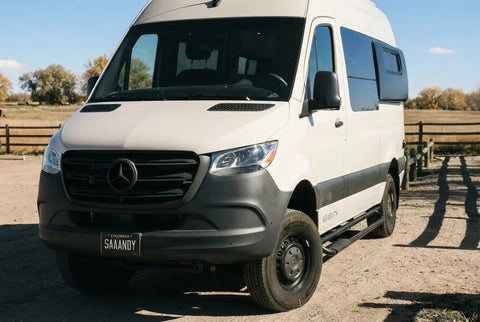
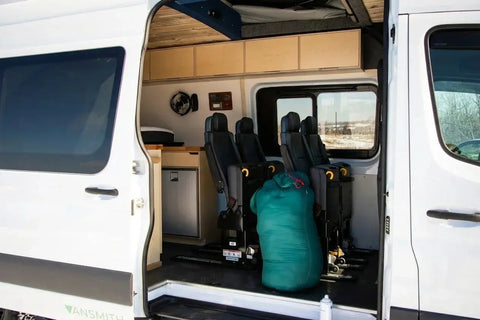
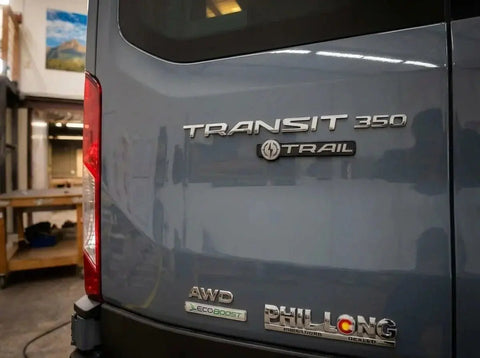
Buying a camper van goes better when you ask the right 17 questions before you commit, because layout, support, and inspection matter as much as the looks. The best van for you depends on how you travel, who comes with you, and how much self-contained power and water you really need. A van that feels perfect on a listing page can feel cramped, underpowered, or overbuilt once you start using it. That's why a simple checklist, and a slow buying process, usually leads to a better call.
Start with how you’ll actually use the van
 A lot of buyers start with photos. That’s normal. Still, Winnebago’s buying guidance keeps coming back to the same point, define your real use before you shop. Weekend trips, long road travel, and mixed use all push you toward different layouts and system choices.
That first use-case question shapes almost everything. If you’ll stay in campgrounds with hookups, you may not need a huge battery bank or a heavy off-grid package. If you want to boondock often, solar, battery size, and tank capacity move way up the list.
It also helps to sort out budget early. Winnebago’s RV basics guide ties budget and intended use together for a reason. A compact camper van can be a great fit, but only if it matches how you’ll drive, sleep, and live day to day.
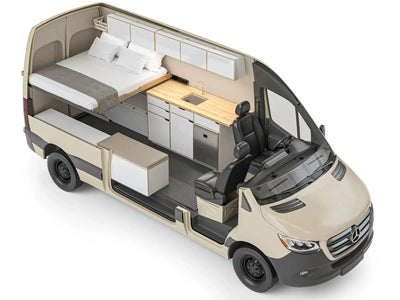
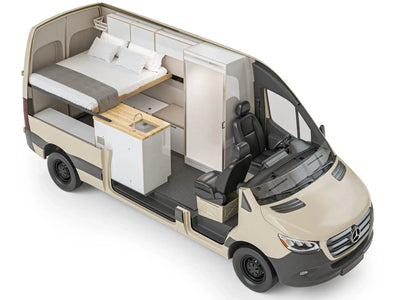
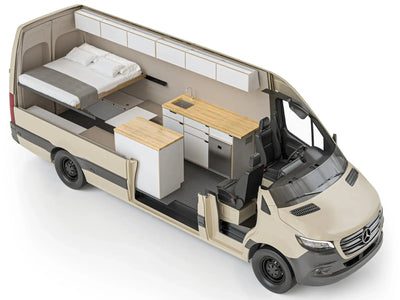
In our experience, this is where custom planning starts to make more sense. A couple may do great with a focused layout like the DUO XL layout, while a crew with kids will need a very different setup. Some buyers also do better with a simpler foundation build that leaves room for future upgrades.
Questions about trip style and camping habits
Ask yourself if this van is for quick weekends or longer travel. Trip length matters because longer travel usually needs more comfort, more storage, and more onboard capability. A van that feels fine for two nights can feel tight after a week on the road.
Next, be honest about where you’ll camp. Hookups versus off-grid use is a major fork in the road, and Winnebago specifically points buyers there. If you mostly book campgrounds, you may not need to pay for big off-grid systems you won’t use much.
You should also ask if you really need a compact RV. A camper van is easier to drive and park than larger RV types, but that smaller size means tighter trade-offs inside. If the plan is lots of moving, city stops, and trailhead parking, that compact shape can be a huge win.
One more useful question, how much driving versus hanging out inside will this van do? A van for frequent moves may lean toward simplicity and drivability. A van that doubles as a work space or rainy-day shelter may need more comfort and utility built in.
Before you visit a seller, write down must-haves and nice-to-haves. That step sounds basic, but Roadtrippers frames RV shopping as a study process, not an impulse buy. That mindset can save you from falling for the wrong van in the first ten minutes.
Questions about people, pets, and daily living
How many people will actually sleep in the van on a normal trip? That one answer drives bed layout, seat count, and storage. A van that works beautifully for two may not work at all for kids, guests, or a dog that takes up half the aisle.
If you’re buying with a partner, both of you should test the layout. Winnebago recommends shopping with the other decision-maker, and that’s smart advice. If one person loves the van and the other already feels cramped, keep looking.
Try to picture the boring parts of the day, not just the fun parts. Can you cook, change clothes, and move around without bumping into each other? Those little friction points add up fast in a small van.
Storage deserves the same kind of honesty. Think about the gear you really bring, coats, shoes, food, camp chairs, dog gear, work gear. If you need family-ready space, it helps to look at purpose-built family van conversions instead of trying to force a couple’s layout to do too much.
Use a camper van checklist for layout and systems
 A solid camper van checklist turns vague excitement into clear choices. Winnebago advises buyers to look closely at storage, sleeping areas, and tank capacity, because those basics shape daily comfort. In a Class B-style van, small differences in layout feel much bigger than they do in a large RV.
That’s why floorplan comparison matters so much. A few inches here or a cabinet there can change how the whole van lives. If you’re in the early stage, browsing Sprinter conversions or Transit conversions can help you spot what fits your travel style.
System planning matters just as much as the floorplan. Roof space for solar becomes a bigger deal if you expect longer off-grid stays. On the other hand, if you mostly stay plugged in, you may be better off keeping the build simple and putting money into the features you’ll use every day.
One thing a lot of builders overlook is upgrade timing. Some items are easy to add later, while others are easier to plan from day one. That’s one reason buyers often explore customize your van options instead of settling for a one-size-fits-all setup.
Questions about sleeping, storage, and comfort
Start with the bed. Does the setup work every night without turning into a chore? If you have to rebuild the whole van just to sleep, that friction can wear on you fast.
Storage should be dedicated, not just theoretical. It’s easy to love a clean showroom van with open floor space. It’s harder to live in that same van once jackets, food bins, and outdoor gear start piling up.
Bathrooms and showers are another key trade-off. They can be worth it, but they also take space from storage and living area. You want to ask if that feature matches your actual habits, not just your wish list.
Try the van with the bed deployed. Sit down, pretend to cook, and move through the aisle. If both travelers haven’t spent time in similar layouts, do that before deciding, especially if you’re comparing a compact build with roomier vans for couples or a larger family setup.
It also helps to ask if you’re paying for premium features that look great on paper but don’t fit your routine. Fancy trim won’t fix a layout that makes daily use awkward. Good comfort starts with function.
Questions about off-grid capability and utilities
Tank sizes should match how long you want to stay out. That sounds obvious, but it gets missed all the time. If your dream is a few quiet days away from hookups, water and waste limits matter just as much as battery size.
Solar starts with roof space. More off-grid use usually means more need for solar, and a van’s roof can fill up quickly with fans, racks, and other gear. If off-grid travel is the goal, ask exactly what the current setup can support.
There’s also a money question here. If you’ll mostly use campgrounds, are you overpaying for a big off-grid package you may barely touch? Buyers often do, and it can pull budget away from more useful upgrades.
If you plan to boondock, ask the seller to explain the van’s electrical and water limits in plain language. Then ask which systems can be upgraded later and which are harder to change after purchase. For many owners, later add-ons like electrical and utility upgrades make sense, but only if the base plan supports them.
Don’t skip delivery training either. Winnebago says orientation matters, and we agree. You should leave knowing how every utility system works, not guessing in the dark on your first night out.
Verify build quality, standards, and support before buying a camper van
 Looks can hide a lot. A polished walkaround doesn’t tell you much about standards, documentation, or long-term support. That’s why this part of buying a camper van deserves as much attention as the floorplan.
RVIA explains that member manufacturers are audited and inspected for adopted RV standards. That makes RVIA membership a useful trust signal for the RV portion of a camper van. It’s not the only thing to ask about, but it’s a smart place to start.
You should also ask what is included in the quoted price. Winnebago puts that near the top of its dealership questions for good reason. Orientation, prep items, accessories, and support may or may not be baked into the number you first see.
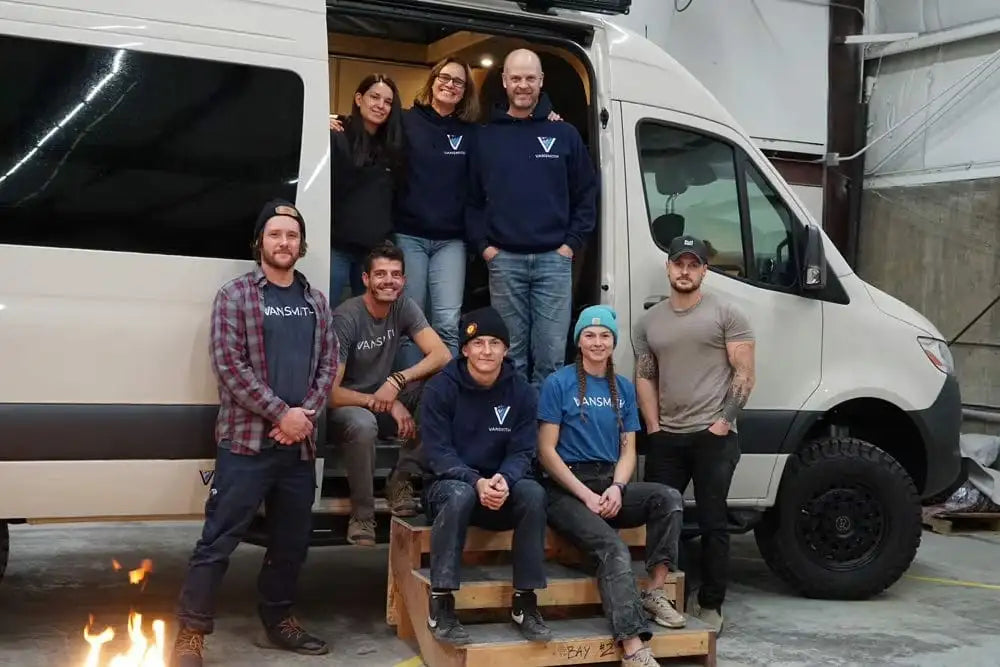
Support after the sale matters too. A van is not just a one-day purchase. If you want a clear build path and follow-through, it helps to understand The Vansmith’s process and how service, documentation, and communication work from start to finish.
Questions about standards, documentation, and what’s included
Ask if the manufacturer is an RVIA member. That question helps you check whether the RV side of the van comes from a builder working within recognized industry standards. It’s a simple filter, and worth using.
Then ask for proof. Labels, documents, and compliance records are more useful than a verbal promise. If a seller can’t clearly show what supports the build, slow down.
Price clarity matters just as much. Ask what exactly is included in the quote, and whether there are add-ons, prep fees, delivery fees, or option packages not shown in the ad. A cheap-looking number can change fast once the details come out.
You should also ask if the seller provides a full walkthrough of every system at delivery. A written delivery checklist helps here. It keeps you from relying on memory while someone rushes through switches, valves, and battery settings.
Questions about warranty and after-sale service
Warranty questions should start with the split between chassis and coach coverage. Those are often different buckets. If you don’t sort that out early, service can get confusing later.
Ask which appliances or components carry separate supplier warranties. Winnebago’s purchase-prep guidance notes that these documents may differ from the main RV warranty. You want those papers before delivery, not after something fails.
It also helps to ask who handles service after the sale. Is it the dealer, the manufacturer, or the component supplier? If you’re buying from out of state, ask what support still applies once you’re back home.
One more real-world question, how soon can you actually get a service appointment? Sales promises are easy. A transparent support process is what matters once the van is yours.
Questions to ask when comparing price, financing, and total value
Price matters, but sticker price is only part of the story. Winnebago recommends preparing financially and understanding financing terms before you buy. That helps you judge the full deal, not just whether the monthly payment feels manageable.
A lower advertised price is not always the better value. One van may include better orientation, clearer documentation, and stronger support after delivery. Another may look cheaper up front but leave you buying key items right away.
That’s why it helps to compare cash versus financing before you get to the finance office. Winnebago also urges buyers not to rush that part. Slow decisions tend to be better decisions here.
For Vansmith readers, value usually comes down to fit, craftsmanship, and support over time. If you’re looking at a tailored build path, a quick talk through your goals on the contact page can help you compare options with a clearer head.
Questions to ask about the real purchase price
Ask what exactly is included in the quoted price. Buyers often assume more is included than really is. That gap can create frustration fast.
Then ask what you’ll need to buy right after delivery to use the van the way you want. Maybe that’s extra power, more storage, or a comfort feature you thought was already there. The contract price and the ready-to-travel price are not always the same thing.
Optional packages deserve a close look too. Do they truly change how the van works for your use case, or do they just sound good in a brochure? This is where your must-have list helps keep you grounded.
When you compare two vans, make sure you’re comparing equal terms. One may include more equipment, more support, or a better orientation process. If one deal seems cheaper, ask what support or warranty trade-offs come with that lower number.
Questions to ask about financing and ownership planning
Ask for the financing terms in plain language. You want to know how those terms affect the true cost of ownership, not just the monthly payment. If the explanation feels fuzzy, keep asking.
It’s also smart to compare financing with paying cash before you’re under pressure to sign. That gives you a cleaner view of the deal. A rushed closing rarely helps the buyer.
Roadtrippers’ study-guide approach fits well here too. Treat the purchase like a process with documents, review points, and time to think. If stretching the budget means giving up the support or features you actually need, that’s worth catching early.
Ask yourself one final value question, would you still choose this van if you ignored the monthly payment and looked at the whole package? That includes support, warranty, layout fit, and what you’ll likely spend right after delivery. Big difference.
How to inspect used camper vans before you commit
Used camper vans can be a smart buy, but only if inspection is non-negotiable. Winnebago explicitly advises pre-owned RV buyers to get an inspection. That alone should shape how you shop used inventory.
A used van has two stories to verify, the chassis and the RV systems. Wear can show up in mechanical parts, electrical gear, plumbing, and interior components in very different ways. A clean interior does not prove the systems are healthy.
This is where a structured process helps. Roadtrippers supports a step-by-step shopping approach, and that’s especially useful when you’re bouncing between dealer vans and private-party listings. Notes, records, and a written checklist keep emotion from taking over.
Some buyers choose a simpler used chassis and then improve it over time. That can work well if the base van is solid. Later upgrades like service work or add-ons often start with a clear inspection and a realistic improvement plan through resources like The Vansmith’s DIY blog or direct service conversations.
Questions to ask the seller of a used van
Start with the big one, will the seller allow an independent inspection before purchase? If the answer is no, that’s a major warning sign. You want proof, not pressure.
Ask for maintenance records, repair receipts, and documentation for upgrades. A used van with records is easier to evaluate than one with a vague story. Paperwork helps you see how the van was cared for over time.
Use history matters too. Was it used for weekends, long travel, or long periods in storage? Ask what does not work right now, not what “usually works.” That direct question can save you hours.
You should also ask if appliances, batteries, plumbing parts, or other components were replaced, and whether any warranty papers still exist. Then ask why the van is being sold now. None of these questions are dramatic, but together they paint a much clearer picture.
What your van inspection should verify
Your van inspection should verify that major RV systems can be shown working, not just described. A quick walkthrough is not the same as proof of function. Turn things on, test them, and take notes.
Bring a written checklist and use it slowly. That mirrors Winnebago’s advice for delivery inspection, and it works just as well for used vans. It helps you stay systematic when the seller is talking fast or the van looks great.
Check what documentation comes with the van too. Manuals, service records, warranty papers, and upgrade receipts all matter. They help you understand what you’re buying and what support may still exist.
If the seller resists an independent inspection, or pushes you to move fast, treat that as a warning. A good used-van buying process should feel calm and methodical. That’s one of the best ways to compare custom build paths, turnkey options, and used camper vans on fair terms.
FAQ
What should be on a camper van checklist before buying?
A strong camper van checklist should cover intended use, sleeping layout, storage, tank capacity, solar or other off-grid capability, what is included in the price, warranty coverage, and post-sale support. It should also include delivery orientation, because you need to understand each onboard system before you leave. If you can’t explain how the van fits your real trips, the checklist isn’t done yet.
Is buying a used camper van riskier than buying new?
It can be, which is why inspection matters so much. A used van may still be a smart buy, but you need to verify condition, records, and system function instead of relying on the seller’s description. The risk drops a lot when the process is slow, documented, and independent.
Why does RVIA membership matter when buying a camper van?
RVIA says member manufacturers are audited and inspected for adopted RV standards, so membership is a useful trust signal for the RV portion of the van. It gives you one more way to check how the build was handled. You should still ask for documentation and labels, not just a verbal yes.
What warranty questions should I ask before buying a camper van?
Ask what the chassis warranty covers, what the coach warranty covers, and whether appliances or other components have separate supplier warranties. You also want to know who handles service if something fails later. Those answers shape the ownership experience long after the sale is done.
How do I know if a camper van is set up for boondocking?
Start by asking whether the van’s tank capacity, solar setup, and overall utilities match how long you want to stay off-grid. Roof space, battery support, and water limits all matter here. A van built for campgrounds can still be great, but it may not be the right tool for longer off-grid stays.