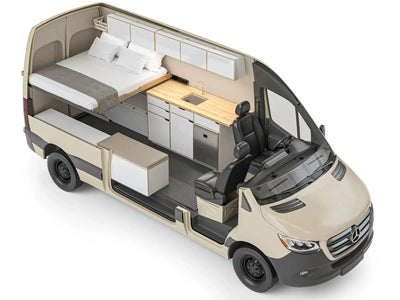
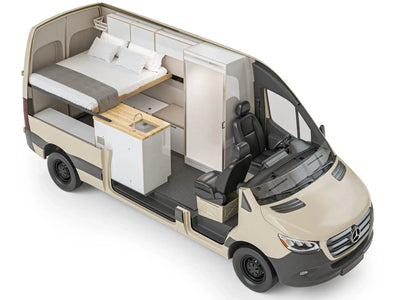
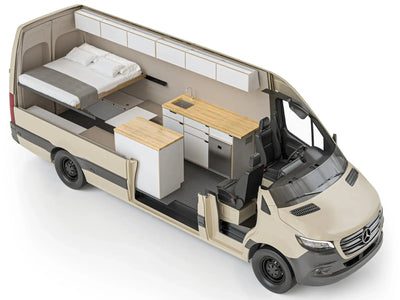
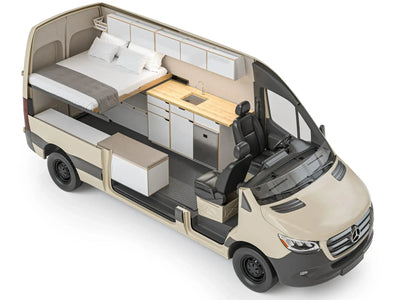
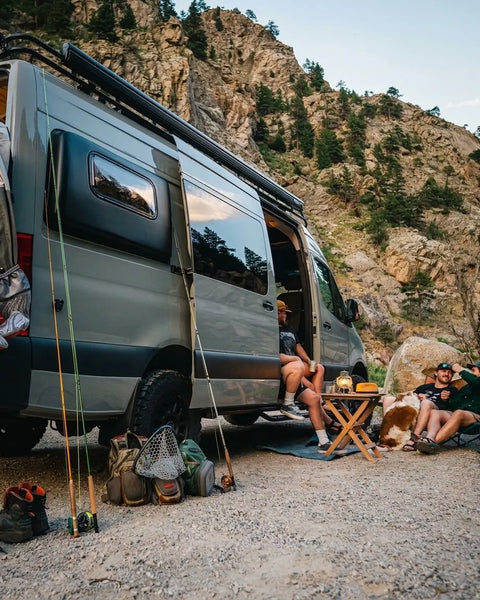
A Class B RV is a compact motorhome built on a full-size van chassis-typically 16 to 24 feet long-with core amenities like a bed, kitchen, and bathroom packed into a maneuverable, adventure-ready package. These vans, often called camper vans, combine the comfort of home with the agility and efficiency of a standard vehicle. That means you can explore tight city streets or remote forest roads, and still enjoy hot meals, a real bed, and reliable power off-grid. For many, Class B RVs are the sweet spot between comfort, freedom, and ease of use-making them perfect for solo travelers, couples, or families seeking their next adventure, or downsizing from larger rigs.
Defining a Class B RV: What Makes It Unique?
At its core, a Class B RV is a motorhome that keeps the look and shape of a full-size van. According to RV Universe, these vehicles are built directly on van chassis, rather than trucks or bus frames. The most popular platforms in 2026 are the Mercedes-Benz Sprinter and Ford Transit, both known for their reliability, advanced safety features, and strong resale value. While the Ram ProMaster is also used, premium conversions-including those by The Vansmith-almost always start with Sprinter or Transit for best results.
Class B RVs usually measure between 16 and 24 feet long. That’s small enough to slip into a regular parking spot, yet big enough to pack in a cozy living space. To be classified as a true Class B, the van must have a permanent or convertible sleeping area, a kitchen, and a bathroom-all tucked within the original van body. No added coach shells or overhangs here; the van’s clean lines and aerodynamic efficiency are preserved, which helps with both stealth camping and fuel economy.
Inside, you’ll find all the essentials: freshwater, grey, and blackwater tanks, an onboard power system, and often solar panels for off-grid living. Because they drive much like a regular van, there’s hardly a learning curve-even new RVers can hit the road with confidence. The term "camper van" is often used interchangeably with "Class B RV," especially when talking about high-quality custom conversions like those crafted by The Vansmith right here in Colorado.
Chassis Platforms and Build Standards
Most Class B RVs on the road today are built on the latest Sprinter or Transit chassis. These platforms offer optional AWD or 4x4, modern driver-assist tech, and strong safety ratings. Sportsmobile points out that retaining the original van body sets Class B RVs apart from larger Class C models, which use a cutaway chassis and box-shaped coach. This design keeps Class B vans stealthy and aerodynamic-perfect for city stealth camping or squeezing down back roads.
High-roof models, especially the Sprinter and Transit, provide around 6'3" to 6'6" of standing height inside. That’s tall enough for most adults to stand up straight-no hunching required. Custom builds, like those from The Vansmith, can maximize every inch with smart layouts, clever storage, and tailored amenities. Meanwhile, factory models such as the Airstream Atlas focus on luxury, offering plush interiors and turnkey convenience for buyers who want to just turn the key and go.
The Vansmith specializes in high-quality, Colorado-built conversions for the Sprinter and Transit. Their focus on modular design and craftsmanship means every van is tailored to its owner’s style-no cookie-cutter builds here. Browse their Transit conversions to see how the platform shapes the adventure.
Core Amenities in a Class B RV
Despite their small footprint, Class B RVs deliver a surprising range of comforts. Most include a compact kitchenette with a 1-2 burner stove, a small stainless sink, and a 2-5 cubic foot fridge-just enough for a few days off-grid. Wet baths are common, combining a waterproof shower and toilet in a single space-saving compartment. This setup isn’t as roomy as the split baths found in larger rigs, but it packs in the essentials for real-world travel.
Sleeping space is usually convertible-a bench seat that folds into a bed, a Murphy bed, or a fixed platform at the rear. Most Class B RVs sleep two to four people. For couples or solo adventurers, it’s a perfect fit. Some layouts, like The Vansmith’s Family XL, are designed to squeeze in kids without sacrificing comfort, making weekend getaways with young explorers totally doable.
Modern Class B vans bring in all the tech: entertainment systems, inverter/converter setups, and solar power to keep the lights on away from campgrounds. Freshwater tanks usually hold between 16 and 30 gallons-enough for a few days of showers, dishes, and drinking. Heating and cooling are handled by diesel or gas heaters, air conditioning, and insulated van bodies, making four-season travel possible with the right build. You can see examples of these setups in The Vansmith’s Foundation builds, where practical systems meet everyday usability.
Class B RV Features and Benefits: Why Choose One?
The biggest advantage of a Class B RV is how easy it is to drive and park. With a length between 16 and 24 feet, these vans can slide into a grocery store spot, parallel park on city streets, or sneak down tight mountain lanes. It’s freedom without the stress of piloting a big rig. RV Universe highlights their city-friendly footprint-something you’ll appreciate when chasing spring wildflowers one weekend and popping downtown for coffee the next.
Fuel efficiency is another major reason people pick Class B. Depending on the chassis and how loaded down you get, real-world mileage ranges from 10 to 25 mpg. That’s a big jump from the 7-12 mpg you’ll see in most Class C or A RVs. You’ll save at the pump and have a longer range between fill-ups-key for remote trips.
The compact size also makes Class B RVs a favorite for boondocking and national park visits, where length limits and tight campsites often shut out bigger rigs. The lighter weight (5,000-12,000 pounds) puts less strain on the drivetrain, which means lower maintenance costs over the long haul. Because these vans are still, at heart, regular vehicles, they’re easy to service and can even double as daily drivers in the city. No special license needed-just hop in and go.
Safety is a big draw, too, especially with modern Sprinter and Transit vans. Features like blind-spot monitoring, adaptive cruise, and AWD options make these rigs a solid choice for first-time RV owners. The Vansmith’s DUO XL layout and other builds are designed to make the most of these benefits, focusing on real-world use: simple systems, smart storage, and the kind of adventure-ready reliability that Colorado vanlifers expect.
Trade-Offs and Limitations
No RV is perfect, and Class B has its quirks. The most obvious: space. With everything packed into a van shell, you’ll need to pack light and organize well. There’s less storage and less living room than you’ll get in a Class C or A. For gear-heavy trips-like hauling bikes, skis, or surfboards-careful planning is essential. Some adventure builds, help solve this with modular gear storage, but you’re still working within tight limits.
Wet baths, while practical, can feel cramped after a few days on the road. If you’re used to a big separate shower, this might be an adjustment. Sleeping space maxes out at four, so bigger families might find themselves squeezed. Tank sizes are smaller, too-expect to refill or dump every couple of days if you’re off-grid. For long trips, this means more stops and a bit more planning. But for most solo travelers, couples, or families with one or two kids, these trade-offs are worth the freedom and flexibility a Class B van brings.
Class B vs. Class B+ and Other RV Classes
The RV world is full of options, and it can be confusing to sort out the differences. Class B+ RVs use the same van chassis as standard Class B, but add a wider, taller "coach" body. This gives you more interior space-bigger bathrooms, more storage-but sacrifices some agility and stealth. Most measure 22 to 26 feet and may not fit in regular parking spots. RV Universe notes that Class B+ works for those who want more elbow room without stepping all the way up to a Class C.
Class C RVs are built on cutaway van chassis, with a boxy coach and a cab-over bunk for extra sleeping space. These rigs are longer-22 to 32 feet-and have more room for big families or those who want a larger kitchen and bath. But they’re harder to drive, use more fuel, and are trickier to park in tight spots. Class A RVs are the giants-think tour bus style-stretching up to 45 feet, with the most living space but also the highest costs and biggest challenges in handling and maintenance.
Mileage is a big separator: Class B vans average 10-25 mpg, while Class C and A usually see just 7-12 mpg. Insurance and upkeep are also lower with Class B, since you’re dealing with van-based parts. For most people looking to balance comfort, access, and adventure, Class B lands right in the sweet spot. RVshare points out that these vans are ideal for getting into national parks, urban areas, and remote campsites where bigger rigs just can’t go.
Choosing Between Class B, B+, C, and A RVs
If mobility and simplicity matter most-maybe you’re a solo explorer, an adventure couple, or a small family-Class B is usually the way to go. For those needing just a bit more room, but not a massive coach, Class B+ offers a middle ground. Large families or folks who want separate sleeping zones often prefer Class C, while Class A is for those prioritizing max comfort and storage, with the trade-off of higher costs and limited access to wild places.
Real-World Examples: Popular Class B Models
Some of the best-known Class B RVs set the standard for comfort and utility. The 2026 Airstream Atlas rides on the Mercedes-Benz Sprinter, stretches 24 feet, and features a Murphy suite, luxury finishes, and a wet bath-a true high-end option. Sportsmobile’s custom builds use Sprinter or Transit platforms for modular, off-grid-ready vans with gear storage and adventure upgrades. The Vansmith’s DUO XL on the Sprinter 170 is tailored for couples or small families, with a full kitchen, convertible bed, and solar power for real off-grid capability. The Winnebago Revel, another factory favorite, uses the Sprinter 4x4 and includes a gear garage for bikes and outdoor toys-perfect for the adventure set.
Is a Class B RV Right for You? Decision Factors and Use Cases
So, who gets the most out of a Class B RV? Solo travelers and adventure couples love the easy handling and just-right living space. It’s also a great fit for families with one or two kids, as long as you’re realistic about packing and sleeping arrangements. Transwest notes that the key is picking a layout that fits your crew-like the Family Van conversions from The Vansmith.
Class B RVs are also stars for off-grid camping, national parks, and city exploration. Their smaller size and stealthy looks let you blend in at trailheads, city streets, or remote campsites-something bigger rigs can’t match. For remote workers, a Class B van can even double as a mobile office with solar, Starlink, and climate control. That’s freedom to work from just about anywhere.
If you value independence, comfort, and the ability to switch from the city to the wild in a single trip, a Class B van checks the boxes. The Vansmith’s customized solutions are all about matching your van to your lifestyle, whether that’s weekend escapes or full-time travel. You can explore their Class B camper vans for sale for ready-to-drive rigs, or dive into the custom build journey for something one-of-a-kind.
Premium Features and Manufacturer Highlights
Airstream’s touring coaches set the bar for safety, Mercedes-Benz engineering, and beautiful interiors-think high-end finishes and plenty of tech. Sportsmobile specializes in custom builds with adventure-ready gear, off-road upgrades, and modular layouts. The Vansmith’s approach is all about Colorado craftsmanship, modular design, and sustainable materials-making each van a reflection of its owner’s needs and dreams.
Next Steps: Finding or Customizing Your Class B RV
Ready to make the leap? The Vansmith provides both ready-to-drive Class B vans and fully custom conversions on the Sprinter and Transit-check out their latest vans for sale. When choosing your van, think about how you’ll use it: weekend trips, full-time living, family adventures, or remote work. Consider how many people you need to sleep, what amenities matter most, and your must-have upgrades-solar panels, diesel heaters, or suspension lifts can all be added to tailor your rig.
Need inspiration or advice? Reach out through The Vansmith’s contact page, or browse their van build blog for stories and ideas from real owners. However you roll, there’s a Class B van-and a custom build-to match your dream adventure.
FAQ
What is a Class B RV and how is it different from a camper van?
A Class B RV is a fully self-contained motorhome built on a full-size van chassis like the Mercedes Sprinter or Ford Transit. It must include a bed, kitchen, and bathroom-all with plumbing and real off-grid capacity. While the term "camper van" is often used for both, a true Class B RV meets specific standards for sleeping and living amenities, setting it apart from basic van builds. (Source)
What are the key features and benefits of a Class B RV?
Class B RVs are prized for their easy driving, parking in regular spaces, and fuel efficiency-usually 10-25 mpg depending on the chassis. Inside, you’ll find a compact kitchen, wet bath, and sleeping space for two to four people. They’re perfect for both the city and wild places, offering comfort with freedom. (Source) (Source)
How does a Class B RV compare to a Class C RV?
Class B RVs are more compact-16-24 feet versus 22-32 feet for most Class C. They’re easier to drive and park, and they get much better gas mileage. Class C RVs offer more space and sleeping capacity, but can be a handful on the road or in city environments. (Source) (Source)
Can a family use a Class B RV for travel?
Yes, many Class B RVs are designed to sleep up to four, which works well for couples or small families. You’ll need to pack smart and pick a layout with enough beds and storage-like The Vansmith’s Family builds-to make it work. For bigger families, a larger RV class might be a better fit.
What are some real-world examples of Class B RVs?
Popular options include the 2026 Airstream Atlas (Mercedes Sprinter, 24 feet, luxury finishes), Sportsmobile’s custom Sprinter and Transit conversions, and The Vansmith’s DUO XL on the Sprinter 170. Each stands out for unique layouts, build quality, and adventure-ready features.