Boondocking is off-grid, free camping-usually on public lands-where van lifers rely on their own water, power, and waste systems for days at a time. This approach to van life offers unmatched freedom, solitude, and direct connection to wild places, but demands self-sufficiency and respect for the land. With the right gear, thoughtful planning, and a quality van build, boondocking becomes not just possible, but comfortable and deeply rewarding.
What Is Boondocking? The Basics for Van Lifers
 Boondocking, also called dispersed camping, means parking your van well away from developed campgrounds, often on public lands managed by the BLM or National Forest Service. There are no hookups, no restrooms, and no trash service-you're truly on your own. While this style of camping is legal in many places, it’s only allowed in designated or permitted areas, mostly on federal land. BLM sites, for instance, typically allow a stay of up to 14 days within a 28-day period at one location, which helps protect natural resources and keeps sites available for others.
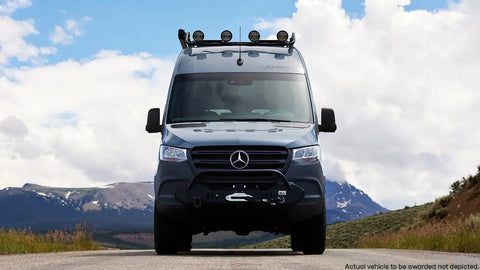
Boondocking’s appeal is clear: it’s free, offers a deeper sense of solitude and connection to nature, and lets you skip crowded, expensive campgrounds. For newcomers to van life, it’s worth knowing that this freedom comes with big responsibilities. Campers must be fully self-contained for water, waste, and power, since you won’t find amenities or support nearby. The surge in van life popularity means more people are heading off-grid, so responsible boondocking matters now more than ever. Thoughtful van builds-like the Mercedes Sprinter or Ford Transit platforms-make boondocking easier by offering plenty of storage and off-grid upgrades.
Types of Boondocking and Where It's Allowed
You can boondock on most BLM and National Forest lands unless signs say otherwise, but always check up-to-date regulations before choosing a spot. Camping in unauthorized areas, like private land or restricted zones, can result in fines or being asked to leave. While some commercial parking lots (like select Walmart or Cracker Barrel locations) sometimes permit overnight stays, these aren't true boondocking-they lack the wild and quiet experience most van lifers seek.
Some state lands and wildlife areas also offer dispersed camping, but rules vary widely, so research is key. Handy online resources like Campendium or iOverlander make it much easier to find legal, reviewed spots. Fire restrictions are common, especially in dry seasons, so always check the latest rules before lighting up a camp stove or fire. Wherever you go, Leave No Trace is the golden rule: pack out all waste, avoid damaging vegetation, and leave sites better than you found them.
Boondocking vs. Campground Camping: Key Differences
When you boondock, you sacrifice hookups-there’s no water, no electric, and no dump station in sight. Unlike campgrounds, which often require reservations and charge fees, boondocking is typically free and works on a first-come, first-served basis. That means you get more privacy and a more immersive wild experience, but you need serious planning and resource management skills. Many vans are built from the ground up for this kind of camping: think solar panels, big water tanks, and composting toilets.
The biggest pitfall? Improper waste disposal. All waste must be packed out or handled with a portable system-never dumped. Boondocking spots are especially sensitive to noise and light, so keep generators and bright LEDs to a minimum. Also, be aware that emergency services are often far away and cell coverage can be spotty. That makes self-reliance a non-negotiable part of the adventure. For more on how to prepare your van, check out custom van design options.
Essential Boondocking Gear for Van Life
 To really thrive off-grid, you’ll need a handful of specialized gear. A solid power system is the heart of most boondocking setups: roof-mounted solar panels (200-400 watts is common), a bank of lithium batteries (200-600 amp hours), and sometimes a quiet generator for backup. This keeps your lights, fridge, and devices running for days.
Water storage is the next big need. Most van lifers carry 20 to 40 gallons, enough for three to seven days depending on how much you conserve. For waste, a portable or composting toilet-like the Nature’s Head or a Dometic-is a must. These make it possible to pack out all waste, which is required on public land. Efficient refrigerators (12V DC, 40-75 liters) keep food cold without draining your batteries, and a propane or diesel heater (like the Webasto or Espar) is a game-changer for winter trips. If you’re refilling water from rivers or unknown taps, a solid filtration system-Berkey or LifeStraw-keeps you healthy.
Offline navigation tools (like Gaia GPS), a satellite emergency beacon (think Garmin inReach), and a well-stocked first aid kit round out the essentials. These aren’t just nice extras-they’re vital for safety and peace of mind in remote places. For an in-depth look at gear, see this detailed boondocking gear guide.
Resource Management: Power, Water, and Waste
Conserving your resources stretches your time off-grid. Low-flow fixtures and military-style showers really help your water last, doubling the days between refills. LED lights and energy-smart appliances cut battery draw so your solar system goes further. Many van builds include portable or built-in greywater tanks (usually 5-10 gallons) so you can legally dispose of wastewater at proper facilities.
If your solar setup is at least 200 watts and you’re in sunny territory, you can often run your systems indefinitely. Some vans even have a secondary alternator, letting you charge your batteries while driving-one of those small upgrades that makes a big difference on long trips. Water-saving dishwashing hacks-like using spray bottles or collapsible basins-help keep greywater to a minimum. And always, always pack out every bit of trash and wastewater. Need a van that’s up for the challenge? Explore our off-grid upgrades and service offerings.
Safety, Navigation, and Connectivity Gear
Cell service vanishes fast once you’re deep into the backcountry, so offline GPS apps (Gaia, Maps.me) or even paper maps are essential. For real emergencies, a satellite messenger (like Garmin inReach) can be a literal lifesaver. Portable fire extinguishers and smoke or CO detectors are must-haves, especially when using heaters in remote areas.
Weather radios tuned to NOAA keep you in the loop about storms and fire danger when you can’t get alerts on your phone. If you need to work or stay connected, Wi-Fi boosters or satellite internet like Starlink can help, but speeds aren’t always consistent. A thorough first aid kit, wilderness-ready, is another non-negotiable. In wildlife-heavy spots, bear spray or other deterrents are smart additions to your kit. For a deeper safety checklist, check out these safety guidelines from the BLM.
Finding the Best Boondocking Spots in the U.S.
 The best boondocking in the U.S. is usually found on public lands-especially those managed by the BLM and US Forest Service. The American West is a goldmine for off-grid camping, with endless tracts of land open for free, legal stays. Some of the most-loved regions include Moab in Utah, Quartzsite in Arizona, California’s Eastern Sierra, and the San Juan Mountains of Colorado. Each spot offers its own flavor of wild beauty and open space.
Apps like Campendium, iOverlander, and FreeRoam have made it much easier to find crowd-sourced, GPS-verified campsites, complete with reviews and tips. States like Nevada, Arizona, and New Mexico are especially friendly for boondockers, with more permissive rules and vast, open landscapes. Even east of the Mississippi, many National Forests allow dispersed camping, but you’ll need to pay extra attention to rules and suitable sites. Always check for up-to-date fire restrictions and seasonal closures before heading out-especially during high-risk months.
Respecting signage and local guidelines isn’t just good manners-it keeps these places open for everyone. Illegal camping and resource damage have led to closures in some areas, so play by the rules for your own sake and for future van lifers. You can always find more region-specific tips in our van build blog.
How to Research and Scout New Sites
Online maps from the BLM and USFS show boundaries and legal camping areas, but it’s smart to double-check with local ranger stations for the latest info. Arriving in daylight gives you the best shot at assessing road conditions and finding a safe, level spot for the night-especially important for longer vans like the Sprinter 170.
If your van has high clearance and all-terrain tires, you’ll have more options to reach remote, less crowded sites. But always check road quality and weather before driving off the pavement. It’s tempting to camp next to water, but always set up at least 200 feet away to protect fragile stream banks and wildlife. User reviews on apps often mention practical details-road roughness, noise, or cell coverage-that can make or break a spot. In some areas, you’ll need free permits or to register, so check with local offices. And always scout multiple exit routes in case weather or fire forces a quick departure. For more on building a van for rough terrain, see our Sprinter conversion options.
Van Features That Open Up More Boondocking Options
High-roof vans like the Sprinter and Transit provide true stand-up comfort, making long off-grid stays much more enjoyable. Added ground clearance and all-terrain tires let you reach wilder, less crowded places-especially when paired with onboard air compressors, winches, and other recovery gear.
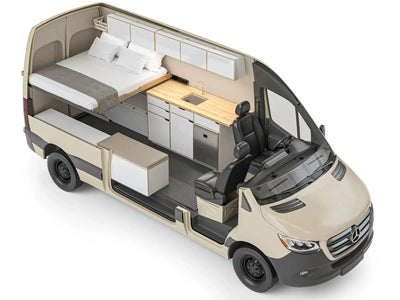
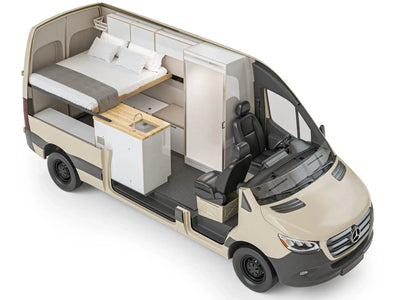
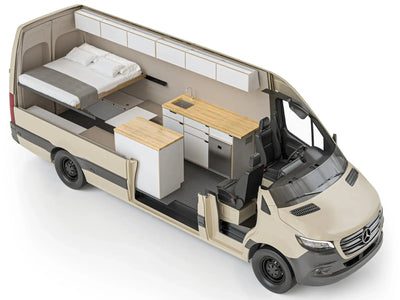
Big battery banks and solar arrays let you work remotely or stay out for weeks, while integrated water filtration and larger tanks mean fewer trips to town. Insulated walls and quality heaters, like the Webasto, keep winter nights cozy. Modular cabinetry and smart storage keep your gear tidy and easy to reach, so you can focus on the adventure instead of digging through clutter. For a look at boondocking-ready layouts, take a peek at our DUO series.
Boondocking Etiquette and Leave No Trace Principles
Protecting wild places is at the heart of boondocking. That starts with packing out every bit of trash, waste, and used water-leave nothing behind. Always camp at least 200 feet from any water source to protect wildlife and prevent erosion. Stick to existing campsites and avoid making new fire rings or creating fresh clearings. Noise and lights should be kept to a minimum, especially at night. If you use a generator, run it only during the day and as little as possible.
Fire bans are common, and local rules can change fast-always check for active fire restrictions before lighting any flame. Never dump grey or black water anywhere but a proper station or portable tank. Teaching friends and newcomers about Leave No Trace keeps the land open for everyone, now and in the future. For more on these principles, see this BLM guide to minimal impact living.
Local Community and Wildlife Considerations
Respect local property boundaries and never block ranch roads or driveways-trespassing can quickly close off areas to all van lifers. Minimize campfire use, and always double-check for fire bans. In bear country, secure all food and scented items so you don’t attract wildlife. Keeping your group size small reduces impact and makes it easier for everyone to enjoy the peace and quiet.
Always yield to ranchers, law enforcement, and other land users. Keep pets leashed and under control to protect both wildlife and other campers. If you notice illegal dumping or environmental damage, report it to the authorities-the future of boondocking depends on everyone doing their part. For families thinking about van life, see our family van options for rugged, durable builds.
How The Vansmith Builds Vans for Responsible Boondocking
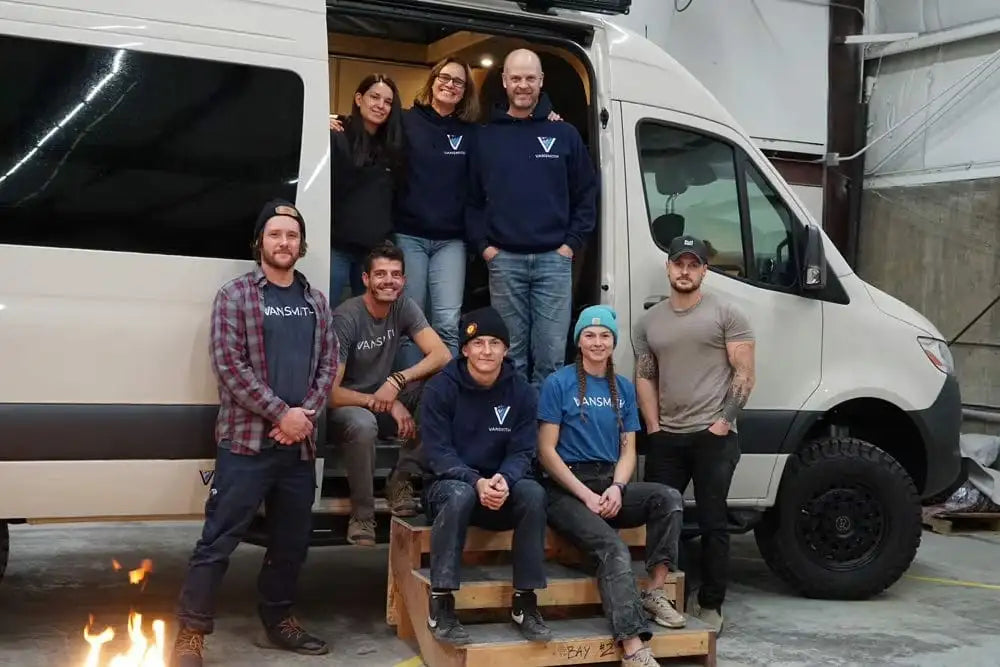
The Vansmith designs every layout with boondocking in mind-large water tanks, solar setups, efficient appliances, and composting toilets are standard options. Diesel heaters and modular cabinetry boost self-sufficiency and help conserve resources, letting you stay out longer and go further. All our builds focus on durability and easy cleaning, crucial for life in remote, muddy, or sandy places.
Quality insulation and heating/cooling systems keep you comfortable in any season. Upgraded suspension, all-terrain tires, and storage for recovery gear make reaching remote public land much safer and more reliable. We also offer a full menu of service upgrades-like solar, batteries, or water systems-to help you get your current van boondock-ready. If you want to explore layouts specifically created for off-grid life, check out the DUO and Family XL series. Or, start your journey with our custom van build process.
Boondocking Tips for Beginners: Staying Safe and Comfortable
Arrive at new sites well before dark so you can check road and site conditions in daylight. Always keep at least a quarter tank of fuel in reserve, and know your exit route in case of bad weather or wildfire. Bring extra food, water, and emergency supplies so an unexpected delay doesn’t become a crisis.
Test all your systems-solar, heat, water, and toilet-before your first real trip. Mountain or desert weather can change fast, so be ready for anything. Always share your travel plan and campsite location with a trusted friend or family member before heading off-grid. For your first few trips, stick to well-known, reviewed spots before trying more remote or tricky locations. You’ll find more real-world tips in our beginner’s van life guide.
Common Mistakes and How to Avoid Them
It’s easy to overestimate your van’s clearance or off-road chops-always scout unfamiliar roads on foot if you’re unsure. Running out of water or battery power is a classic rookie mistake, so monitor your resources closely and have a backup plan. Ignoring fire restrictions or local rules can get you fined or, worse, lead to the closure of a beloved boondocking site.
Leaving trash or dumping waste is the fastest way to lose access for everyone, so pack it all out. Too much noise or bright lights disturbs both wildlife and other campers. Don’t count on cell coverage-remote areas are often dead zones, so bring offline navigation tools and emergency gear. Not checking weather or road closures before you leave can put you in a tough spot-always do your homework.
Building Confidence: Practice and Community Resources
Start with short trips close to home to practice your systems and routines before you venture far into the wild. Use online communities and databases like Campendium and iOverlander to read recent site reports and learn from others. Van life meetups or workshops are great places to pick up tips from experienced boondockers.
Practice Leave No Trace from your very first trip-it’ll become second nature. Keep a checklist for your gear, safety items, and daily routines to make setting up and breaking down camp quick and easy. Document your early experiences so you can learn, improve, and help others just starting out. And if you need advice or want to upgrade your van, The Vansmith blog and service team are always here to help. Learn more at our DIY van blog.
FAQ
What is boondocking and how is it different from dry camping?
Boondocking is off-grid camping, usually on public lands, where you have no hookups for water, power, or sewage. The key difference from dry camping is location-dry camping can happen at a campground without hookups, while boondocking is specifically free, dispersed camping outside of developed areas. You’re fully self-sufficient, relying on your van’s systems and your own planning. See more from the BLM’s boondocking overview.
What gear do I need for safe and comfortable boondocking?
For safe boondocking, you’ll want solar panels (200-400W), lithium batteries (200-600Ah), water tanks sized 20-40 gallons, a portable or composting toilet, water filtration, and offline navigation tools. Diesel heaters and efficient appliances are also smart for four-season comfort. Dive deeper in this essential gear guide.
Where can I legally go boondocking in the U.S.?
Most legal boondocking happens on Bureau of Land Management (BLM) and National Forest lands, especially out west. Always check local rules, posted signage, and fire restrictions before setting up camp. Up-to-date info is available from the BLM’s camping page.
What are the most important boondocking etiquette rules?
Always pack out all trash and waste, camp at least 200 feet from water sources, use existing campsites, keep noise and lights to a minimum, and follow all posted rules and fire bans. Practicing Leave No Trace preserves wild places for everyone. For more, see this BLM etiquette guide.
How do The Vansmith’s van conversions support boondocking?
The Vansmith builds vans with big water tanks, robust solar systems, composting toilets, and efficient appliances for off-grid comfort. Upgrades like diesel heaters, all-terrain tires, and modular cabinetry make extended boondocking trips easier and more enjoyable. Explore our DUO layout for a boondocking-ready example.
About the author

Eugene Smit
CEO
Eugene is the CEO of The Vansmith, based in Boulder, Colorado. He writes across topics related to van builds, ownership, and the camper van industry.
Read more about Eugene