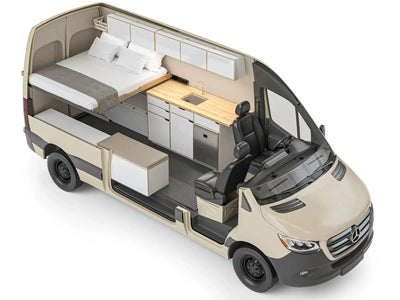
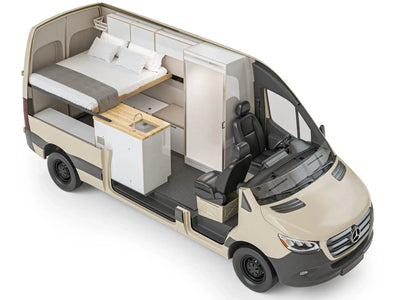
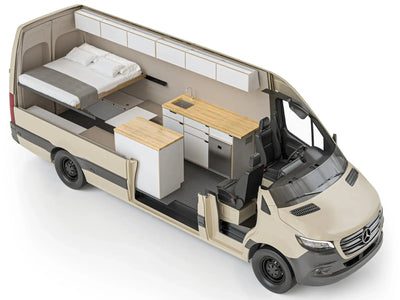
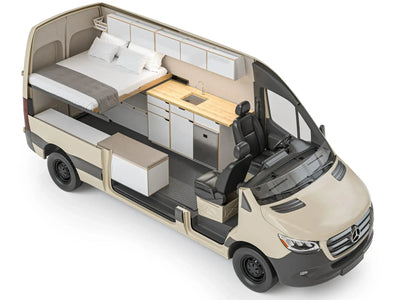
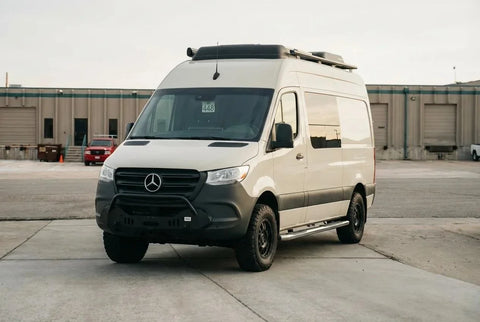
The small RV gives you freedom to explore more places with less hassle—most models measure 18 to 24 feet long, are easier to drive, and cost far less to own than big motorhomes. Small RVs are perfect for couples and solo travelers, offering better fuel economy, simpler maintenance, and access to sites where big rigs can't go. Camper vans, especially high-roof models, are often the best small RVs. They combine easy driving, stealthy parking, and full standing height with all the comforts you need. With smart design, you can live comfortably in a smaller space, enjoy off-grid features, and spend more time adventuring instead of worrying about logistics. For those dreaming of small RV living, it’s a lifestyle shift toward simplicity, flexibility, and real connection with the outdoors.
Why Choose a Small RV? Real-World Advantages
Small RVs shine when it comes to maneuverability. You can slip through city streets, park at tight trailheads, and fit into most campgrounds with ease. According to Winnebago, smaller rigs open up access to national parks and scenic byways that exclude bigger vehicles. The nimble size means less stress behind the wheel and more freedom to chase trailheads or downtown coffee shops.
Camper vans stand out among small RVs. They’re easy to drive in cities, fit in regular parking spots, and can be used as a daily vehicle. You get a comfortable interior, standing room, and all the essentials—bed, kitchen, and storage—in a package that’s less than 20 to 23 feet long. Vans are also more discreet for overnight parking and can go places trailers and bigger RVs can’t.
Affordability is another big draw. Small RVs cost much less up front than large Class A models—think $90,000 to $140,000 new for a Class B or compact Class C, compared to $250,000 or more for a full-size motorhome, as noted by Jayco. Fuel efficiency doubles in many cases, with small RVs averaging 13–18 mpg. That adds up, especially on long road trips. Insurance and maintenance are easier on your wallet, too.
Living small means living smart. Small RVs promote a minimalist, sustainable lifestyle—there’s less room for clutter, so you learn to bring only what you need. With lower emissions and fuel use, your travel footprint shrinks, which is something more travelers care about these days, as explained by Infanta. Modern small RVs even support off-grid living, with solar panels, lithium batteries, and water systems that let you camp anywhere for days or weeks at a time. Flexibility is huge: you’ll fit into more places and spend less time planning or worrying about limitations.
For couples and solo travelers, small RVs feel less intimidating to drive and park—great for first-timers. Many owners say these rigs let them just pick up and go, making spontaneous adventures a reality. If you want the best mix of comfort and freedom, a van conversion is hard to beat. Whether you’re after city culture, mountain trails, or hidden lakes, a small RV gets you closer to all of it.
Affordability & Cost of Ownership
One of the top reasons people choose small RVs is cost. Entry-level Class B vans and compact Class C models usually start between $90,000 and $140,000 new. That’s a big difference compared to the $250,000 and up you’ll pay for a large Class A. If you’re watching your budget or want to avoid a massive loan, small RVs make a lot of sense.
Fuel economy is a game-changer. Most small RVs return 13–18 mpg, while big rigs often manage only 7–10 mpg. Over a year of travel, that’s hundreds or even thousands of dollars saved. Insurance is cheaper, too—often 20–40% less than full-size motorhomes, as shared by Infanta.
Campground fees are lower since you can fit into smaller, cheaper sites (sometimes $25 a night or less). Maintenance costs drop, too—oil changes, tires, and routine service all cost less on lighter, simpler vehicles. Plus, small RVs hold their value better, with slower depreciation thanks to high demand and a growing market, according to RVIA.
Maneuverability & Accessibility
Most small RVs measure between 18 and 24 feet—so you can park in regular spaces, drive scenic byways, and wiggle into tight campgrounds. High-roof camper vans like the Mercedes Sprinter 144 or Ford Transit 148 give you 6'3" to 6'6" of standing height while staying easy to maneuver. That means real comfort without giving up agility.
Shorter wheelbases make small RVs easier to handle, even for folks who’ve never driven anything bigger than a pickup. As Jayco points out, these rigs turn tighter and go places larger RVs just can’t. National parks and scenic drives often ban vehicles over 25 feet, but your small RV will be welcome almost everywhere.
Lighter weight and reduced wind resistance boost safety and stability, especially in rough weather. You’ll feel less push from crosswinds and have better control in rain or snow. That’s peace of mind for long drives and mountain passes.
Best Small RV Models for 2025–2026: Standouts for Couples & Adventurers
The new wave of small RVs packs comfort, tech, and off-grid features into compact packages. The Winnebago HIKE 100 FLX is a lightweight trailer under 16 feet and 3,000 pounds, towable by many SUVs. It’s ready for the wild with solar, lithium power, and all-weather insulation.
The Jayco Melbourne 24L uses a Mercedes Sprinter chassis at just over 25 feet, offering a queen bed, full bath, and a slide-out dinette. It’s a favorite among couples who want a little extra room without the bulk, as highlighted in Jayco's guide.
The Winnebago Revel is built on a 4x4 Sprinter platform, stretching just under 20 feet but loaded with a power lift bed, lithium batteries, and integrated solar for true off-grid travel. Ford Transit-based vans, like the Winnebago Ekko, are also hot right now—AWD, fuel efficient, and flexible inside, all in about 23 feet.
Teardrop and micro-trailers, like the Airstream Basecamp, are still popular for solo travelers and couples. They’re light, basic, and under 16 feet—great for quick getaways or fair weather trips. If you’d rather go custom, builders like The Vansmith offer unique layouts for the Mercedes Sprinter and Ford Transit. Their DUO XL and DUO S builds feature modular beds, convertible dinettes, and top-tier insulation for four-season use.
Modern tech is everywhere—touchscreen controls, Starlink internet, and advanced battery systems are common in today’s small RVs. That means you can work, stream, or stay connected almost anywhere.
Class B vs. Compact Class C: What’s Right for You?
Class B camper vans, built on Sprinter or Transit chassis, lead the pack for driveability and stealth camping. They’re the best for fuel economy (14–18 mpg) and can handle tight city streets or hidden forest roads, as described by Winnebago.
Compact Class C RVs, like the Jayco Melbourne, give you more interior space—think fixed beds, bigger bathrooms, and slide-outs. But you’ll be 3–5 feet longer and a bit less nimble when parking or exploring backroads. For longer trips or families, Class C’s bigger tanks and storage can make a big difference.
The trade-off? Class B vans often use convertible beds and compact kitchens, while Class C models can fit full-size furniture and bigger appliances. Both types now come in AWD or 4WD, so off-grid travel is possible either way. Sprinter and Transit platforms are trusted for reliability and easy service across the country.
Small RV Reviews: Real User Experiences
Owners of the Winnebago HIKE 100 love its rugged build and lightweight design. They highlight the ease of towing with a midsize SUV and the freedom to camp off-grid. Downsides? Space is tight for more than two people. Jayco Melbourne 24L reviewers enjoy the smooth ride and Mercedes chassis, but mention that slide-outs make leveling and setup a bit more involved.
Class B van users rave about spontaneous travel and easy parking. They do adjust to smaller bathrooms and the need to use furniture for multiple purposes—think beds that become dinettes and kitchens that double as workspaces. Teardrop trailer owners praise the simplicity and quick setup but find these best for short trips or fair weather.
Custom camper vans, like The Vansmith DUO series, stand out for their craftsmanship and flexible layouts. Many owners say these interiors feel warmer and more personal than mass-produced RVs. It’s the difference between a home you help design and one that’s built for the masses.
Small RV Living: Practical Comfort and Storage Solutions
Living well in a small RV means getting creative with space. Smart storage is a must—under-bed trunks, overhead cabinets, and modular wardrobes keep gear tidy and easy to reach. According to Homestyler Learn, multi-functional furniture (like Murphy beds and convertible dinettes) lets you use the same square footage for lounging by day and sleeping at night. Light-colored finishes and daylight LEDs help the space feel open and welcoming.
Comfort matters, too. Good insulation, thick mattresses, and blackout window coverings make a big difference for sleep and privacy. Sound-dampening floors and insulated wall panels cut road noise and vibration. Thoughtful design—like keeping everyday items within arm’s reach—makes daily life smoother.
Year-round comfort is possible with the right upgrades. Diesel heaters, insulated window covers, and roof vent fans let you chase the seasons without worry. The Vansmith offers heater installs and other climate-control upgrades for true four-season living.
Maximizing Storage in a Small RV
Every inch counts in a small RV. Modular cabinetry and custom storage boxes—like those in The Vansmith DUO XL—turn awkward corners into usable space. Wheel wells, under-bench areas, and overhead shelves all become prime real estate for gear.
Floating nightstands and wall-mounted organizers keep essentials close without cluttering the floor. Collapsible cookware, nesting bowls, and compact appliances save space in the kitchen and make cooking on the road easy. Many RVers rely on outdoor storage, like rear boxes or roof racks, to haul bulky gear (bikes, skis, or paddleboards) and keep the interior calm and clutter-free. The Vansmith installs roof racks and storage upgrades for these exact needs.
Creating a Comfortable Small RV Interior
Lighting has a big impact on mood and comfort. LED lights with adjustable warmth help you relax and support your natural sleep cycle. Proper insulation—on walls, floor, and windows—keeps the inside quiet and comfortable, no matter the weather outside.
Flexible seating is a must. Swivel cab seats turn the driver area into a lounge or workspace in seconds. The Vansmith can add swivel seats and other ergonomic upgrades to make your van fit your daily rhythm.
Ventilation is vital for off-grid comfort. Powered roof fans and opening windows keep air moving, reduce condensation, and help regulate temperature. Vent fans and window installs are among the most popular upgrades for small RV living.
Is a Small RV Right for Your Lifestyle? Key Considerations
Small RVs are a natural fit for couples, solo travelers, and small families who value flexibility and simplicity over sheer size. If you love to explore, want to camp in more places, or just prefer less setup and stress, small RV living checks a lot of boxes. Infanta notes that your travel style matters—short trips, off-grid adventures, or long hauls each come with different layout and storage needs.
If you work remotely, you’ll want to consider desk space, power options like solar and lithium batteries, and connectivity upgrades such as Starlink or cell boosters. Packing discipline is key, but you gain the freedom to move quickly and spend more time outdoors. Climate and region also play a part—insulation, heating, and cooling are must-haves for four-season travel. Families and pet owners should look at sleeping arrangements and tough, easy-to-clean materials.
Custom conversions help bridge the gap between your needs and the market’s one-size-fits-all approach. The Vansmith’s design/build service lets you fine-tune storage, beds, and climate features for your adventures.
Who Benefits Most from Small RV Living?
Couples seeking shared adventure love the coziness and efficiency of a well-designed small RV. Solo travelers get easy driving, parking, and the chance to camp almost anywhere. Families can make it work with clever layouts—bunk beds or convertible furniture—but may outgrow the smallest trailers as kids get older.
Retirees and digital nomads find that small RVs balance comfort with manageability, making them great for extended travel or working from the road. The flexibility to go where you want, when you want, is tough to beat.
Checklist: What to Evaluate Before Buying or Converting a Small RV
Start with a test drive—try both Class B vans and compact Class C RVs to see what feels right. Think about your power needs: if you want to camp off-grid, solar and lithium batteries are worth the investment. Inspect for insulation quality, window and fan placement, and heating options to make sure you’re ready for all seasons.
Review the storage layout. Is it modular? Can furniture convert and adapt to your needs? Make sure the RV fits your travel style and gear. Look at service accessibility—Sprinter and Transit platforms are well-supported nationwide for easy maintenance and repairs. For inspiration, check out Sprinter and Transit conversions from The Vansmith.
The Vansmith Approach: Elevating Small RV Living with Custom Craftsmanship
At The Vansmith, we focus on custom Mercedes Sprinter and Ford Transit conversions. Our layouts are designed with couples, solo explorers, and small families in mind. The DUO and DUO S layouts feature modular beds, convertible lounge/dining spaces, and premium insulation, so you stay cozy from summer to snow.
We build every van with high-quality, durable materials—solid woods, marine-grade hardware, and eco-friendly finishes that last. Our team integrates custom cabinetry, hidden storage, and ergonomic touches to make every inch work for your needs. If you want to go off-grid, we install diesel heaters, lithium batteries, solar panels, and even Starlink internet. See our full lineup of upgrades for four-season adventure.
Our process is transparent and hands-on. We guide you from layout planning through every build step, so you always know what’s next. You can contact us to start your own custom build or browse available vans ready for adventure.
Why Choose The Vansmith for Your Small RV Conversion?
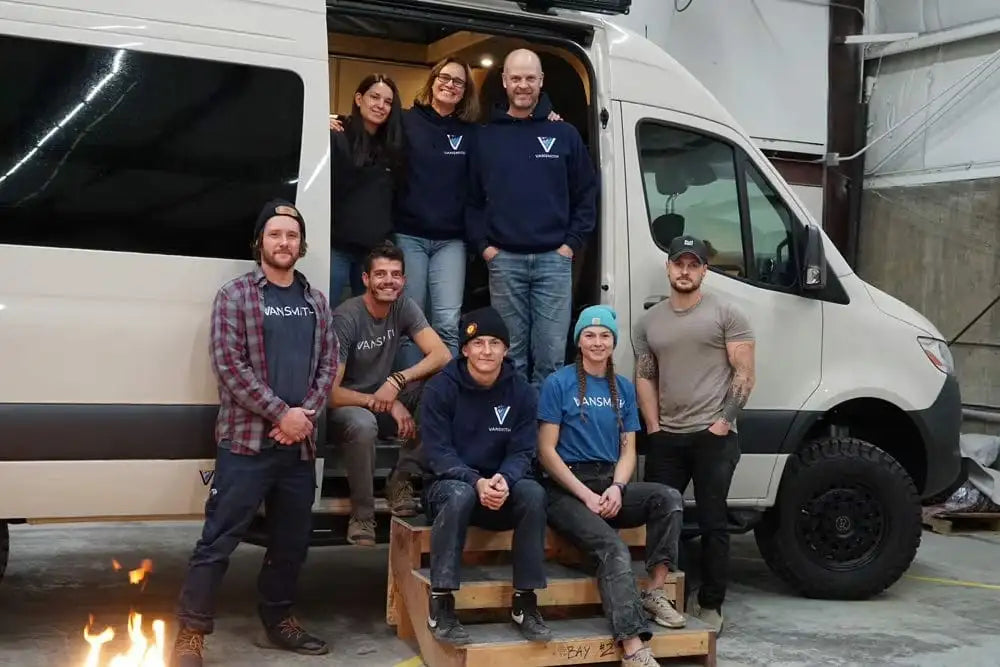
We bring years of experience building adventure vans for Colorado’s wild weather and rugged roads. Our interiors balance minimalist living with lasting comfort and beauty. Every van is tailored to your travel style, whether it’s quick weekend escapes or a full-time life on the road.
You get personalized service and a full suite of upgrades—from windows and heaters to storage boxes and solar power. Our process is built on trust, skill, and a love for adventure. Let’s build something that fits your journey.
FAQ
What are the main advantages of a small RV compared to a large RV?
Small RVs are much easier to drive, park, and maneuver in tight or scenic spots. They get better gas mileage—usually 13 to 18 mpg—and cost less in insurance, maintenance, and campground fees. You’ll also have access to places big rigs can’t go and enjoy a simpler, more minimalist travel style. Source
Which small RV models are best for couples in 2025?
Top picks for couples are the Winnebago HIKE 100 FLX (compact trailer), Jayco Melbourne 24L (small Class C), and Class B vans like the Winnebago Revel or Ford Transit-based builds. These offer comfortable sleep, full bathrooms, and flexible, modular living spaces for two. Source, Source
How can I maximize storage in a small RV?
Use modular cabinetry, under-bed trunks, and overhead compartments for big items, and wall-mounted organizers for essentials. Multi-use furniture and collapsible kitchenware help reduce clutter and make the most of your space. Source
Is a small RV suitable for full-time living?
Yes, many people live full-time in small RVs. The key is having good insulation, climate control, and smart storage solutions. You’ll need to pack light and focus on what you actually use, but the freedom and flexibility can make it well worth it. Source
What’s the difference between a Class B camper van and a compact Class C RV?
Class B vans on Sprinter or Transit bases are the most agile and efficient, with convertible beds and tight layouts. Compact Class C RVs offer more living space, fixed beds, and bigger bathrooms but are longer and less nimble. Both have modern amenities, but Class C’s are usually better for families or longer stays. Source, Source