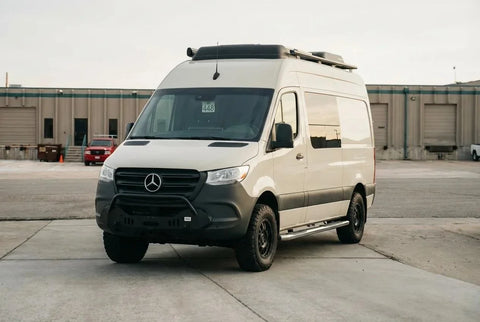
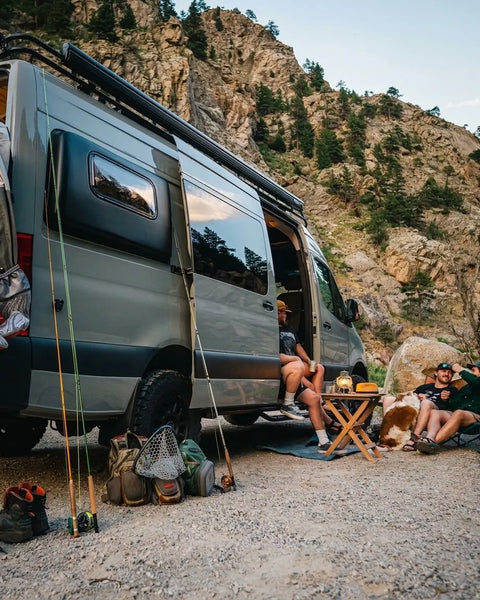
Is van life worth it? For the right traveler, yes, but it usually isn't the cheapest path once you count the full van life cost, including purchase price, financing, upkeep, and the real limits of camping on public land. A camper van tends to feel worth it when you use it often, like the mobility it gives you, and build it around how you actually travel. It tends to feel disappointing when you treat it like a shortcut to cheap housing or assume the hard parts will sort themselves out later.
Is van life worth it if your goal is saving money?
If your main goal is pure savings, the answer is usually no. The RV Industry Association and CBRE ownership study is useful here because it treats Type B motorhomes as their own category. That makes it one of the better ways to think about camper van ownership as a full cost picture, not just a cheap trip calculator.
That same study looks beyond gas and camp fees. Its method includes purchase price, financing interest, residual value, and annualized ownership cost assumptions. In plain terms, the van payment is only one line on the sheet, and often not the one that changes the answer most.
Go RVing's first-time buyer guide makes the same point from a buyer's angle. The purchase price is only part of the budget. If you're trying to judge van life cost honestly, you need to think in terms of total ownership cost plus operating cost, not just the monthly note and fuel.
Use matters a lot too. If your van supports long trips, frequent weekends, and regular travel seasons, you may get real value from the upfront spend. If it sits in storage most of the year, the math gets harder fast, even if you still love the idea of owning it.
There's also a big difference between a professionally built travel van and a stripped cargo van used as improvised housing. One is a travel asset with comfort, resale, and long-term use in mind. The other often skips the very things that make life on the road workable.
That distinction matters if you're looking at Sprinter conversions or Transit conversions. A well-planned build costs more up front, but it's built around real use. In our experience, that's often what separates a van people keep using from one they quietly regret.
The biggest van life costs are usually the ones people skip
A lot of first-time buyers focus on the van itself and stop there. Go RVing urges buyers to budget for more than the vehicle, and that's the right mindset. Insurance, maintenance, storage, registration, accessories, and campsite spending all belong in the real van life cost.
The RVIA and CBRE framework adds two costs people often miss. Financing interest can change the total in a big way, and residual value matters on the back end. Depreciation belongs near the top of the list because ownership cost isn't just what leaves your checking account each month.
Camping can help lower lodging spend, but it shouldn't be your only budget plan. The Bureau of Land Management camping guidance makes clear that local rules and stay limits shape what's possible. A cheap night can turn into extra driving or a paid site if your first option doesn't work out.
The base van matters too. Your chassis affects service access, maintenance visibility, payload, and how well a build can be integrated over time. Ford's Transit platform is a good example, and that matters if you're comparing your options before you customize your van.
Ford also highlights a Vehicle Maintenance Monitor on the Transit cargo van page. That kind of maintenance tracking can help frequent travelers catch needs before they become trip-ending surprises. Small features like that don't make headlines, but they can make ownership feel a lot smoother.
Build planning matters just as much. The Mercedes-Benz Vans Upfitter Portal is a reminder that modifications are technical, not just cosmetic. Weight, electrical work, and equipment placement all affect how the van works later.
When the numbers can make sense
Van life starts to make more sense when the van gets used a lot. If it replaces repeated hotel stays, supports long road trips, or lets you travel on your own schedule, the value can be real even if it isn't the absolute cheapest option. That's where many owners find the payoff.
The RVIA and CBRE cost-per-day lens helps here. More days of use spread ownership cost across more travel days. A van used for ten nights a year feels very different on paper than one used for fifty or a full travel season.
Remote workers and long-trip travelers often see value beyond simple dollars. Being able to carry your gear, sleep in the same vehicle, and move when plans change has real weight. The same goes for couples who want a steady basecamp instead of packing and unpacking at every stop.
A pro build can help a lot with that daily feel. Heating, ventilation, power, and storage are the systems that shape whether life inside the van feels easy or tiring. That's one reason many buyers start with Foundation builds or map out a full plan through The Vansmith's process instead of adding parts one by one with no bigger plan.
Weekend users can still find van life worth it. The key is being honest about why you're buying. If it's partly a lifestyle investment, and you know that going in, the decision can still make perfect sense.
Value is personal. A couple chasing long road seasons may judge the van very differently than someone hoping to cut rent with no clear overnight plan. Same vehicle, very different result.
The real van life cost of day-to-day living
Daily van life costs are shaped by logistics as much as money. The BLM's camping guidance makes clear that public-land camping runs on site-specific rules, reservations, occupancy rules, payment rules, and local conditions. That's a far cry from the idea that you can pull up anywhere and stay for free.
Many BLM-managed areas use stay limits of about 14 days within a 28-day period. That means long-term travelers need to plan moves. You can't assume one great spot will carry you for the month.
Those limits can create extra costs that don't show up in dreamy social posts. More moves mean more fuel, more route planning, and sometimes more paid campground nights between legal dispersed stays. Time is part of the budget too.
The BLM article on minimal-impact van life leans hard on planning ahead and having backup plans. That's a helpful reality check. A low-cost trip often depends on your ability to stay flexible, not just your ability to find a pretty pin on a map.
Go RVing's buyer guidance supports the same broad budget view. Recurring travel costs don't vanish after the purchase. Campsites, supplies, and upkeep all keep showing up month after month.
For many people, this is the real fork in the road. The question isn't whether some nights can be cheap. It's whether you're okay with the work it takes to keep them cheap, legal, and low-stress.
Why free camping is rarely as free as it sounds
Free camping exists, but it isn't a blanket promise. BLM says fees vary by campground, and some campgrounds use reservations or specific payment steps. On one trip you may find a free dispersed site, and on the next you may need a paid developed site.
The common 14-day limit within a 28-day period changes the whole rhythm. Even skilled boondockers need a rotation plan. Van life works better when you think in loops and backup spots, not in permanent basecamps.
BLM's van-life guidance also tells travelers to know local rules before they arrive. That's a big one. A place that looked easy online may have different parking or stay limits once you're there.
If you get those rules wrong, the costs stack up fast. You may need to pay for a last-minute campground, drive farther than planned, or leave a good area early. One thing a lot of builders overlook is how quickly a few small mistakes can erase the savings from a free night.
This hits hardest for people trying to use van life as cheap housing. If legal overnight options are shaky, the whole budget can wobble. Boondocking is better seen as a skill set built on research, backup plans, and mobility.
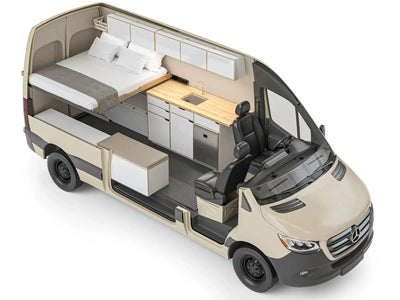
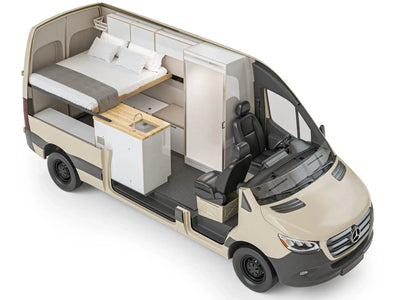
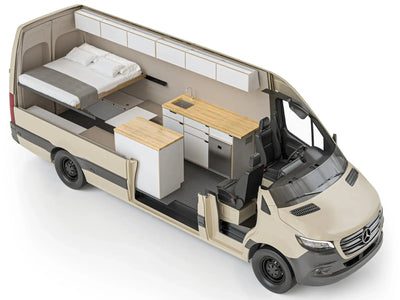
That's also why layout matters. If you're moving often, simple routines help. A smart interior like the DUO XL layout can make quick stops, gear access, and sleep setup feel much easier on the road.
The non-financial costs that still affect 'worth it'
Money is only part of the answer. BLM's van-life article keeps coming back to planning ahead, backup plans, and adaptability. That tells you mental bandwidth is part of the lifestyle cost too.
Life in a van means handling parking, water, waste, weather, and route shifts yourself. In a hotel, most of that work is invisible. In a van, you carry it with you every day.
Some public lands also have time limits and place-specific restrictions, including sensitive areas near waterways. So even a beautiful stop can come with extra planning. The daily feel of van life is shaped by those little decisions more than most people expect.
For some travelers, that's part of the fun. They like the puzzle. For others, it becomes friction that slowly chips away at the appeal.
A well-designed van can reduce some of that drag. Better sleeping, cooking, storage, and climate control can make the day feel smoother. It can't remove the planning burden, but it can keep the van from fighting you while you handle it.
That's part of why about 90% of Vansmith customers choose a high roof. More standing room makes daily routines easier, and most mid-roof buyers later add a pop-top to gain back that comfort. Big difference.
Who van life fits best and who should think twice
Van life tends to fit people who like mobility, planning, and a small footprint. BLM's guidance frames the lifestyle around low-impact travel and adaptability, not around endless convenience. That's a healthy way to look at it.
We tend to see two groups. Some are van lifers trying to live in the van full time. Most of our customers are van adventurers who have a home and want the van for weekends away, road trips, and longer travel seasons.
It's often a strong fit for solo travelers, adventure couples, and frequent road trippers. If you value access over square footage, the trade can feel easy. If you need a lot of room and routine, it may wear on you faster.
Go RVing's first-time buyer guide also points to budget realism. Van life fits people who can plan for more than a monthly payment. The people who do best usually have a clear idea of how they'll use the van before they buy it.
This is where build match matters. A weekend escape van is not the same as a remote-work van, and neither is the same as a family road-trip setup. That is why people looking at vans for couples or family vans should think about real routines first, not just style.
Good fit: travelers who value mobility and simplicity
If you like route freedom and self-contained travel, you'll probably feel the upside more clearly. People who enjoy moving with the weather, chasing trailheads, or stacking a few stops into one trip often do well in vans. Less packing and unpacking helps a lot.
BLM's advice to plan ahead and keep backup options ready points to a certain kind of traveler. Van life tends to fit proactive people. If making a Plan B feels normal to you, you're already closer to the right mindset.
Minimalist travelers also tend to handle the small-space tradeoff better. A compact van can still support a rich trip if the layout works and the gear has a place. Frequent users get the most value from features like a bed, heat, ventilation, and organized storage because they use them again and again.
Remote workers and long-trip travelers may also love having one mobile basecamp for clothes, gear, and daily essentials. That's where thoughtful layouts really earn their keep. If you want to explore options, The Vansmith's van build blog is a good place to see how real use shapes design choices.
For our customers, this usually looks more like van adventure than full-time van living. They want an easy weekend away, a better road trip, or a comfortable basecamp for bigger trips. That's the use case we build for most often.
Poor fit: buyers chasing a fantasy or a loophole
Van life is a poor fit if your plan depends on parking anywhere for as long as you want. Public-land rules and local limits don't support that idea. If that assumption sits at the center of your budget, the whole plan is shaky.
It's also a poor fit if you budget only for the purchase. Financing, depreciation, maintenance, and recurring travel costs are not side notes. They are core parts of ownership, and skipping them is one of the fastest ways to feel trapped by the van later.
The same goes for travel habits. If you're not willing to manage waste well, respect quiet hours, or follow land-use rules, the lifestyle gets harder for you and everyone around you. The BLM's Outdoor Ethics guidance centers on planning ahead, proper waste handling, wildlife respect, and being considerate of others.
A cosmetic-first build can also backfire. A van that looks great in photos but works poorly in weather, storage, power, or durability will lose its charm fast. That's why a lot of owners start by asking practical questions through The Vansmith contact page before they commit.
Mistakes that make van life not worth it
The biggest mistake is thinking the van payment tells the whole story. Both RVIA and Go RVing support a broader total-cost view. If your budget leaves out the rest, the van can feel expensive in a hurry.
Another common mistake is assuming legal overnight parking is easy everywhere. BLM guidance shows that stay limits, fees, and local rules shape what you can really do. Spontaneity works best when it's backed by research.
There is also the ethics side. Waste disposal, surface impact, wildlife respect, and consideration for others are part of responsible van travel. Those aren't extra credit items. They're part of what makes the lifestyle sustainable at all.
On the build side, poor planning can get expensive. Mercedes' upfitter guidance makes clear that conversions need to respect technical limits and vehicle constraints. A camper van is a systems project riding on a commercial platform, not just furniture in a box.
Budget mistakes and planning mistakes
A lot of buyers anchor on sticker price. Then they forget financing interest, depreciation, and annualized ownership cost. The RVIA and CBRE study is helpful because it bakes those pieces into the method from the start.
Go RVing reinforces the same lesson. Extra costs beyond the purchase should be expected, not treated like bad luck. If you build those into the plan early, the ownership experience feels much calmer.
Assuming every night can be free is another planning miss. BLM notes that fees vary and some campgrounds use reservations and occupancy rules. A realistic trip plan leaves room for paid nights, weather shifts, and route changes.
Backup plans matter too. BLM's van-life guidance says to plan ahead and have alternatives ready. Good planning doesn't kill spontaneity, it protects it.
Build mistakes that create long-term headaches
Mercedes' Upfitter Portal exists for a reason. Adding gear changes weight, electrical loads, compatibility, and service access. If those pieces aren't thought through, the van can become a maintenance problem instead of a travel tool.
A badly planned build also creates daily annoyances that get worse with use. Poor storage, weak ventilation, awkward heating, or hard-to-reach service points may seem small at first. After a few long trips, they don't feel small anymore.
Ford's Transit platform matters here too because maintenance support and monitoring features are part of long-run usability. If you cover a lot of miles, those details matter. The base vehicle shapes the whole ownership experience more than many buyers expect.
For The Vansmith audience, this is where pro design matters most. Layout, systems integration, and serviceability all affect whether the van still feels good after the honeymoon phase. If you're still early in the process, the DIY blog can help you spot what deserves more thought before you build.
A practical framework for deciding if van life is worth it
The short version is simple. Van life is usually worth it for people who want mobility, will use the van often, and choose a build that matches their habits. It is much less worth it for people looking for a simple housing shortcut.
Start with usage. If the van will support regular trips, long travel seasons, or remote-work mobility, you're more likely to get real value from the upfront spend. If you already know it will sit often, that's a warning sign.
Next, test your comfort with legal mobility. BLM guidance shows that successful van travel depends on moving with stay limits and local rules, not fighting them. If that feels annoying before you start, pay attention to that feeling.
Then look at responsibility. Leave No Trace habits are part of the deal, not a side note. Some people find that kind of care rewarding, while others just want easier travel with fewer moving parts.
After that, look hard at build quality. A thoughtfully designed Sprinter or Transit can make sleeping, storage, power, and climate control much easier in daily use. That's where the right platform and a smart build can shift the answer from maybe to yes.
And that's the honest bottom line, even without a formal conclusion. Van life can be deeply worth it. But the numbers, the rules, and your real habits all need to line up.
A simple yes-no checklist readers can use
Yes, if you can budget beyond the purchase price and accept that ownership cost includes financing, depreciation, maintenance, and recurring travel spending. Yes, if you're comfortable planning routes around legal camping options, stay limits, and backup spots. Those two tests alone rule in or rule out a lot of buyers.
Yes, if you value mobility, compact living, and self-contained travel enough that those benefits outweigh the loss of space and convenience. No, if your plan depends on parking anywhere indefinitely or using public land like unrestricted long-term housing. That's where the fantasy usually breaks.
No, if you're tempted to cut corners on the build in ways that ignore system integration or long-term serviceability. No, if you want the image of van life more than the routines of van life. The daily reality runs on planning, restraint, and adaptability.
How the right van changes the answer
The base platform is part of the worth-it equation from day one. Capability, maintenance support, and upfit compatibility all start with the chassis. That's why Sprinter and Transit builds stay at the center of the conversation for serious buyers.
Ford's Transit matters because it is a major conversion platform with strong cargo-van capability and manufacturer attention to maintenance awareness. Mercedes' upfitter guidance matters because it shows how a Sprinter build should respect technical limits and proper integration. Both point to the same truth, the van underneath the build shapes the life above it.
For buyers who want van life to feel sustainable instead of improvised, a professionally planned Sprinter or Transit build can reduce friction in storage, power, and comfort. That's the subtle but important question behind this whole topic. Not just is van life worth it, but is this exact van setup worth it for how you travel.
If you're serious about making it work long term, that's where The Vansmith can help. Between custom layouts, Foundation builds, and upgrade work, the goal is a van that supports real use, not just a trend.
FAQ
Is van life worth it if I mainly want to save money?
Usually not as a pure money-saving move unless you use the van often and budget with clear eyes. The RVIA and CBRE Type B ownership study includes purchase price, financing interest, residual value, and annualized ownership cost assumptions, which shows how big the upfront capital and depreciation pieces really are. If your main goal is low cost alone, the math often disappoints.
What is the most overlooked part of van life cost?
The most overlooked costs are the ones beyond the van itself. Go RVing tells first-time buyers to budget for more than purchase price, and the RVIA and CBRE framework shows that financing and depreciation can matter as much as day-to-day trip spending. Insurance, maintenance, storage, and campsite costs add up too.
Can you legally camp for free all the time in van life?
No. BLM says fees vary by campground, and many public-land areas use stay limits of about 14 days within a 28-day period. That means long-term van travel usually involves moving often and sometimes paying for developed sites.
Who is van life a good fit for?
Van life tends to fit people who value mobility, small-space living, and flexibility more than convenience and square footage. We see both full-time van lifers and van adventurers, but most of our customers are in the second group. If you like simple routines, weekends away, and road trips, you'll likely enjoy it more.
What mistakes make van life not worth it?
The biggest mistakes are underestimating ownership cost, assuming you can park anywhere indefinitely, and treating the conversion as mostly cosmetic. BLM stresses rules, stay limits, and outdoor ethics, while Mercedes' upfitter guidance shows that proper upfitting has to account for technical vehicle limits and system integration. Most bad outcomes start with unrealistic assumptions, not bad luck.
Does the van platform affect whether van life is worth it?
Yes. The chassis affects maintenance, capability, and how well a conversion can be integrated over time. Ford highlights maintenance-oriented tools like the Vehicle Maintenance Monitor on the Transit cargo van page, and Mercedes provides upfitter guidance for the Sprinter so modifications work within vehicle limits.