A small camper can be a teardrop, pop-up, truck camper, or compact camper van, and each one solves the same need in a very different way. Which one fits you comes down to the vehicle you already own, plus how much setup, towing, or payload math you want to deal with. In real use, the best pick is usually the one that matches your trip pattern, storage space, and budget, not the one with the most impressive spec sheet. If you want the fastest path from driveway to bed, a compact van tends to feel easiest. Big difference.
What counts as a small camper, and which type are you really choosing?
 Industry groups split the small-camper world into towables and motorized RVs. Go RVing puts folding camping trailers, teardrops, truck campers, and Class B motorhomes in separate buckets for a reason. They may look close in size, but they ask very different things from you.
RVIA uses that same category language, and it helps clear up a common mistake. A truck camper is not just a small trailer caravan without wheels. It rides in the bed of the truck, so the key limit is payload, not tow rating.
That first choice matters more than brand. You are really choosing between towing something behind you, carrying it in a pickup bed, or driving one integrated vehicle. That one call shapes storage, insurance, setup time, and what sort of vehicle you need before floorplans even enter the chat.
Most people shopping small campers are giving up interior room to gain easier storage, lower running costs, and less stress on the road. That's usually the whole point. Readers who lean toward the driveable side of this decision often end up looking at Sprinter conversions or Transit conversions because they want one compact vehicle instead of a tow setup.
The four main small camper formats
Teardrop trailers are some of the lightest hard-sided options on the market. nuCamp's TAG is built around that exact pitch: easy towing, simple camping, and a bed-first layout. For a couple that already owns a tow vehicle, that's a clean and simple path.
Pop-ups take a different route. The SylvanSport GO shows the modern version well, with a collapsible body that cuts towing height and helps with storage at home. You get a lot of sleeping room for very little weight, but you do have to set it up each time.
Truck campers mount in the pickup bed instead of trailing behind the truck. Four Wheel Campers is a good example of that format. You skip trailer sway and backing practice, but all that weight goes right onto the truck.
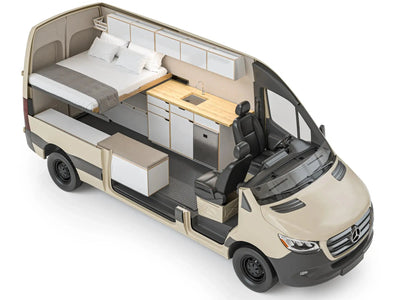
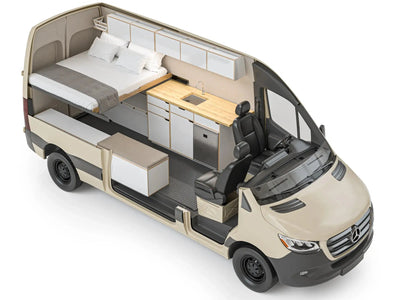
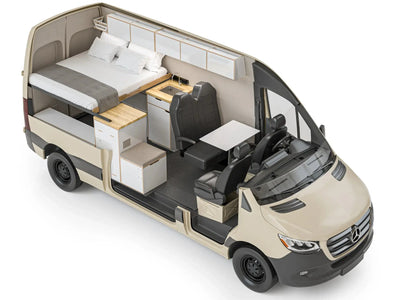
Compact camper vans keep the whole package in one vehicle. The 2026 Winnebago Solis Pocket shows how a short Class B can bundle seats, beds, and basic camp systems into one footprint. People often start with trailers and then switch to vans once they picture quick Friday night departures with no hitching at all.
One thing a lot of first-time buyers miss is this: a truck camper may look smaller because there's no trailer behind it, but it often needs a more specialized truck than a light towable does. That catches people off guard. Not always.
The decision lens that matters most
If you already own the right tow vehicle, a teardrop or pop-up can be the cheapest way in. If you do not, the math changes fast because the real price now includes a hitch setup and maybe a different vehicle. That changes everything.
If you already own a midsize or half-ton pickup with enough payload, a truck camper can make sense. If you don't, payload limits can push the budget up in a hurry. This is where many expensive mistakes happen.
A compact camper van usually wins on convenience. You can run errands, take a road trip, and camp in the same vehicle, with no separate storage lot and no towing practice. If that sounds like your life, Customize your van is the more useful next step than comparing trailer trim packages.
Setup time is a real divider between formats. Pop-ups need to unfold and deploy beds. Trailers need hitching and leveling. Vans are usually the fastest to stop and sleep in, and that matters more than people expect once the novelty wears off.
Garage fit can break a tie. Folded pop-ups and some low-profile truck campers have the best shot, while camper vans and most hard-sided campers are usually too tall for a standard garage. Buy the smallest camper that still fits your real trip pattern, not the one that only looks efficient on paper. That's the phrase to keep in mind.
Small camper price comparison: the real cost by category
 Sticker price is where most small camper shopping starts, but it should not be where it ends. The 2026 Solis Pocket 36B starts at $122,667, which puts compact camper vans near the top of the small-camper market on upfront cost. The SylvanSport GO sits near the low end at $15,995 for buyers who already have something that can tow it.
Teardrops land in a broad middle range. nuCamp positions the TAG as an entry teardrop, but exact cost can move around with galley choices, tent packages, and off-road gear. Truck campers spread out even more, because minimalist pop-up slide-ins and larger hard-side units live in the same category even though they are very different products.
The hidden part of the bill is what trips people up. A low trailer price can still come with hitch gear, brake controllers, storage fees, or a tow vehicle change. That's why total cost of use matters more than MSRP alone.
| Category | Example | Starting price |
|---|---|---|
| Pop-up camper | SylvanSport GO | $15,995 |
| Compact camper van | Winnebago Solis Pocket 36B | $122,667 |
| Compact van conversion | Vansmith Duo and Duo S layouts | See current pricing |
| Family-focused van conversion | Vansmith Family layouts | See current pricing |
That sounds like a lot of money for a bed. It is. But the price gap often buys you one vehicle instead of two, plus much less setup friction on the kinds of short trips people actually take.
Entry price vs total ownership cost
A trailer often wins on purchase price because the camper itself is cheaper. A van wraps the vehicle and living space into one buy, so the number is higher from day one. Still, a towable depends on a second vehicle every time you camp.
Extra trailer costs add up in boring ways. Hitch setup, tow mirrors, brake controllers, registration, and off-site storage can all join the bill. If the camper does not fit at home, the cheap option may stop feeling cheap.
Truck campers have their own version of hidden cost. Payload, rear axle ratings, bed fit, tires, and suspension can all become part of the conversation. Buyers often think they are avoiding complexity by skipping a trailer, but they are really trading one kind of math for another.
People who camp 20 to 40 nights a year often value convenience enough that a van feels worth it. People who camp a few weekends each season may get better value from a light towable. Buy the smallest camper that still fits your real trip pattern, not the one that only looks efficient on paper.
Where The Vansmith fits in the small-camper decision
The Vansmith's Duo and Family conversions can be bought as conversion-only or with the van included. That helps if you already own a good Sprinter or Transit, or if you want one ready package. You can also look at a specific layout like the Duo XL or Family XL to see how compact living space gets used in practice.
Sprinter and Transit builds are priced at parity here, so the choice should come from layout and use. It should not come from assuming Transit is the budget route.
Ready-built Bivy models usually take about 8 to 10 weeks and tailored builds about 12 to 16 weeks, which is useful if you are weighing a van conversion against an off-the-lot trailer. You can also read more about our process if timing and build flow matter to your decision. The lifetime cabinet warranty also stands out for buyers who plan to keep the camper a long time.
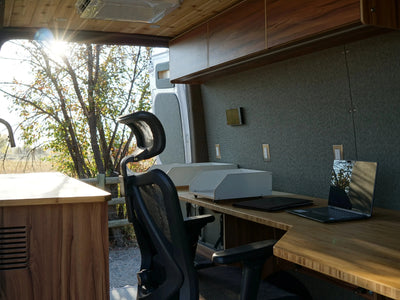
A compact van gets especially appealing once you want one vehicle for road trips, ski lots, work travel, and camping. That's the use case where vans pull ahead. If you want a simpler starting point, Foundation builds are worth a look too.
Towing and payload: the spec that eliminates the wrong small camper fast
This is the section that can save you the most money. Go RVing's tow-matching guide says the right setup depends on more than the headline tow rating. You also need to look at GCWR, hitch ratings, payload, and tongue weight.
The big mistake is assuming all small campers are easy to haul because they are small. Truck campers are not towed at all, so they eat directly into truck payload. That is why RVIA category language matters so much in the first place.
The SylvanSport GO helps show the light end of the range with an 840-pound dry weight. nuCamp's 2026 teardrop brochure gives exact dry and tongue weights too, and those details matter because a trailer can sit within tow rating while still pushing payload or hitch load too far once water and gear get added.
Truck camper makers publish truck fitment by bed length for the same reason. Shopping starts with truck compatibility, not floorplan preference. If you want to skip all of that trailer matching for normal travel, a compact van is the cleanest answer, and the Vansmith van build blog is a good place to keep reading.
Best small campers for lighter tow vehicles
For lighter tow vehicles, the SylvanSport GO is one of the easiest true campers to match. Its 840-pound dry weight is the headline reason. That low number opens the door for more crossovers and smaller SUVs.
Teardrops like the TAG are also built around easy towing, but you still need to compare dry weight, GVWR, and tongue weight against your exact vehicle. The numbers on the brochure are only the start. Once you add gear, water, and people, the margin gets smaller fast.
A lightweight pop-up usually gives you more sleeping room per pound than a hard-sided teardrop. The fold-out design creates that extra bed space after setup. The tradeoff is simple: more room later, more work at camp now.
For many first-time campers with smaller SUVs, the real shortlist is a very light pop-up or teardrop. Not a truck camper. Not a van. In buyer conversations, this is where the hard numbers save money because a trailer that looks harmless online can still ask more from the vehicle than the owner has.
Why truck campers are about payload, not tow rating
Truck-camper shopping starts with the truck. Four Wheel Campers organizes its slide-in pop-up line by truck class and bed length, which tells you exactly how format-specific this category is. Floorplan comes second.
Lance's 2026 truck camper guide shows a wide spread in dry weights and overall lengths. That is a useful reminder that not all truck campers are small in the practical sense. Some ask a lot from the truck even if they look tidy in photos.
Dry weight is only the baseline. Water, batteries, propane, gear, passengers, and add-ons all count against payload. Many buyers underestimate how fast that pushes them from a midsize or half-ton truck into something heavier-duty.
Pop-up truck campers do keep travel height lower than hard-side slide-ins, which can help with storage and road feel. But they still demand careful payload math. If you like the no-trailer simplicity of this format but not the weight planning, a compact camper van is often the cleaner answer, and you can browse related ideas in The Vansmith DIY blog.
Sleeping capacity and livability: which small camper actually works for your trips?
Published sleep counts tell only part of the story. The 2026 Solis Pocket is listed to sleep 3 or 4 depending on floorplan, and the SylvanSport GO says it can sleep up to four adults. Those numbers are useful, but they do not tell you how easy the camper feels on a rainy morning with wet jackets and bags everywhere.
Teardrops usually focus on a bed-first layout for one or two adults. Some add rooftop or attachable tent options, but the core idea is still simple sleeping, not a big indoor hangout space. Truck campers can pack in strong features for their footprint, yet moving around inside is usually tighter than in a longer van because everything is stacked inside the pickup-bed shape.
For couples, the best small camper is often the one with the least setup friction. For families, sleeping count alone is not enough if daytime seating and gear storage are weak. That gap between published capacity and real comfort comes up all the time.
Best small campers for solo travelers and couples
Teardrops make a lot of sense for one or two people because they keep things simple. You get a compact footprint, low towing burden, and a dedicated bed without turning a dinette into a mattress every night. If your trips are mostly campground stays of several nights, that can be a smart buy.
The Solis Pocket is 17 feet 10 inches long, which is short for a camper van and easier to use as a road-trip vehicle than a larger Class B. That shorter body helps in parking lots, fuel stops, and city streets. It still gives you the core camping functions in one driveable unit.
For couples who move camp often, a compact van usually beats a pop-up on convenience because there is less setup and no trailer to reverse. For couples who stay put and already own a tow vehicle, a teardrop or pop-up may be the better value. The real question is lower cost per trip or lower friction per trip.
Truck campers also work well for couples who already have the right pickup and want rougher-road access without towing. If your trips look more like fast weekend departures and mixed daily use, the Vansmith layouts for couples are the more natural comparison point.
Best small campers for families or occasional extra sleepers
On paper, the SylvanSport GO is one of the strongest lightweight family options because it can sleep up to four adults. That is a lot of sleeping room for a very light trailer. Families notice that right away.
The Solis Pocket also shows that some compact vans can handle a child or guest with a 3-to-4-person sleep count. Still, in a short van, you need to think about where daytime gear, wet clothes, and kid stuff will go. Small campers get crowded faster than the brochure suggests.
Truck campers can sleep more people than their footprint hints at, but family comfort depends a lot on bed layout and how much gear ends up in the truck cab during travel. A family using a small camper in shoulder seasons should also think hard about setup in wind, rain, or cold. A pop-up can look great on paper until everyone is outside dealing with canvas in bad weather.
If that pushes you toward an all-in-one vehicle, The Vansmith's Family van collection is the right internal benchmark. Published sleep counts are best treated as maximum occupancy, not automatic comfort. Four people can fit in many compact campers, but they do not all feel equally livable.
Will a small camper fit in your garage or parking spot?
 Storage and parking shape this decision more than people expect. The Solis Pocket is 17 feet 10 inches long, 6 feet 9 inches wide, and 9 feet 5 inches high. That makes it pretty friendly by RV standards for a parking space, but too tall for most standard home garages.
The SylvanSport GO stands out because folded storage is part of the whole concept. That gives it a much better shot at fitting in a garage than most hard-sided campers. Four Wheel Campers also publishes height-down specs for its pop-up truck campers, which matters if enclosed storage is a must.
Teardrops may fit more easily in driveways and side yards than larger trailers, but garage fit still depends on exact height, width, and tongue length. In practice, parking-space fit and garage fit are two different questions. One is about length and maneuvering. The other is usually about height.
This is also where buyers can get tripped up by details. Door openings, driveway slope, mirrors, roof accessories, spare tires, vent fans, racks, and awnings all matter. Measure twice.
Best bets for garage storage
Fold-down pop-ups are usually the best category for garage storage because low travel height is part of the design. SylvanSport makes that a central selling point of the GO. If enclosed storage is non-negotiable, this is the first format to check.
Pop-up truck campers can also be more garage-friendly than hard-side slide-ins because the roof lowers for travel and storage. A low teardrop may fit too, but you need the total height with every roof add-on included. Vent fans and racks can ruin an otherwise good fit.
Compact camper vans are usually the hardest sell for garage storage. Length may be manageable, but height is the usual deal breaker, especially once you add roof vents, awnings, solar, or racks. In practice, many buyers focus on body length and forget that the garage door is the real limit.
If your plan depends on indoor storage, look at a pop-up before a van. For van owners who still want more headroom later, many mid-roof shoppers end up adding one of The Vansmith's pop-tops, though high roof remains the clear favorite for most builds.
Best bets for normal parking spaces and daily usability
The Solis Pocket's 17-foot-10-inch length puts it much closer to a normal vehicle footprint than most RVs. That helps in urban parking, ski lots, and mixed-use travel where you are not always in a campground. For daily usability, that is a big win.
A teardrop or pop-up may be short enough overall, but the trailer still creates separate parking and maneuvering issues once unhitched. Truck campers avoid that extra trailer footprint, yet their height and rear overhang can still make daily use less easy than a compact van. Every format has a trade.
For buyers who want one vehicle to go from grocery run to trailhead to overnight stop, a compact van is usually the simplest small-camper format. That is why short-wheelbase style layouts like the Duo matter so much in this conversation. If that sounds like your life, contact us and talk through what you really need.
If your travel includes city streets, paid parking, or frequent one-night stops, parking ease often matters more than raw sleeping count. Buy the smallest camper that still fits your real trip pattern, not the one that only looks efficient on paper. That rule holds up well.
FAQ
What is the best type of small camper for beginners?
For many beginners, the easiest entry points are a lightweight teardrop or pop-up if they already own a suitable tow vehicle, or a compact camper van if they want the simplest day-to-day use. The SylvanSport GO is a good example of the light end with an 840-pound dry weight. The 2026 Winnebago Solis Pocket shows the van side with a 17-foot-10-inch length and no trailer to tow.
Does a small camper fit in a standard garage?
Some do, but many do not. Fold-down pop-ups have the best odds because low stored height is part of the design, while the Solis Pocket is 9 feet 5 inches tall, which is too high for most standard home garages. Exact fit still depends on the door opening, slope, and any roof gear you add.
What small camper can I tow with an SUV?
It depends on the SUV's exact tow rating, payload, hitch rating, and GCWR, not just the trailer's dry weight. Very light campers like the GO at 840 pounds are easier to match than heavier towables. Go RVing also recommends checking tongue weight and loaded trailer weight before you buy, because those numbers can rule out a setup fast.
Is a truck camper better than a small trailer caravan?
A truck camper removes the need to tow, but it replaces towing concerns with payload concerns. Four Wheel Campers and Lance both show that fitment depends on truck class, bed length, and weight. So a truck camper is only the better pick if you already own the right pickup or are ready to buy one.
Are small campers cheaper than camper vans?
Usually yes on sticker price, but not always on total ownership cost. The GO is listed at $15,995, while the Solis Pocket 36B starts at $122,667. A towable may still need hitch gear, storage, or even a more capable tow vehicle, so the cheaper MSRP does not always mean the cheaper path over time.
About the author

Carin Smit
President
Carin is President of The Vansmith. She writes on a range of topics tied to the business, from vans and builds to the broader vanlife world.
Read more about Carin