A kayak camping gear list for overnight trips should cover six core categories: safety and navigation, shelter and sleep, water, food and cooking, clothing, and dry storage. Which version of that list fits you depends on your route, water access, weather, and how much your kayak can carry before it starts feeling sloppy on the water. For most first trips, the real job is not finding more gear. It is building a compact system that keeps rescue items close, keeps camp gear dry, and keeps the boat balanced enough to paddle well all day.
Kayak camping gear list: the overnight essentials
 A solid overnight list starts with six buckets of gear. Paddling Magazine and REI both break things down in a way that makes sense on the water: safety and navigation, shelter and sleep, water, food and cooking, clothing, and dry storage.
That split matters because an overnight paddle is not just a day trip with a tent shoved into the hatch. REI's extended-trip checklist separates basic paddling gear from multiday add-ons, which is a helpful way to think about your own kit. You still need the normal boat gear, but now you also need a camp system, more safety planning, and better organization.
The core boat items stay simple: paddle, PFD, whistle, dry bags, and a headlamp or other light. Your camp kit usually adds a tent, sleeping bag, sleeping pad, stove, cookware, water treatment, toiletries, and a small repair or utility kit. That's the backbone.
NRS makes a point we like: pack more like a backpacker than a car camper. Space is tight, and every item changes how the kayak handles. The best overnight list is not really about specialty gear. It is about a compact system that works.
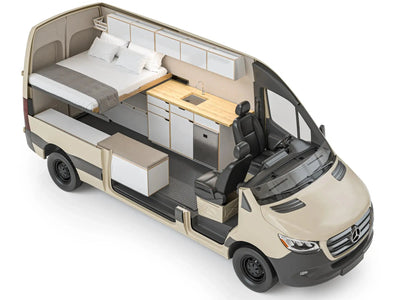
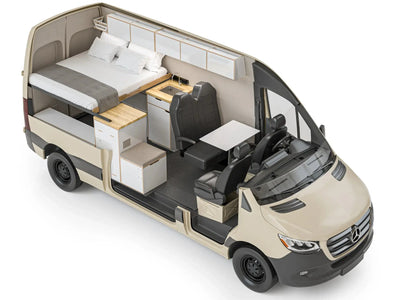
If you spend a lot of time outdoors, that same modular mindset shows up in van travel too. It's part of why people browsing Foundation builds or planning a rig through Customize your van often care so much about storage logic. Small spaces reward clear systems.
Boat, rescue, and navigation items to pack first
Start with the gear that keeps the trip safe. REI's checklist includes a paddle and a spare paddle, and that spare is one of the biggest jumps from a casual day outing to a true overnight setup. If you damage or lose your main paddle far from the launch, the rest of your camp kit will not help much.
Water management gear belongs in this first wave too. REI calls out a bilge pump, sponge, spray skirt, and float bags, especially for boats and conditions where water in the cockpit is a real issue. These are not glamorous items, but they solve real problems fast.
For extended trips, REI also adds a paddle float and towline. Those support self-rescue and assisted rescue if a loaded kayak flips or if one paddler runs out of steam. Loaded boats are heavier. Recovery gets harder.
Navigation should be packed with the same seriousness. REI lists waterproof maps or charts, a compass, GPS, and in some cases a weather radio. The American Canoe Association also frames overnight paddling as a trip type that needs deliberate planning, not just extra food and a tent.
One thing a lot of beginners miss is how quickly space disappears. If the hatches get tight, keep the PFD, whistle, knife, map, compass, first-aid kit, sun protection, and rescue gear. Cut camp luxuries first, not safety items.
If you already travel with compact rescue and utility gear in your van, the same thinking carries over. A clean storage plan in our process or on the DIY blog works for the same reason it works in a kayak: you can reach what matters when you need it.
Camp gear that earns its space
Your camp setup has to fit the boat, not just the campsite. REI's paddling camp list includes a tent, sleeping system, stove, fire starter, cookware, toiletries, rope or clothesline, and dry bags. That's a complete overnight setup without drifting into campground excess.
Paddling Magazine's kayak camping guide is useful here because it treats camp gear as part of the paddling system. Hatch openings are small, and the inside of the boat is broken into odd spaces. A big, comfy car-camping tent may fit on paper, then fail at the hatch.
NRS pushes the same backpacker mindset for multiday paddles. That usually means a smaller stove, compact cookware, and fewer duplicate items. Most paddlers want to bring the more comfortable camp setup. Or they think they do, until they start trying to fit it through the hatch. The same tradeoff shows up here with camp gear.
A rope or clothesline is a great example of a small item that earns its keep. It helps dry gear, tidy camp, and manage wet stuff without taking much room. A separate set of dry camp clothes earns space too, because having one guaranteed-dry layer system can make camp feel warm and normal after a wet paddle.
In practice, the best overnight kit is usually the smallest complete version of your shelter, sleep, and cooking setup. Not the most comfortable one you own. Pack light, paddle better. That same restraint is why many readers also dig into van build articles before choosing storage or layout features.
Water, food, and cooking: where overnight paddlers overpack
 Water is often the heaviest thing you bring. The big choice is simple: carry all of it, or carry less and bring a filter or purifier. REI notes that if you can refill from natural sources, you can cut a lot of weight and gain more flexibility.
Food creates the next big overpacking trap. A small stove, fuel, lighter or fire starter, cookware, utensils, and simple meals are usually enough for one night. Once people start packing like they are driving to a campground, hatch space disappears fast.
NRS also points out that multiday planning includes camp cleanup and waste. In some places or remote sites, that can include portable waste bag systems. Even when the rest of the kitchen is simple, you still need to think through what happens after dinner.
This is where a checklist helps. Small kitchen items like cleanup supplies or food-storage pieces are easy to forget until you are standing on shore with hot food and no way to handle the mess. Pack light, but don't skip the boring stuff.
That compact-system mindset is familiar to a lot of van owners too. People comparing vans for couples or looking at family van conversions usually end up asking the same question: does this item earn the room it takes?
When to carry water and when to filter
If your route has dependable water sources, a filter or purifier can let you carry less at one time. That saves weight, and weight matters a lot in a kayak. Less water on board can also make it easier to fine-tune trim.
If refill points are uncertain, the safer move is to carry more. Exposed shoreline, long open-water crossings, or awkward landings can make a planned refill unrealistic. The decision is really about route planning, not gear shopping.
The American Canoe Association supports that kind of planning-first approach. Known refill points reduce weight. Unknown refill points raise risk. For beginners, enough water for the day plus a treatment method as backup is often the safer call.
Pack water low and near the cockpit area when you can, because it is dense and affects trim more than soft gear. Several smaller containers usually work better than one large one. They spread weight more evenly and fit strange spaces more easily.
A treatment method is also part of your backup plan. If wind, weather, or a slow crossing keeps you out longer than planned, that filter or purifier stops being a nice extra. It becomes part of your margin.
Simple overnight meals beat elaborate camp kitchens
REI's camp basics for paddlers point toward a compact kitchen: stove, cookware, and fire starter. That's enough to make a meal and a hot drink without turning your hatch into a pantry. For one night, simple usually wins.
NRS backs that up with its backpacker-style advice. Meals that need little prep, few utensils, and not much cleanup water are easier to manage on shore. They also leave more room for safety gear and dry layers.
Extra pots, coolers, and duplicate utensils eat space fast. So does bulky food packaging. Breaking food into smaller meal kits or bags helps it fit the odd curves inside a kayak much better than one rigid container.
Cleanup matters too. Smaller meals and less packaging mean less trash to carry back out, and every wrapper still needs a home after dinner. For a one-night trip, one dinner, one breakfast, snacks, and hot drinks are usually enough. Pack light, paddle better.
How to pack a kayak so it stays balanced
Making everything fit is only half the job. REI's packing advice focuses on trim, access, and safety, because a boat that is packed poorly can feel slow, twitchy, or hard to control. A loaded kayak is a different boat.
NRS says to test-pack before the trip, and that advice is gold. A kayak that feels great empty may sit lower and respond slower once loaded. You want to learn that at home, not at a windy launch.
One of the clearest patterns across REI and NRS is the push toward multiple small dry bags. Small bags fit odd spaces better than a few giant ones, and they make it easier to spread weight where you want it. REI also recommends labeling bags, which saves a lot of shore-side digging.
Paddling Magazine stresses front-hatch and rear-hatch planning instead of random stuffing. That's smart, because segmented storage changes what you can reach during the day. Before any of that, check the kayak's weight capacity. If the boat is overloaded, no packing trick will fix it.
The basic loading rule is easy to remember: dense gear low and near the center, lighter bulky gear toward the ends, and must-have items where you can reach them. It is the same kind of balance people want in Sprinter conversions and Transit conversions. Access matters as much as storage volume.
Dry-bag strategy for hatches and odd spaces
REI recommends multiple small dry bags because they fit through hatch openings and into tapered compartments better than one large sack. NRS says the same thing for multiday trips. In real use, this is one of the easiest upgrades you can make.
Keep dry clothes and shoes in their own small bag. That way one leak does not soak your backup insulation plan. Separating gear by function also makes camp faster: sleep system, kitchen, clothing, safety, and quick-access day items each get their own place.
Paddling Magazine suggests tying rope to items pushed deep into the bow hatch. That sounds simple because it is simple, but it can save a lot of frustration when you need to pull out one buried bag without unloading the whole boat. Small dry bags in several sizes are not an accessory. They are part of the system.
A well-organized kayak kit often uses more bags than a backpacking setup. Each bag is just smaller and more specific. That same modular logic is a big reason compact layouts like the DUO XL layout work well for repeat travelers who hate digging through one giant pile of gear.
Test-packing and shakedown paddles
NRS recommends a short shakedown paddle after packing, and that is time well spent. Trim issues are much easier to fix before the trip than at the launch. Even a loaded day paddle can teach you a lot.
A packed kayak may sit lower, feel less lively, and react differently in wind and waves. If the bow or stern feels heavy, move dense items like water, food, or cookware before you commit to the route. Small changes can make a big difference.
REI's focus on access matters here too. During the test pack, make sure rain gear, lunch, water, and emergency items are reachable during the day. If you have to unload half the boat to grab one thing, the system needs work.
A shakedown is also the fastest way to spot gear that looked compact at home but will not pass through the hatch. For newer paddlers, a local overnight or loaded day trip is a much better test than jumping straight into a remote route. The best list is the one you have already tested in your own boat.
Clothing, weather, and safety gear you should not cut
 Clothing for kayak camping is about conditions, not just comfort. REI's checklist splits warm-water and cold-water gear, including drysuit or wetsuit needs in colder settings. That matters because water temperature can matter more than air temperature after a capsize.
Sun protection also belongs in the safety category. REI lists hats, sunscreen, and protective layers as essentials, not extras. A first-aid kit, whistle, and signaling tools should stay easy to reach too, not buried under your sleeping bag.
REI's extended-trip list may also include a strobe or emergency flares, GPS, weather radio, and two-way radios depending on the route. As remoteness goes up, communication and visibility matter more. The American Canoe Association reinforces the same idea: trip prep should match the conditions, not just the mileage.
If you need to save room, trim duplicate comforts before weather gear or rescue items. Dry layers packed in waterproof storage are part of your safety margin. A soaked warm layer is basically no warm layer at all.
That same habit of protecting the gear you count on is why many travelers care about clean storage zones and weather-ready systems when they talk with our team about a broader adventure setup. Good systems reduce stress.
Cold-water versus warm-weather packing decisions
REI makes a clear distinction between warm-water and cold-water clothing systems, and beginners should pay attention to that. After a capsize, the water around you may matter more than the sunny forecast from the parking lot. That can surprise people on shoulder-season trips.
In colder conditions, a drysuit or wetsuit may be part of the paddling outfit, not an optional extra. In warm weather, you still want a fully dry change of clothes for camp. Evening temps, wind, and wet skin can make shore time feel cold in a hurry.
The ACA's safety framework supports matching clothing to the real environment and the likely hazards. Keep paddling layers and dry camp layers in separate waterproof bags so one wet bag does not take both systems down. For beginners, bringing one extra warm item is usually the safer mistake.
Weather protection is part of your safety margin, especially if rain, wind, or an unplanned stop stretches the day. It may not feel exciting while packing. It feels great later.
Small safety items that matter on overnight trips
A headlamp is one of the smallest overnight upgrades with the biggest payoff. REI lists it among core kayaking items, and that makes sense. Hands-free light helps at camp, at the shoreline, and during any late setup.
REI also lists a knife and first-aid kit as standard safety gear for canoe and kayak camping. Waterproof maps and a compass still matter even if you carry GPS, because electronics can fail or end up in the wrong hatch when you need them. Redundancy here is smart, not wasteful.
For extended trips, REI adds items like a weather radio, emergency flares or strobe, GPS, and two-way radios when route and conditions call for them. The ACA also supports leaving a float plan and preparing for changing conditions. These small tools are easy to skip because they barely take space, but they can become the highest-value gear you packed.
Keep critical safety items grouped and easy to grab. Don't scatter them across the boat. In an emergency, a tidy system beats a long checklist.
What to leave behind on an overnight kayak camping trip
The clearest takeaway across REI, NRS, and Paddling Magazine is to skip bulky, heavy, redundant comfort items. If something takes a lot of room and does not improve safety or core camp function, it needs to prove itself. Most nice-to-have gear fails that test.
NRS's backpacker filter is useful here: duplicates, oversized camp furniture, and single-purpose luxuries usually do not earn the hatch space. REI's weight-capacity reminder matters too. Overpacking is not just annoying. It can change how the kayak handles and shrink your margin.
Large dry bags can even become a form of overpacking, because they invite stuffing and fit poorly in kayak compartments. Awkward rigid items create the same problem. If a comfort item blocks emergency gear or ruins trim, cut it.
For a one-night trip, ask one blunt question: would you still carry this if you had to move the loaded boat by yourself? That question cleans up a packing list fast. It also sounds a lot like the gear decisions people make when choosing between open floor space and extra built-ins in a camper van.
The easiest items to overpack
Clothing is a big one. Most overnight trips need one paddling set, one dry camp set, and weather layers. You usually do not need several outfit changes in a touring kayak.
Food volume is another common miss. One night rarely calls for cooler-level meal planning, and kitchen gear grows just as fast. A stove-and-pot setup is usually enough, while full campground habits eat space you need for better things.
Large towels, oversized chairs, extra shoes, and redundant containers also pile up quickly. Smaller purpose-packed bags work better than big bins or sacks. If an item does not support safety, shelter, water, warmth, or basic cooking, it should face a high bar before it makes the final cut.
A leaner kit usually makes the whole trip better. Launching is easier. Landing is easier. Repacking is easier too.
A practical packing mindset for van owners too
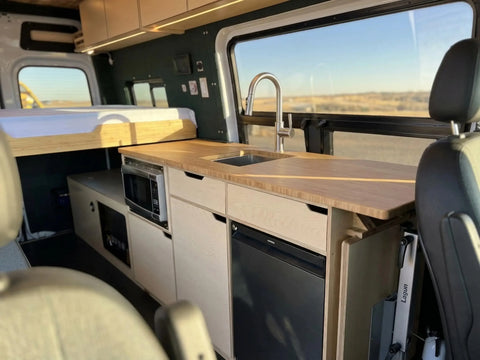
The same logic that works in a kayak works in a camper van: modular storage, compact systems, and carrying only what earns its place. The happiest repeat travelers lean toward gear that packs small, stays sorted, and moves easily from boat to van without a full reset.
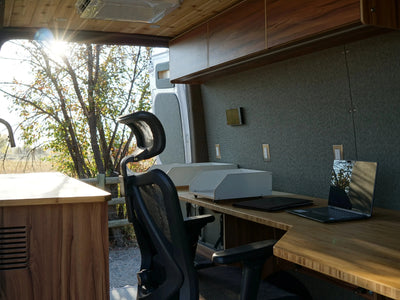
People who camp often tend to like simple, durable storage more than oversized bins and one-off gadgets. That is a big reason layout planning at The Vansmith leans on clear gear zones and clean storage logic. Clutter feels bigger in small spaces, whether that space is a bow hatch or a van galley.
If you are building a broader adventure setup, The Foundation is a natural place to see that modular idea in van form. And if you want a family-focused layout with more built-in organization, the Family XL layout shows how gear zones can stay usable without turning the whole interior into storage. Balance, access, and restraint usually matter more than bringing more stuff.
FAQ
What should be on a kayak camping gear list for overnight trips?
A solid kayak camping gear list for overnight trips includes boat and rescue gear like a paddle, spare paddle, PFD, whistle, bilge pump, and dry bags. It also needs camp basics such as a tent, sleeping system, stove, cookware, water treatment, and dry clothing. REI also points to navigation and safety items like a waterproof map, compass, first-aid kit, and headlamp. Those items cover both the paddle and the night on shore.
How many dry bags do you need for kayak camping?
Most trusted sources lean toward multiple small dry bags instead of a few large ones. Small bags fit hatch openings and tapered compartments much better, and they let you sort gear by function. REI also suggests keeping dry clothes in a separate small bag so one leak does not soak your backup layers. In practice, a modular setup is easier to load, unload, and live with.
How do you pack a kayak so it stays balanced?
Pack dense items like water and food low and near the center of the boat. Put lighter, bulkier gear toward the ends. REI emphasizes trim, safety, and access, while NRS recommends test-packing and doing a short shakedown paddle because a loaded kayak handles differently than an empty one. If the bow or stern feels heavy, move dense items before launch.
Should you carry all your water or bring a filter on an overnight kayak trip?
If your route has dependable natural water sources, a filter or purifier can let you carry less water weight. If refill points are uncertain, carrying more water is the safer move. Many beginners do best with both: enough water for the day plus a treatment method as backup. That gives you more flexibility if wind, weather, or route changes stretch the trip.
What should you leave behind on a kayak camping trip?
Leave behind bulky, redundant comfort items that take space without helping safety or core camp function. NRS's backpacker-style advice usually means skipping oversized kitchen gear, extra clothing, heavy camp luxuries, and anything that hurts trim or blocks access to essential gear. A leaner kit tends to paddle better and makes every shore task easier. For one night, less really is more.
About the author

Carin Smit
President
Carin is President of The Vansmith. She writes on a range of topics tied to the business, from vans and builds to the broader vanlife world.
Read more about Carin