The photo at the top shows Colorado State Highway 82 winding up the valley just east of Independence Pass. (Photo: Vidor, public domain)
Independence Pass tops out at 12,095 feet and allows vehicles up to 35 feet total length, which makes it a great van route for the right setup. Whether this road works for you comes down to one main variable: your full rig length, including any trailer, rack-heavy setup, or extra gear hanging off the back. If your van is compact, self-contained, and easy to place on narrow mountain roads, the pass can be a highlight of a Colorado trip. If you are close to the limit, towing, or counting on sleeping in Aspen, you need a tighter plan.
Independence Pass is best if your van fits the road

The photo above shows Highway 82 crossing the summit of Independence Pass at 12,095 feet. Narrow, winding stretches below the top are why the 35-foot length limit exists. (Photo: U.S. National Archives)
Independence Pass on Highway 82 links Aspen and Twin Lakes and climbs to 12,095 feet. That puts it among Colorado’s highest paved scenic crossings. Pretty views are a given here, but the real planning question is simpler: does your van fit the road well enough to enjoy it?
According to the Colorado Department of Transportation, vehicles longer than 35 feet total are not allowed on the pass. That means total length, not just the van body. The restricted stretch runs from about mile point 47.2 on the Aspen side to about mile point 84.2 on the Twin Lakes side, so this is not just a summit issue.
CDOT also explains why the limit exists: tight curves, steep grades, and narrow lanes. That wording matters because a setup can be legal on paper and still feel stressful in real life. Roads like this are where a compact, self-contained van starts to make a lot more sense than a van towing toys behind it.
For many Front Range travelers, the common open-season approach is Leadville to US 24 to Highway 82 and over the pass into Aspen, as outlined by the Aspen Chamber's driving guide. If you are building a mountain-heavy travel plan, that route favors a van that can carry your bed, water, and power in one vehicle. That is the right setup.
What the 35-foot rule means in real trip planning
The key number is 35 feet total length. A van can look modest and still break that rule once you add a trailer. A moto trailer, raft trailer, or utility trailer can push a legal-looking setup over the line fast.
CDOT repeats the same combined-length rule on its standing pass page and in its 2026 opening announcement. That tells you this is a core operating rule, not a one-off warning. It also hints at how seriously they take the shape of the road itself.
The reason behind the rule matters almost as much as the rule. Tight curves, steep grades, and narrow lanes mean you should be conservative even if you are technically under 35 feet. Bike racks, swing-outs, and trailers all add hassle on a road that already asks for focus.
It is easy to overlook that campground limits can be smaller than the road limit. The Recreation.gov listing for Difficult Campground and the other nearby Forest Service campgrounds show sites with limits far below 35 feet. So the better question is not just, can I drive the pass, but can I fit where I plan to sleep?
In shop talks, length stress usually comes from accessories and trailers, not the van body itself. Most travelers want more cargo room. Or they think they do, until they see what it costs them on roads like this. If you are near the limit, uneasy with drop-offs, or towing anything, a different route is usually the calmer call.
Why compact camper vans are a natural fit here
Independence Pass rewards maneuverability more than raw square footage. A fully self-contained van keeps your bed, water, and power in one shell, which avoids the trailer problem entirely. That alone can make the day feel easier.
Aspen adds another layer to the decision. The City of Aspen guidance says visitors cannot sleep in vehicles in town, including RVs. So a van that can move easily between trail stops and legal camping is more useful than a setup built around in-town overnight parking.
For solo travelers and couples, shorter Sprinter conversions and Transit conversions are usually easier to place at scenic pull-offs and older campgrounds. Families can still do the route well, but site length and reservations matter more. That's one reason our family van layouts tend to work best when the whole trip is planned around where the van will actually fit.
Because the pass is seasonal, most travelers pair it with summer and early fall mountain trips, not shoulder-season loops that need guaranteed through-access. Most mid-roof buyers later add a pop-top, which says a lot about how much standing room matters once you start using a van in cold mountain weather.
When Independence Pass is open and when not to count on it

The photo above shows visitors at the summit overlook on a summer day. The pass road typically opens in late May and closes in early November, depending on snow. (Photo: DimiTalen, CC0)
CDOT says the pass typically closes on or near November 7 each year. It also almost always reopens on the Thursday before Memorial Day. Those are useful guideposts, but they are still only guideposts.
The state makes a seasonal opening announcement each year. In 2026 the pass opened on May 21 at noon. Conditions and maintenance still decide the actual opening. So if you are searching for independence pass open, treat the calendar as a clue, not a promise.
That matters more for van trips than it might seem. A closure can force a long reroute between Aspen and the Leadville or Twin Lakes side. Early summer can still bring snowbanks and a shorter operating season than lower Colorado roads, even after the gate opens.
In practice, this route works best as a planned summer drive. If your whole trip depends on it in late spring or late fall, build a backup. That is the right setup.
Typical opening and closing pattern
The most reliable wording from CDOT is simple: the pass typically closes on or near November 7 and almost always reopens on the Thursday before Memorial Day. That makes June through September the safest planning window for most travelers. You can still go in late May or October, but your risk goes up.
Late May can work well if you are flexible and checking updates close to departure. October can be stunning for leaves, but the seasonal shutdown is close enough that weather can change the plan fast. That's why we avoid promising exact dates for any year.
If someone asks, "Is Independence Pass open?" the best answer is still to check CDOT and COtrip right before you go. Static blog posts age fast on mountain roads. The road's pattern is predictable, but the exact day is not.
How to build a van trip around seasonal uncertainty
If your route depends on the pass, keep a backup way around between Aspen and the Twin Lakes side. That takes pressure off the trip. It also keeps you from rushing a weather call just because a campsite is booked on the other side.
Campground dates follow the same short season. These campgrounds typically open in mid to late May and close between late September and mid-October, so check current dates with the Forest Service or Recreation.gov before you go.
Those dates line up with what van travelers feel on the ground. Nights stay cold at altitude, even in the main season. A van with heat, solid insulation, and enough battery reserve makes those nights much more comfortable than a bigger floorplan with weaker systems.
If you are still sorting out what a mountain-ready build looks like, our pages on foundation builds and our process show how we think about four-season use. For Colorado mountain routes, a well-finished van usually matters more than extra bulk.
Best stops, trailheads, and short hikes on Independence Pass

The photo above shows two hikers on the open tundra near the top of the pass, looking down on Highway 82 and the Roaring Fork Valley. (Photo: U.S. National Archives)
The pass is more fun if you treat it like a full-day scenic corridor, not a quick transfer road. The Aspen Chamber guide calls out the Continental Divide, The Grottos Ice Caves, and the Lost Man area as key stops. Those are the names worth building into your day.
The summit itself is one of the big draws. At 12,095 feet, it gives you a real Continental Divide stop without needing a long hike. It also explains why even short walks can feel harder than expected if you came from lower elevation that morning.
The Grottos is one of the easiest family-friendly stops on the Aspen side. It combines short access with unusual rock and water features, which makes it a good break if you want to stretch your legs without turning the day into an all-out hike.
Lost Man is the next useful name to know. It gives travelers a stop that feels more like a recreation area than a quick photo pullout. That mix of short pauses and one or two walks tends to work best for van travel days.
Best scenic pull-offs and easy stops

The photo above shows the Independence ghost town along the Roaring Fork River below Highway 82, one of the easiest stops on the Aspen side of the pass. (Photo: U.S. National Archives)
The Continental Divide pull-off is the obvious must-stop. It anchors the whole high-alpine feel of the drive. If you only make one stop, this is the one most people remember.
The summit's height also explains the fast weather swings. Wind picks up, clouds move in, and a sunny stop can turn cold quickly. Layers and water matter even if you are only stepping out for ten minutes.
The Grottos is a standout if you want an easy outing instead of a full trail day. Aspen Chamber presents the whole road between Aspen and Twin Lakes as a scenic byway experience, and that framing is helpful. The pull-offs are part of the trip, not side notes.
Short-wheelbase and standard-length vans are easier to place at these stops than larger RVs. That practical edge adds up over a full day. If you can, leave room in the schedule and let the road be the main event.
Trail areas worth building into the day
The clearest official stop names are The Grottos, the Lost Man area, and the summit or Continental Divide pull-offs. Those are enough to shape a good day without making up extra mileage or trail stats. We like that because it keeps planning honest.
Lost Man also shows up in the Forest Service campground table, which helps confirm it as a real overnight and recreation zone, not just a name on a map. Lincoln Gulch works the same way. It is both a camping area and a useful access point if you want to pair a camp night with a trail day.
Not every stop needs to be a major hike. Families often do better with several short stops than one ambitious alpine push, especially with kids getting used to 12,000 feet. Couples in a camper van usually enjoy the pass more by entering early, stopping often, and camping nearby after, rather than trying to squeeze it into a transfer day.
If you are planning the rest of your Colorado loop, our van build blog and DIY blog have more on how people use layouts in the real world. Storage, heat, and simple systems matter a lot more on roads like this than extra gadgets do.
Camping near Independence Pass: the real options
Camping is where a lot of Independence Pass plans get real. Aspen Chamber points to four main Aspen-side campgrounds near the pass: Difficult, Weller, Lincoln Gulch, and Lost Man. It also notes free camping along Lincoln Creek Road, which is one of the best dispersed clues in this area.
The Forest Service table is the best source for current operating dates and size limits. Those limits are worth reading closely because they do not line up neatly with the highway's 35-foot rule. A rig can be legal on the pass and still be too long for the campground you want.
Difficult Campground is the easiest developed fit if you need room. It allows sites up to 50 feet. Lostman and Lincoln Gulch each top out at 30 feet, while Weller is listed at just 14 feet, which rules out most camper vans right away.
This is where compact van travel really pays off. A smaller self-contained rig gives you more legal overnight choices near the pass than a larger RV or trailer setup. If you want help shaping a layout around routes like this, our custom van build page is the best place to start.
Developed campgrounds on the Aspen side
Difficult Campground typically runs from mid-May to late September, and it allows site lengths up to 50 feet. If your rig is legal for the pass and you want the easiest developed campground fit, this is the strongest official option. That extra room takes some stress out of arrival day.
Lincoln Gulch is listed open May 21 to September 26, with a 30-foot site limit. The Forest Service also notes that the road is narrow and large campers are not recommended. That warning tells you a lot about the feel of the area.
Lostman is listed from May 21 to October 15, also with a 30-foot maximum. Weller is listed from May 21 to October 15 too, but with only a 14-foot maximum site length. So if you are comparing options, Difficult is the easy fit for larger legal rigs, while Lincoln Gulch and Lostman are better for shorter vans.
It helps to separate two questions. Can I drive the pass? Can I fit the campground? Those are different limits with different numbers, and mixing them up is one of the easiest ways to botch the trip.
| Campground | Typical season | Max site length |
|---|---|---|
| Difficult | Mid-May to late Sept. | 50 feet |
| Lincoln Gulch | Late May to late Sept. | 30 feet |
| Lostman | Late May to mid-Oct. | 30 feet |
| Weller | Late May to mid-Oct. | 14 feet |
Dispersed camping and overnight rules to know
Aspen Chamber also highlights dispersed camping on Lincoln Creek and Pearl Pass. For van travelers, Lincoln Creek Road is the most actionable note because it is called out directly as a free camping corridor. That makes it one of the better backup plans if developed sites are full.
There are still rules to respect in dispersed areas. Aspen Chamber reminds visitors not to camp within 100 feet of trails, streams, and lakes. That is easy to miss if you roll in late and just grab the first flat spot.
The bigger rule for many travelers is in town. Aspen prohibits sleeping in vehicles, including RVs, so you should not expect to overnight in a parking spot after driving the pass. Many van travelers regret planning Aspen as a stealth overnight. The smoother move is to enjoy town, then sleep legally outside it.
A self-contained van helps here too. Onboard water, battery power, and a solid toilet plan make dispersed camping corridors a lot easier than relying on town services. If you want to talk through that kind of setup, you can contact us about a build or upgrade.
What van travelers should avoid on Independence Pass
The biggest mistake is treating Independence Pass like just another scenic highway. CDOT's restrictions and the shape of the road make it more specialized than that. It is friendly to the right rig, and much less friendly to the wrong one.
The next mistake is confusing the 35-foot road limit with campground fit. Nearby campgrounds can cap out at 30 feet or even 14 feet. That gap catches a lot of people who only check the highway rule.
Another common miss is assuming Aspen allows overnight vehicle sleeping. It does not. If your plan depends on parking in town for the night, you need to rethink the route before you get there.
Two rules matter for van travelers. First, Difficult, Lincoln Gulch, Lostman, and Weller all have a stay limit of five consecutive nights. Second, Difficult had a temporary hard-sided-only order after a bear encounter in June 2025, but the Forest Service lifted it on June 20, 2025, so tents and rooftop tents are allowed again. Bear activity can bring that kind of order back, so check current alerts before you go.
Current restrictions that can change your plan
Difficult sits in active bear country. The Forest Service has used a hard-sided-only order there before, so if you normally camp in a rooftop tent or soft-sided trailer, check the White River National Forest alerts before you commit to it.
That detail matters because Difficult is also the most size-friendly developed campground in the area. In other words, the easiest campground to fit may still not work for your camping style. That is a planning nuance, not a scare tactic, but it is a real one.
For mountain corridors, a hard-sided van keeps more options open when wildlife or safety restrictions show up. A simple enclosed setup tends to age better than an improvised one.
A practical route-and-camping strategy for camper vans
The best move is to verify pass status with CDOT or COtrip, confirm your campground dates, and then pick your approach from Aspen or Twin Lakes based on the rest of the trip. If your van is under the 35-foot total limit and fully self-contained, the pass can be a scenic travel day instead of a stress test. Then you can overnight legally at a campground or dispersed site outside Aspen.
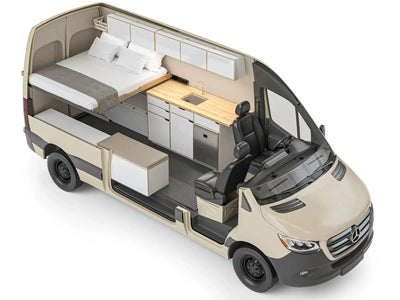
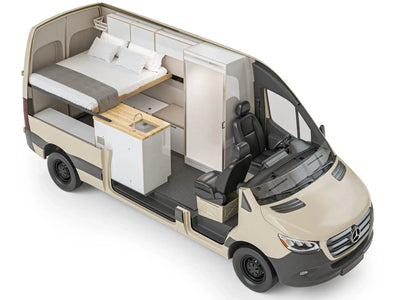
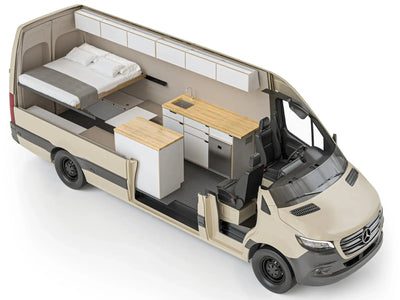
If you want the easiest developed campground access, Difficult is the strongest official choice here, as long as you can work within the five-night stay limit. If you want a more rustic stop and drive a shorter van, Lincoln Gulch, Lostman, and the Lincoln Creek dispersed corridor are more natural fits. Those choices line up well with compact builds like our vans for couples and layouts such as the DUO XL.
If your travel style depends on towing extra gear, sleeping in town, or using a rooftop tent, this route asks for more planning than easier Colorado roads. A compact Sprinter or Transit with heat, storage, and no trailer usually feels far more relaxed here. Independence Pass is not hard for the right van. It is hard for the wrong setup.
FAQ
Is Independence Pass open year-round?
No. CDOT says Independence Pass typically closes on or near November 7 and almost always reopens on the Thursday before Memorial Day, but exact dates depend on snow and maintenance conditions. That is why checking current status right before your trip matters. Do not assume the road is open just because the calendar says late spring or early fall.
What is the vehicle length limit on Independence Pass Colorado?
The limit is 35 feet total length, including a vehicle and trailer combined. CDOT says the rule exists because of tight curves, steep grades, and narrow lanes on Highway 82 over the pass. If you tow anything, measure the full nose-to-tail setup before you commit. Accessories and trailers are what usually push people into trouble.
Can you sleep in a van in Aspen after driving Independence Pass?
Not legally in town. Aspen guidance says the city prohibits visitors from sleeping in vehicles, including RVs. That means van travelers should plan a legal campground or dispersed site outside Aspen. It is much smoother to enjoy town for the day, then head out to sleep legally.
Which campgrounds near Independence Pass work best for camper vans?
On the Aspen side, the main official options are Difficult, Lincoln Gulch, Lostman, and Weller. In the Forest Service listings, Difficult allows sites up to 50 feet, Lincoln Gulch and Lostman up to 30 feet, and Weller only 14 feet. For most camper vans, Difficult is the easiest developed fit, while shorter vans can also work well at Lincoln Gulch or Lostman.
Are there hikes and trail stops right on Independence Pass?
Yes. Aspen Chamber highlights the Continental Divide, The Grottos Ice Caves, and the Lost Man area as notable stops and recreation access points along the route between Aspen and Twin Lakes. The summit itself sits at 12,095 feet, so even short walks can feel harder than expected. That is why many travelers do best with a few short stops instead of one big alpine push.
Can you use a rooftop tent at Difficult Campground?
Yes, as of 2026. The Forest Service put a hard-sided-only order on Difficult Campground in June 2025 after a bear encounter, then lifted it on June 20, 2025, so tents, tent campers, and rooftop tents are allowed again. Because bear activity can bring the order back, check White River National Forest alerts before your trip.
About the author

Electra Chronis
Head of Marketing
Electra leads marketing at The Vansmith. She writes across van life, camping and travel, from planning a trip to choosing and building the van that gets you there.
Read more about Electra