The apostle islands are easiest to plan once you start with access. Most trips fall into four lanes: summer sea cave kayaking, a sightseeing cruise, island camping, or a winter ice cave attempt. The right fit depends on how you want to reach the lakeshore, whether you need a reserved campsite, and how much weather risk you can live with. That matters here more than mileage. For most first-time van travelers, the simplest move is a mainland base camp plus one well-timed day on the water or trail. You get a good trip without stacking too many moving parts.
How to choose the right Apostle Islands trip style

Apostle Islands National Lakeshore is one of those places where access shapes the whole plan. Most visitors are really choosing between four different experiences: a summer paddle to the sea caves, a sightseeing cruise, an island camping trip, or a winter visit built around the chance, not promise, of ice caves.
The split between summer and winter matters right away. The mainland sea caves are a big warm-weather draw. The famous ice caves only happen in specific winters, and you should never treat them as guaranteed. If you're driving a long way in a camper van, that's a huge planning difference.
Camping adds another fork in the road. There is no car or RV camping inside the national lakeshore, as the official Recreation.gov camping page makes clear. So you need to decide early if you're staying on the mainland or trying for a boat-access site. Most island campsites are boat- or kayak-access only, except Mainland 1, 2, and 3, which are hike-in or paddle-in.
If you don't own a boat, you still have options. Apostle Islands Cruises shuttle service offers hiking and camping access to islands including Stockton Island and Oak Island. In our experience, though, many first trips go better with a mainland campground, then a day paddle, hike, or boat tour once you see what the lake is doing.
That slower approach fits van travel well. You can stay flexible, keep your bed and kitchen with you, and avoid forcing an island transfer into the same trip. If you're still dialing in your setup, our van build blog is a good place to think through what kind of travel rhythm you actually want.
Best fit for day-trippers, campers, and winter visitors
If your main goal is seeing the Apostle Islands sea caves in warm weather, the mainland caves are the classic first pick. The park points to them as a popular summer kayak destination. That tells you a lot about how most people experience this place on a first visit.
If your goal is sleeping inside the park, plan on permits and reservations. You won't roll in and find first-come vehicle camping, because that setup doesn't exist here. The permit side comes first. Then the transport plan.
Winter visitors need the most flexible mindset. The National Park Service says ice cave access is rare and only allowed when conditions are safe, so this can't be a fixed-itinerary trip. A winter visit works best if you're happy with a Lake Superior shoreline trip even if the caves never open.
There is a middle ground between a cruise and a full self-supported paddle. Camping and hiking shuttles let you reach island trailheads and campsites without paddling your own route. That's a nice fit for travelers who want island time without taking on open-water logistics.
For shoulder-season van travel, comfort matters fast. Cold wind off Lake Superior can turn a fun day into a soggy reset, and a heated, insulated van changes that. We've heard some version of the same line more than once in our Boulder shop: "I didn't think heat mattered that much until we woke up damp on Superior."
Apostle Islands also rewards people who move slowly. Stay on the mainland, watch the forecast, and choose the day's activity around actual lake conditions. If you're planning a van around that kind of travel, our custom camper van page and build process overview show how we think about real trip use, not just floor plans on paper.
Apostle Islands sea caves: summer paddle vs winter ice caves

The sea caves are a year-round feature, but the visitor experience changes a lot by season. In summer, it's open water, paddles, tours, and weather calls. In winter, the focus shifts to the rare chance of ice cave access if the park decides conditions are safe.
That split is easy to miss if you've only seen photos online. A lot of travelers picture one famous cave stop, then show up expecting the same access all year. The park's own cave guidance makes it clear that summer exploration and winter visitation are two very different trips.
The practical mainland access point for the caves is Meyers Beach. That's the waypoint to plug into your route if the caves are your main target. Bayfield is still central for tours and shuttles, but Meyers Beach is its own logistics day in many cases.
We've found that Apostle Islands trips go better when you treat the caves as weather-dependent, not guaranteed. That's even more true if you're driving up from farther south or west in a camper van. Build the caves into a larger shoreline trip. The whole stop feels less brittle if wind or waves change your plan.
Summer access to the mainland sea caves
In summer, kayaking is the signature experience. The park says the mainland sea caves are popular by kayak, and Bayfield-area outfitters guide trips to both the mainland caves and Sand Island. For first-time visitors, that local knowledge can make a big difference.
Guided trips lower the complexity. You get route knowledge, timing help, and a better sense of what conditions actually feel manageable on Lake Superior. If your real goal is to see the caves, that can be smarter than forcing a self-guided paddle.
You can also experience the mainland cave area from land. The Bayfield Chamber sea caves page notes the trail from Meyers Beach, which gives you a backup when paddling conditions don't line up. That's why keeping one weather-flex day in Bayfield or Cornucopia is such a good move.
Meyers Beach is the key parking and launch area, so plan around that reality. Shorter-wheelbase vans often have an easier time with busy trailhead and waterfront parking than larger rigs. Big difference. If you're comparing van sizes for trips like this, our Sprinter conversions and Transit conversions pages show the kinds of layouts people use for coastal travel.
Winter ice caves: why access is rare
The National Park Service says it plainly: mainland ice cave access is rare and only opens when conditions are safe. That's the key fact for winter planning. If you build the whole trip around ice caves, you may end up disappointed.
The park keeps a dedicated winter ice caves page because conditions change year to year. That's your source, not old photos, old blog posts, or social clips from a different season. The broader sea cave landscape is always there, but winter visitation depends on ice, not just a trail map.
A winter Apostle Islands trip is best framed as maybe ice caves, definitely Lake Superior in winter. Most builders want a fixed plan. Or they think they do, until Superior weather reminds them who's in charge. If the caves open, great. If not, you still get a stark shoreline, quiet roads, and a cold-season stop that feels worth the drive.
For cold-weather road trips, heat, charged batteries, and dry gear storage matter more than extra ambition. We install and service van heaters for exactly this kind of travel, and that work often starts with simple comfort goals, not fancy add-ons. If your setup needs help before a shoulder-season trip, our contact page is the right place to start.
Apostle Islands camping permits and where you can actually stay

Camping in Apostle Islands National Lakeshore requires permits and fees, according to the National Park Service camping page. That alone sets the tone for trip planning. This is not a drive-up campground system where you wing it on arrival.
The booking side runs through the official federal system. In practice, that means the Recreation.gov permit portal is where you confirm availability and trip details. It also spells out the big rule for van travelers: there is no car or RV camping within the park.
Most island campsites are boat- or kayak-access only, except for Mainland 1, 2, and 3. That one detail changes a lot. It means many people who picture a simple van-camping national park trip are actually looking at two separate systems: mainland camping for the van, or water access camping inside the lakeshore.
Overnight boaters can use docks without a camping permit, though docking fees still apply. That's useful for boaters, but it doesn't change the main takeaway for van travelers. The easiest mistake here is assuming a national lakeshore works like a drive-up campground map. Apostle Islands doesn't.
How island camping reservations work
The park says permits and fees are required for camping, so even a simple overnight needs advance planning. You're not just choosing a site. You're also thinking through transport, timing, and how you'll reach that site with your gear.
The permit process asks for trip details, which is actually helpful. It pushes you to sort out route, island choice, and timing before launch day. The NPS page also covers permit printing and reservation steps, so it's the core policy source before you leave home.
Recreation.gov is where the booking piece comes together. That's where availability and reservation logistics meet the actual campsite inventory. Group camping timing is also covered by the park, which matters if you're trying to line up a family or friend trip.
If your van trip is built around an island overnight, reserve camping first and transportation second. Doing that in reverse can leave you with a shuttle plan but nowhere legal to stay. That's a frustrating fix once dates start filling in.
Mainland campgrounds as a base camp strategy
Because there is no car or RV camping inside the national lakeshore, many visitors use nearby mainland campgrounds before day tours, kayak trips, or shuttle departures. That's usually the easiest first-trip strategy. You keep your van where it works best and use the park for day access or a planned overnight.
The Bayfield Chamber campground directory is a solid starting point for mainland options near the gateway area. It helps narrow down where you want to base before you compare location, marina access, or how close you want to be to Bayfield versus the coast near Meyers Beach.
Mainland base camping is often the right fit if you want to watch the weather and avoid a boat-access overnight. It's also easier for larger vans carrying bikes, paddle gear, or dogs. Daily logistics stay simpler, and simple is good here.
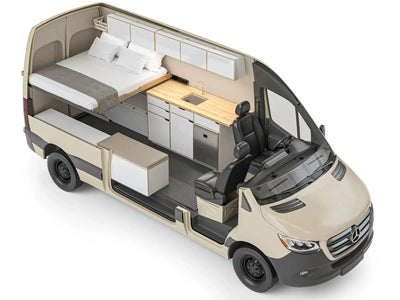
For couples and families in self-contained vans, a mainland campground plus one or two day adventures often feels better than a multi-leg island transfer. Our DUO XL layout and Family XL layout are built around that rhythm: sleep well, cook simply, and come back to a warm reset after a cold or wet day.
Ferry, shuttle, and cruise logistics from Bayfield

Apostle Islands Cruises is the authorized park concessioner, and it's the main official source for sightseeing cruises, hiking access, and camping shuttle logistics. If you need island transport without your own boat, this is where the planning gets real.
The hiking and camping shuttle reaches islands such as Stockton Island and Oak Island. That gives non-boaters a practical path to island camping. It also creates a clear split between trips meant for viewing and trips meant for transport.
The operator's fares and schedules page is the hub for comparing sightseeing cruises with overnight shuttle service. Cruises are for scenery. Shuttles are for getting you and your gear to a reserved destination. Single kayak transport is also available as an add-on, which can help with one-way or gear-heavy plans.
Bayfield departure timing matters more than people think. It affects when you break camp, where you park, and how much time you have to sort food, layers, and dry bags before boarding. A tidy van helps a lot on mornings like that. We've seen the same thing with customers packing for Great Lakes trips. The ones who know exactly where the dry bags live tend to have a much better launch day.
When to choose a cruise, shuttle, or self-guided paddle
A sightseeing cruise is the lowest-complexity choice. It's a good fit if you want the scenery without dealing with paddling conditions or overnight logistics. For plenty of travelers, that's enough. And enough is enough.
A camping shuttle makes sense once you already have a campsite reservation. It's transport, not a substitute for trip planning. If the site is booked and your gear list is dialed, the shuttle becomes a clean solution.
A self-guided kayak trip is best for experienced paddlers who are ready for Great Lakes conditions. If your real goal is simply to see the caves, a cruise or guided outing is often the better call than forcing a self-supported paddle in marginal weather.
Families with kids usually have a smoother first Apostle Islands trip with a mainland campground and one boat-based outing. Couples in a well-equipped camper van can use Bayfield as a comfortable launch point, then choose the least stressful access option once they see the actual forecast. If you're sketching that kind of travel setup, our vans for couples and family van conversions pages are worth a look.
Practical launch-day planning from a van
The Bayfield area is the operational gateway for many Apostle Islands trips, including cruises, guided paddles, and shuttle departures. Meyers Beach is different. Treat it as its own access day when possible, especially if the mainland caves are your focus.
That split helps because island reservations, shuttle timing, and cave access are all connected. Match your transport mode to your campsite and route before you arrive. It saves a lot of parking-lot problem solving.
An organized van makes a noticeable difference here. You may be switching between hiking layers, paddling gear, food, and overnight items in a small space. Good shore power isn't the point. Battery capacity, ventilation, and reliable heat matter more for pre-dawn starts and damp-weather recovery.
For travelers hoping to upgrade before summer, our semi-custom builds usually take 8 to 10 weeks. That's a useful benchmark if you're trying to get a van ready for a Great Lakes season. You can also browse Foundation builds if you want a simpler starting point.
Costs, timing, and the best mainland base for van travelers

Apostle Islands costs come from a few separate buckets, not one ticket. You may be looking at camping permit fees, transportation reservations, and mainland campground costs all at once. That's why the cheapest-looking plan on paper isn't always the easiest in practice.
For island camping, start with the permit side. The park says camping requires permits and fees, and Recreation.gov is the official place to confirm the current reservation details. If you need boat transport, use the operator's fares and schedules page rather than a third-party summary.
| Trip style | Main cost buckets | Best fit |
|---|---|---|
| Mainland base + day hike | Mainland campground, parking, food | Flexible first trip |
| Mainland base + cruise | Mainland campground, cruise fare, parking | Low-complexity sightseeing |
| Mainland base + guided kayak day | Mainland campground, guided paddle cost, parking | Sea cave focus without island camping |
| Island camping + shuttle | Camping permit, shuttle fare, mainland staging night | Non-boaters with reserved campsites |
| Island camping + self-guided kayak | Camping permit, your own transport plan, staging costs | Experienced paddlers |
The price gap usually buys you either comfort or complexity control. A mainland campground is often the cost-control move because there is no in-park car or RV camping. It also gives you a backup if weather shifts your day plan.
For many van travelers, paying for a mainland base and one well-chosen day activity creates a better trip than stacking permits, shuttles, and backup plans. That's especially true on a first visit. Keep the trip shape simple, then go bigger next time.
What to budget before you go
Start with permits if you want to camp in the park. Island overnights are never a zero-planning add-on. Then check Recreation.gov for the current campsite transaction details, because that's where the official booking happens.
If you need boat transportation, compare shuttle and sightseeing costs on the official fares page. Mainland campground pricing will vary by property, and the Bayfield Chamber directory is the best official starting point for finding options before you compare amenities and location.
A real budget should also include parking, food, and one or two weather backup choices. Lake Superior can shift your activity plan fast. A self-contained van helps by letting you cook, warm up, and sleep well without scrambling for indoor lodging if the forecast turns.
If you're still shaping your van around trips like this, our DIY blog has high-level ideas on systems and comfort upgrades that matter more in damp shoulder seasons than most people expect.
Where to base for the smoothest trip
Bayfield is the logical base if you're using cruises, shuttles, and many guided water activities. That's the main gateway community across the official planning resources. If your trip leans boat-heavy, Bayfield keeps things straightforward.
Meyers Beach makes the coast near Cornucopia especially relevant if you're focused on the mainland sea caves. That area can make more sense than staying closer to harbor departures if the caves are your top priority. Again, access shapes the whole plan.
Mainland campgrounds are the right choice for RVs, camper vans, and anyone who doesn't want to move all their gear onto a boat. If flexibility is your top goal, stay on the mainland and treat island camping as a second trip after you understand the local weather and launch rhythm.
For family travel, a stable mainland base usually beats a one-night island push. For couples building a longer Lake Superior road trip, Apostle Islands often works best as a 2- to 4-night van stop with one anchor activity and one backup day. That's usually the sweet spot.
FAQ
What is the best way to see the Apostle Islands sea caves?
In summer, the National Park Service says the mainland sea caves are a popular kayak destination, and Bayfield-area outfitters guide trips to both the mainland caves and Sand Island. If you want a lower-complexity option, official cruises and transport services from the Bayfield area are often the easier call. Your best choice depends on whether you want active time on the water or a simpler sightseeing day.
Can you drive your van or RV to camp inside Apostle Islands National Lakeshore?
No. Recreation.gov states there is no car or RV camping within the park, and most island campsites are boat- or kayak-access only, except for Mainland 1, 2, and 3. For most van travelers, that means booking a mainland campground if you want drive-up camping and using the lakeshore for day access or a planned island overnight.
Do you need a permit for Apostle Islands camping?
Yes. The National Park Service says camping in Apostle Islands National Lakeshore requires permits and fees, and reservations are handled through the official system. It's smart to lock in your campsite first, then line up your shuttle or paddling plan. That order keeps you from solving transport before you know you have a legal place to stay.
Are the Apostle Islands ice caves open every winter?
No. The National Park Service says mainland ice cave access is rare and only allowed when conditions are safe. That's why winter travelers should never assume the caves will be open just because it's cold or snowy. Always check the current NPS winter status before you build a whole trip around ice cave access.
How do you get to island campsites if you do not have a boat?
Apostle Islands Cruises operates hiking and camping shuttles to islands including Stockton Island and Oak Island, which gives visitors a way to reach reserved campsites without their own watercraft. The same operator publishes fares and schedules on its official site, and that's the best place to confirm current service details. It's a useful middle-ground option between a cruise and a self-supported paddle.
About the author

Eugene Smit
CEO
Eugene is the CEO of The Vansmith, based in Boulder, Colorado. He writes across topics related to van builds, ownership, and the camper van industry.
Read more about Eugene