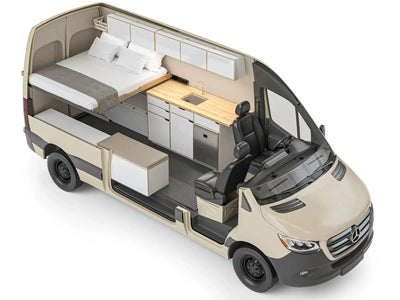
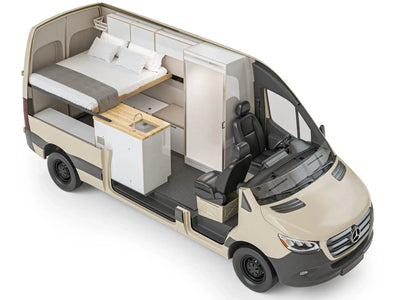
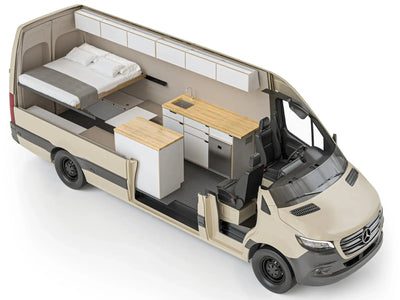
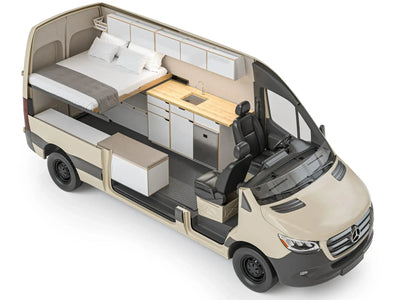
A camp conversion transforms an empty van into a true home on wheels by adding insulation, beds, power, and storage-turning a basic Ford Transit or Mercedes Sprinter into a functional campervan for adventures. With the right plan, you can create a van that’s comfortable, organized, and ready for long road trips or weekend escapes. Whether you go DIY or work with pros like The Vansmith, understanding both the creative options and the technical steps will make your camp conversion journey smoother and more rewarding.
What Is a Camp Conversion? Foundations and Inspiration
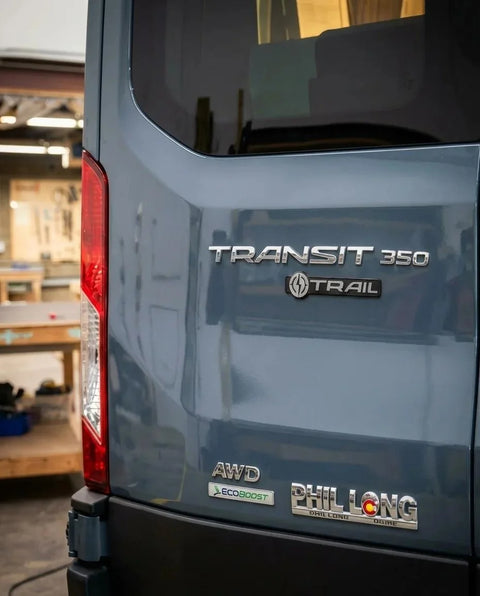
 At its core, a camp conversion means turning a cargo or passenger van into a full-fledged campervan. This process adds essentials like insulation, custom furniture, electrical systems, and a water supply to create a livable space for travel or off-grid camping. According to Wikipedia, popular vans chosen for camp conversion include the Ford Transit and Mercedes Sprinter-two platforms known for their roomy interiors, reliability, and massive aftermarket support.
Factory-built models, such as the 2026 Ford Nugget camper van, spotlight what’s possible with smart layouts and modular storage. The Nugget, co-developed with Westfalia, shows how a pop-top and multi-zone design can pack a kitchen, lounge, and sleeping area into a compact shell, all while keeping things flexible and organized. These factory models inspire DIYers and pros alike to push for better use of every inch inside a van.
DIY builds cover a huge range, from simple budget setups to high-end, luxury conversions. Building a pro-quality campervan yourself can take between 800 and 900 hours and cost $8,000 to $15,000 in materials, as detailed in The Van Conversion Bible. The key steps include careful planning, adding insulation, lining the walls, installing windows and vents, wiring up power, and building custom furniture or modular cabinetry. For a clear, step-by-step process, top guides like The Van Conversion Bible and The Illustrated Van Conversion Guide are packed with checklists, diagrams, and real-world advice at every turn.
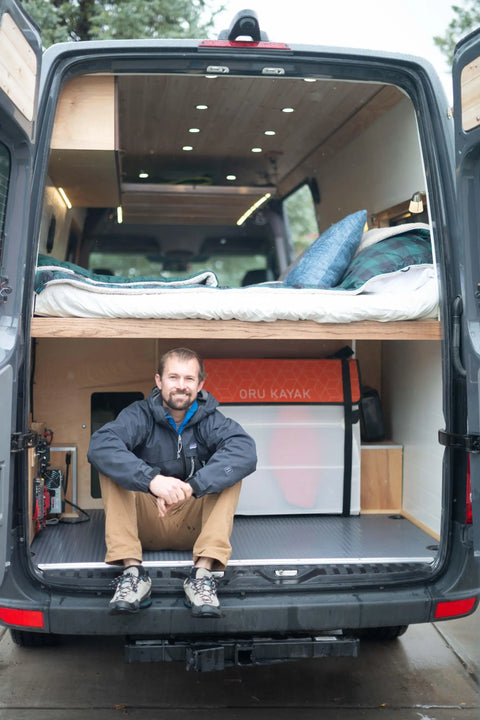
The Vansmith’s own layouts, like the DUO and Family XL, set the bar for ergonomic design, maximizing comfort, storage, and daily workflow. Their builds show just how much function and style you can fit inside a Transit or Sprinter. If you want to see how these ideas come to life, check out their Sprinter conversions and Transit conversions.
Examples of Camp Conversion: Manufacturer and DIY Builds
The Ford Nugget stands out with its multi-zone setup-kitchen, lounge, and sleeping-all packed efficiently. A flip-up mattress and rear L-shaped kitchen make the most of limited space, while a pop-top adds extra headroom and sleeping for two more people. These touches are a big deal for families or groups who want room to relax and sleep without feeling cramped.
High-roof vans, like the Transit and Sprinter, take comfort up a notch. You can stand up straight, add overhead storage, and install built-in cabinets-absolute game changers for long trips. Most folks who start with a mid-roof van end up wishing they’d gone high-roof or adding a pop-top later. That’s why almost all The Vansmith customers choose high-roof platforms for their conversions.
DIYers get creative, too. Some repurpose old cabinets or build modular furniture that fits their van’s unique shape, balancing budget with the desire for a custom look. The Illustrated Van Conversion Guide is full of examples where simple, modular kits save time and let you upgrade in stages.
Essential Systems: Insulation, Electrical, and Plumbing
Insulation is a must for every camp conversion. Foam panels or mineral wool, with R-values of 4 to 7 per inch, help keep your van warm in winter and cool in summer. Good insulation also cuts down on condensation, which means less mold and a more comfortable space. It’s a step you can’t skip if you want to camp year-round.
For power, most conversions use 12V batteries, solar panels, and inverters. This combo supports lights, a fridge, fans, and charging for laptops or phones. As explained in The Van Conversion Bible, a well-designed electrical system is the backbone of van comfort-especially if you plan to work remotely or go off-grid for days at a time.
Water systems range from simple jugs you refill at campgrounds to full plumbing with tanks, pumps, and sinks or showers. While basic water setups are quick to install, more advanced systems add serious comfort. Just remember, any gas or plumbing work should be done to proper safety standards. If you’re unsure, pros like The Vansmith can help with safe, expert installs.
Camp Conversion Ideas: Space, Comfort, and Storage Solutions
 Smart use of space is at the heart of every great camp conversion. Convertible beds-like benches that pull out or Murphy beds-let you switch from lounge to sleep mode in seconds. Multi-use furniture means your van is always ready for whatever the day brings, whether it’s dinner, work, or a nap. The Van Conversion Bible highlights these setups as key for maximizing every square foot.
Pop-up or elevating roofs, as seen in the Ford Nugget and many Vansmith pop-top builds, bring in extra headroom and another sleeping space-without making the van harder to drive or park. If you want to keep your van feeling open and spacious, this is a game changer.
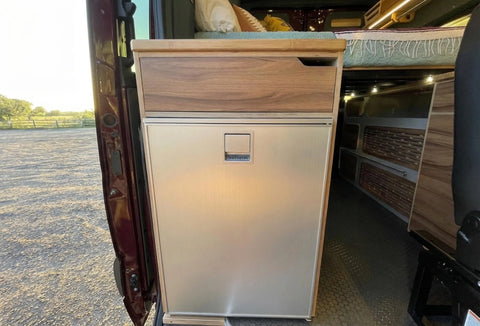
Storage solutions matter, too. Modular cabinets, pull-out pantries, and under-bed drawers keep your gear tidy and out of the way. These ideas let you bring everything you need-bikes, boards, or camping gear-without clutter. The Illustrated Van Conversion Guide has plenty of tips for building or picking the right storage for your style.
Comfort upgrades like LED strip lighting, reading lamps, and roof fans make a van feel like home. Good ventilation is a must, especially if you spend time off-grid or cook inside. Swivel seats, fold-out tables, and removable partitions let you change the layout for solo trips, couples, or family outings. On the outside, awnings-like the Ford Overland 180-degree model-create big, shaded hangouts next to your van, perfect for relaxing or cooking outdoors.
The Vansmith’s modular interior packages, like the DUO and Family XL, show how handcrafted cabinetry and convertible beds make every inch count. If you want to see real layouts, their family van and couple van builds are packed with inspiration.
Smart Storage and Modular Camp Conversion Kits
Pre-fabricated camp conversion kits can be a lifesaver for DIY builders. These include cabinets, bed frames, kitchen modules, and electrical harnesses, taking hours off your install time and minimizing mistakes. In The Van Conversion Bible, modular kits are shown to speed up builds and offer flexibility when your needs change.
The best camp conversion kits use marine-grade plywood, durable powder-coated hardware, and smart mounting points. This means your furniture won’t rattle loose, even after years of bumpy roads. Soft-close doors and drawers add a touch of luxury and peace on the move, as described in the Illustrated Van Conversion Guide.
The Vansmith’s own DIY-friendly kits and upgrades make it easy to start simple and add features as your travel style evolves. This phased approach is perfect if you want to spread out costs and dial in your van over time.
Comfort Upgrades: Heating, Cooling, and Outdoor Living
Heating and cooling are must-haves for year-round adventures. Diesel or gasoline-fueled heaters offer efficient warmth for winter camping, but they need pro installation for safety. Roof fans-manual or automatic-and insulated window coverings help regulate temperature and airflow, keeping things comfy on the hottest or coldest days.
Awnings, like the Ford Overland 180-degree model, can be set up in under a minute and provide 129 square feet of UV- and moisture-resistant shade. This upgrade turns your van into a true basecamp, letting you hang out, cook, or relax outside even in unpredictable weather. If you’re planning long summer trips, this kind of shelter is a game changer.
The Vansmith installs all these upgrades-heaters, fans, awnings, and more-so you can focus on the fun parts of travel. Their customization services make it easy to add these comforts at any stage of your build.
Camp Conversion Costs, Time, and Planning Tips
 Building a professional-quality DIY camp conversion takes serious time and money. The average project clocks in at about 895 hours and costs between $11,000 and $15,000, not including the van itself, according to The Van Conversion Bible. Luxury builds can run over $40,000, while careful planners can finish a comfortable camper for less than $20,000.
Choosing a high-roof van, like a Ford Transit or Mercedes Sprinter, means a bigger upfront investment but pays off with more standing room, better resale value, and more design options. Planning tools like spreadsheets, 3D modeling apps, and detailed checklists help keep things on track, preventing expensive mistakes and making sure all your systems fit together.
Most van builders take a phased approach-installing core systems first, then adding upgrades like solar, heaters, or awnings as their needs grow. The Vansmith’s Foundation builds and DIY blog are great resources for learning how to build in stages and budget for future upgrades. Safety is always a top concern: all electrical and gas installs should meet code, and every cabinet or fixture must be securely mounted for road travel.
Budgeting and Real-World Camp Conversion Examples
If you’re dreaming big, luxury conversions can hit $40,000 or more-but most DIYers achieve comfort and capability for under $20,000. Factory builds like the Ford Nugget show how careful engineering can pack in solar, hybrid drivetrains, and smart infotainment, making the van ready for modern travel.
For inspiration, check out The Vansmith’s family van and couple van galleries. These real-world builds cover everything from minimalist adventure rigs to full-featured family campers-proof you can tailor your van to fit your life.
Planning Essentials: Checklists and Avoiding Common Pitfalls
A good checklist covers every step, from insulation to fixtures. The Van Conversion Bible includes thorough lists that help you avoid skipped steps or mismatched parts. Common mistakes include underestimating how much power you’ll use, skipping proper insulation (leading to condensation), and not bolting down heavy items securely.
Working with experienced pros, like the team at The Vansmith, can help you catch problems before they happen. Their experience means your van will be safer, last longer, and hold its value down the road. If you have questions, don’t hesitate to contact The Vansmith for advice or to start your own build journey.
Best Camp Conversion Kits and Modular Upgrades
Camp conversion kits range from simple bed and storage modules to full all-in-one solutions with cabinets, kitchens, and electrical harnesses. The best kits, as described in The Van Conversion Bible, use tough marine plywood, powder-coated steel, and soft-close hardware-built to handle rough roads and daily use.
The Ford Overland 180-degree awning, for example, is made for Transit vans. Weighing just 47 pounds, it sets up in under a minute and provides a huge 129 square feet of shade. Some DIY kits can be installed in a weekend, but complex systems like electrics or plumbing may need a pro installer for safety and peace of mind.
The Vansmith’s modular cabinetry and DIY kits let you start simple and add more features over time. Popular modular upgrades include roof racks, solar panels, auxiliary batteries, and removable kitchen pods. These are all designed for Sprinter and Transit vans, so you know they’ll fit right and last for years. Modular setups also make it easy to reconfigure your van as your needs change-perfect for growing families or remote workers.
Choosing the Right Camp Conversion Kit for Your Needs
Picking the right kit starts with your van model, interior height, and how much DIY effort you want to put in. Some kits focus on sleeping and storage, while others offer full kitchens, water tanks, or even pop-top roofs. Consider how much flexibility you want-modular kits let you adapt your layout as you go.
The Vansmith’s kits are built for Sprinter and Transit vans, optimized for easy install and seamless upgrades. If you need help choosing, their team can guide you to the right solution for your adventure style.
Installation, Safety, and Support for Camp Conversion Upgrades
Every electrical and gas upgrade must be installed safely, with proper fusing, ventilation, and code compliance. If you’re not sure about an install, reach out to pros like The Vansmith-they offer support, installation, and troubleshooting for all sorts of camp conversion upgrades.
Warranties on kits can vary, but buying from reputable brands means you get help if there’s a problem down the line. That peace of mind is worth it, especially for systems you’ll rely on every day on the road.
Showcase: Real-World Camp Conversion Examples and The Vansmith Difference
The Ford Nugget is a great example of what a modern camp conversion can do-split-level living, a pop-top sleeping area, and integrated smart tech for travel comfort. Meanwhile, DIYers using guides like The Van Conversion Bible create builds with full kitchens, hot water, and solar, or keep it simple with modular, flexible setups.
The Vansmith stands out by offering pre-designed layouts (like DUO and Family) and customizable packages. Their builds balance handcrafted quality with modern design, ensuring every detail is built for real-world adventure. You can see the difference in their gallery and past build photos-these vans are built to inspire and perform.
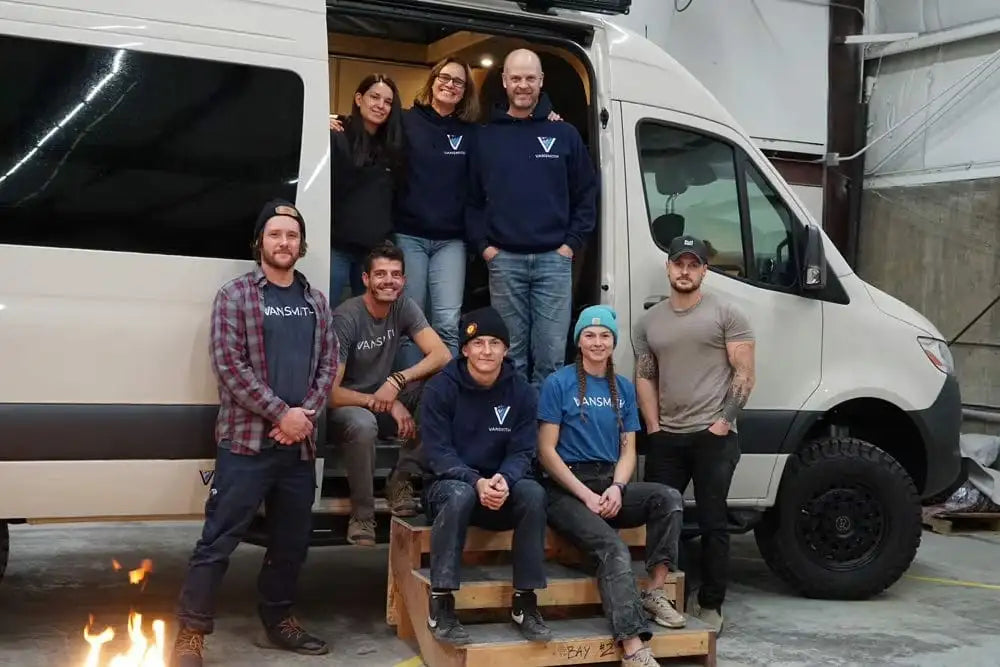
If you’re local to Boulder, CO, you can visit The Vansmith’s shop for a hands-on look, get a consultation, or talk upgrades with their expert team. Their contact page makes it easy to get started.
Inspiration from The Vansmith: Layouts, Materials, and Craftsmanship
The Vansmith uses sustainably sourced wood, durable laminates, and soft-closing hardware for a refined yet rugged interior. Every layout is designed around real-world use-ample storage, ergonomic kitchens, and beds sized for all types of travelers. Their modular add-ons (roof racks, awnings, solar setups, heaters) are installed with future upgrades in mind, so your van grows with your adventures.
How to Start Your Own Camp Conversion Journey
Start by listing your needs: how many people you’ll sleep, whether you’ll work on the road, what kind of weather you’ll face, and how long you want to stay off-grid. Review professional layouts and guides for inspiration-The Vansmith’s process page is a great resource. Then, plan your build in phases: begin with basics like insulation and electrics, then layer on comfort and modular upgrades as your travel style evolves.
FAQ
What is a camp conversion and what are the main steps involved?
A camp conversion is taking a regular van-like a Ford Transit or Mercedes Sprinter-and turning it into a campervan with sleeping, storage, and living spaces. The main steps involve planning your layout, adding insulation, lining the walls, installing windows and vents, wiring up electrical and water systems, and building or installing custom furniture or modular cabinetry. Each stage builds on the last, ensuring your van is safe, comfortable, and ready for adventures. You can learn more about the basics from Wikipedia.
How much does a typical van camp conversion cost and how long does it take?
A pro-quality DIY camp conversion usually takes about 895 hours and costs between $11,000 and $15,000 for materials and core components, not including the base van. High-end luxury builds can exceed $40,000, while careful budget builds can come in under $10,000. The timeline depends on your experience, the complexity of your systems, and whether you’re working full-time or just on weekends. For more cost and time details, check out The Van Conversion Bible.
What are the best camp conversion kits for Ford Transit or Sprinter vans?
The best camp conversion kits include modular cabinetry, bed frames, kitchen pods, and electrical harnesses-often made with marine-grade plywood and powder-coated steel for durability. Kits like the Ford Overland 180-degree awning and The Vansmith’s modular cabinetry are purpose-built for Transit and Sprinter vans, so they’re easy to install and built to last. You can explore kit options at The Vansmith’s DIY kits collection and Ford’s accessories page.
How do I maximize storage and comfort in a van camp conversion?
To make the most of your space, use convertible beds, under-bed drawers, modular cabinets, and fold-out tables. Comfort upgrades like pop-tops, roof fans, and LED lighting make a huge difference, especially for longer trips or bad weather. The Ford Nugget and The Vansmith’s layouts show how smart design and ergonomic touches can create room for everything you need without sacrificing comfort. You can see examples and get more inspiration from The Vansmith product pages and Ford’s media center.
Are there safety or legal considerations in a camp conversion?
Yes-electrical and gas systems must always meet safety codes, and heavy items should be securely mounted to handle bumps and vibrations on the road. In some places, you may need professional certification for gas or plumbing work. To keep things safe and reliable, consider working with experienced installers or using reputable camp conversion kits. For more, see the safety notes on Wikipedia.