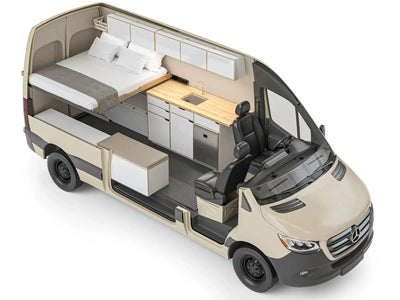
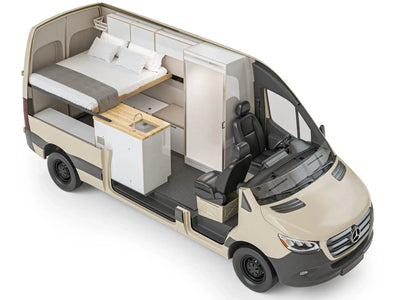
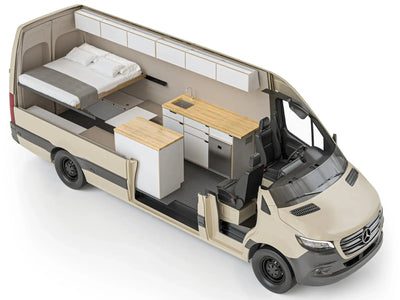
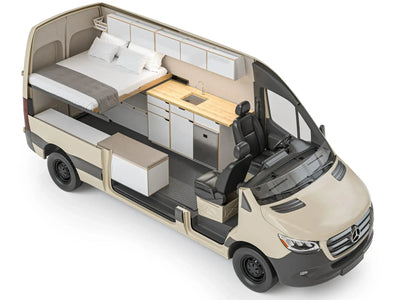
The 2026 conversion van market is all about breakthrough features: modular interiors, 48V air conditioning, and plug-and-play power systems. These innovations make it easier than ever to create your dream adventure vehicle. Flexible bed and shower systems, expanded solar and lithium setups, and smarter layouts are now the norm. If you want real comfort, off-grid power, and adaptability-2026 is your year to go all-in on a conversion van that truly fits your lifestyle.
2026 Conversion Van Models: What's New This Year
This year brings a wave of innovation to conversion vans, with new technology rolling out across the board. Modular interiors, 48V air conditioning, and advanced solar power systems are now standard features in top builds. These upgrades mean you get more comfort, better climate control, and true off-grid capability-no matter where you roam.
Manufacturers are responding to the demand for adventure-ready vans with smarter heating and power systems, improved off-road packages, and more flexible layouts. Modular kits and plug-and-play electrical systems make upgrades easy, so you can add more solar, lithium batteries, or internet connectivity as your needs change. Flexible bed and shower systems let you adapt your space for work, sleep, or play-perfect for solo travelers, couples, or families.
Class B vans continue to dominate, especially on Sprinter and Transit platforms. Most new models focus on high-roof choices, AWD, and extended lengths-giving you more space and capability. Across the board, integrated tech like multiplex control panels and pre-wiring for Starlink or WeBoost make remote work and travel easier than ever. 12V and 48V air conditioning are now standard or easy upgrades, so you can stay cool off-grid without relying on campground hookups. With increased competition in the modular market, OEM-aligned systems make it easier than ever to upfit your van and future-proof your investment.
Key 2026 Model Features (Sprinter, Transit, ProMaster)
The Mercedes-Benz Sprinter remains the gold standard for luxury and modular conversions in 2026. Its factory AWD, advanced safety tech, and the sought-after high-roof and 170-inch extended length variants make it the top pick for those prioritizing space and capability. The best new builds leverage these features to deliver both comfort and adventure-readiness in one package.
On the Ram ProMaster side, new models use the ProMaster’s front-wheel-drive layout for better maneuverability and offer rugged travel packages. These options are great for buyers who want the flexibility to handle rougher roads and winter conditions. The ProMaster platform is mostly used for OEM builds, while custom conversions are favored by builders such as The Vansmith.
Ford Transit-based conversions are also becoming more popular. The 2026 Transit offers AWD, high-roof, and long-wheelbase options, though most new launches focus on custom upfits over major OEM releases. Custom builders love the Transit for its adaptability and solid base for upgrades. Modular kits now push the boundaries with plug-and-play readiness for solar, lithium batteries, and connectivity upgrades.
Across all platforms, 2026 vans increasingly come prepped for easy aftermarket customization. That means if you want more solar, lithium, or better internet, you’re not starting from scratch. For those wanting to go custom, The Vansmith specializes in tailoring Sprinter and Transit platforms to your exact needs-whether that’s for solo exploration, couples, or the whole family.
OEM vs. Custom Conversion: What’s Changing in 2026?
OEM models promise turnkey reliability and standardized features, but they can’t match the layout flexibility of a true custom build. In 2026, modular, removable systems-especially for the Sprinter-are on the rise. These let buyers adapt their van as their lifestyle changes, adding or removing features without a full rebuild.
Custom builders-including The Vansmith-set themselves apart with real wood cabinetry, tailored layouts, and true craftsmanship. While OEMs are closing the gap by integrating more lithium power, solar, and smart connectivity, the fit and finish of custom work is still a step above. Warranty coverage remains a key difference: OEM conversions generally offer 1-3 years, while custom builds vary by shop and component. In our experience, thoughtful storage, high-quality materials, and smarter layouts keep custom conversions ahead for comfort and daily use.
The modular trend is changing the game for buyers. Now, you can start with a basic OEM build or a Foundation build and add upgrades as your needs evolve. This makes it easier to future-proof your investment and keep your van relevant as tech and travel styles change. The Vansmith’s Foundation builds are a great example-giving you a solid base that’s ready for anything, right from the start.
For those who want involvement in every detail, custom conversion is still the gold standard. But for buyers who value speed and reliability, today’s OEMs are offering more than ever before. Either way, 2026 is all about choice, flexibility, and building a van that truly fits your life.
Emerging Power & Off-Grid Systems in 2026 Vans
Off-grid capability is front and center in 2026 conversion vans. Most new vans feature lithium battery banks between 400 and 800 Ah, supporting hefty 3000 W (or larger) inverters for real off-grid living. The ‘energy triangle’-solar, alternator charging, and shore power-is now standard even in mid-level builds, so you’re always ready to top up batteries whether you’re parked, plugged in, or driving.
48V and 12V air conditioning are big leaps. These efficient systems can run overnight on a robust lithium setup, letting you camp in true comfort even in hot climates. For many, this is a game-changer-no more hunting for hookups or sweating through summer nights. Connectivity is also at the forefront: vans are now pre-wired or come ready for Starlink satellite internet and WeBoost cellular boosters. This means digital nomads and remote workers can stay connected, even in the wildest corners.
Modular battery systems and expansion points are becoming mainstream. If your power needs grow, adding more capacity or a bigger inverter is easier than ever. Alternator charging has improved, too-2026 vans can often charge at rates above 100 A, slashing generator time and making even long hauls efficient. Advanced water systems, with built-in filtration and heated tanks, now support comfortable, year-round off-grid living. Builders like The Vansmith are integrating these systems into their designs for true four-season capability.
Lithium, Solar, and Connectivity: 2026 Standards
Solar power is now a must-have, with most vans offering 300-600 W of capacity-enough to run fridges, lights, and sometimes even AC. Lithium batteries with integrated BMS are standard for safety and long life. Control panels have gone high-tech: touchscreens or smartphone apps let you monitor battery status, tank levels, and climate with a tap.
Starlink-ready wiring is a key feature for anyone who works or learns on the road. Plug-and-play satellite internet is now within reach, so you’re never far from reliable service. Alternator charging is stronger than ever, making it easy to top up while you drive. A 400-800 Ah lithium bank can even run 12V or 48V air conditioning for 8-12 hours-perfect for summer camping or travel in the Southwest.
Water systems are also smarter. Many now include carbon or UV filtration, and all-season plumbing to keep things flowing even when temperatures drop. For those who want a solid, future-proof van platform, Transit conversions and Sprinter builds from The Vansmith can be configured with all these features, so you’re ready for wherever the road takes you.
Modular & Upgradable Power Platforms
The modular approach isn’t just for cabinetry and beds-it’s reshaping power systems, too. Plug-and-play electrical modules can be installed or upgraded fast, with minimal downtime. Many 2026 vans now use quick-connect bus bars and expansion ports, so adding more battery capacity or upgrading your inverter is a breeze.
Battery upgrades are increasingly offered as a standalone service. Builders and manufacturers provide easy paths to boost your van’s power as your off-grid ambitions grow. Flexible solar setups-combining roof mounts with portable panels-add redundancy for cloudy days or shaded campsites.
This modularity means you can start small and scale up. If you’re not sure how much power you’ll need, it’s easy to add more down the line. The Vansmith’s foundation builds include pre-wiring for future upgrades, so you can grow into your van as your adventures expand. Top-end electrical systems now include user-friendly diagnostics and remote troubleshooting, so even if something goes wrong, you’re not stranded. This is real peace of mind for serious travelers.
Interior Design, Layout, and Material Trends for 2026
Step inside a 2026 conversion van and you’ll find interiors focused on flexibility and comfort. Modular layouts are everywhere-removable beds, convertible dinettes, and multi-use storage options are now mainstream, making it easy to adapt your space for work, sleep, or play. Even mid-size vans now offer spa-inspired bathrooms, including wet baths and cassette toilets, for comfort wherever you roam.
Eco-friendly, non-toxic materials are a huge trend. Builders are using bamboo, FSC-certified woods, and recycled textiles to meet the demand for sustainability. Custom cabinetry and real wood finishes-signature features of The Vansmith-add warmth and style that lasts through years of adventure. For remote workers, layouts now include swiveling seats and foldaway desks, supporting work-from-anywhere lifestyles.
Kitchen modules are more flexible, sliding or folding to free up space when needed. Lighting has gone next-level, with ambient LEDs, dimmable zones, and task lights built for comfort and usability. These small touches make a big difference, especially on long trips or for families juggling multiple needs under one roof.
Multi-Functional & Work-From-Van Layouts
Many 2026 vans come with stowable work tables, monitor mounts, and plenty of USB-C outlets-features that remote workers and digital nomads love. Convertible lounge areas make it easy to switch from work mode to dinner or sleep, while swivel seats for both driver and passenger are now standard or widely available. This expands your living space without increasing your van’s footprint.
Power outlets (110V, USB-A/C, 12V) are spread throughout the cabin for true flexibility. Builders are also adding sound insulation and acoustic panels to keep things quiet, whether you’re on a call or your kids are napping. Dual-zone layouts are popular with families, giving kids space up front while parents have a quiet work or sleep area in the back. The Vansmith’s mobile office conversions are a great fit for anyone who needs a true rolling workspace.
Sustainable Materials and Interior Durability
Sustainability is more than a buzzword in 2026-it’s built into every surface. Interiors use recycled PET, bamboo, and low-VOC finishes for clean air and peace of mind. Flooring options like marine-grade vinyl and high-pressure laminate make cleanup easy, while standing up to years of dirt, sand, and snowy boots.
Cabinetry is moving towards lightweight composite cores with real wood veneers, balancing weight savings with the warmth of natural materials. Adventure vans now rely on water-resistant, mildew-resistant upholstery-so you don’t have to worry about muddy paws or wet gear. Family-focused layouts use rounded corners, soft-close hardware, and shatterproof panels to keep kids safe and parents relaxed. The soothing, neutral color palettes that dominate 2026 interiors create a timeless, calming vibe-ideal for long stretches on the road. The Vansmith builds showcase these trends, blending robust materials with thoughtful, adventure-ready design.
How 2026 Trends Shape the Future of Van Conversions
With modular systems and advanced off-grid tech, 2026 marks a turning point in how vans are built and used. Modular conversion systems now allow for faster build times, easier repairs, and smoother upgrades, making your investment last longer. Off-grid power and climate systems are so good, true four-season, remote travel is within reach for more people than ever before.
Connectivity is no longer a luxury-it’s expected. Integrated Starlink and WeBoost setups support digital nomads, families, and anyone who wants to stay in touch from the wild. Both OEMs and custom builders are focusing on flexible, upgradable designs, moving away from fixed layouts. Durability and sustainability are at the forefront, with buyers demanding eco-friendly materials that last through years of hard travel. The Vansmith is right at the center of these trends, designing modular, Colorado-built vans for real-world adventure.
There’s never been more choice for buyers: you can start with a ready-made OEM model, go fully custom, or mix-and-match modular upgrades as your needs change. The future of van life is about freedom-freedom to adapt, upgrade, and explore on your terms.
Why Modularity & Upgradability Matter in 2026
Modular systems are a game-changer. Owners can reconfigure their van for new life stages-adding workspaces, swapping bunks for gear storage, or making room for a growing family. If repairs are needed, modular parts mean less downtime and easier fixes. This flexibility also boosts resale values, since future buyers can tailor the van to their own needs without major renovations.
Upgradable power and interior systems mean a van built in 2026 can stay current for a decade or more. Custom builders like The Vansmith pre-wire for future installs, making it easy to add solar, air conditioning, or new tech as it comes out. For families, modular layouts let you adjust sleeping or seating as kids grow, so your van remains the heart of adventure for years to come.
2026 Conversion Vans for Different Lifestyles
Solo travelers are gravitating towards compact Sprinter and Transit builds with efficient storage and remote work setups. Adventure couples want dual lounge or sleep spaces, spa-style baths, and refined finishes-features found in many 2026 mid- and long-wheelbase vans. Families need multi-zone layouts, durable materials, and flexible seating for kids and pets, all of which are easy to find in today’s market.
Remote work and learning have pushed the need for reliable internet and multiple charging zones. Soundproofing is also high on the list for those blending work and travel. The Vansmith offers specialized layouts for couples, families, and mobile offices, all built on the latest Sprinter and Transit platforms. Eco-conscious buyers are choosing conversions with recycled and renewable materials, paired with high-efficiency power and water systems. Whether you want a pre-designed layout or a fully custom build, there’s a 2026 conversion van that fits your lifestyle and budget.
FAQ
What are the best 2026 conversion van models?
Some of the top 2026 conversion van models include those built on the Mercedes-Benz Sprinter and the Ram ProMaster, as well as modular Sprinter systems. Each model shines in its own way: blending luxury, value, rugged upgrades, and future-proof modularity with off-grid capability. Your best fit depends on your priorities-comfort, adaptability, or turnkey reliability.
What power and off-grid features are standard in 2026 conversion vans?
Most 2026 conversion vans come with lithium batteries (400-800 Ah), 3000 W inverters, and solar panels ranging from 300-600 W. You’ll also find integrated alternator charging systems, 12V or 48V air conditioning, and pre-wiring for Starlink or WeBoost internet boosters as standard or widely available options. These features make true off-grid living much more attainable, whether you’re seeking solitude or working remotely. (Source), (Source)
How is modular design changing conversion vans in 2026?
Modular interior systems allow you to reconfigure layouts, upgrade power systems, and tweak storage as your needs change. This flexibility means your van can keep up with your life-whether you’re switching from solo travel to family adventures or adding more tech. It also makes repairs and resale much easier, since new owners can adapt the van to their own style.
Are sustainable materials being used in 2026 conversion vans?
Absolutely. More 2026 conversion vans feature bamboo, recycled PET, FSC-certified woods, and low-VOC finishes. These choices not only appeal to eco-conscious buyers but also help meet rising environmental standards. Durable, easy-to-clean surfaces and neutral, calming palettes are the new normal for adventure vans.
What makes The Vansmith’s 2026 conversions stand out?
The Vansmith stands out by blending modular design, eco-friendly materials, and Colorado-inspired craftsmanship. Their Foundation builds are set up for easy upgrades, and layouts can be tailored for couples, families, or remote work needs. Every detail is built for adventure, durability, and future flexibility, making sure your van is ready for whatever’s next. Learn more about The Vansmith’s Foundation builds.
About the author

Eugene Smit
CEO
Eugene is the CEO of The Vansmith, based in Boulder, Colorado. He writes across topics related to van builds, ownership, and the camper van industry.
Read more about Eugene