The best places to snorkel in the U.S. range from calm beginner bays to remote reef parks, and the right pick depends first on your skill level. Which end of that range you land on comes down to water temperature, visibility, and whether the site is an easy shore entry or a boat-only outing. That matters more than chasing the closest beach or the most famous photo. For most trips, the sweet spot is simple: match your skill to the site, then build your day around early, calm water.
How to choose the best places to snorkel for your trip
 The most useful way to rank the best places to snorkel is by fit, not hype. NOAA points to coral reefs, kelp forests, and shipwreck sites, and those are very different days in the water. A calm sandy bay works for a first timer. A kelp forest or remote reef usually asks more of you.
Water temp changes the whole feel of a trip. Warm reef snorkeling in Hawaii or the U.S. Virgin Islands is a very different thing from cold Pacific water off California. Visibility matters too, but so does how you get in. A shore-entry beach can be easy to test for twenty minutes. A boat-access park asks for tighter timing and more planning.
For road trips, three factors tend to decide if a stop feels great or frustrating: clarity, season, and access. Official park and local pages keep coming back to those same points. The difference between a great day and a rushed one is often just being close enough to start early and beat the parking crunch.
People who search snorkeling near me often default to the nearest beach. We'd take the opposite view. Pick a protected site with managed access and clear official guidance, because those spots usually give you healthier habitat and fewer trip-day surprises. If you're still sorting out your van setup, The Vansmith's van build blog and our process page help show what makes multi-stop coastal travel easier.
What beginners should prioritize
Beginners do best in protected water with simple beach access. Hanauma Bay is a strong example because the state says visibility is usually best early in the day and often at lower tide. That gives you a real planning tip, not a vague guess.
Virgin Islands National Park is also unusually clear about skill fit. NPS calls Trunk Bay's underwater snorkel trail a great place for beginners. Francis Bay is another beginner-friendly pick because it is often calm and shallow, which can feel a lot less stressful than a busier beach.
In Florida, John Pennekamp Coral Reef State Park is easier for many first timers than a remote offshore park. You get visitor amenities, shore snorkeling, and boat tours in one place. La Jolla Cove can also work well for newer snorkelers in summer, when the City of San Diego says surf is usually smaller and conditions are better for swimmers.
Your gear can stay simple. A good mask, plain snorkel, and fins you can walk in are enough for most of this list. One thing people often overlook is drying space. Salt and mildew build fast if wet gear ends up on bedding for three days. That's why many travelers add smart storage or start with a Foundation build they can shape around real use.
What advanced snorkelers should prioritize
Advanced snorkelers usually want more than an easy beach. Dry Tortugas is a bucket-list stop because it is remote and memorable, but that same remoteness raises the planning bar. You need to treat it like a trip within the trip, not a casual add-on.
The Channel Islands are one of the best cold-water snorkeling picks in the country. Kelp forests, caves, and rich marine life make the underwater scene feel dramatic in a way warm reefs do not. But cold water is its own category, and it asks for a higher comfort level than a tropical bay.
The Florida Keys National Marine Sanctuary adds variety that stronger swimmers often want. The sanctuary includes shallow reefs and wreck-focused experiences, so you are not limited to one protected beach. Boat transport is common at places like Buck Island, Dry Tortugas, Biscayne, and parts of the Channel Islands, and that changes the whole rhythm of the day.
For van travelers, advanced trips usually mean more gear management and more patience. You need room to dry wet stuff, a place to stash it, and enough schedule slack to wait out wind or swell. If that kind of travel is your norm, a ready rig from the Sprinter conversions or Transit conversions collections makes a lot of sense.
Best places to snorkel in Hawaii and California

The photo above shows Hanauma Bay on Oahu from above, with the reef visible beneath the water.
Hawaii and California give you two very different versions of top-tier snorkeling. Hawaii leans warm, protected, and reef-based. California leans colder, clearer on the right day, and more dramatic with coves and kelp.
For a first big snorkeling trip, Hanauma Bay and La Jolla Cove are the easiest high-payoff picks in this region. Both have public access and official guidance on conditions. That removes a lot of guesswork, which is huge when you're planning around one week on the road.
Channel Islands National Park belongs in this same regional group, but it sits in a different lane. It is more advanced, colder, and more logistics-heavy. You can still pair it with a California road trip, but you need flexibility because island and open-ocean conditions can change fast.
Parking shapes these days more than many people expect. Hanauma Bay has limited parking, so early arrival is part of the plan. For van travelers, these are classic dawn stops. Calm water often comes first thing, before crowds and wind build. Match the spot to your day.
Hanauma Bay, Oʻahu: best beginner reef snorkeling
Hanauma Bay is a Marine Life Conservation District, and that protected status is a big reason it stays on so many shortlists. You get easy access to marine life in a managed setting, without needing a boat. For a lot of travelers, that is the cleanest beginner entry in the country.
The state notes that visibility is generally best early in the day and often during lower tide. That's a real planning edge. Instead of drifting into the parking lot at noon, you can build the day around the best window.
Parking is limited, and that is not a small detail. It can shape the whole outing. Rental gear and life vests are available on site, which helps if you are traveling light. The trade-off is that this bay has tighter visitor rules than a casual beach, but those rules are part of what protects the experience.
For van travelers, Hanauma Bay works best when everything is packed the night before. Coffee at dawn, short drive, gear ready. Once the lot fills and crowds stack up, the day gets much less flexible. If you're planning a long coast-heavy route later on, you can also customize your van around wet gear storage and early-start routines.
La Jolla Cove and Channel Islands: best West Coast contrast
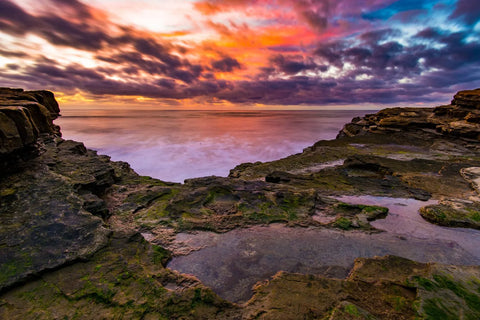
La Jolla Cove is one of Southern California's most practical shore-entry snorkel spots. The city says it is ideal for swimmers and snorkelers, especially in summer when surf is usually smaller. That summer timing tip matters if you are trying to keep things easy.
The same city page says visibility can exceed 30 feet. That is one of the few official visibility numbers in this whole topic, and it gives La Jolla real weight for trip planners. On a good day, that kind of clarity feels like a reward for choosing the right season.
The Channel Islands offer a different world. The park's kelp forests, underwater caves, and cold clear Pacific water make it one of the most distinct snorkel settings in the U.S. It is not a casual pull-off stop, though. Boat logistics and exposed conditions make it better for people who can plan around weather and transport.
Camping is part of the draw. Channel Islands National Park offers year-round camping, which is rare for a top snorkel destination. This pairing helps you choose between easy-access snorkeling at La Jolla and expedition-style snorkeling at the islands, all in one region. For couples, layouts like the vans for couples collection or the DUO XL layout fit this kind of fast-moving coast trip well.
Best snorkeling beaches in Florida and South Florida
Florida earns more than one spot because it blends easy coral access with iconic remote parks. In the continental U.S., it is hard to beat for variety. You can do a simple shore snorkel one day, then a boat-based reef or island park the next.
The biggest reason is the reef itself. The Florida Keys National Marine Sanctuary protects the only living coral barrier reef in the continental United States. That is why Florida shows up on so many best snorkeling beaches lists.
John Pennekamp is the easy-access anchor. Dry Tortugas is the dream add-on. Biscayne sits between them as a South Florida extension with camping options, but more involved access. This is where it helps to separate easy snorkeling from destination snorkeling instead of treating the whole state as one thing.
For van travelers, buffer days help a lot here. Boat schedules and weather can shape your options fast. South Florida works better when you leave room for a missed window instead of trying to force every stop into one tight loop.
John Pennekamp and the Florida Keys: best accessible reef base
John Pennekamp Coral Reef State Park sits in Key Largo, and it is one of the most practical launch points in the Keys. You get both shore and boat-based snorkeling options. That mix is great for families, or for anyone who wants a lower-commitment first day.
Cannon Beach offers a shore-snorkeling option, which is useful if you are not ready to book a boat right away. The park also has camping, and that makes it one of the easiest snorkel-and-stay bases in the Southeast.
The wider sanctuary expands the trip well beyond one park. You can move from shallow reef snorkeling to wreck-oriented outings across the Keys. Because this region is reef-centered, it tends to appeal more to people chasing marine life and coral habitat than wave action or beach lounging alone.
Key Largo is a smart van base because it lets you spread risk. You can do one easy shore session, then add guided reef trips as weather allows. Families who need more sleeping room often look at the Family vans collection or the Family XL layout for this kind of trip.
Dry Tortugas and Biscayne: best remote South Florida add-ons
Dry Tortugas National Park is one of the most memorable snorkel spots in the country. Clear water, marine life, and the setting around Fort Jefferson make it feel special right away. It is also one of the least spontaneous stops on this list.
That remoteness is the whole point, but it comes with work. Transportation and overnight plans need to be set up in advance. Garden Key Campground gives you an overnight option, which turns a snorkel day into a fuller national park stay.
Biscayne National Park offers camping at Boca Chita Key and Elliott Key. That makes it another good South Florida marine stop, but it is still best framed as an expedition-style extension, not a replacement for easy-access Keys snorkeling.
If someone asks us for one simple Florida snorkel stop, we would not start with Dry Tortugas. We'd start with Key Largo. Remote marine parks can be amazing, but they are rarely the best first answer for someone searching snorkeling near me and hoping for a smooth beach day.
Best places for snorkeling in the U.S. Caribbean
The U.S. Virgin Islands deserve their own section because they combine warm reef water with unusually clear official guidance. That helps a lot when you are still in decision mode. You are not just picking an island. You are picking a beach that fits your skill.
Virgin Islands National Park is especially useful because NPS separates beginner beaches from more involved sites. Trunk Bay and Francis Bay are the top beginner entries. Lameshur is better for more confident snorkelers because of access and conditions.
Buck Island Reef National Monument is another elite Caribbean option. It is famous for its underwater trail, but it comes with tighter logistics and no overnight camping on the island. That makes it better as a day-trip add-on than a basecamp.
This whole region is a nice counterpoint to California. You get warm-water reef snorkeling without the cold-water demands of kelp forests. For vanlife readers, this is the point where a road trip can shift into a ferry leg or a fly-and-stay stretch, and that is fine. The planning mindset still carries over.
Virgin Islands National Park: best all-around skill range
NPS calls Trunk Bay's snorkel trail a great place for beginners. That is one of the clearest beginner endorsements in the whole U.S. system. If you want an easy answer for a first Caribbean snorkel day, Trunk Bay is hard to beat.
Francis Bay is another strong beginner pick because it is often calm and shallow. Lameshur is more involved, with rougher access and conditions that make it a weaker fit for casual first timers. That spread of options is what makes St. John so useful. You can choose among several beaches without locking yourself into one all-or-nothing site.
Cinnamon Bay matters for overnight planning because it sits within the park area and helps connect snorkeling with nearby stays. For a couple or family with mixed skill levels, this is one of the easiest places to build a trip where beginners and stronger swimmers both get a good day in the water.
That flexibility is rare. One beach can be mellow, another can ask more, and you do not need a huge relocation day between them. If you are mapping a bigger van trip before or after an island leg, the DIY blog has useful ideas for compact storage and trip prep.
Buck Island Reef: best underwater-trail experience
Buck Island Reef National Monument is best known for its underwater trail. That gives the snorkel experience a bit more structure than an open beach. For some travelers, that is a huge plus because it makes the reef feel easier to read.
Official materials often frame Buck Island as beginner-friendly, but access still takes more planning than a drive-up beach. It is an offshore protected area, so the logistics are part of the deal. You get a more iconic one-site experience, but less flexibility than St. John.
NPS says overnight camping is not allowed on Buck Island. That one rule matters a lot for trip planning. It means Buck Island works best as a day trip, while St. John gives you more ways to mix beaches and nearby stays.
If you are comparing the two, the real choice is simple. St. John gives you options. Buck Island gives you a single standout experience. Neither is wrong. They just fit different travel styles.
Gear, camping, and van-trip logistics that actually matter
You do not need a giant gear pile for most of these spots. A mask, snorkel, fins, sun protection, and a compact way to carry wet gear are enough for most trips. Warm-water places like Hanauma Bay, the Keys, and the Virgin Islands ask less of your gear than cold-water California kelp snorkeling.
Where you sleep matters almost as much as where you snorkel. Official overnight options exist at John Pennekamp, the Channel Islands, Dry Tortugas, and Biscayne. Official campground info is usually a much better planning tool than assuming you can just sleep in a vehicle near a popular beach.
Early starts pay off again and again on snorkel trips. A self-contained van makes that easy. You can make coffee before dawn, eat a quick breakfast, and be in the water before parking fills or wind picks up. Wet gear management matters too. Durable floors, good venting, and a way to keep salt-soaked stuff away from bedding make multi-day coastal travel much easier.
For readers planning a broader coast trip, a ready-to-drive camper van can connect more than one region in the same season. That is where The Vansmith fits naturally. The company is based in Boulder, Colorado, has a 4.8-star Google rating across 75-plus reviews, and builds around real travel use instead of showroom-only ideas.
Where you can stay near the water
John Pennekamp Coral Reef State Park is one of the easiest snorkel-and-stay combinations in the Southeast because camping is on site. Dry Tortugas offers camping at Garden Key Campground, but that only works if you are ready for the park's remote logistics.
Channel Islands National Park offers year-round camping, which is unusual among top snorkel spots. Biscayne adds camping at Boca Chita Key and Elliott Key, giving South Florida travelers another overnight marine option. Buck Island is the exception in this roundup because camping is not allowed on the island.
That split is useful for planning. Some spots work as basecamps. Others work as day trips from somewhere else. When official camping exists, it is almost always a better bet than hunting for ad hoc overnight parking near a busy beach.
A natural Vansmith tie-in for coastal road trips
For couples planning a reef-and-coast route, The Vansmith's Bivy approach and Duo layouts are a practical fit. They make early starts, gear sorting, and multi-stop travel simpler. As of 2026, the Sprinter Duo starts at $115,950 and the Transit Duo starts at $113,950.
| Layout | Platform | Starting price |
|---|---|---|
| Duo | Sprinter | $115,950 |
| Duo | Transit | $113,950 |
| Family | Sprinter | $120,950 |
| Family | Transit | $118,950 |
Families can look at the Family line, priced at $120,950 for the Sprinter Family and $118,950 for the Transit Family as of 2026. Ready-built Bivy vans take about 8 to 10 weeks, and tailored builds about 12 to 16 weeks, which matters if you are aiming for a seasonal coast trip instead of leaving next weekend.
A lifetime cabinet warranty is worth noting here for one concrete reason: salt, sand, and constant loading are hard on interiors. If you want to talk through layouts, storage, or service work before a trip, you can contact The Vansmith. If you want more headroom without a high roof, look at the company's pop-tops.
FAQ
What are the best places to snorkel in the U.S. for beginners?
Some of the strongest beginner picks are Hanauma Bay on Oʻahu, Trunk Bay and Francis Bay in Virgin Islands National Park, and John Pennekamp Coral Reef State Park in the Florida Keys. Hanauma Bay is known for better visibility early in the day. NPS calls Trunk Bay's snorkel trail a great place for beginners, and Francis Bay is often calm and shallow. John Pennekamp works well because it combines visitor amenities with both shore and boat options.
Which U.S. snorkeling spots have the clearest water?
Official sources do not give one national winner for water clarity, but a few spots stand out. La Jolla Cove can exceed 30 feet of visibility according to the City of San Diego. Hawaii's guidance for Hanauma Bay says visibility is usually best early in the day and often at lower tide. In practice, the clearest day often comes from matching the right site to the right timing.
Are there good snorkeling spots in the USA where you can camp nearby?
Yes. John Pennekamp offers camping on site, Channel Islands National Park offers year-round camping, Dry Tortugas has Garden Key Campground, and Biscayne has camping at Boca Chita Key and Elliott Key. Buck Island is the main exception in this roundup because overnight camping is not allowed on the island. If camping is part of your plan, official park pages are the safest place to confirm details.
Is the Florida Keys the best snorkeling region in the continental U.S.?
For coral reef snorkeling, it has the strongest official claim. The Florida Keys National Marine Sanctuary protects the only living coral barrier reef in the continental United States. It is also one of the most flexible regions because you can start easy at John Pennekamp, then add more remote outings like Dry Tortugas if the trip allows.
What gear do you need for a snorkeling road trip?
For most U.S. snorkel stops, a compact kit is enough: a well-fitting mask, snorkel, fins, sun protection, and a way to rinse and dry wet gear between sessions. Cold-water California spots need more thermal planning than warm-water places like Hawaii, the Keys, or the Virgin Islands.
About the author

Carin Smit
President
Carin is President of The Vansmith. She writes on a range of topics tied to the business, from vans and builds to the broader vanlife world.
Read more about Carin