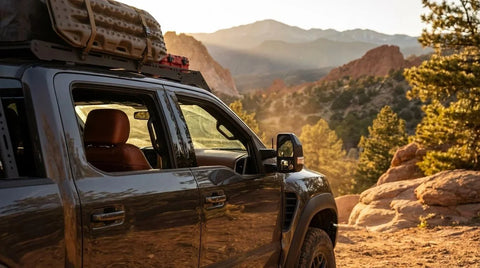
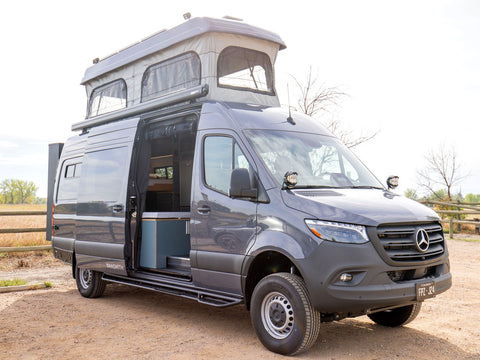
One of the biggest advantages of a 4x4 Mercedes-Benz Sprinter is its ability to access remote destinations that many RVs simply can't reach. From Colorado mountain passes to alpine boondocking locations and high-elevation backcountry campsites, Sprinter-based adventure vans are built for exploration.
However, if your travels regularly take you above 10,000 feet, you may notice your van behaves differently than it does at sea level.
Even though modern Sprinter diesel engines use turbochargers to compensate for thinner air, altitude still impacts performance, fuel economy, cooling systems, emissions equipment, and overall drivability.
Whether you're considering a 4x4 RV for sale or planning a high-elevation adventure in an existing van, understanding how altitude affects your vehicle can help you travel more confidently and avoid unnecessary mechanical stress.
In this guide, we'll explain exactly what happens to a Sprinter 4x4 above 10,000 feet and how to maximize reliability when exploring mountain environments.
Why High Altitude Affects Your Sprinter
As elevation increases, air density decreases.
At approximately 10,000 feet above sea level, the atmosphere contains roughly 30% less oxygen than it does at sea level.
Because diesel combustion relies on oxygen, less available air means the engine must work harder to produce power.
Modern Sprinter diesel engines use turbochargers to compress incoming air and compensate for altitude, but even advanced turbo systems have limits.
As altitude increases, several changes occur:
-
Reduced engine power
-
Increased turbocharger workload
-
Higher engine temperatures
-
Reduced climbing performance
-
Additional strain on emissions systems
The higher you climb, the more noticeable these effects become.
How Much Power Does a Sprinter Lose at High Altitude?
Compared to naturally aspirated engines, turbocharged diesel engines perform remarkably well at elevation.
However, they don't eliminate power loss entirely.
Estimated Performance Loss
|
Elevation |
Approximate Power Loss |
|
Sea Level |
0% |
|
5,000 ft |
7–8% |
|
10,000 ft |
15% |
|
12,000 ft |
18% |
For example, a diesel engine producing 188 horsepower at sea level may effectively deliver approximately:
-
174 horsepower at 5,000 feet
-
160 horsepower at 10,000 feet
-
154 horsepower at 12,000 feet
While the van remains fully capable, acceleration and climbing performance become noticeably softer.
For owners of fully equipped luxury camper vans for sale carrying substantial weight, these changes are often more noticeable than in an empty cargo van.
Why Turbochargers Work Harder at Altitude
The turbocharger is one of the primary reasons Sprinter diesel engines perform so well in mountainous environments.
As air becomes thinner, the turbo spins faster to maintain boost pressure and supply sufficient oxygen to the engine.
However, above certain elevations, the engine management system begins protecting critical components.
The vehicle's computer may:
-
Reduce boost pressure
-
Adjust fuel delivery
-
Limit engine output
-
Manage exhaust temperatures
These safeguards help prevent:
-
Turbocharger overspeed
-
Excessive exhaust temperatures
-
Engine overheating
-
Long-term component damage
Although performance decreases, these protections improve overall reliability.
What Mountain Driving Feels Like Above 10,000 Feet
Many drivers first notice altitude-related performance changes while climbing steep mountain grades.
Common observations include:
Slower Acceleration
Passing maneuvers require more planning.
Acceleration feels softer, particularly when carrying passengers, water, and camping gear.
More Frequent Downshifts
The transmission often selects lower gears to maintain engine efficiency and climbing performance.
Reduced Climbing Speeds
On sustained mountain grades, speed may naturally decrease.
For example, heavily loaded camper vans may climb long 6–7% grades at reduced highway speeds while maintaining safe engine operating temperatures.
Increased Driver Awareness
Mountain driving requires greater attention to:
-
Engine RPM
-
Cooling system temperatures
-
Transmission behavior
-
Traffic conditions
These changes are normal and expected.
Why Camper Van Weight Matters Even More at Elevation
Altitude affects every vehicle.
However, weight amplifies the effect.
A lightly loaded cargo van has significantly more performance reserve available than a fully equipped adventure vehicle.
Many Sprinter van conversions include:
-
Solar systems
-
Water tanks
-
Batteries
-
Roof racks
-
Outdoor gear
-
Recovery equipment
Together, these additions can add thousands of pounds.
The heavier the build, the harder the engine must work when climbing mountain roads.
This is one reason why careful payload planning remains essential for high-altitude travel.
How Altitude Affects Engine Temperatures
One of the most important factors to monitor above 10,000 feet is heat.
At elevation:
-
The engine works harder
-
The turbocharger spins faster
-
Long climbs require sustained power
This can increase:
Coolant Temperatures
Steep grades place additional demands on the cooling system.
Oil Temperatures
Engine oil helps cool internal engine components and turbocharger bearings.
Transmission Temperatures
Long mountain climbs can significantly increase transmission heat.
For travelers who frequently explore mountainous terrain, upgrades such as Sprinter and Transit suspension upgrades and properly maintained cooling systems can improve overall confidence and capability.
The Importance of Proper Turbocharger Cool-Down
After a long mountain climb, the turbocharger can be operating at extremely high temperatures.
Shutting the engine off immediately after heavy use can reduce oil circulation while components remain hot.
Best practice:
Let the Engine Idle Briefly Before Shutdown
Allowing the engine to idle for a minute or two helps:
-
Reduce turbo temperatures
-
Maintain oil flow
-
Protect turbocharger bearings
-
Improve long-term reliability
This simple habit becomes especially valuable during high-elevation travel.
High Altitude and Diesel Particulate Filter (DPF) Performance
Modern Sprinter diesel engines rely on sophisticated emissions systems.
One of the most important components is the Diesel Particulate Filter (DPF).
The DPF captures soot particles produced during combustion and periodically cleans itself through a regeneration process.
At altitude:
-
Combustion characteristics change
-
Additional soot may be produced
-
DPF loading can increase
Mountain driving itself often helps support regeneration because engines operate under sustained load.
However, repeated short trips at high elevation can make regeneration less efficient.
To support healthy DPF operation:
-
Avoid excessive idling
-
Drive at highway speeds periodically
-
Allow regeneration cycles to complete
How High Altitude Affects Diesel Heaters
Many camper vans use diesel-fired heating systems for winter camping.
These heaters draw fuel directly from the vehicle's diesel tank.
At elevations above 9,000–10,000 feet:
-
Oxygen levels decrease
-
Combustion efficiency changes
-
Carbon buildup can increase
Some modern systems automatically compensate for altitude.
If your van relies on a diesel heating system, regular maintenance becomes especially important.
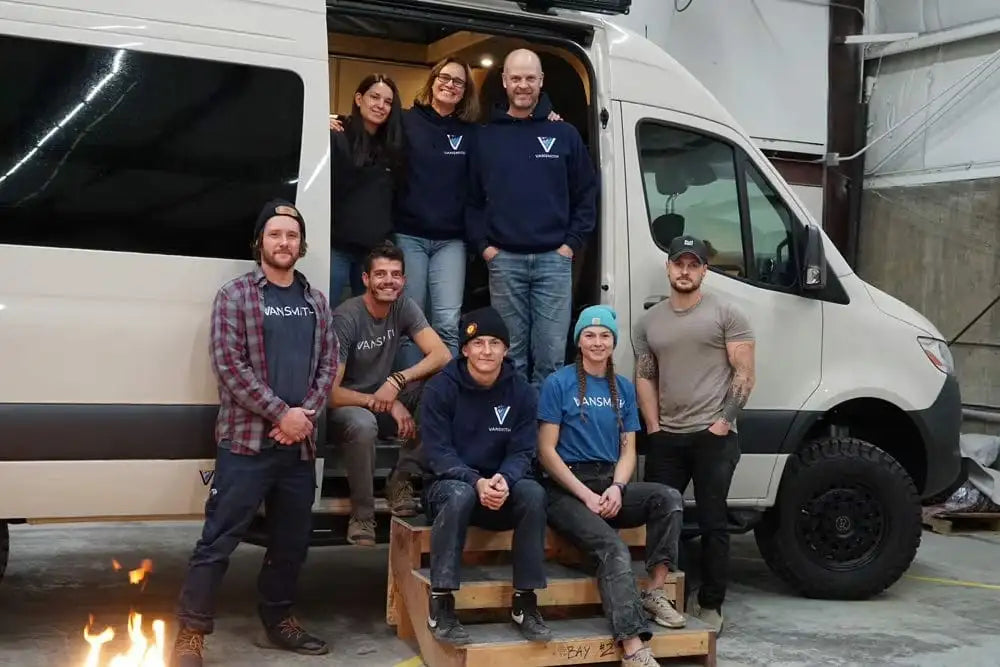
The team at The Vansmith provides professional camper van heater installations and service solutions to help ensure reliable cold-weather performance.
Best Driving Practices Above 10,000 Feet
If you frequently travel through mountain regions, several simple habits can improve performance and reliability.
Maintain Momentum
Avoid unnecessary stops on steep grades whenever possible.
Starting from a standstill requires significantly more power.
Use Lower Gears
Don't hesitate to manually select lower gears on long climbs.
Higher RPM operation often provides:
-
Better power delivery
-
Improved cooling
-
More efficient turbocharger performance
Monitor Vehicle Weight
Every pound matters at elevation.
Carefully planned layouts, lightweight materials, and efficient systems can significantly improve drivability.
Features such as sliding van bed systems and smart storage designs help maximize functionality without excessive weight.
Keep Air Filters Clean
The engine already works harder at altitude.
A restricted air filter further reduces airflow and performance.
Routine maintenance is essential.
Preparing Your Camper Van for Mountain Travel
Before tackling high-altitude destinations, ensure your van is properly prepared.
Key systems to inspect include:
Cooling System
Verify coolant condition and proper operation.
Turbocharger System
Check for leaks, unusual noises, or performance issues.
Emissions Equipment
Ensure the DPF and related systems are functioning correctly.
Diesel Heater
If your build includes a heater, consider professional camper van heater service and repair before extended winter travel.
Electrical Systems
Mountain camping often involves extended off-grid stays, making reliable solar installation systems especially valuable.
Is a Sprinter Still a Good Choice for High Altitude Travel?
Absolutely.
Modern turbocharged Sprinter diesel engines remain among the best camper van platforms for mountain travel.
While performance naturally decreases at elevation, the turbocharger allows the engine to retain significantly more power than naturally aspirated alternatives.
For most travelers, the changes are manageable and predictable.
You'll experience:
✔ Reduced but usable power
✔ Strong mountain-climbing capability
✔ Excellent fuel efficiency
✔ Reliable operation at elevation
✔ Better high-altitude performance than many non-turbocharged vehicles
Final Thoughts
Above 10,000 feet, every vehicle experiences the effects of thinner air. Even a modern Sprinter 4x4 will lose some power, work its turbocharger harder, and generate more heat during long mountain climbs.
Fortunately, these vehicles are engineered specifically to handle challenging conditions. By understanding how altitude affects performance and adopting smart driving habits, you can confidently explore high-elevation destinations throughout the Rockies, Sierra Nevada, Cascades, and beyond.
At The Vansmith, every adventure van is designed for real-world travel. Whether you're searching for a camper van for sale, exploring a camper van for sale in Colorado, or building a fully customized off-grid vehicle, understanding high-altitude performance helps ensure your next adventure is as enjoyable as the destination itself.
About the author

Eugene Smit
CEO
Eugene is the CEO of The Vansmith, based in Boulder, Colorado. He writes across topics related to van builds, ownership, and the camper van industry.
Read more about Eugene