If you're planning a camper van conversion, overland adventure vehicle, or mobile workspace on a 4x4 or AWD Mercedes-Benz Sprinter, one number matters more than cargo volume, wheelbase, or roof height:
Payload capacity.
Many first-time builders focus on floor plans, solar systems, water tanks, and cabinetry. However, every component added to a van reduces the vehicle's available payload. It's surprisingly easy to build a beautiful camper van that exceeds its weight rating long before you load passengers, food, clothing, bikes, or outdoor gear.
Whether you're considering a custom build or browsing a Sprinter camper van for sale, understanding payload, GVWR, and build weight is essential for creating a safe, capable, and reliable adventure vehicle.
In this guide, we'll break down how much weight you can realistically build into a 4x4 Sprinter and how to avoid one of the most common mistakes in camper van design.
Why Payload Matters More Than Most Van Owners Realize
The most important limitation of any camper van isn't interior space—it's how much weight the chassis can safely carry.
Every van has a manufacturer-specified weight limit known as the Gross Vehicle Weight Rating (GVWR).
Your completed vehicle must stay below this number when fully loaded with:
-
The camper conversion
-
Passengers
-
Water
-
Fuel
-
Food
-
Clothing
-
Camping gear
-
Bikes and outdoor equipment
Exceeding the vehicle's GVWR can negatively impact:
-
Braking performance
-
Suspension longevity
-
Tire life
-
Steering response
-
Fuel economy
-
Overall safety
For adventure travelers exploring remote destinations, staying within weight limits becomes even more important.
Understanding GVWR, Curb Weight, and Payload
Before calculating your build weight, it's important to understand three key terms.
GVWR (Gross Vehicle Weight Rating)
GVWR is the maximum legal weight of the vehicle when fully loaded.
This includes:
-
The van itself
-
Conversion materials
-
Passengers
-
Fuel
-
Water
-
Gear
Curb Weight
Curb weight is the weight of the empty van from the factory with fuel and fluids.
Payload Capacity
Payload is the difference between GVWR and curb weight.
Formula:
GVWR – Curb Weight = Available Payload
This payload number represents your total weight budget.
Everything you add must fit within it.
Why AWD and 4x4 Sprinters Have Less Payload
One of the biggest misconceptions among new builders is assuming all Sprinters offer the same payload capacity.
They don't.
The AWD and 4x4 systems add substantial weight to the vehicle through:
-
Front differential components
-
Transfer case hardware
-
Heavier driveline components
-
Reinforced suspension systems
These systems typically add approximately 200–350 pounds to the van's curb weight.
Because GVWR generally remains the same, every pound added to the drivetrain reduces available payload.
Typical Payload Comparison
|
Configuration |
Approximate Payload |
|
2500 High Roof RWD |
2,250–3,300 lbs |
|
2500 High Roof AWD/4x4 |
2,050–3,300 lbs |
Actual numbers vary depending on:
-
Model year
-
Wheelbase
-
Roof height
-
Factory options
-
Cargo or passenger configuration
Always verify the exact payload sticker located on the driver's door jamb.
Sprinter 2500 vs. Sprinter 3500: Which Is Better for Camper Van Builds?
Sprinter 2500 AWD/4x4
The 2500 platform is the most common foundation for camper van conversions.
Typical specifications:
|
Specification |
Typical Range |
|
GVWR |
8,550–9,050 lbs |
|
Payload |
2,000–4,400 lbs |
The 2500 works exceptionally well for:
-
Weekend travelers
-
Couples
-
Lightweight builds
-
Moderate off-grid systems
Many owners exploring camper vans for couples choose the 2500 because it balances capability and efficiency.
Sprinter 3500 AWD/4x4
For heavier builds, the 3500 offers significantly more capacity.
Typical specifications:
|
Specification |
Typical Range |
|
GVWR |
Up to 11,030 lbs |
|
Payload |
5,000–6,500+ lbs |
The 3500 is often better suited for:
-
Full-time van life
-
Family travel
-
Large water systems
-
Heavy off-grid electrical systems
-
Extensive storage
-
Expedition builds
For customers considering a fully featured 4x4 RV for sale, the additional payload can be a major advantage.
A Realistic Camper Van Weight Budget
Many first-time builders underestimate how quickly weight accumulates.
The challenge isn't usually one heavy component.
It's dozens of smaller systems that add up.
Typical Camper Van Component Weights
|
Component |
Approximate Weight |
|
Insulation & Wall Panels |
100–250 lbs |
|
Cabinetry |
200–600 lbs |
|
Bed Platform |
75–250 lbs |
|
Electrical System |
150–600 lbs |
|
Water System (empty) |
50–150 lbs |
|
40 Gallons of Water |
334 lbs |
|
Refrigerator |
50–100 lbs |
|
Roof Rack & Solar |
100–250 lbs |
|
Recovery Gear |
150–400 lbs |
A comfortable camper conversion typically weighs:
Lightweight Build
1,200–1,800 lbs
Standard Camper Build
1,800–2,500 lbs
Luxury Camper Build
2,500–3,500 lbs
Where Weight Hides in a Camper Van Build
Many owners focus on large items like beds and cabinets.
However, some of the heaviest systems are often overlooked.
Water Systems
Water weighs approximately 8.34 pounds per gallon.
A 40-gallon fresh water tank adds:
334 pounds
before you even include plumbing or water heaters.
For owners interested in van conversions with showers, water weight becomes a major planning factor.
Electrical Systems
Modern adventure vans frequently include:
-
Lithium batteries
-
Inverters
-
Solar controllers
-
Wiring
-
Shore power systems
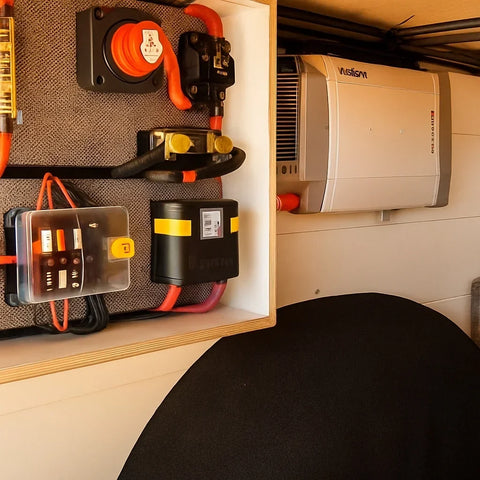
Large off-grid setups can easily add several hundred pounds.
This is especially true for vans equipped with advanced solar installation systems designed for extended off-grid travel.
Off-Road Accessories
Adventure-focused upgrades can significantly increase weight.
Examples include:
-
Steel bumpers
-
Winches
-
Skid plates
-
Roof racks
-
Tire carriers
-
Recovery gear
These modifications improve capability but consume valuable payload.
Real-World Example: How Quickly Payload Disappears
Let's consider a 170-inch AWD Sprinter with approximately 2,300 pounds of available payload.
Added Weight
-
Camper conversion: 1,800 lbs
-
Water: 334 lbs
-
Two adults: 350 lbs
-
Food, gear, clothing, tools: 400 lbs
Total
2,884 pounds
This exceeds the available payload by nearly 600 pounds.
Unfortunately, this scenario is far more common than many people realize.
The Rule Professional Builders Follow
Experienced van builders rarely use every available pound of payload.
Instead, many aim to leave:
500–1,000 Pounds of Remaining Payload
This reserve capacity allows room for:
-
Passengers
-
Water
-
Food
-
Seasonal gear
-
Future upgrades
Benefits include:
-
Better braking
-
Reduced suspension wear
-
Improved ride quality
-
Increased safety
-
Better off-road performance
This philosophy is often incorporated into premium Sprinter van conversions designed for long-term reliability.
How to Build a Lighter Camper Van
If payload is a concern, several design choices can help.
Use Lightweight Materials
Consider:
-
Aluminum framing
-
Composite panels
-
Lightweight cabinetry
-
Modern insulation materials
Minimize Water Capacity
Not every traveler needs 50–60 gallons of water.
Many successful builds operate comfortably with smaller tanks and more frequent refills.
Prioritize Efficient Electrical Systems
Lithium batteries provide more usable power while reducing overall weight compared to traditional battery technologies.
Focus on Multi-Purpose Components
Space-saving features like sliding van bed systems can help reduce overall build complexity and weight.
Payload Planning for Different Travel Styles
Couples & Weekend Travelers
Best suited for:
-
Lightweight builds
-
Smaller water systems
-
Moderate solar setups
Popular options include Class B camper vans and compact adventure-focused layouts.
Families
Additional passengers significantly reduce available payload.
Families often benefit from carefully designed family van conversions that maximize functionality without excessive weight.
Full-Time Van Lifers
Long-term travelers frequently require:
-
Larger battery systems
-
Additional storage
-
Expanded water capacity
Weight management becomes critical in these scenarios.
Beyond Payload: Building a Complete Adventure Vehicle
Weight planning should be part of a larger vehicle strategy.
Many successful builds combine payload-conscious design with upgrades such as:
-
Efficient storage systems
-
Lightweight construction materials
Together, these upgrades create a comfortable, capable, and reliable travel platform.
Final Thoughts
When planning a 4x4 Sprinter build, payload should be one of the first numbers you evaluate—not the last.
While a typical AWD or 4x4 Sprinter can support impressive camper van conversions, it's surprisingly easy to consume 1,500–3,000 pounds of payload before adding passengers, water, and gear.
For lightweight and medium-weight builds, the 2500 platform remains an excellent choice. For heavily equipped expedition vans, full-time living setups, or family-focused layouts, the additional capacity of the 3500 can provide valuable peace of mind.
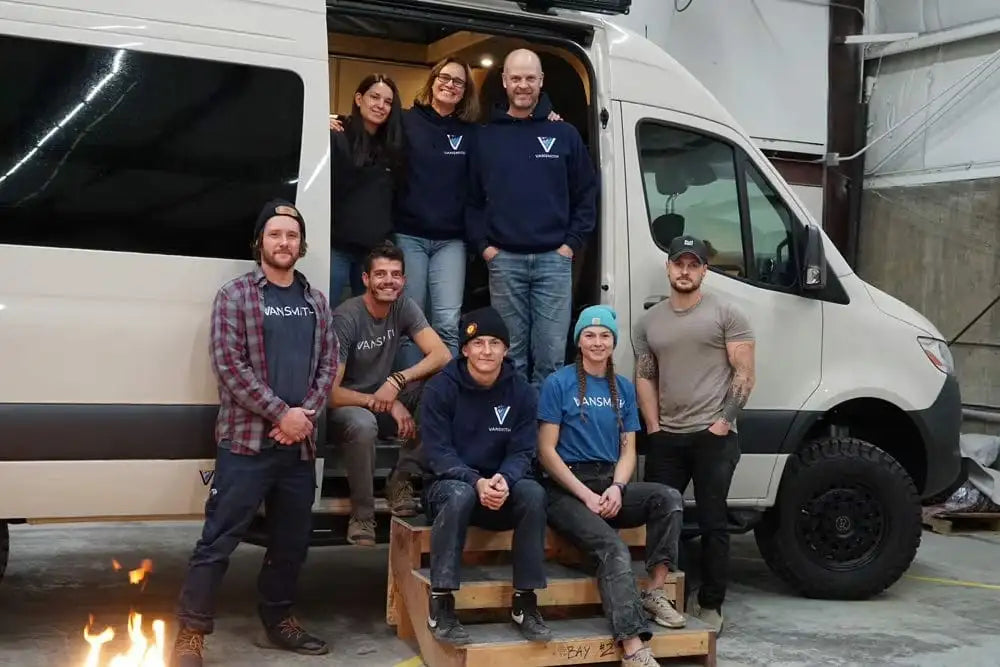
At The Vansmith, every adventure van is designed around real-world travel, comfort, and capability. Whether you're exploring a camper van for sale in the USA, searching for van conversions for sale in Colorado, or designing a fully custom overland vehicle, thoughtful payload planning helps ensure your van remains safe, legal, and ready for every adventure ahead.
About the author

Eugene Smit
CEO
Eugene is the CEO of The Vansmith, based in Boulder, Colorado. He writes across topics related to van builds, ownership, and the camper van industry.
Read more about Eugene