For many camper van owners, the ultimate freedom isn't found in a crowded campground or RV resort—it's found miles down a dirt road on Bureau of Land Management (BLM) land, surrounded by open skies and complete solitude.
Boondocking, also known as dispersed camping, allows travelers to camp for free on designated public lands without hookups or developed facilities. With more than 245 million acres of BLM-managed land across the western United States, there are countless opportunities to experience remote camping with a properly equipped 4x4 camper van.
However, finding the right campsite requires more than simply driving into the desert and hoping for the best. Because camper vans are heavier, longer, and less maneuverable than smaller off-road vehicles, successful boondocking requires careful planning, proper navigation tools, and a solid understanding of BLM regulations.
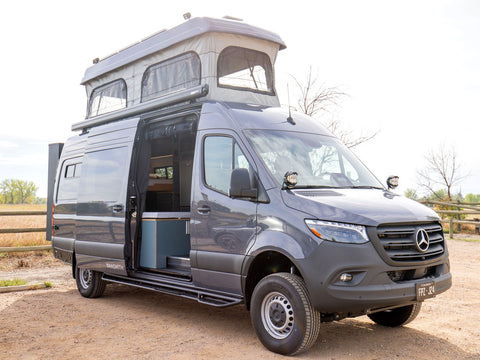
Whether you're traveling in a luxury Class B camper van, a custom Sprinter build, or an adventure-ready Ford Transit, this guide will help you find legal, safe, and scenic dispersed campsites across the American West.
If you're still searching for the perfect adventure vehicle, explore The Vansmith's collection of camper vans for sale designed specifically for off-grid exploration.
What Is BLM Land?
The Bureau of Land Management oversees millions of acres of public land throughout the western United States.
Unlike traditional campgrounds, many BLM areas allow dispersed camping without fees, reservations, or designated campsites.
Why BLM Land Is Popular for Camper Van Travel
BLM land offers:
-
Free camping opportunities
-
Remote locations
-
Incredible scenery
-
Flexible travel plans
-
Access to off-road adventures
-
Minimal crowds
States with the largest concentrations of BLM land include:
-
Arizona
-
Utah
-
Nevada
-
California
-
Colorado
-
Oregon
-
Idaho
-
New Mexico
-
Wyoming
For travelers who value freedom and flexibility, few experiences compare to waking up on public land with no neighbors in sight.
Why 4x4 Camper Vans Are Perfect for Boondocking
Many dispersed campsites are located several miles beyond paved roads.
A properly equipped 4x4 camper van provides several advantages:
Greater Access
Four-wheel drive allows access to remote locations that standard passenger vehicles may struggle to reach.
Increased Self-Sufficiency
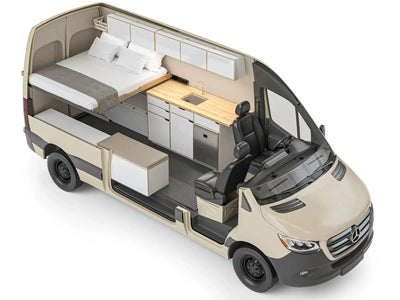
Modern adventure vans often include:
-
Solar power systems
-
Water storage
-
Climate control
-
Indoor kitchens
-
Sleeping accommodations
Many travelers extend their off-grid capabilities with professional solar installations and efficient camper van heater systems for year-round travel.
Comfortable Long-Term Travel
Whether you're exploring for a weekend or spending weeks on public lands, modern luxury camper vans make remote camping significantly more comfortable.
How to Find Free Dispersed Camping on BLM Land
Finding great campsites requires a layered approach.
The most successful boondockers combine mapping tools, satellite imagery, and crowdsourced reviews before leaving home.
Step 1: Verify You're Actually on BLM Land
Before searching for campsites, confirm that the land is publicly accessible.
Best Mapping Apps
OnX Offroad
One of the most popular navigation tools among overlanders.
Features include:
-
Public land overlays
-
Property boundaries
-
Offline maps
-
Trail information
Gaia GPS
A favorite among serious backcountry travelers.
Benefits include:
-
Detailed topographic maps
-
Public land layers
-
Route planning
-
Offline functionality
What You're Looking For
Enable public land overlays and identify:
-
BLM boundaries
-
Secondary roads
-
Forest access routes
-
Existing campsites
The goal is to locate roads that remain entirely within public land.
Step 2: Use Satellite Imagery
Once you've identified promising roads, switch to satellite view.
Look for Signs of Established Camping
Common indicators include:
-
Circular clearings
-
Fire rings
-
Vehicle pullouts
-
Existing tire tracks
-
RVs or trailers
Established sites are usually safer and more likely to comply with BLM regulations.
Step 3: Verify Conditions Using Crowdsourced Apps
Before committing to a campsite, check recent traveler reviews.
iOverlander
One of the most valuable resources for dispersed camping.
Users frequently report:
-
Road conditions
-
Site quality
-
Cell coverage
-
Accessibility
The Dyrt
Useful for locating both developed and dispersed camping opportunities.
Campendium
Provides extensive user reviews and campsite photos.
Pay close attention to comments mentioning:
-
Deep sand
-
Mud
-
Washboard roads
-
Clearance requirements
These details are particularly important for larger camper vans.
The Best BLM Boondocking Destinations for Camper Vans
Moab, Utah
Moab remains one of the most iconic boondocking destinations in America.
Why It's Popular
-
Red rock landscapes
-
Endless off-road routes
-
Public land access
-
Incredible sunsets
Best Areas
-
Willow Springs Road
-
Dalton Wells area
-
Klondike Bluffs region
A 4x4 camper van allows travelers to access quieter areas beyond the crowded roadside campsites.
Owyhee Canyonlands (Oregon & Idaho)
For those seeking true solitude, few destinations compare.
What to Expect
-
Rugged canyons
-
Volcanic landscapes
-
Remote camping
-
Minimal crowds
Important Considerations
Travelers must be completely self-sufficient due to limited services.
This region is ideal for owners of 4x4 RVs and adventure-focused camper vans.
Alabama Hills, California
Located near the Sierra Nevada Mountains, Alabama Hills offers some of the most photogenic dispersed camping in the country.
Highlights
-
Unique rock formations
-
Mountain views
-
Easy access
-
Stunning sunrise photography
Recent management changes require camping within designated sites only, so always review local regulations before arrival.
Nevada's High Desert
Nevada offers some of the most underrated boondocking opportunities in the western United States.
Benefits
-
Vast open spaces
-
Minimal crowds
-
Excellent stargazing
-
Countless dispersed campsites
Travelers can often find complete solitude just a short distance from major highways.
Understanding the 14-Day BLM Camping Rule
One of the most important regulations involves length of stay.
How Long Can You Camp on BLM Land?
Most BLM areas allow:
14 consecutive days within a 28-day period
After reaching the limit, campers must move to a different location.
How Far Must You Move?
In many areas, travelers must relocate approximately 25 miles or more before establishing another campsite.
Always verify local regulations, as specific field offices may have additional requirements.
Essential Rules for Responsible Boondocking
BLM lands remain accessible because visitors follow Leave No Trace principles.
Use Existing Campsites
One of the most important rules:
Never Create New Campsites
Instead:
-
Use existing clearings
-
Camp on durable surfaces
-
Avoid crushing vegetation
-
Stay on established roads
This helps preserve fragile desert and forest ecosystems.
Manage Gray Water Properly
Dumping wastewater directly onto public lands is prohibited in many locations.
Best Practices
Keep gray water tanks closed until reaching:
-
Approved dump stations
-
RV parks
-
Public waste facilities
Travelers planning extended trips often appreciate van conversions with showers that maximize water efficiency.
Pack Out Human Waste
Many high-use recreation areas now require visitors to pack out all human waste.
Popular solutions include:
-
Cassette toilets
-
Composting toilets
-
Waste bags
Always check local regulations before arrival.
Pack Out All Trash
Leave campsites cleaner than you found them.
This simple practice helps maintain public access for future travelers.
Preparing Your Camper Van for BLM Roads
Even well-maintained dirt roads can become challenging.
Proper preparation improves safety and comfort.
Air Down Your Tires
Reducing tire pressure provides several benefits.
Advantages
-
Better traction
-
Improved ride quality
-
Reduced washboard vibration
-
Less sinking in soft sand
Many van owners reduce tire pressures to approximately 20–25 PSI depending on terrain and vehicle weight.
Always carry an air compressor for reinflation.
Secure Interior Items
Washboard roads can quickly turn loose gear into projectiles.
Before leaving pavement:
-
Lock refrigerator doors
-
Secure cabinet latches
-
Store loose equipment
-
Check bed systems
Many travelers prefer durable sliding van bed systems that remain secure during rough travel.
Understand Ground Clearance
Even with four-wheel drive, long-wheelbase vans can become high-centered.
Pay close attention to:
-
Washouts
-
Steep transitions
-
Large rocks
-
Deep ruts
For additional capability, many owners choose professional Sprinter and Transit suspension upgrades before tackling more challenging routes.
Essential Gear for Successful Boondocking
Recovery Equipment
Never leave home without:
-
Traction boards
-
Recovery straps
-
Shovel
-
Tire repair kit
-
Air compressor
Power Systems
Reliable off-grid power is essential.
Many adventure travelers rely on:
-
Solar panels
-
Lithium batteries
-
Inverters
Professional solar installation services can significantly extend off-grid capabilities.
Climate Control
Desert nights and mountain elevations can become surprisingly cold.
A reliable camper van heater allows comfortable travel throughout multiple seasons.
Choosing the Right Camper Van for Off-Grid Travel
Not all camper vans are designed for extended boondocking.
Popular options include:
Each offers unique advantages depending on your travel style and camping goals.
Frequently Asked Questions
Can you camp anywhere on BLM land?
No. While dispersed camping is allowed in many areas, you must follow local regulations, stay on designated roads, and use existing campsites where required.
How long can you stay on BLM land?
Most locations allow camping for up to 14 consecutive days within a 28-day period.
Do you need a permit to boondock on BLM land?
Most dispersed camping areas do not require permits, although some high-use locations have additional regulations.
What is the best app for finding BLM campsites?
Many experienced travelers use a combination of Gaia GPS, OnX Offroad, iOverlander, and satellite imagery.
Is a 4x4 camper van necessary for boondocking?
Not always, but four-wheel drive significantly expands the number of campsites you can safely access.
Final Thoughts
Boondocking on BLM land remains one of the greatest advantages of owning a 4x4 camper van. With millions of acres of public land available throughout the western United States, travelers can experience unmatched freedom, incredible scenery, and remote camping opportunities without campground fees.
Success starts with preparation. Use mapping tools to verify public land boundaries, research road conditions before departure, follow Leave No Trace principles, and ensure your camper van is properly equipped for off-grid travel.
Whether you're exploring Utah's red rock deserts, Oregon's remote canyonlands, or Nevada's expansive high desert, a well-built adventure van provides the freedom to camp far beyond the crowds.
Ready to build your ideal off-grid adventure vehicle? Explore The Vansmith's camper vans for sale in Colorado and discover premium camper vans available across the USA designed for life beyond the pavement.
About the author

Eugene Smit
CEO
Eugene is the CEO of The Vansmith, based in Boulder, Colorado. He writes across topics related to van builds, ownership, and the camper van industry.
Read more about Eugene