Living on the road full-time demands more than weekend comfort. The best camper for full-time living supports daily habits, changing weather, remote work, and long stretches off the grid.
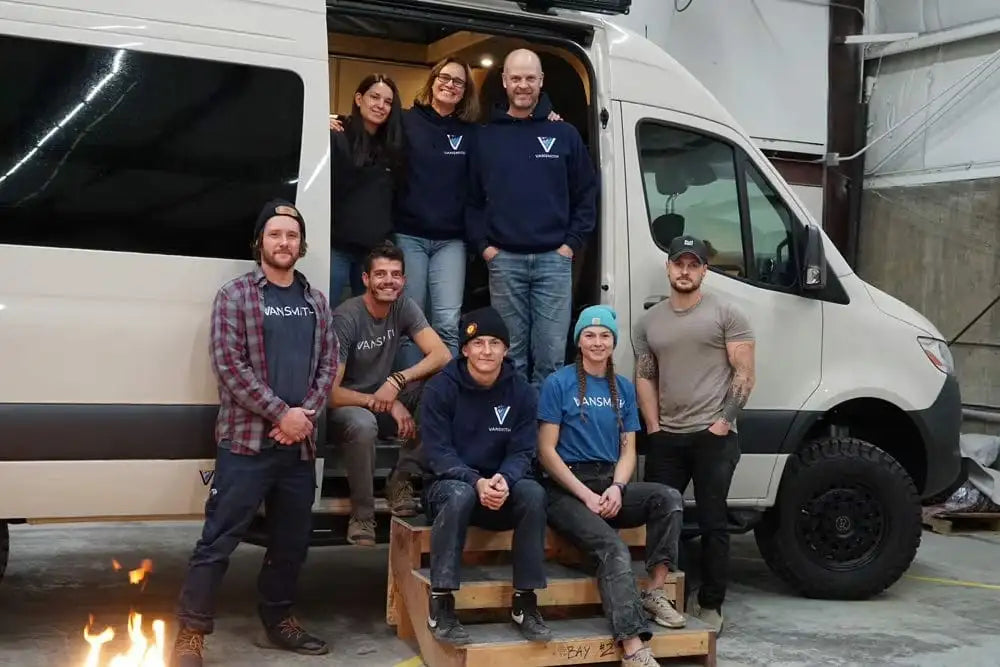
At The Vansmith in Boulder, CO, we have spent years around vans, trailers, and RVs used by real people. What follows is a clear, hands-on breakdown of what works long term.
Why We Build Vans for Full-Time Living (Not Just Talk About Them)
Most guides comparing full-time RV options are written by people who've never built one. We're not neutral, and we won't pretend to be — we build camper vans every day and have for years. What we can offer instead of false neutrality is real, firsthand experience: what breaks down after months of use, what layouts actually get lived in, and what full-time travelers ask for a second time once they're a year into ownership.
A camper van isn't the right fit for everyone. Families needing multiple bedrooms or people who mostly stay parked for months at a time are often better served by a fifth wheel or travel trailer, and we'll say so plainly below. But for the majority of full-time travelers — solo, couples, remote workers, people who move often — a well-built camper van is hard to beat.
Why Full-Time Living Changes the Equation

Choosing a camper for full-time use is not the same as picking a trip rig. Storage matters more. Insulation is key.
Small design choices affect daily comfort. Above all, dependability and thoughtful layouts shape whether life on the road feels lasting or stressful.
Our team lives and plays in the CO outdoors. That view shapes how we judge campers for year-round living.
Top-Rated Brands and Models for Full-Time Use

Fifth Wheels for Residential Comfort
Fifth wheels remain a common option for people who value inside space and space between living zones.
Keystone Montana
Often cited as one of the best campers for full-time living, Keystone MT models offer strong storage, roomy kitchens, and washer and dryer prep. They suit people who stay parked longer and move less often.
Brinkley Z Series
The Brinkley Z Series combines thoughtful interior layouts with modern finishes. Many owners appreciate its cargo capacity and practical storage solutions for everyday living.
Grand Design Solitude and Influence
These models balance daily comfort with solid winter setups. Their layouts support daily habits and long stays.
Alliance RV Avenue
A newer player with smart layouts and strong focus on strength, making them a good fit for long-term use.
Travel Trailers That Support Long-Term Living
Travel trailers offer flexibility and a lower entry point while still supporting full-time life.
Northwood Arctic Fox 27SX
The Arctic Fox has earned a reputation for four-season capability and generous fresh water capacity, making it attractive for longer stays away from developed campgrounds.
Airstream Classic 28RB
The Classic offers premium craftsmanship, timeless aluminum construction, and a refined residential interior for travelers who prioritize comfort.
Highland Ridge Open Range 322RLS
This model provides expansive living space, residential seating, and large storage compartments that work well for extended camper living.
Airstream Flying Cloud
The Flying Cloud balances mobility with comfort, making it a practical choice for couples or solo travelers.
Oliver Elite II
Its fiberglass shell, compact footprint, and excellent durability make the Oliver Elite II popular among travelers who prefer smaller campsites and easier towing.
Oliver Travel Trailers (Legacy Elite II)
Fiberglass build, small size, and strong insulation make Oliver a top pick among simple, full-time travelers.
Living Vehicle HD30
Built for long off-grid stays, this trailer leans hard on energy systems and green design (Renogy).
Best with Good Insulation and Winter Packages
No matter the brand, 4-season ratings and heated tanks matter more than size (RVIA) for year-round living - and if you’re planning cold-weather travel, it’s also smart to follow a complete van winterization checklist to protect your plumbing, batteries, and water system before temperatures drop.
Motorhomes for Integrated Living
Motorhomes combine driving and living spaces, which simplifies travel days.
Class A Motorhomes
Class A motorhomes offer residential comfort while keeping the driving and living areas integrated into one vehicle.
Newmar Dutch Star
The Dutch Star focuses on luxury finishes, comfortable driving, and four-season capability.
Tiffin Allegro Bus
Known for premium interiors and strong owner support, the Allegro Bus remains a respected option for travelers seeking maximum comfort.
Leisure Travel Vans Unity (Class B+)
Compact yet polished, this platform draws couples who want easy travel without giving up the basics.
Small and Unique Options Worth Considering
Some people prefer smaller footprints with smarter layouts. Fiberglass trailers and off-grid rigs often beat larger models in how well they use power and how long they last.
Key Features That Define the Best Camper for Full-Time Living

Insulation and Climate Control
True 4-season ratings, lined walls, and heated tanks decide whether a camper supports winter living. This is key for people chasing mountain seasons.
Off-Grid Power
Solar panels, lithium batteries, and efficient electrical systems make extended off-grid travel much easier. Many travelers now prioritize power independence over campground hookups.
Weight & Towing
Always match your trailer to the tow vehicle's ratings. Stable towing creates a safer and less stressful travel experience.
Atmospheric Water
A few emerging models, including the 2026 Living Vehicle HD30 Pro, introduce atmospheric water generation technology. While innovative, travelers should carefully evaluate cost, maintenance, and practical benefits before relying on these systems.
Space and Layout
Open walkways, set sleeping areas, and smart storage reduce daily friction. Layout matters more than square footage.
Kitchen Functionality
Full-size fridges, usable counter space, and secure storage support daily cooking, which saves money long term.
Durability for Constant Use
Materials, hardware quality, and structural integrity matter more when a camper is lived in daily.
Connectivity for Remote Work
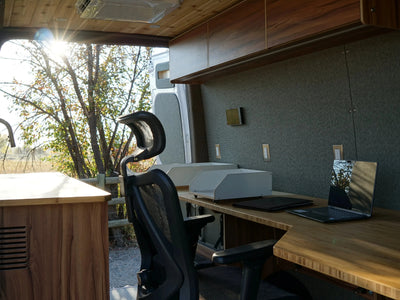
Roof clearance for antennas, interior desk space, and reliable power setups support digital nomads.
Gross Vehicle Weight Rating (GVWR)
GVWR determines how much weight the trailer can safely carry. Staying within this rating improves towing performance and long-term reliability.
Tank Capacity
Larger fresh, gray, and black tanks reduce how often you'll need to refill or dump while traveling.
Ample Storage
Storage quickly becomes one of the most valuable features during camper living. Look for exterior compartments, under-bed storage, pantry space, and overhead cabinets.
Washer/Dryer Prep
Many larger trailers include washer and dryer preparation, making long-term travel much more convenient.
Cargo Carrying Capacity (CCC)
Cargo Carrying Capacity measures how much personal gear can safely be added after accounting for the trailer's empty weight. This becomes increasingly important for people carrying outdoor equipment, tools, bicycles, or seasonal clothing.
Practical Specs That Matter
- True 4-Season Rating
- Washer and Dryer Prep
- Cargo Carrying Capacity (CCC)
-
Fresh, Gray, and Black Tank Sizes
Quick Comparison Table
Type |
Best Model |
Best For |
Price Range (Estimated) |
|
Fifth Wheel |
Keystone Montana |
Long stays, residential comfort |
$70,000 – $85,000 |
|
Travel Trailer |
Airstream Classic |
Durability and resale value |
$45,000 – $60,000 |
|
Fiberglass |
Oliver Legacy Elite II |
Efficiency and insulation |
$70,000 – $100,000 |
|
Off-Grid |
Living Vehicle HD30 |
Extended remote travel |
$35,000 – $80,000 |
Which Camper Fits Your Lifestyle?
The best camper isn't necessarily the biggest or the most expensive. It's the one that supports the way you actually travel.
|
Your Travel Style |
Best Choice |
Typical Starting Price* |
Why It Works Best |
|
Solo traveler |
Camper Van |
From $45,450 (conversion) |
Easy to drive, park, and maintain while offering everything needed for full-time travel. |
|
Couple exploring year-round |
Camper Van |
From $45,450–$55,450 (conversion) |
Excellent balance of mobility, off-grid capability, and everyday comfort. |
|
Family with young children |
Fifth Wheel |
$45,000–$150,000+ |
Multiple sleeping areas, larger kitchens, and more interior living space. |
|
Seasonal camper |
Travel Trailer |
$20,000–$80,000 |
Lower entry cost with comfortable campground living. |
|
Remote worker |
Camper Van |
From $45,450 (conversion) |
Flexible workspace, easier relocation, and efficient day-to-day travel. |
|
Travelers moving every few days |
Camper Van |
From $45,450 (conversion) |
Minimal setup and the ability to quickly reach new destinations. |
|
Travelers staying months in one location |
Fifth Wheel or Travel Trailer |
$20,000–$150,000+ |
Greater residential comfort and more space for extended stays. |
Looking Beyond the Purchase Price
The purchase price is only one part of owning a camper. Long-term ownership costs can vary significantly depending on the type of RV you choose.
|
Feature |
Camper Van |
Travel Trailer |
Fifth Wheel |
Class A/C Motorhome |
|
Starting Cost |
$112,000–$152,000+ (complete vehicle) |
$20,000–$80,000 |
$45,000–$150,000+ |
$100,000–$500,000+ |
|
Daily Setup |
None |
Moderate |
Longest |
Minimal |
|
Mobility |
Excellent. Drive almost anywhere and park easily. |
Requires tow vehicle and setup. |
Requires heavy-duty truck and setup. |
Good, but much larger footprint. |
|
Interior Space |
Best for 1–2 people (up to 5 in Family Series). |
Moderate. |
Largest. |
Spacious residential feel. |
|
Maintenance |
One vehicle to maintain. |
Trailer plus tow vehicle. |
Trailer plus heavy-duty truck. |
One vehicle with more complex systems. |
|
Fuel Efficiency |
Generally better than larger RVs. |
Depends on tow vehicle. |
Lowest overall due to combined weight. |
Lower than most camper vans. |
|
Best For |
Frequent travel, remote work, off-grid camping, and national parks. |
Seasonal camping and basecamp travel. |
Large families and extended stays. |
Travelers wanting maximum indoor comfort. |
|
Not Ideal For |
Large families needing multiple bedrooms. |
Travelers move every day. |
Frequent relocation. |
Urban driving and tight campgrounds. |
Working Remotely From a Camper
Many full-time travelers now use their camper as both a home and an office. A comfortable workspace depends on more than internet access.
When evaluating a layout, think about where you'll place a laptop, how you'll charge multiple devices, whether two people can comfortably share the space during the workday, and how easily equipment can be stored when it's time to travel.
Reliable power systems, practical storage, and flexible seating arrangements often have a greater impact on everyday productivity than additional square footage.
Best Camper Vans: Mobility and Simplicity
While larger RVs work well for stationary living, camper vans shine when flexibility matters.
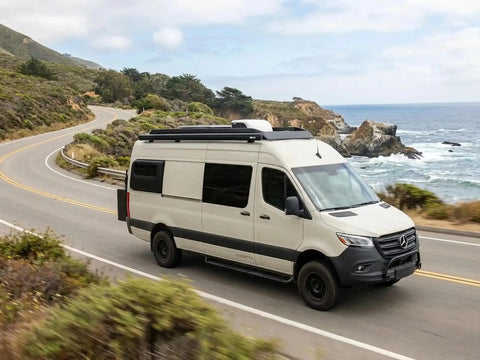
Platforms like Ford Transit and Ram PM offer great road feel, easier parking, and access to urban areas. Many van folks prefer these platforms for daily travel, mountain towns, and mixed-use trips.
At The Vansmith, fresh layouts and top-notch build quality guide every van we prepare. Comfort, strength, and care for detail define the ride, especially for people living on the road year-round.
What a Full-Time-Ready Camper Van Actually Looks Like
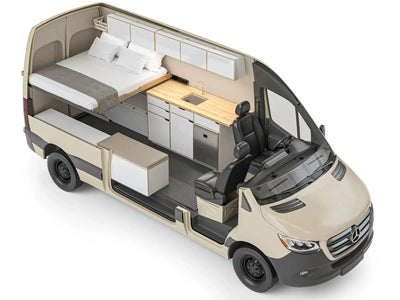
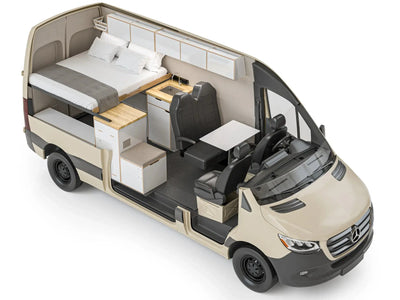
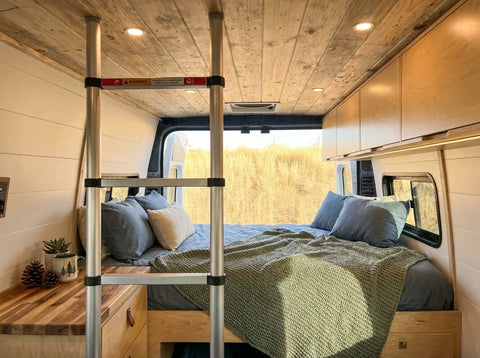
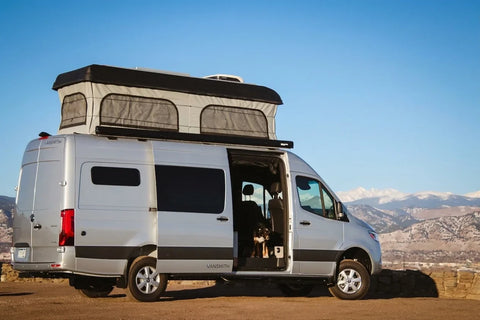
Not every camper van is designed for everyday living. Weekend camping and full-time travel place very different demands on storage, electrical systems, insulation, and overall layout. These are the production models we recommend most often for long-term travel.
DUO
Base platform: Mercedes Sprinter 144 or Ford Transit 148 Starting conversion price: $45,450
Ideal For: Solo travelers and couples who want a compact camper that remains comfortable for everyday driving while providing the essentials for extended travel.
Highlights
-
Fixed VersaBed with expandable sleeping space
-
Full galley kitchen
-
Large rear gear garage
-
2 kWh lithium electrical system with upgrade options
-
Integrated solar, alternator, and shore power charging
-
Four-season insulation package
DUO XL
Base platform: Mercedes Sprinter 170 or Ford Transit Extended Starting conversion price: $55,450
Ideal For: Couples planning months on the road who want additional storage, a larger living area, and greater off-grid capability.
Highlights
-
Extended wheelbase layout
-
Larger rear storage garage
-
Spacious galley
-
2 kWh electrical system with 5 kWh and 10 kWh upgrade options
-
Four-season insulation
-
Designed for extended travel
Family Series
Base platform: Mercedes Sprinter or Ford Transit AWD Starting conversion price: $50,000
Ideal For: Families or travelers who need additional sleeping capacity without moving into a larger RV.
Highlights
-
Seating and sleeping for up to five
-
Modular family-friendly layouts
-
Convertible sleeping areas
-
Large galley
-
Lithium electrical system with solar charging
-
Four-season insulation
See full lineup and current pricing →
Essential Considerations for Camper Living
Long-term RV life involves more than selecting the right floorplan.
Finding Places to Stay
Planning where you'll spend each night becomes part of everyday life.
RV Parks & Campgrounds
Private parks provide reliable hookups, laundry facilities, and predictable amenities.
Public Lands
Public lands often offer beautiful camping opportunities with fewer crowds, although they require greater self-sufficiency.
Membership Programs
Programs such as Thousand Trails, Harvest Hosts, and Passport America can help reduce long-term camping expenses depending on your travel style.
Water and Power Management
Living comfortably in a full-time living RV depends heavily on resource management.
Batteries & Solar
Lithium battery systems paired with rooftop solar reduce generator use and support longer off-grid stays.
Tanks
Monitoring fresh, gray, and black tank levels becomes part of the daily routine.
Water Pressure
Using a quality pressure regulator protects plumbing systems when connecting to unfamiliar campground water supplies.
Maintenance and Weatherization
Routine maintenance prevents expensive repairs later.
Weather Prep
Insulation, heated plumbing components, and proper ventilation become especially important for travelers spending time in colder climates.
Here in Colorado, we've seen how quickly weather conditions can change. Preparing for freezing temperatures before they arrive is always easier than repairing damage afterward.
Roof Maintenance
Regular inspections help identify sealant wear before leaks develop. Even small roof issues can become significant over months of continuous travel.
Work and Connectivity
Many people now combine travel with remote work.
Cellular Hotspots
A dedicated hotspot paired with external antennas often provides the most reliable connection across much of the country.
Satellite Internet
Satellite internet continues improving for travelers spending significant time in remote locations where cellular coverage is limited.
What We've Learned After Building More Than 300 Camper Vans
Every camper looks great when it's brand new. The real test begins after thousands of miles, changing seasons, and everyday use.
After completing more than 300 camper vans, we've noticed a few consistent patterns among people who travel full-time.
The happiest owners usually prioritize practical features over luxury upgrades. They appreciate well-designed storage that keeps everyday items organized, electrical systems that support extended travel without constant worry, and layouts that remain comfortable during long stretches of bad weather.
We've also found that durable cabinetry, quality hardware, and serviceable systems become increasingly important over time. Small design decisions that may seem insignificant during a showroom visit often have the biggest impact after months or years on the road.
Those experiences continue shaping every layout we design because long-term comfort depends on thoughtful engineering as much as attractive interiors.
Choosing What Fits Your Life
The best camper for full-time living depends on how you travel, where you roam, and what comfort means to you. Fifth wheels suit stay-put living. Travel trailers balance flex and value.
Motorhomes offer integrated convenience. Camper vans deliver freedom and simplicity.
No matter which way you go, put insulation, strength, and layouts proven through real travel first.
For many people, the best camper for full-time living is the one that matches how they really move through a day. Before committing to a rig, map out a normal 24 hours. Where will you make coffee? Can one person work while the other cooks?
Is there a place to stretch, do yoga, or store outdoor gear without tripping over it? In our time on the road, people who live full-time and stay happiest long term are the ones who choose layouts that support their real habits, not just what looks good on a dealer lot. That might mean giving up a second couch for a bigger pantry, or choosing a smaller rig with a better desk setup instead of a larger one with wasted space.
Power and water systems also set apart a weekend camper from the best camper for full-time living. Look hard at battery size, solar options, and tank sizes. A serious full-time setup often has at least 200–400 amp hours of lithium power, 300–600 watts of solar, and a way to charge from the engine or shore power.
Fresh, gray, and black tank size decides how often you need to move, especially if you like remote boondocking. As builders, we’ve seen that people who invest early in a solid power system and smart gear (induction cooktops, 12V fridges, diesel heaters) spend far less time worrying about power. They spend far more time actually enjoying the road.
Last, think about how easy it is to service and long-term care. The best camper for full-time living is one you can keep on the road without constant drama. Look for brands with wide service networks, easy-to-find parts, and simple access to plumbing and power runs.
Ask how easy it is to prep for winter, replace a water pump, or upgrade batteries down the line. We’ve watched people who live full-time lose weeks of travel waiting on obscure parts for complex systems. Simple, well-marked systems may not be flashy, but they’re easier to repair in a small-town shop or campground parking lot. That dependability matters more than any showroom feature once you’re living in your camper year-round. Explore our luxury camper vans for sale, built with practical systems designed for long-term vanlife, off-grid travel, and easier maintenance on the road.
Ready to find the best camper for full-time living that really fits your life? Reach out to our team to talk through layouts, systems, and build options when you contact us.
Questions to Ask Before Choosing a Full-Time Camper
Before comparing floor plans, spend a few minutes thinking about how you'll actually use your camper.
-
How often will you move between destinations?
-
Will you spend more time in campgrounds or off-grid?
-
Do you need a dedicated workspace?
-
How important is easy parking in towns and cities?
-
Will you regularly travel through mountain roads or national parks?
-
How much outdoor equipment will you carry?
-
Do you expect to travel in winter conditions?
-
Will one or multiple people live in the camper full-time?
Answering these questions honestly often narrows the options more effectively than comparing specifications alone.
Frequently Asked Questions
What is the best camper for full-time living?
The best camper for full-time living depends on how you travel. Fifth wheels like Keystone MT offer space for long stays, while camper vans provide easy movement and a simple setup for frequent travel.
Are fifth wheels good for full-time living?
Yes. Fifth wheels are common for full-time living because they offer home-style layouts, larger kitchens, and better storage than most travel trailers.
Is a travel trailer or camper van better for full-time living?
Travel trailers work well for those who stay in one place longer. Camper vans are better for people who move often, drive into towns, and want easier parking and lower daily setup.
What features matter most in a full-time living camper?
Insulation, 4-season ratings, tough parts, steady power systems, and useful layouts are the key things for full-time living.
Is a camper van practical for working remotely?
For many people, yes. A well-designed camper van with reliable electrical power, organized storage, and a functional workspace can comfortably support remote work while providing the flexibility to change locations whenever needed.
Is it cheaper to live in a camper van than rent an apartment?
It depends on your travel style, financing, campground fees, fuel costs, and maintenance. While many travelers reduce housing expenses by living in a camper van, ongoing ownership costs should always be considered when comparing long-term affordability.
Can a camper van handle winter living?
A camper van built with four-season insulation, dependable heating, and thoughtfully designed plumbing can be used throughout the winter in many climates. Preparing for freezing temperatures and understanding your electrical and water systems remain important parts of year-round travel.
What is the biggest mistake people make when buying a full-time camper?
One of the most common mistakes is choosing a camper based on appearance or size instead of everyday lifestyle. A layout that supports your daily routine, storage needs, and travel habits usually provides a better long-term experience than simply buying the largest camper available.
How do I know whether I need a camper van or a travel trailer?
If you expect to move frequently, visit national parks, drive through cities, or value quick setup, a camper van is often the better choice. If your plans involve staying in one campground for extended periods and maximizing interior living space, a travel trailer or fifth wheel may be a better fit.