If you're searching for RV tips and tricks, you're probably asking the same questions we hear from first-time owners every week. How do you make your first trip less stressful? What habits help you avoid common mistakes? After more than a decade working with adventure vans across Colorado, we've found that simple routines often matter more than expensive gear.
Whether you're planning weekend escapes or longer road trips, the right preparation helps you travel with confidence and spend more time enjoying the journey.
Why RV Tips and Tricks Matter Before Your First Trip
Many beginners focus on buying accessories before learning the habits that make everyday travel easier. From our experience supporting van owners through every season, a consistent routine prevents far more problems than adding another piece of equipment.
The best RV tips and tricks focus on three goals:
- Travel safely
- Protect your vehicle
- Make every campsite setup simple and predictable
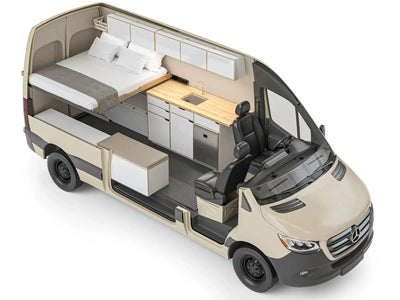
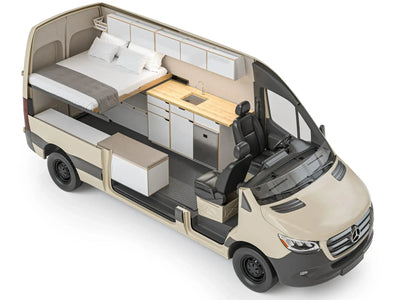
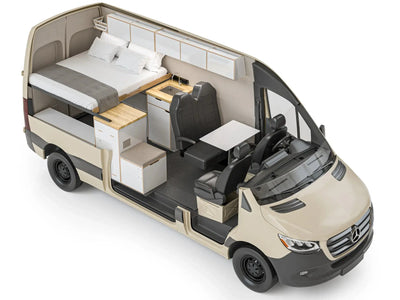
If you're still comparing layouts, browsing our Camper Vans for Sale collection can help you understand how different floorplans support different travel styles, whether you're traveling solo, as a couple, or with family.
RV Tips and Tricks for Driving and Setup
Know Your Rig's Dimensions
Before every trip, know the numbers that matter:
- Overall height
- Total length
- Vehicle width
- Gross weight
- Fresh water capacity
- Fuel range
One question we hear often is how to avoid low bridges or tight parking lots. Keeping these measurements on a note near the driver's seat removes guesswork and makes route planning much easier.
If you're looking for an easy-to-drive platform, our Class B Camper Van collection offers layouts designed for comfortable travel without the size of a traditional motorhome.
Never Rush Travel Days
One of the biggest lessons we've learned from years of exploring Colorado is that shorter driving days almost always lead to better trips.
We usually recommend:
- 250 to 400 miles for relaxed travel
- Up to 500 miles only when necessary
- A break every two hours
Leaving extra time lets you enjoy scenic stops, stretch your legs, and arrive with enough energy to explore your destination.
Arrive Before Dark
Finding a campsite during daylight makes every part of setup easier.
You'll have time to:
- Check for low branches
- Inspect uneven ground
- Locate hookups
- Choose the best parking angle
A few extra daylight hours often prevent the small mistakes that create unnecessary stress after sunset.
Practice No-Stress Backing Up
Backing into a campsite becomes much easier with practice.
Before your first trip, spend time in an empty parking lot learning how your van responds while reversing. Move slowly, rely on your mirrors, and make small steering adjustments instead of quick corrections.
Even after years on the road, we still practice whenever we're driving a different layout. Familiarity builds confidence, especially when campsites are narrow or surrounded by trees.
Do the Dual Walk-Around
Before leaving any campsite, take two slow walks around your vehicle.
The first walk confirms that hoses, power cords, leveling equipment, and storage compartments are packed away.
The second walk catches the details that are easy to miss, such as open roof vents, forgotten camp chairs, loose bikes, or an unlocked storage door.
It takes less than two minutes and has saved many travelers from avoidable problems.
Maintenance and Utility Habits That Save Time
Flush Fresh Water Lines
If your van has been sitting for a while, let fresh water run through the lines before your trip.
Check the water for any discoloration and confirm the pressure is normal before connecting your drinking water hose. This simple habit helps maintain cleaner water throughout your travels.
Empty Waste Tanks the Right Way
Many first-time owners leave the black tank valve open while camping.
Instead, keep it closed until it's time to empty the tank. This allows waste to break down properly and helps reduce buildup inside the system.
When dumping:
- Empty the black tank first.
- Empty the gray tank second.
- Add a few gallons of fresh water before your next trip.
Following the same routine each time keeps maintenance straightforward.
Keep Bugs Out
Colorado summers have taught us that insects can find even the smallest opening.
A few simple habits make a noticeable difference:
- Keep screens closed whenever doors are open.
- Wipe food spills soon after cooking.
- Empty trash regularly.
- Check door seals before every trip.
These small routines help create a more comfortable living space without extra effort.
Stay Ahead of Tire Maintenance
Your tires deserve attention before every departure.
Check:
- Tire pressure
- Tread depth
- Sidewall condition
- Valve stems
Proper tire maintenance improves handling, supports fuel efficiency, and reduces the chance of unexpected roadside delays. It's one of the easiest inspections you can perform before heading into the mountains.
If you're planning longer adventures, our Ford Transit Camper Van for Sale and Sprinter Camper Van for Sale collections showcase platforms designed for dependable travel across changing terrain.
Smart Storage Tips for Small Spaces
Living comfortably inside a van depends more on organization than square footage. Over the years, we've found that thoughtful storage habits make everyday travel much easier.
Use Vertical Space
Walls and cabinet doors provide valuable storage.
Consider adding:
- Hanging organizers
- Wall hooks
- Magnetic racks
- Overhead storage pockets
Keeping everyday items within reach reduces clutter and makes your interior feel more open.
Protect Fragile Items
Kitchen items shift more than many first-time owners expect.
Wrap dishes with microfiber towels or reusable liners, and place silicone mats between stacked cookware. These simple additions reduce rattling and help prevent chips during long drives.
Secure the Refrigerator Before Driving
Before every departure, confirm that the refrigerator door is fully latched.
A loose fridge door can open during sharp turns, leaving food and drinks scattered across the floor. It only takes a quick check before pulling away and quickly becomes part of a reliable departure routine.
Choose Collapsible Items
Collapsible bowls, buckets, dish racks, and food containers save valuable cabinet space.
When they're not in use, they fold flat and keep storage areas organized. Small space-saving choices like these become more valuable the longer you travel.
Campsite Setup Made Simple
A smooth arrival sets the tone for your entire stay. Over the years, we've found that taking a few extra minutes before settling in saves time later and helps prevent small problems from becoming frustrating ones.
Walk the Campsite First
Before parking, take a slow walk around your campsite.
Look for:
- Low tree branches
- Large rocks
- Uneven ground
- Water and power hookups
- Fire ring placement
Planning your position before parking makes setup easier and helps you avoid repositioning the van later.
Level Before Setting Up
A level vehicle improves more than sleeping comfort.
It also helps:
- Refrigerator performance
- Water drainage
- Cabinet doors operate properly
- Shower drainage, if your van includes one
If you're comparing layouts with integrated bathrooms, our Van Conversions with Showers and Shower collections offer ideas for practical travel without giving up comfort.
Verify Hookups Before Parking
Before committing to your parking position, locate:
- Water connection
- Electrical pedestal
- Sewer hookup, if available
Position your van so every connection reaches comfortably without stretching hoses or cables.
Moisture and Climate Tips
Colorado weather can change quickly. Cool mornings, afternoon rain, and cold evenings all introduce moisture into your living space.
One habit we've learned after years of mountain travel is that managing moisture is just as important as managing temperature.
Helpful daily routines include:
- Open roof vents every morning.
- Crack a window whenever weather allows.
- Dry towels and wet clothing outside.
- Keep airflow moving while cooking.
- Use window covers during hot afternoons.
These simple habits help reduce condensation and protect cabinets, bedding, and fabrics throughout the year.
If sustainability is important to you, our Eco-Friendly Van Conversions collection highlights efficient systems and thoughtful material choices that support comfortable travel in changing climates.
A Simple Departure Checklist
One reason experienced travelers appear so relaxed is consistency. Following the same checklist before every departure reduces the chance of overlooking something important.
Exterior Checklist
- Roof vents closed
- Windows secured
- Storage compartments locked
- Bikes and gear secured
- Tire pressure checked
- Power cord disconnected
- Water hose stored
Interior Checklist
- Refrigerator locked
- Cabinets latched
- Loose items stored
- Appliances turned off
- Countertops cleared
Safety Checklist
- Fuel level checked
- Weather forecast reviewed
- Route confirmed
- Emergency supplies accessible
These routines usually take less than five minutes, yet they become one of the most valuable rv tips and tricks you can develop.
Choosing the Right Van for Your Travel Style
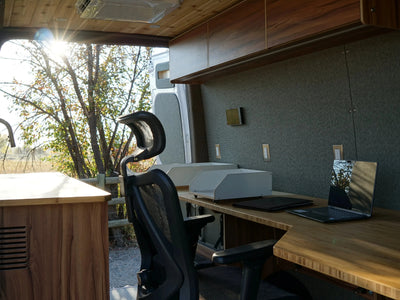
Every traveler has different priorities. Some value compact parking, while others need additional sleeping space or room for remote work.
At The Vansmith, we've spent years helping travelers choose layouts that support how they actually travel rather than simply maximizing features.
Final Thoughts
The best rv tips and tricks are often the simplest ones. Know your vehicle, practice your routines, stay organized, and give yourself plenty of time to enjoy each destination.
After more than a decade supporting adventure van owners across Colorado and the West, we've seen that memorable trips rarely depend on having the most equipment. They come from thoughtful preparation, steady habits, and a vehicle designed with real travel in mind.
At The Vansmith, we know every adventure looks different. Some travelers are looking for Camper Vans for Couples that make weekend escapes and cross-country road trips more comfortable, while growing families often benefit from Family Van Conversions with additional sleeping and storage space. Others may prefer Luxury Camper Vans for Sale for extended travel, Mobile Work Vans that support life on the road while staying productive, or Passenger Vans for Sale that provide flexibility for everyday driving and future adventures. If a Ford platform fits your travel plans, our Ford Transit Van Conversions offer practical layouts designed for everything from weekend camping to longer journeys.
Frequently Asked Questions
What are the best RV tips and tricks for beginners?
Start by learning your vehicle's dimensions, practicing backing up, following a consistent departure checklist, arriving at campsites before dark, and staying ahead of routine maintenance. These habits make every trip smoother and more enjoyable.
How do I make RV camping easier?
Keep your interior organized, use vertical storage, choose collapsible gear, inspect your campsite before parking, and follow the same setup routine each time you travel. Small habits quickly become second nature.
How can I save space inside my camper van?
Take advantage of wall storage, overhead cabinets, collapsible kitchen items, nesting cookware, and the one-in, one-out rule for personal belongings. Keeping only what you use regularly helps maintain an open, comfortable living space.
How often should I check my tires?
Inspect tire pressure, tread, and sidewalls before every trip and whenever temperatures change significantly. Regular inspections improve safety and can help prevent unexpected roadside issues.
Why is moisture control important in a camper van?
Moisture can lead to condensation, odors, and damage to interior materials. Opening roof vents, improving airflow, and drying wet gear outside whenever possible helps keep your living space comfortable throughout every season.
About the author

Eugene Smit
CEO
Eugene is the CEO of The Vansmith, based in Boulder, Colorado. He writes across topics related to van builds, ownership, and the camper van industry.
Read more about Eugene