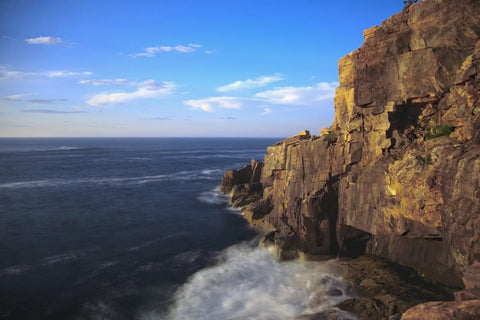
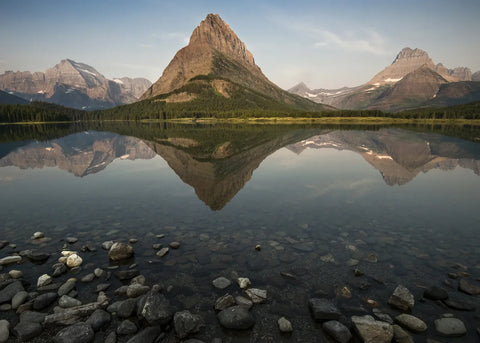
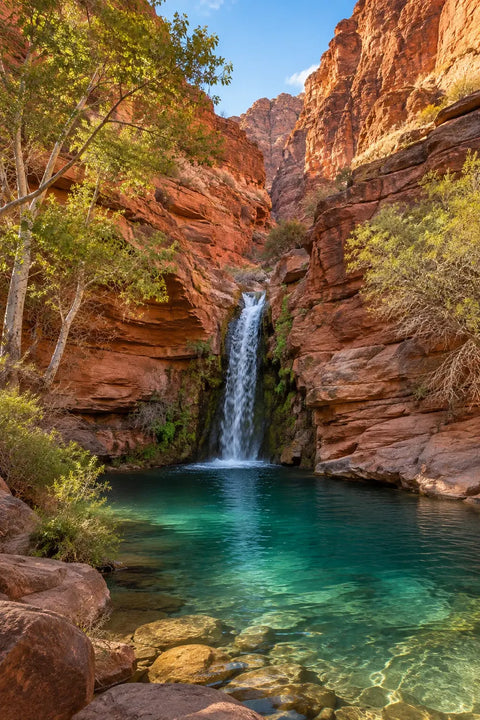
Big Sur glamping works best when you match the stay type to your budget, booking window, and comfort level on Highway 1. Which option fits you comes down to whether you want luxury tent service, iconic yurts, a solid-roof cabin, or a nearby coastal base with easier access. In practice, those choices feel very different once you factor in live pricing, limited inventory, and a drive that is open but still slow. For a lot of road trippers, the smartest plan is one memorable fixed stay and more flexible nights around it. The photo above shows McWay Falls at Julia Pfeiffer Burns State Park, the kind of view this stretch of coast is known for and the reason a fixed stay here is worth planning around.
How to choose the right Big Sur glamping stay

The photo above shows the Big Sur coastline along Highway 1, the corridor where Alila Ventana, Treebones, and Fernwood sit, with Costanoa farther north. Wherever you land on that list, you are choosing a stretch of this same drive.
The clearest official Big Sur glamping choices break into four groups. Alila Ventana Big Sur covers the luxury safari-tent end, Treebones Resort is the standout for ocean-view yurts, Fernwood Resort is the clear cabin option, and Costanoa adds tent bungalows, cabins, lodge rooms, and RV or camp options farther north on the corridor.
That matters because the real choice is not just hotel versus camping. It is luxury immersion versus iconic yurts versus practical cabins versus easier-access coastal glamping. Each one fits a different trip style, and each one asks for a different kind of budget and planning rhythm.
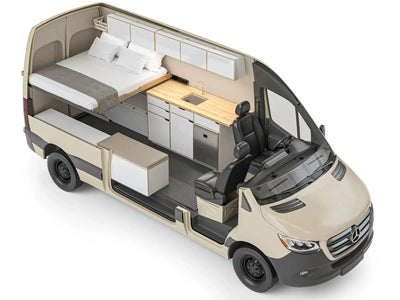
Big Sur often lands best as one part of a longer Highway 1 trip. If you're already sketching out a road-trip route, a van-based plan can leave room for delays, scenic pullouts, and slower days. If that sounds like your style, our custom camper van builds and build process pages show how people set up that kind of flexible travel.
Luxury safari tents vs yurts vs cabins
Ventana is the clearest official luxury-tent stay in this group. Its glamping setup is safari-style canvas tents with upgraded bedding and camp amenities, which puts it far from basic camping. The property also names Canyon and Redwood glampsites, so you can compare site feel before you even look at dates.
Treebones is the strongest answer for travelers searching Big Sur yurts. The resort says it has sixteen yurts, and it also offers autonomous tents and other off-grid structures. If your mental picture of Big Sur includes a memorable stay type instead of a standard room, this is usually where the search gets serious.
Fernwood pulls the conversation back to cabins. Its six cabins sit under the redwoods near the Big Sur River, so you still get the forest setting without sleeping behind canvas walls. People who care most about privacy, a more enclosed room, or less weather exposure usually lean this way.
Costanoa is handy for mixed groups because the stay types are broader. One couple can book a glamping tent bungalow while another person picks a cabin or lodge room. Couples often drift toward the most iconic-view stays, while families and first-time Highway 1 travelers often want simpler logistics and an easier check-in day. If you're planning around kids, our family van conversions page speaks to that same comfort-first mindset.
Big Sur proper vs nearby Highway 1 alternatives
Ventana, Treebones, and Fernwood are the strongest fits for Big Sur proper on this list. Costanoa belongs in the same guide, but not as a central Big Sur stay. It is better framed as a nearby Highway 1 option for travelers who care more about the coast-road feel than a strict Big Sur address.
That sounds like a compromise. Not always. If you only have one night, the coast drive can eat more time than you expect once you add pullouts, slow traffic, and photo stops. Nearby alternatives can end up feeling more practical than they first look.
Treebones and Ventana have the strongest branded glamping identity in the current sources. Fernwood stands out for cabin budgeting because it publishes rates and a minimum stay instead of forcing a live search just to see the price band. Costanoa, by contrast, wins on variety because it rolls several lodging types into one property.
For coast travelers already moving north or south, a van can make more sense than changing fixed lodging every night. You can keep one premium stay, then let the rest of the route breathe. If you're weighing that setup, our vans for couples and Foundation builds show two common ways people build in that flexibility.
Big Sur glamping prices and what you actually get

The photo above shows the kind of view that comes standard along this stretch of Highway 1, cliffs dropping into a turquoise cove near Bixby Bridge. That backdrop is part of what you are actually paying for at any of these properties.
Fernwood is the cleanest price anchor because it publishes a cabin range of $290 to $400 per night. It also states a two-night minimum, which changes the real budget fast. Instead of a one-night stop, you are looking at roughly $580 to $800 before taxes and fees.
Treebones pricing is more fluid. The official site confirms the stay types, but not a fixed public rate card on the main editorial pages. A Google Hotels sample showed a nightly price in the mid-$300s, including taxes and fees, but that should be treated as a snapshot, not a fixed promise.
Ventana and Costanoa also lean on live booking for exact rates. The safest way to describe Ventana is premium or luxury pricing tied to dates, while Costanoa emphasizes accommodation mix more than a public static rate grid. So if you want hard numbers before you open a booking engine, Fernwood is the easiest place to start.
For road trippers, this price spread often changes the whole plan. Some travelers book one flagship night in Big Sur, then do the rest of the coast in a camper van or lower-cost stopovers. If that hybrid trip sounds right, our Sprinter conversions and Transit conversions are built around exactly that kind of pacing.
Published rates you can quote confidently
The most solid current number is Fernwood's official cabin range: $290 to $400 per night. That is why Fernwood carries so much weight in any honest price comparison. The same page also notes there are only six cabins, which helps explain why availability can tighten even when the nightly number seems moderate for Big Sur.
The two-night minimum matters just as much as the nightly rate. At the low end, the published lodging commitment starts around $580 before taxes and fees. That is the floor, not the full trip cost.
Treebones confirms the main product mix, sixteen yurts plus autonomous tents and other eco-stays, but not a stable public rate card on its editorial page. A sampled Google Hotels result put it in the mid-$300s with taxes and fees included, though that can move with dates. Ventana supports a high-end safari-tent description, but not a clean static nightly figure you can quote without a live search.
| Property | Stay type | Published price signal |
|---|---|---|
| Fernwood | 6 redwood cabins | $290-$400 per night, 2-night minimum |
| Treebones | 16 yurts plus other eco-stays | Live pricing, sample in the mid-$300s with taxes and fees |
| Ventana | Safari-style canvas tents | Luxury pricing, live search required |
| Costanoa | Tent bungalows, cabins, lodge rooms, RV/camp | Live search required |
The useful takeaway is simple. Quote Fernwood directly, call Ventana luxury, and treat Treebones and Costanoa as dynamic-rate properties. That keeps the guide honest and keeps you from building a budget around made-up averages.
How to budget by travel style
A couple booking Fernwood should focus on the two-night minimum first. On a quick coast weekend, that rule shapes the budget more than the headline nightly rate. If you wanted a single splurge night, Fernwood may not fit the way you hoped.
Treebones asks you to budget for a premium tied to the iconic yurt identity and the limited inventory of sixteen yurts. Ventana sits even farther up the special-occasion scale because the official glamping pitch is upscale safari-style lodging, not economy camping. That sounds like a lot of money for a bed. It is.
Costanoa is useful when you need a wider budget band. Since it offers more than one accommodation class, you can adjust the stay style without leaving the property. Fernwood, though, remains the easiest option here if exact price certainty matters more than prestige.
Many coast travelers get the best value by combining one premium night with several flexible road-trip nights elsewhere. That hybrid approach is a big reason van travel keeps making sense on Highway 1. You can anchor the trip with one memorable stay and keep the rest adaptable. If you're exploring layouts for that kind of travel, the DUO XL layout is a strong couples setup.
Where to stay for yurts, tents, and cabin-style glamping

The photo above shows a tent pitched at Kirk Creek Campground, a public campground on this same stretch of Highway 1. It is not one of the four glamping properties above, but it shows the kind of ocean-side tent site that makes the yurt and tent options here feel worth the price.
If your search starts with Big Sur yurts, Treebones is the headline answer. The resort officially says it offers sixteen yurts and frames itself as an ocean-view, off-grid glamping resort. That is a different feel from a cabin stay or a lodge room, and you should choose it because you want that distinct experience.
Ventana is the strongest official luxury safari-tent option, with canvas tents and named site categories that include Canyon and Redwood. Fernwood is the best cabin-specific pick, with six cabins under the redwoods near the Big Sur River and a published price band. Costanoa works best as a nearby coastal alternative because it layers glamping tent bungalows onto cabins and lodge stays.
These properties are not interchangeable. Treebones is the iconic yurt stay, Ventana is the luxury tent stay, Fernwood is the practical cabin stay, and Costanoa is the broader-access coastal stay. Choose by lodging style and trip pace first, then compare exact rates.
For travelers who love the coast but want more control over the day, a camper van can work like a mobile basecamp between premium nights. That setup tends to shine on scenic routes with lots of stops. You can see more trip ideas on our van build blog and DIY blog.
Best known Big Sur yurts
Treebones is the most direct answer for Big Sur yurts because the resort says it has sixteen of them. That makes it the clearest fit for travelers who are searching for the yurt experience on purpose, not just browsing glamping in general. Limited inventory also means more booking pressure than you would see at a larger standard hotel.
The property describes itself as off-grid by design. That is useful expectation-setting if you usually stay in conventional resorts with more standard infrastructure. Treebones is a glamping-oriented eco-stay, and that identity is part of the draw.
The same resort also offers autonomous tents and other structures, so you are not locked into one format if you like the setting but are still deciding on the room type. The bigger planning signal comes from the booking page, which says yurts and campsites fill up 4 to 6 months in advance. That changes everything.
If your Big Sur picture is about waking up in a memorable structure, yurts are usually the most on-theme choice. For people who want the road-trip side to matter just as much, a van plus one marquee stay can strike a nice balance.
Best safari tents and cabin alternatives
Ventana's glamping page describes safari-style canvas tents with upgraded bedding and camp amenities. That makes it the clearest luxury-tent example in this group. The Canyon and Redwood glampsite names also give you a real starting point for comparing site feel before you check availability.
Fernwood offers the opposite kind of appeal. Its six cabins are more enclosed and more buffered from weather, while still keeping you under the redwoods near the Big Sur River. Travelers who are light sleepers often end up happier in cabins than in tent-style glamping, even if the tent options looked more photogenic at first.
Costanoa broadens the field for people willing to stay outside Big Sur proper. Its glamping tent bungalows keep the coast-trip mood, while cabins and lodge rooms add more flexibility. For mixed-comfort groups, that can solve a lot of planning friction in one move.
On long road days, cabin stays can also make late arrivals feel easier. You step into a more enclosed space, and the night feels simpler right away. Small thing. If you're thinking through a family-friendly road setup, our Family XL layout shows how people build for that same low-stress arrival feel.
How far ahead to book Big Sur camping and glamping

The photo above shows the path down to Sand Dollar Beach, a Forest Service day-use beach on the southern Big Sur coast near Plaskett Creek. Public campgrounds along this stretch fill early in peak season too, so book as soon as your dates are firm. (Photo: U.S. National Archives)
The clearest published booking guidance comes from Treebones. Its booking page says that yurts and campsites fill up 4 to 6 months in advance. For a marquee stay with only sixteen yurts, that lead time makes sense.
Costanoa is also pushing an Advanced Purchase Stay offer, which backs up the larger point that planning ahead matters on this coast. Fernwood has only six cabins and a two-night minimum, so desirable weekends can tighten quickly. Ventana does not publish a lead-time rule on the editorial page, but it is still safest to book early because the glamping inventory is specialized and high-profile.
For summer dates and peak weekends, assume the best Big Sur glamping inventory disappears months before arrival, not weeks before. Flexible travelers have the edge here. Weekdays and shoulder season usually open better odds than a fixed Friday-to-Sunday push.
This is one of the biggest advantages of van travel in California. If a marquee property is sold out, the trip can still work without rewriting the whole route. If you want help building that kind of flexible home base, our contact page is the best place to start.
When iconic stays sell out first
Treebones is the best documented case because its booking engine says yurts and campsites fill up 4 to 6 months in advance. That urgency lines up with the small inventory. Sixteen yurts is not much once weekend demand builds.
Fernwood's six cabins are also a tiny pool by hotel standards. So even though the published rate can look more reachable than other Big Sur stays, that does not mean easy last-minute availability. Ventana works the same way in a different price tier, because specialized glamping stock is still limited stock.
Costanoa may create more fallback options because the property has a broader room mix. Even there, the most desirable stay types can still book early. If you only have one night, it often works better to book around the lodging you can actually secure than to lock in a rigid sightseeing order first.
People often picture the landmarks first, then try to force the sleep plan around them.
Best booking strategy for weekends and shoulder season
A source-backed rule of thumb is 4 to 6 or more months ahead for high-demand yurt and glamping inventory, especially at iconic properties. If you need a specific weekend, search as soon as your dates are known. Waiting for every other detail to settle can cost you the stay you actually wanted.
Shoulder season and weekday trips are usually easier to place because the region has limited inventory and demand piles up on weekends. Costanoa's advanced purchase messaging supports that same planning-ahead idea. Fernwood's two-night minimum also means you should book with that rule in mind instead of assuming you can squeeze in a one-night stop.
If your first choice is sold out, widen the search to nearby Highway 1 stays instead of waiting around for Big Sur proper to open up. That is often the more realistic move. Travelers doing the coast by van can reserve one anchor night and leave the surrounding days flexible, which is usually the least stressful strategy.
What the Highway 1 drive is actually like right now

The photo above shows Bixby Bridge from the Hurricane Point overlook, one of the most recognizable stops on this drive and a good reminder of why the posted speed limits along here stay low.
Highway 1 through Big Sur is open for through travel between Cambria and Carmel as of February 20, 2026, according to the Big Sur Chamber of Commerce. But open does not mean fast. The Caltrans road information page currently lists one-way controlled traffic at Rocky Creek Bridge, 15.7 miles south of Monterey, running 24 hours a day through November 30, 2026.
Caltrans also lowered the speed limit on a 5.1-mile segment of Highway 1 along the Big Sur Coast from 55 mph to 45 mph in April 2026. On the official Caltrans speed limit update, the reasons are practical: curves, roadway conditions, pedestrians, cyclists, driveway access, pullouts, and crossings. So the best way to describe the drive is spectacular but slow.
Old blog posts can age badly on this stretch of coast. Check Caltrans right before you leave, even if you looked last week. Conditions can shape your day more than the raw mileage does.
For van travel, that slower pace is often a feature, not a flaw. Big Sur works best as a scenic corridor you savor, not a point-to-point transfer you rush through. That slower pace is one reason many travelers prefer a high roof van, and some mid-roof owners later add a pop-top because slow scenic travel usually turns into longer days living in the van.
Current access and traffic realities
The Chamber's February 20, 2026 update is the clearest traveler-friendly summary of the reopening milestone between Cambria and Carmel. It tells you the road is passable again through the corridor. Caltrans, though, is still the same-day authority for actual operating conditions.
Right now, Caltrans lists controlled one-way traffic at Rocky Creek Bridge. That control is posted as 24 hours a day through November 30, 2026, so delays are not just a holiday-weekend problem. You need to leave margin if you have a fixed check-in time.
The Chamber page also helps because it adds context about why access can stay fragile even after reopenings. That is why it helps to separate technically passable from easy to drive. Those are not the same thing here.
If arrival timing matters, leave more buffer than you think you need. This matters even more in larger vehicles, because curves, scenic pullouts, and backups make the drive feel longer than the map suggests.
Why the drive feels slower than travelers expect
The 45 mph speed limit on that 5.1-mile segment is one clue. The official reasons include curves, roadway conditions, pedestrians, cyclists, driveway access, pullouts, and crossings. Put all that together, and even an open Highway 1 day can feel slow and mentally busy compared with inland freeway driving.
Controlled traffic zones near Monterey reinforce the same point. Road operations can shape your pace just as much as the scenery does. That is why travelers should treat the coast drive as part of the experience, not dead time between stays.
If you're traveling by van, the slower rhythm can actually improve the trip. Shorter mileage days leave more room for overlooks, meals, and good light at viewpoints. For many people, that is the whole point.
Big Sur pairs well with a flexible camper-van itinerary because you can stop when the view is right and linger when the day runs long. Fixed lodging still has a place, especially for one standout night. The trick is knowing which parts of the trip need structure and which parts need room.
FAQ
What are the best options for Big Sur glamping right now?
The clearest current options are Treebones for ocean-view yurts, Ventana for luxury safari-style canvas tents, and Fernwood for redwood cabins. Costanoa is also a strong Highway 1 alternative because it adds glamping tent bungalows, cabins, lodge rooms, and RV or camp options. They fit different travelers, so the best one depends on whether you want iconic lodging, easier budgeting, or more room-type flexibility.
How much does Big Sur glamping cost?
Fernwood is the most transparent official example, with cabins listed at $290 to $400 per night and a two-night minimum. Treebones pricing is date-based, though a sampled Google Hotels result showed a nightly price in the mid-$300s with taxes and fees included. Ventana and Costanoa require live booking searches for exact dates, so they are better described by price position than by one fixed number.
How far ahead should I book Big Sur yurts or glamping tents?
Treebones gives the clearest rule because its booking page says yurts and campsites fill up 4 to 6 months in advance. That makes 4 to 6 or more months a smart target for weekends, summer, and iconic stays with limited inventory. If your dates are fixed, book as soon as you know them.
Is Highway 1 through Big Sur open in 2026?
Yes. Through travel between Cambria and Carmel was restored on February 20, 2026, according to the Big Sur Chamber of Commerce. Still, open does not mean delay-free, because Caltrans currently lists one-way controlled traffic at Rocky Creek Bridge 15.7 miles south of Monterey, running 24 hours a day through November 30, 2026.
What is the Highway 1 drive to Big Sur actually like?
It is scenic, curvy, and slower than many first-time visitors expect. Caltrans lowered the speed limit from 55 mph to 45 mph on a 5.1-mile segment because of curves, roadway conditions, pedestrians, cyclists, pullouts, driveway access, and crossings. Plan for a deliberate coast drive, not a fast connector route, and leave extra time if you need to make a check-in window.
About the author

Electra Chronis
Head of Marketing
Electra leads marketing at The Vansmith. She writes across van life, camping and travel, from planning a trip to choosing and building the van that gets you there.
Read more about Electra