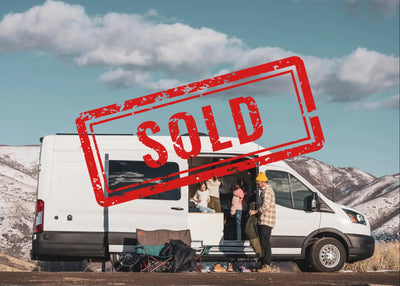
Cibecue Falls is a permit-required tribal-land hike with repeated creek crossings. As of October 2026 the White Mountain Apache Tribe lists Cibecue Falls as closed until further notice, so confirm it has reopened before you plan a trip, then buy the permit and expect wet feet. Whether this feels like a fun day hike or a frustrating one comes down to your comfort with water, mud, and route-finding on a remote trail. Recent hikers report overgrowth, slippery sections, and limited cell service, which makes prep part of the experience. If you show up ready for that, the waterfall payoff tends to feel well worth the effort. Because Cibecue Falls sits on tribal land with no publicly licensable photography available, the image above is an AI-generated illustration of a similar canyon waterfall, not an actual photo of the falls.
What to know before hiking Cibecue Falls

The photo above shows Aravaipa Canyon Wilderness in southeastern Arizona, a comparable desert canyon with year-round water, since no licensable photo of Cibecue Falls itself exists. The scale of the canyon walls here is a good preview of what you're hiking into.
Cibecue Falls sits on White Mountain Apache tribal land, and that changes the whole planning process. This is not the same kind of access you get at many Arizona state or federal trails, as Visit Arizona's tribal lands guidance makes clear.
The first move is simple: verify legal access through the tribe's official recreation system before you drive anywhere. Use White Mountain Apache Tribe Game & Fish for current rules, permit details, and fees, because those can change and old blog posts can go stale fast.
Arizona travel guidance also notes that permit rules vary by tribe, so you can't assume one system works like another. That's a big reason this feels more like a commitment hike than a roadside stop, especially since Hiking Project describes a route with water crossings and trail variables built right into the day.
Cell service is another piece people miss. Recent AllTrails reports mention limited service, so don't count on pulling up maps, permit info, or weather once you arrive. Hikes like this are a good argument for easy-clean floors and better gear zones. Wet shoes, extra clothes, and water are much easier to manage when your van isn't a pile of loose bags.
Why the permit matters more here than on most Arizona hikes
The permit is the first real decision point for this hike. Cibecue Falls needs a tribal access permit, and the official source for that is WMAT Game & Fish, not a screenshot from social media or a review from last year.
Hiking Project's Cibecue Creek Trail page also calls out the permit requirement, which helps confirm that this isn't optional. Still, if an app and the tribal site ever disagree, the tribal site wins. Every time.
Visit Arizona frames tribal travel around local rules and etiquette, and that's the right tone here. Access is a privilege set by the tribe, not an open public right. Buy or verify the permit first, then build the rest of the day around that confirmed access.
That sounds strict, but it saves wasted drives. One thing a lot of hikers overlook is that permit logistics can be the whole trip. No permit confirmation, no drive. We'd treat that as non-negotiable.
Who this hike is best for
This route fits hikers who are okay with wet-foot travel, uneven ground, and a bit of scrambling. If you want a dry, groomed trail, this probably isn't your day. The mileage only tells part of the story.
Recent reports on AllTrails mention mud, overgrowth, and shifting boulders. Those things can make the hike feel harder than the distance suggests, especially if you're moving slowly through crossings or trying to pick the clearest line.
The waterfall itself is a big draw, and that part of the trip is easy to understand. Even Only In Your State leans into the destination appeal. Still, scenery doesn't make the trail easier. Prep matters more than the pretty photos suggest.
Families and casual hikers should decide based on repeated creek crossings and route ambiguity, not just distance. Repeated water crossings are way more fun when you know dry clothes and a towel are waiting back at the van.
Cibecue Falls permit: what to buy first

The photo above shows a dirt desert trail through ocotillo and creosote scrub in Arizona, the kind of approach terrain you'll cross before the route drops into the creek itself.
If you're planning this hike, secure the permit before the trip. That's the first box to check for any Cibecue Falls permit search, and the official place to verify current permit types, fees, and purchase steps is WMAT Game & Fish.
Hiking Project backs that up by noting the permit as a required part of the trail. AllTrails also mentions permit needs and local purchase logistics, but use that as a check on trail feel, not as final authority.
This is one of those cases where official tribal rules outrank trail apps if there's any conflict. Save or screenshot your permit confirmation before you leave, too. Limited connectivity near the trail can turn a simple lookup into a headache fast.
For van travelers, that small step matters more than it sounds. Handling permit proof while you still have strong service can save you from burning a whole day on a preventable detour.
Where to verify current permit rules
The White Mountain Apache Tribe's WMAT Game & Fish site is the source to trust for current recreation access info. That's where you should check rules close to your trip date, even if you've read a dozen trip reports already.
Visit Arizona's tribal travel tips support the bigger point here: tribe-specific rules matter, and they are not always consistent across Arizona. So use apps for route beta, but use the tribe for permission.
That split is worth keeping in your head. Editorial guides and trail apps are great for recent conditions, pace, and what shoes worked for other people. They are not where you make final access calls.
Common permit mistakes to avoid
The most common mistake is assuming this works like a national forest trail where you can just show up and hike. It doesn't. Tribal-land access has its own rules, and that's part of the trip.
Another easy mistake is trusting an old third-party post instead of checking the official page right before you go. Permit details can change, and a review from months ago may not help you much on the day you drive out.
People also underestimate poor connectivity. They forget to save permit details or maps, then realize too late that they can't load what they need. Save the proof, save the map, then leave.
Trail conditions: creek crossings, mud, and route-finding

The photo above shows a creek crossing at Aravaipa Canyon Wilderness in southeastern Arizona, a comparable desert canyon creek, since no licensable photo of Cibecue Creek itself exists. The rocky, ankle-deep footing shown here is typical of what you'll find at Cibecue's crossings too.
The defining trait of the Cibecue Falls hike is water. You should expect to cross the creek multiple times and get wet, which is why Hiking Project specifically recommends extra clothing and shoes for the drive home.
Recent reports on AllTrails add more texture to that picture. Hikers mention mud, overgrowth, and boulder scrambling, which can shift the feel from a normal trail walk to something more hands-on and slower than expected.
Difficulty here tends to come less from big elevation and more from unstable footing, water, and route ambiguity. That's an important mindset shift. If you plan for a dry path and a quick pace, you'll probably be frustrated.
Conditions can also change with season and recent weather, so don't assume one fixed experience. In practical van terms, this is exactly where a floor mat, gear bin, or bench seat area for wet items earns its keep on the drive out. Wet gear spreads fast in a small cabin.
What the creek crossings are really like
The route includes repeated creek travel and crossings, so trying to keep your feet fully dry usually isn't the best strategy. Planning for wet feet is more realistic. That tends to make the whole day smoother.
Footwear that drains well often makes more sense than standard hiking shoes you hope to protect. Slippery rock and mud can slow each crossing, and recent user reports back that up. If you hate wet shoes, we'd skip this hike.
Extra socks and a full change of clothes are smart, not fussy. Hiking Project calls out post-hike shoes and clothes for a reason. The drive home feels a lot better once you're out of wet gear.
Navigation and trail ambiguity
AllTrails is helpful for recent notes on overgrowth, braided paths, and spots that feel less obvious. That's useful trail beta, especially close to your trip date after storms or busy weekends.
Still, limited service means you need offline maps before leaving town or camp. Visit Arizona's plan-ahead guidance supports carrying navigation backups for remote travel, and this hike fits that advice well.
A paper note or saved screenshots can still help if your battery drops faster than expected in the heat or from map use. Small backup steps matter more on trails where the path isn't always clean and obvious.
What to bring for the Cibecue Falls hike
Bring shoes that can handle repeated water crossings, because getting wet is part of the normal day here. Pack extra shoes and dry clothes for the drive home, too. Hiking Project is very direct about that, and we think it's one of the clearest tells about what this trail is really like.
You'll also want an offline map before you go. Recent trail reports mention limited cell service, and Visit Arizona recommends planning for remote travel with backups and key supplies.
Plenty of water and basic sun protection still matter, even though the hike ends at a creek and waterfall. A small dry bag or zip pouch for your phone, keys, and permit details is also a smart add. Creek crossings have a way of turning loose pockets into bad storage.
For van travelers, this is where a simple day-hike bin shines. Towels, sandals, first-aid basics, and spare layers all live in one spot. If you're building out your van, pages like Foundation builds and the van build blog show the kind of practical storage thinking that helps on trips like this.
Footwear and clothing that make the day easier
Traction matters more than staying perfectly dry. Wet rock, mud, and creek crossings put grip at the top of the list. That matters more than keeping your shoes pretty.
Quick-drying clothes are a better pick than heavy cotton if wet legs are likely. Dry socks, camp sandals, and a towel can turn the post-hike drive from miserable to easy. Recent reports of overgrowth and scrambling also support wearing clothes you don't mind getting dirty or scuffed.
In a camper van, a shoe tray or rear-door storage setup helps keep soaked gear away from bedding and living space. That's one reason many travelers lean toward simple, durable layouts. If you're browsing ideas, the DUO XL layout gives a good sense of how organized two-person storage can work on real trail days.
Safety and remote-travel essentials
Offline maps are near the top of the list because service can be limited in the area. Save them before you lose signal, not after. The same goes for permit information from WMAT Game & Fish.
Visit Arizona also recommends planning ahead for remote travel and carrying navigation backups. A fully charged phone and a backup battery make sense when downloaded maps may do most of the work.
If you're road-tripping in a van, top off your drinking water before leaving camp. It sounds basic, but it solves a lot. Make the easy stuff automatic.
How to plan a smoother day trip from your van

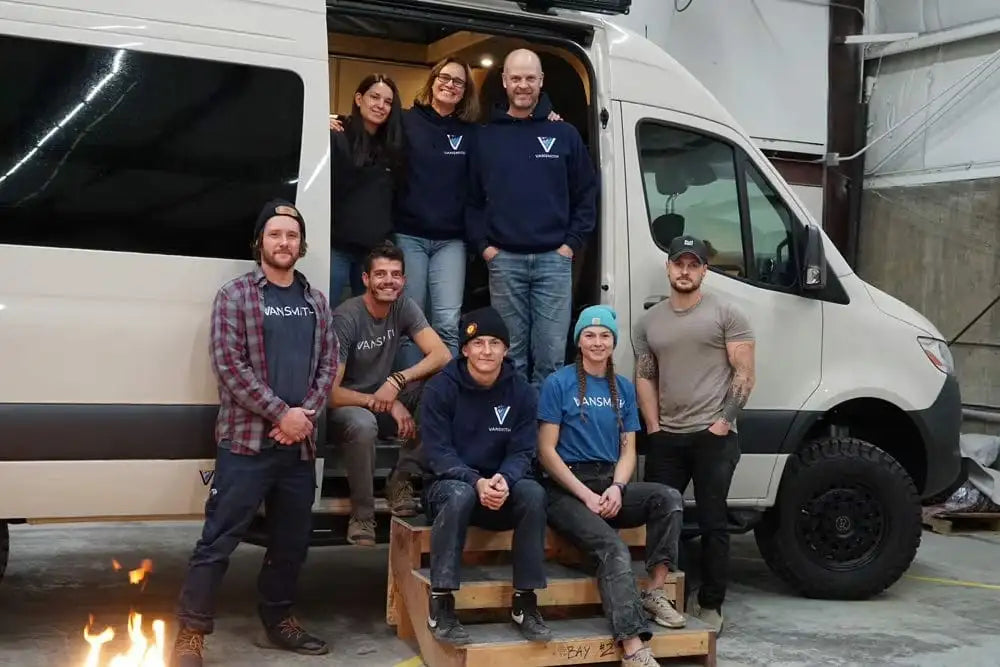
The photo above shows a Vansmith Sprinter on a high desert dirt road, the kind of terrain you're likely driving to reach a remote trailhead like this one.
Cibecue Falls is better when you treat it like a remote day mission. Permit confirmed, maps downloaded, wet-gear plan ready, extra water packed. That sequence keeps small mistakes from snowballing once you're far from town.
Because the hike often ends with wet shoes and muddy gear, a van with organized storage and easy-clean flooring makes the return much easier. For couples or solo travelers, a dedicated zone for towels, sandals, and dry layers usually works better than stuffing extra clothes into random bags. Clean separation is the whole game.
Limited connectivity means route research, permit checks, and offline downloads should happen before you leave your overnight stop. That's also where a well-set-up van helps. If you're comparing basecamp options, vans for couples, Transit conversions, and Sprinter conversions all show layouts built around easy day use and gear access.
If you're building for hikes like this, ready-built Bivy vans at The Vansmith take about 8 to 10 weeks, and tailored builds about 12 to 16 weeks. As of 2026, the Transit Duo starts at $113,950 and the Sprinter Duo starts at $115,950. That sounds like a lot of money for a day hike setup. It is. But for people who spend real time on remote trail days, the value is in systems that keep wet gear, water, and recovery items easy to reach and easy to clean.
| Model | Starting price | Lead time |
|---|---|---|
| Transit Duo | $113,950 | 12-16 weeks |
| Sprinter Duo | $115,950 | 12-16 weeks |
Why organized storage matters after a wet hike
Repeated creek crossings make post-hike gear management part of the trip. Wet shoes, muddy clothes, and electronics all need separation. That's easier in a van with intentional storage than in a packed daily driver.
A simple routine works well: towel off, change shoes, stow wet gear, drink water, then head out. If you hike desert trails a lot, durable flooring and easy rear access matter more than decorative extras. Trail days are hard on interiors.
The best setup is the one that keeps wet gear from taking over the cabin. If you're in the planning stage, Customize your van and Our process are good places to see how that kind of use gets built in from the start.
A respectful approach to tribal-land travel
Visit Arizona's guidance on tribal lands puts respect and local rules front and center, and that's exactly how this hike should be approached. For Cibecue Falls, respect starts with following the permit process exactly as posted by WMAT Game & Fish.
It's better to think of the permit as part of responsible travel, not a hassle to work around. That same mindset fits good van travel, too: prepare well, follow local rules, and leave with less mess than you brought in.
So the sequence is simple. Verify the permit, download maps, pack for wet crossings, and go only if those boxes are checked. If you're still sorting out a van for trips like this, you can always contact The Vansmith and talk through a layout that makes remote day hikes easier to live with.
FAQ
Do you need a permit for Cibecue Falls?
Yes. Cibecue Falls is on White Mountain Apache tribal land, and hikers need the tribe's Cibecue Falls Access Permit before going. As of October 2026 the tribe lists the area as closed until further notice, so check reopening status first. The best place to verify the current permit type, fee, and purchase process is the official WMAT Game & Fish site. Don't trust an old screenshot if the official source says something else.
Is the Cibecue Falls hike hard?
It can feel harder than the mileage suggests. The challenge comes less from big elevation and more from repeated creek crossings, muddy sections, overgrowth, and some boulder scrambling. If you're not comfortable hiking in and around water, the day can get tiring fast.
Will my feet get wet on the Cibecue Falls hike?
Probably yes. Hiking Project specifically says to expect to get wet and recommends bringing extra clothing and shoes for the drive home. That's one of the clearest planning signals for this trail, and it's worth taking seriously.
What should I bring to Cibecue Falls?
Bring footwear that handles creek crossings, dry socks, a change of clothes, plenty of water, sun protection, and an offline map. Limited cell service is commonly reported, so downloaded navigation and saved permit details are smart backups. A small dry bag for your phone and keys is also a very good idea.
Is there cell service at Cibecue Falls?
You should not count on it. Recent AllTrails reports mention limited cell service, and Visit Arizona's remote-travel guidance supports planning ahead with navigation backups for places like this. Download what you need before you leave camp or town.
About the author

Carin Smit
President
Carin is President of The Vansmith. She writes on a range of topics tied to the business, from vans and builds to the broader vanlife world.
Read more about Carin