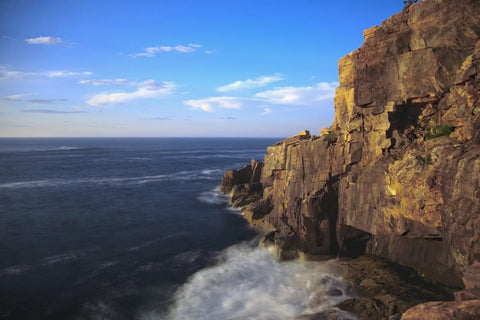
Montana camping works best when you plan by region, because Glacier, Yellowstone, and nearby forest land all camp very differently. Which version fits you comes down to your access strategy, your backup options, and the exact dates you want to travel. That matters more than a generic statewide season or a list of pretty campgrounds. If you build your trip around region first, then campground type, then season, you'll make far better calls on where to sleep and how much driving to take on each day. The photo above shows Grinnell Point reflected in Swiftcurrent Lake near Many Glacier in Glacier National Park, the kind of Montana scenery that makes picking the right region worth the extra planning.
How to plan Montana camping by region

The photo above shows a campground registration kiosk in Glacier National Park, a reminder that most Glacier campgrounds use either advance reservations or first-come, first-served self-registration.
Montana officially breaks travel into seven tourism regions, and that framework is a smart place to start. According to Visit Montana's tourism regions, the state isn't one uniform camping zone. It covers very different landscapes, drive patterns, and trip styles.
That matters because Montana's camping choices are broad. The statewide mix includes national parks, national forests, state parks, BLM land, tribal campgrounds, and private campgrounds, as shown on Visit Montana's camping guide. If you don't sort those types early, it's easy to compare places that really don't work the same way.
For most travelers, the biggest decisions land in a few regions first. Glacier Country is the clear anchor for Glacier trips, while Yellowstone Country and Southwest Montana matter most for Yellowstone access. A regional plan also helps you separate high-demand park camping from looser options in nearby forest and gateway-town areas.
The best planning question isn't just where should I camp. It's which region gives me the best access, backup options, and basic services if the first campground is full. That's why many self-contained van trips work better in clusters: northwest for Glacier, southwest for Yellowstone, then a few lower-pressure stops instead of trying to cross the whole state in one swing.
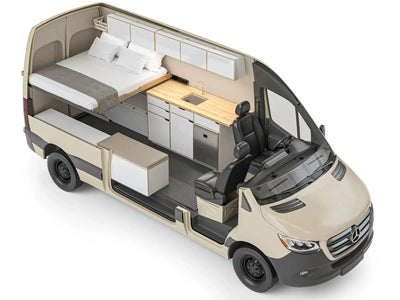
If you're still shaping your rig for trips like this, it helps to look at Sprinter conversions or Transit conversions that are built for long travel days and changing camp plans. Montana is a good test of whether your van can handle both a booked campground night and a more self-contained backup.
Why Montana's seven tourism regions matter
The seven-region setup is useful because it reflects how people actually move through the state. It doesn't force one camping season or one campground style onto every destination. That's a big deal in a place this spread out.
It also gives this guide a cleaner way to narrow choices. Most readers are really deciding between the northwest, the southwest, and the south-central part of the state. Glacier Country covers the northwest and is the core region for Glacier National Park trips.
Yellowstone planning overlaps more than some first-time visitors expect. Depending on which entrance you want, your base may fall into Yellowstone Country or Southwest Montana. A region-first plan cuts down on wasted miles, which matters when you're balancing fuel stops, check-in windows, and road time.
For many first Montana trips, two regions are enough. Trying to combine Glacier and Yellowstone in a short trip sounds good on paper. Then the drive time catches up with you.
The main camping types readers need to distinguish
Montana has a lot of camping categories, and each one brings its own rhythm. Visit Montana groups options into national parks, national forests, state parks, tribal campgrounds, BLM land, and private camping. Those labels aren't small details. They shape how flexible your trip can be.
National park camping is the clearest example. Glacier's official camping page and Yellowstone's campground page both center overnight stays in designated campgrounds. Some nearby national forest land works differently, but even there, overnight use follows specific rules.
On the Yellowstone side, that's where many people get tripped up. The Custer Gallatin National Forest camping page is a key official source, and the forest's guidance makes clear that dispersed camping is not a free-for-all. Readers headed to Glacier or Yellowstone should expect a more reservation-driven setup in the parks than they may find on some surrounding public land.
Most van travelers do best with a layered plan. Reserve a developed site when you can, then mark legal forest alternatives before you arrive. A self-contained van gives you more fallback options than tent camping, but legal overnighting still depends on the land manager's rules.
That approach lines up well with how we think about our build process and foundation builds. You want a van that handles the first plan and the backup plan, because that phrase comes up again and again in Montana.
Best Montana camping near Glacier

The photo above shows an Apgar Campground sign marked FULL, exactly the kind of situation this section is about: Glacier's frontcountry campgrounds fill fast, and a backup plan matters.
Glacier is one of the biggest anchors for camping in Montana, and it draws a lot of demand. The National Park Service says the park has 13 frontcountry campgrounds, which is a healthy number on paper. In practice, each one can work differently.
That's the part many broad travel guides flatten out. Some Glacier campgrounds are reservable, some are first-come, first-served, and some may run in primitive status outside the main summer window. The official park pages are useful because they show campground-by-campground status instead of one universal opening day.
West Glacier is the most obvious base for many visitors, but it isn't the only workable strategy. The larger Glacier Country region can support trips when you can't get a site inside the park. That can mean a longer morning drive, but easier logistics the night before.
For van travel, Glacier rewards early route planning. Inside-the-park camping, nearby private options, and day-use logistics all tighten fast in peak summer. Camping near Glacier can mean inside the park, in a gateway area, or farther out with more room and more driving.
If you're building for this kind of trip, customize your van around real use cases like water storage, battery reserve, and weather swings. Glacier is where those choices stop being abstract.
What to know about Glacier campgrounds
Glacier's official camping page confirms the park has 13 frontcountry campgrounds. It also points visitors to separate resources for reservable campgrounds, first-come options, nearby camping, and maps. That split alone tells you Glacier camping has to be planned by individual campground.
The best page for reservation details is Glacier's reservation campground page. That's where you can confirm which campgrounds need advance booking and which still run first-come, first-served. It keeps you from relying on old blog posts that treat the whole park as one system.
Shoulder season adds another wrinkle. Glacier's camping information page notes that some facilities, including Apgar, may operate in primitive status outside the core summer season. That changes what services you can expect, even if the campground itself is open.
So yes, a spring or fall trip may still work. Or, more accurately, it may work with a different set of campground choices and fewer services than summer. In practice, each Glacier campground has its own mini-season, and that's the safest way to think about it.
Gateway strategy for Glacier trips
Glacier's official camping page includes nearby camping resources for a reason. Many successful Glacier trips are built partly outside the park. That's often the difference between a stressful arrival and a smooth one.
West Glacier is the clear first stop for many visitors, but the larger Glacier Country area matters too. It gives you more room for overflow lodging, supplies, fuel, and alternate campground planning. Nearby service towns can also be easier if you want a grocery run before you head into a tighter park routine.
For camper vans, staying just outside Glacier can make simple things easier. You can top off water, charge devices, and sort gear before entering a more constrained park setup. One thing a lot of travelers overlook is how nice it feels to reorganize a van in a gateway town parking lot instead of trying to do it in a crowded campground loop.
This is where a well-equipped van changes the trip. If you have onboard power, heat, and water, gateway areas become much more comfortable. Glacier camping is partly about scenery, sure, but it's also an access strategy decision: inside-the-park immersion or easier logistics outside the park.
Couples often lean toward simpler basecamp moves for this kind of trip, which is why layouts like the DUO XL and our vans for couples fit so well with long park days and quick resets in town.
Montana camping near Yellowstone gateway towns

The photo above shows the Yellowstone Shortline Trail on the Custer Gallatin National Forest, near West Yellowstone, one of Montana's Yellowstone gateway towns.
On the Yellowstone side, gateway towns shape the trip more than many first-timers expect. Visit Montana's gateway community guide names Gardiner, West Yellowstone, Cooke City, Red Lodge, and Livingston as key Montana-side bases. Those towns are not interchangeable.
Each one lines up with a different park access pattern. That's why the smartest Yellowstone plan usually starts with the town, not the campground. Once you know your base, it's easier to decide whether to sleep inside the park, outside it, or split the trip.
Yellowstone's own campground page is still the authority for in-park stays. It also makes a critical point for van travelers: roadside overnighting is prohibited in the park. That's a useful reset for anyone who assumes a camper van can just pull over anywhere at the end of the day.
Gateway-town camping is often the easier fit if you want groceries, fuel, showers, or a mechanical stop before or after long park days. A town-first strategy gives you one.
Which Yellowstone gateway town fits which trip
Gardiner is one of the main Montana-side gateways and is commonly tied to the North Entrance. West Yellowstone is the best-known base for the West Entrance. Cooke City is the one to watch for trips near the Northeast Entrance area.
Red Lodge and Livingston round out the official list from Visit Montana. That gives you more than one basecamp style depending on your route and how much town access you want. Some travelers want the most direct park entry. Others care more about resupply and a softer landing after a long drive.
Your gateway choice changes drive times, crowd patterns, and realistic backup camping options. For van travelers, West Yellowstone and Gardiner tend to be the most intuitive first-trip bases because they simplify entry strategy. Trying to improvise after arrival usually feels fun for about an hour.
A gateway-town plan keeps you from hunting for a legal spot after dark.
In-park Yellowstone camping versus staying outside
Yellowstone's official campground page is the baseline for where overnight camping is allowed inside the park. It also clearly separates legal campground camping from prohibited roadside overnighting. That's a distinction first-time van travelers need to see in plain language.
Camping inside Yellowstone cuts daily driving once you're settled. You trade for that with campground availability, park rules, and less flexibility if your arrival runs late. Staying outside the park can be easier if your schedule is loose or your route changes mid-trip.
Montana gateway communities often give you easier access to fuel, groceries, and a reset night before or after the park. Many travelers want the park campsite until they see what it costs in timing and backup options. For self-contained vans, outside-the-park camping often works well as a buffer night.
That makes Yellowstone a two-part decision. You're choosing where to sleep, but you're also choosing how each morning starts. Families in particular tend to appreciate that, and it's one reason our family van layouts and the Family XL work well for park-heavy trips with long days and town resets.
Dispersed camping on Montana forest land

The photo above shows Buffalo Creek on the Gardiner Ranger District of Custer Gallatin National Forest, the kind of open forest land where dispersed camping is allowed in designated areas.
For overflow camping near Yellowstone, Custer Gallatin National Forest is one of the most useful official sources on the Montana side. Its camping pages help show that many real backup options sit outside the park itself. That's often where a trip gets saved.
The key nuance is simple, but easy to miss. The forest's Camp/Picnic Guide says dispersed camping is allowed only as specified in the Motor Vehicle Use Maps. So no, dispersed camping does not mean any roadside pullout or random spur is fair game.
That rule matters because a lot of generic travel content glosses over it. Forest-land camping can absolutely ease the pressure when developed campgrounds are full. It also asks more from you in planning, self-sufficiency, and respect for local rules.
This is where a camper van helps most. Heat, battery reserve, water storage, and ventilation make a legal forest night much more comfortable than a minimal setup.
If you're still learning how systems affect real travel, our van build blog and DIY blog both help connect layout choices to nights like these. Forest backups are where the small system choices really show up.
What dispersed camping really means near Yellowstone
The Custer Gallatin camping page covers both developed campgrounds and broader forest camping options. That makes it the right contrast to Yellowstone's tighter in-park setup. The two systems are close together on the map, but they work very differently.
The forest's guide is even more direct. Dispersed camping is allowed only where the Motor Vehicle Use Maps permit it. That means you should not assume any forest road, turnout, or pullout is legal for overnight use.
The same guide also helps separate campground camping from dispersed camping as two different experiences. One has more structure and services. The other asks you to show up ready, because there may be no simple fallback once you settle in for the night.
For first-time van travelers, dispersed camping works best as a planned backup, not a dark, last-minute gamble. A reliable heater, ventilation, and enough battery reserve matter more out there.
Rules that matter most on forest land
The Custer Gallatin camping page includes stay-limit guidance, which is worth checking before you go. A lot of people assume national forest land means you can stay anywhere as long as you want. That isn't how it works.
The forest guide also covers food storage and garbage rules, and those details matter a lot in bear country and busy recreation corridors. Legal dispersed camping depends on more than where you park. It also depends on how you handle food, waste, and your length of stay.
Another point many travelers miss is that dispersed camping rights are tied to route-specific access shown on official maps, not just broad forest boundaries. That's why the map check matters before arrival, not after dark. Backup plan matters, but it still has to be a legal one.
This use case shapes a lot of real van builds. Systems like diesel heat, solar, bug screens, and battery upgrades often matter more in Montana than a few comfort add-ons people think they need first. Most of the time, the goal is simple: one or two calm nights between serviced stops.
When Montana camping season actually opens

The photo above shows the Apgar area in Glacier National Park in winter, well outside the main camping season when most frontcountry campgrounds are closed or running in a limited, primitive status.
One of the biggest planning mistakes with camping in Montana is assuming the whole state opens on one date. Even one park doesn't work that way. Glacier's pages make that especially clear.
Glacier's reservation campground page shows campground-by-campground timing, and its camping information page adds the primitive-status nuance. Some places may be open, but with fewer services than you expect. That's a very different thing from a full summer setup.
Yellowstone also needs campground-specific planning rather than one blanket seasonal assumption. Shoulder season can be excellent in Montana, especially in a well-insulated van. You just have to expect fewer open facilities and colder nights.
So the better question is not when does Montana camping open. It's which campground, in which region, with what level of service, is open for your exact dates. That's the question that usually leads to a workable trip.
And yes, roof height matters on shoulder-season travel days too. A high roof or a pop-top helps here. Being able to stand up and move around inside when it's cold or wet is not a small thing.
Why Glacier season dates are campground-specific
Glacier's reservation page is the clearest proof that the park does not open all camping on one universal date. Each campground has its own timing and status. That's why generic month-based advice can mislead you fast.
The camping-information page adds another layer by noting primitive operations for some facilities outside the main summer season. So a spring or fall Glacier trip may still be possible, but not with the same campground choices or amenities as peak summer. Those are two very different trips.
Readers should be careful with any guide that reduces Glacier camping to one opening month. The official pages are better because they show the exact campground picture. That's what you need if you're trying to plan a real arrival, not just daydream.
For van owners with heat and insulation, shoulder dates can be more comfortable than many people expect, as long as they plan for fewer services. That's one reason four-season-ready vans work so well in the Rockies and northern mountain states.
How to time a realistic Montana trip
The best planning method is simple. Check the exact campground or land manager page for your dates, then build from there. That applies at Glacier, Yellowstone, and on nearby forest land.
If you're headed to Glacier, confirm whether your campground is reservable, first-come, first-served, or operating in primitive status. If you're headed to Yellowstone, decide early whether you're aiming for in-park camping or building around gateway towns and adjacent public land. Those choices affect the whole trip.
If dispersed camping is part of your backup plan, confirm the Motor Vehicle Use Map rules before you arrive. Don't assume national forest access equals overnight permission everywhere. That shortcut causes a lot of avoidable stress.
In practice, the most resilient Montana itineraries have three layers: a primary campground plan, a gateway-town backup, and a legal public-land fallback. Camper vans are great at adapting, but only when you've already mapped the legal and realistic alternatives. If you want help building a van around that kind of travel, contact us.
FAQ
When does camping season start in Montana?
There is no single statewide opening date. Glacier's official campground pages show that openings vary by individual campground, and some facilities may operate in primitive status outside the main summer season. Yellowstone also needs campground-specific planning, so your real answer depends on the exact place and dates.
Can you disperse camp anywhere in Montana national forest land?
No. In Custer Gallatin National Forest, dispersed camping is allowed only where the Motor Vehicle Use Maps say it is. The official forest guidance also covers food storage, garbage, and stay limits, which means legal overnighting depends on both location and how you camp.
What are the best gateway towns for Yellowstone camping in Montana?
Visit Montana identifies Gardiner, West Yellowstone, Cooke City, Red Lodge, and Livingston as key gateway communities. The best fit depends on which entrance you want to use and whether you want to sleep inside the park or use a town base with more services. For many first trips, Gardiner and West Yellowstone are the easiest starting points.
How many campgrounds are in Glacier National Park?
Glacier National Park has 13 frontcountry campgrounds according to the National Park Service. That sounds like a lot, but each campground can have different reservation rules, opening windows, and service levels. So the total matters less than the details for the one you want.
Is camping in Montana better inside the parks or outside them?
It depends on your priorities. In-park camping puts you closer to park scenery and cuts some daily driving once you're settled. Camping in gateway towns or nearby public land often gives you easier access to fuel, groceries, and backup options if park campgrounds are full.
About the author

Electra Chronis
Head of Marketing
Electra leads marketing at The Vansmith. She writes across van life, camping and travel, from planning a trip to choosing and building the van that gets you there.
Read more about Electra