By Berto, CMO, April 4, 2026
Introduction, What 'Van Travel Lifestyle' Means
Brief definition and who reads this article
The van travel lifestyle describes using a camper van as a primary means to travel, sleep, and live, ranging from weekend escapes to full-time life on the road. This article is for outdoors-first individuals, couples, and families wondering whether a van is a practical home-on-wheels for their priorities. If you are weighing the idea, read on for realistic checks rather than just inspiration about van life pros and cons and the broader camper lifestyle trade-offs.
Why realistic expectations matter
Stories about freedom and campfire sunsets often leave out mundane but important realities: tiny kitchens, limited water, campsite rules, and the occasional breakdown. Honest expectations let you choose the right platform, layout, and systems so the van supports your life instead of undermining it. I often tell customers that one short rental trip can answer more questions than hours of planning, because tiny day-to-day frictions show up quickly and reveal the real camper van lifestyle pros and cons.
The Van Life Reality, Daily Routines and Common Trade-offs
Sleeping, cooking, and hygiene in a compact space
Expect smaller sleeping surfaces, condensed kitchens, and creative hygiene solutions. Interior showers are possible but add complexity and weight, and many travelers combine campgrounds and gym access with a simple onboard sink and portable options. Think in terms of workflow - where you cook, where you stow gear, and how you dry out the van after wet weather. These daily routines are where the practical motorhome and van life pros and cons show up most clearly.
Power, water, waste management, and staying warm/cool
Reliable electrical systems, solar, batteries, and an inverter are the backbone of sustained van life. Water capacity and gray-water planning limit consecutive off-grid days. Heating and cooling require thoughtful insulation and sometimes auxiliary heaters or air systems for comfort year-round. According to U.S. Department of Energy guidance on insulation and weatherization, good insulation and air sealing are key to maintaining comfortable interior temperatures efficiently, which applies just as much to camper vans as to small homes. Plan systems around the number of off-grid days you want to comfortably sustain so the rig’s strengths and weaknesses match your travel style and your own mobile living pros and cons.
Privacy, social life, and mental health
Privacy is finite in a van; plan escape routes, such as local coffee shops, trails, or day-use areas, for alone time. Social life depends on how much you seek community; meetups and campgrounds create opportunities, but long-term van life benefits from deliberate routines to support mental health. Small rituals - a morning walk, a set work hour, a check-in call - help keep balance and make the overall camper van experience more sustainable.
Maintenance, breakdowns, and roadside realities
Routine maintenance is essential. Expect occasional repairs and plan emergency funds. Choosing well-supported platforms like Sprinter or Transit eases parts access and service options. Keep basic tools and a simple service plan so small issues do not become trip-ending problems. Organizations like AAA, which publishes roadside safety recommendations, emphasize preparation with emergency kits, regular inspections, and clear breakdown procedures to reduce risk when issues arise on the road. Factoring these realities into your assessment of van dwelling pros and cons helps you decide if this lifestyle fits your risk tolerance.
Practical Logistics and Planning
Choosing the right vehicle and layout for your use case
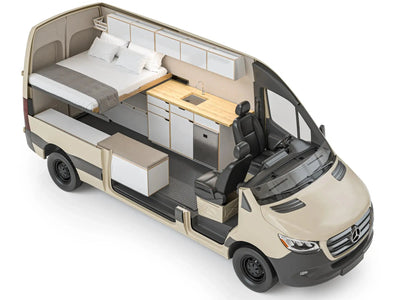
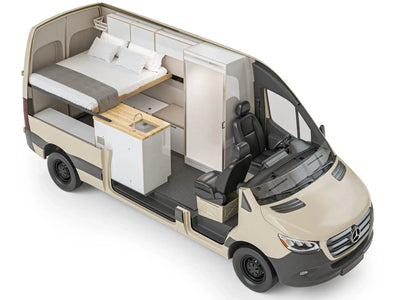
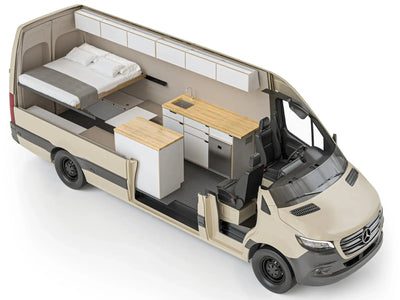
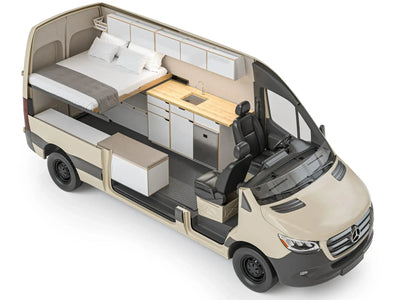
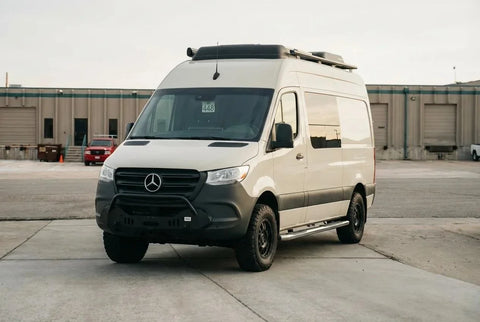
Platform choice shapes capability. Sprinter platforms give headroom options and long-wheelbase layouts for more interior space, while Transit platforms offer value and different length and height choices. According to Ford's specifications for the Transit high-roof cargo van, interior standing height can exceed 80 inches on certain models, which is a major comfort factor for taller travelers. Match your driving comfort, sleeping needs, and storage requirements to a layout, such as Duo, Duo XL, or Family builds depending on party size. Test layouts in person when you can, because how you move inside the van matters more than a spec sheet when you are weighing different van living pros and cons and overall road trip lifestyle trade-offs.
Legal and safety considerations (parking, campground rules, insurance)
Know local parking laws, campground regulations, and insurance requirements before you travel. Permits and overnight rules vary by region; planning keeps you out of fines and helps you find safe overnight spots. Keep a list of reliable overnight options for each region you plan to visit. For vehicle safety, the National Highway Traffic Safety Administration's road trip safety checklist is a useful reference for pre-trip inspections, tire checks, and load limits when you are carrying heavy camping gear or conversions.
Connectivity, work-from-van realities, and paperwork
Remote work from a van is possible with mobile hotspots, signal boosters, and reliable power. Maintain a mailing strategy, insurance documents, and vehicle records so paperwork does not interrupt travel. Have a backup plan for connectivity during important calls or deadlines. For many digital nomads, these work-from-rig realities are a major part of the overall van life pros and cons equation and the broader nomadic lifestyle pros and cons.
Cost Expectations and Budget Scenarios
Upfront costs (vehicle, conversion or purchase premiums)
Buying and converting adds upfront expense. Foundation builds or pre-built Vansmith conversions reduce upfront surprises by delivering tested systems and craftsmanship. If you are comparing different rig types, you can also look at camper vans for sale alongside other RV and motorhome options to understand price and feature trade-offs. Decide whether a build, buy, or DIY route fits your budget and timeline when you evaluate camper van lifestyle pros and cons and the financial side of van dwelling.
Monthly / trip costs (fuel, camp fees, food, maintenance, insurance)
Monthly travel costs vary by trip style. Weekend warriors spend much less than full-timers. Plan for fuel, campground fees, maintenance, food, and insurance as recurring line items. Fuel costs will depend heavily on your van and driving style; for example, EPA fuel economy estimates for 2024 vans on fueleconomy.gov show combined ratings that commonly range from the mid-teens to low-20s MPG for gasoline models, which you can use to estimate your own fuel budget when you assess your personal campervan life pros and cons.
Budget examples: weekend warriors, seasonals, full-timers
- Weekend warriors: minimal monthly travel costs, prioritized flexible, easy-to-use systems.
- Seasonal travelers: moderate costs, invest in versatile insulation and heating for varied conditions.
- Full-timers: higher monthly budgets but spread across living costs, invest in durable systems and redundancy.
Try It Before You Commit — Low-risk Ways to Test Van Travel
Weekend rental or van-share trials
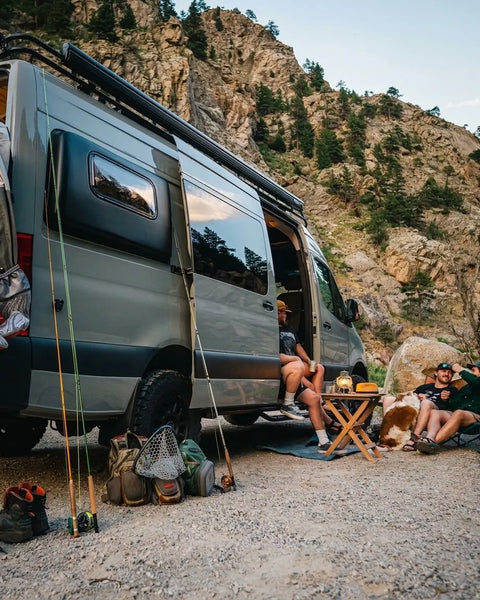
Renting for a weekend or week is the fastest way to learn daily routines: cooking in the van, sleeping comfort, finding legal overnight spots, and packing workflows. These short tests give you a feel for real-world van life pros and cons without a long-term commitment and highlight your personal campervan lifestyle pros and cons.
Short-term road trips with borrowed or rental vans
Longer rentals reveal seasonal and logistical issues you will not see on short trips, such as cold mornings, extended charging needs, and maintenance rhythms.
Renting a camper at different seasons and environments
Test hot and cold weather conditions. Your heating and cooling needs will shape layout and systems if you plan year-round travel. If you already own a rig, schedule professional camper van winterization before your first cold-weather trip so your systems are protected.
Making the Decision — A Practical Checklist
10-point readiness checklist (emotional, financial, logistical)
- Have you tested an overnight rental?
- Do you accept limited indoor space and storage?
- Is your budget sized for upfront and ongoing costs?
- Can you perform or pay for routine maintenance?
- Do you have a plan for showers and waste?
- Is reliable connectivity required for work?
- Have you researched local parking and overnight rules?
- Is your chosen platform supported regionally for service?
- Do you have emergency funds for breakdowns?
- Have you identified layouts, like The Vansmith's Duo or Family, that match your needs?
When to look for a build vs buy vs rental
Rentals for testing; build or buy once you are confident in layout and systems. The Vansmith's Foundation builds and conversion services are designed to reduce the friction of long-term van life by delivering proven, durable systems. If you want to see what finished rigs look like in the real world, browse the latest builds in the Vansmith gallery before you commit.
Conclusion — Balancing Dream and Reality
Key takeaways
Van travel lifestyle is deeply rewarding for those who value mobility and simplicity, but it asks for trade-offs in space, systems, and planning. Test before you buy, match your platform and layout to realistic travel goals, and invest in reliable power, water, and insulation for longer stays. Understanding the real-world van life pros and cons and overall van living pros and cons helps you decide whether this path is a good fit.
Encouragement for cautious experimentation
If you are curious, start with a rental or short trip, learn the daily rhythms, and iterate. Thoughtful decisions, about vehicle, layout, and systems, turn a dream into a sustainable lifestyle. When you are ready to explore options, browse The Vansmith camper van conversion collection or reach out through the contact page to talk through your specific use case.
FAQ
How much does camper van travel cost per month?
Costs vary widely: part-time van travelers who do weekend trips may spend under $200/month on travel-related costs, while full-time van lifers often budget $1,000-$2,500/month including fuel, camp fees, insurance, maintenance, and food. Upfront vehicle and conversion costs are separate and can be several thousand to tens of thousands of dollars.
Do I need a special driver's license to drive a camper van?
Most camper vans are driveable with a standard driver's license in the U.S. and EU, but larger motorhomes or rigs may require special licensing depending on weight and local laws. Always check regional regulations before purchase or extended travel. For example, the Federal Motor Carrier Safety Administration explains when a commercial driver’s license is required, which can help you understand thresholds related to vehicle weight and use.
What's the best way to test van life before buying a van?
Rent a camper van for a weekend or week, try van-share platforms, or borrow a friend's setup. Test key routines: sleeping, cooking, finding overnight parking, and daily hygiene to see if the lifestyle fits and to experience your own camper van lifestyle pros and cons.
How do van travelers handle showers, toilets, and waste?
Options include public campgrounds, gym memberships for showers, portable and built-in toilets, and gray-water management with awareness of local disposal rules. Planning and adherence to leave-no-trace principles are critical.
Can I work remotely while living in a van?
Yes, many remote workers live and travel in vans, but success depends on reliable connectivity, mobile hotspots, signal boosters, power solutions like batteries and solar, and a disciplined work routine to manage time zones and work-life separation.