Van camping near denver is absolutely doable, with solid options ranging from about 45 minutes to 2 hours from town. Which spot makes sense for you mostly comes down to road condition, current camping rules, and whether you want a quick one-night reset or a more planned weekend. Around the Front Range, that difference matters a lot. A legal signed site on a graded road feels very different from a muddy spur with no turnaround after dark. That's why the best choice is rarely just the closest one.
How to choose van camping near Denver
 For most people, the real choice is pretty simple. You're sorting by drive time, road feel, camping rules, season, and how much structure you want once you arrive. In our Boulder shop, that's what local owners actually care about. Hiking mileage usually comes later.
A lot of old Colorado camping advice still says to find a pullout and settle in. That gets risky fast near Denver and Boulder. According to the Bureau of Land Management camping guidance, most BLM land allows dispersed camping unless posted otherwise, but you still need to stay on designated roads and routes and check local limits.
That rule matters even more for vans because overnight occupancy still counts as camping. The Colorado BLM camping and occupancy rules are clear on that point. A stealth mindset doesn't change the rule just because you're sleeping in a van.
Near the Front Range, several once-casual corridors now allow camping only in designated sites. That's why old blog posts can send people to the wrong place. We tend to sort weekend trips into three buckets: under 90 minutes for a one-night reset, 90 to 120 minutes for a fuller mountain weekend, and a structured state-park backup when snow, mud, or crowds make forest roads a bad bet. If your van still needs a few tweaks before these short trips feel easy, our customize your van page is a good place to see what can be added without starting over.
Official tourism pages back up that broader mix. Visit Denver's state park guide treats campgrounds and state parks as part of the near-Denver camping picture, not just dispersed sites. That's a better fit for real van weekends, especially if you're leaving after work and don't want the whole night to hinge on one dirt road.
One thing a lot of builders overlook is how much cell signal, washboards, and turnaround room shape the trip. A high-roof cargo van doesn't use a road the same way an SUV does. Big difference.
Rules that changed the Front Range camping map
The Front Range map looks different now than it did a few years ago. A strong example is the Gross Reservoir WR68J order. In the official Gross Reservoir order, camping is allowed only in designated Forest Service campsites posted with signs inside the covered area.
West Magnolia follows the same general trend. The Forest Service says camping there is allowed only in designated campsites, and those sites are first-come, first-served. So if you roll in late on a Friday expecting open choice, you may end up looping in the dark instead.
BLM guidance also pushes campers to use existing sites and already disturbed ground where possible. That's a good fit for van travel anyway. It keeps you from creating a new roadside pull-in that damages the area and makes the next visitor think it's fair game.
The key takeaway is that rules are corridor-specific. One road can be designated-site-only while nearby public land follows a different order. Match the exact road to the exact map. That's more useful than guessing by land ownership alone. If you like keeping up with practical trip and build notes, The Vansmith's van build blog is worth bookmarking.
What van campers should check before leaving Boulder or Denver
Before a one-night trip, our staff usually checks three things. First, is the route designated-site-only. Second, did recent weather likely turn the road muddy or rutted. Third, is there a same-night backup if the first choice is full.
Elevation changes can fool you. A spot within two hours of Denver can still feel fully wintery if the road climbs fast. That's why recent weather often matters more than mileage in spring and fall.
For managed backups, the State Forest State Park page is useful because it puts current conditions, closures, directions, and fire restrictions in one place. That saves time when you're deciding at lunch whether tonight is a forest road night or a structured campground night.
Pressure near Boulder is also higher than the map suggests. Close-in sites pull hikers, bikers, and overnighters from both Boulder and Denver. And for high-roof vans, we'd avoid unknown dead-end spurs after dark. Most trouble starts at the turnaround, not at the campsite. If you're still dialing in your setup for local overnights, our build process page gives a clear sense of how we approach practical Colorado use.
Best van camping near Boulder and Denver: closest options
 If you want the shortest mountain drive, start here. These are the close-in options that work for quick overnights: West Magnolia near Nederland, the Gross Reservoir corridor as a rules-first caution area, and South Chicago Creek near Idaho Springs. They usually land in the 45 to 90 minute range from Boulder or Denver, traffic willing.
The appeal is obvious. You can leave after work, sleep in cooler air, and still be back home without burning a whole weekend. The trade-off is just as obvious. The closer the area is to town, the more likely it is to be crowded or tightly managed.
This is also where van camping near Boulder really shows up in the search for convenience. Two of the strongest examples sit on the Boulder side of the Front Range. For many local owners, these are reset trips, not epic trips. That's the phrase. Reset trips.
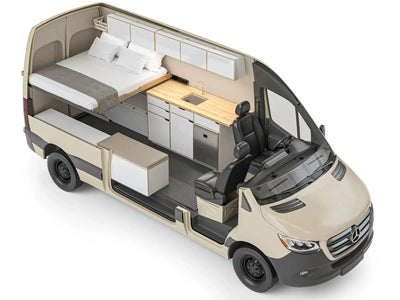
You'll also notice a split between signed designated sites and the freer dispersed image people still carry from older Colorado camping advice. That split matters. If you're shopping layouts for these short local runs, the DUO XL layout and Family XL layout show two very different ways to use a van for quick weekends.
West Magnolia near Nederland
West Magnolia Trailhead sits about 3 miles west of Nederland on County Road 132, also called West Magnolia Road. That makes it one of the closest real van camping options to Boulder. It's the classic quick-hit answer for people who want to be in the trees fast.
The catch is simple. The Forest Service allows camping only in designated campsites there, and the map says to camp only in numbered campsites. Those numbered spots are spread through the road network, which helps, but they are still first-come, first-served.
There is no reservation safety net. If you arrive late on a busy Friday, you may spend more time looking than resting. In our experience, West Mag works best when you treat it as a low-commitment reset and arrive early, not as a midnight fallback.
Season also matters here. The Forest Service lists motorized access from June 15 through Dec. 1. That's one of those details people miss, then blame the van when the issue was timing.
Gross Reservoir corridor and designated Boulder-side sites
Gross Reservoir is less of a free-form recommendation and more of a needed warning. The WR68J order is one of the clearest signs that some Boulder-adjacent forest corridors no longer allow casual roadside camping outside posted sites. That's why it belongs in this guide.
The order says camping is allowed only in designated Forest Service campsites posted with signs in the covered area. So for van owners, this is not a place to improvise after dark. It's a map-and-sign corridor.
Because it's so close to Boulder, it tends to feel more regulated and more watched than farther mountain areas with similar views. That can surprise people who assume public land means broad freedom. We'd skip Gross if your whole plan depends on winging it. Pick a place with clearer designated options instead.
Including Gross here keeps the guide honest. It helps prevent the old pattern where someone reads outdated advice, drives up expecting easy dispersed camping, and finds a very different reality.
South Chicago Creek near Idaho Springs
South Chicago Creek is a better fit if you want a legal dispersed-style overnight without much guesswork. The Pike-San Isabel designated camping document identifies it as a designated dispersed camping area. It also places it in the Guanella Pass and Georgetown-Grant zone, which keeps it firmly in the near-Denver weekend orbit.
That official designation matters. You get the mountain feel people want from dispersed camping, but with less uncertainty about where camping is allowed. For newer van owners, that's often the sweet spot.
From a use standpoint, South Chicago Creek works well for a single overnight or a simple basecamp. Staff experience says not to expect full solitude on summer weekends. And if you're coming from Denver, I-70 timing can shape the trip as much as the mileage does.
If your van is still in the planning stage, our Sprinter conversions and Transit conversions pages show the two main platforms we see most often for these Front Range escapes.
Weekend van trips from Denver: mountain areas worth the extra drive
 This next ring of spots feels more like a true weekend. Geneva Creek Road, the broader Guanella Pass area, and State Forest State Park are still within about two hours for many Front Range travelers, but they justify packing more gear and staying longer. These are the trips where you bring fishing gear, plan a hike, or settle in for two nights.
That's why this section fits weekend van trips from Denver so well. A slightly longer drive often buys better scenery or a more intentional camp setup. It doesn't always buy less crowding, though. Popular roads stay popular.
Official road names matter more here because these areas are big enough to get vague fast. Saying Geneva Creek Road or NFSR 119 is much more useful than saying somewhere near Guanella Pass. If you want a family-focused setup for these longer weekends, our family van conversions collection shows how sleeping and storage needs change once kids or dogs join the trip.
This is also where washboards start to matter more than vehicle length. A long van on a decent road is usually less stressful than a short van on a beat-up one. Worth considering.
Geneva Creek Road / NFSR 119
Geneva Creek Road, also signed as NFSR 119, is explicitly listed as a designated dispersed camping area in the Pike-San Isabel document. The official directions are specific too: from Grant, take County Road 62 west for about 9 miles to NFSR 119, or from Georgetown, take Guanella Pass Road south for about 13 miles to NFSR 119.
That named-road clarity helps a lot. It's easier to plan and easier to describe than generic pass advice. For vans, Geneva Creek is a strong middle ground. It feels more immersive than West Magnolia without turning into a much longer Colorado haul.
Still, this kind of road rewards modest expectations. Drive slow, get there earlier, and assume the best sites go first on peak weekends. Rough washboards can rattle interiors too, so a well-secured build pays off if you do this often.
We see plenty of local owners refine vans after roads like this. If rougher dirt use is becoming your norm, our Foundation builds can be a useful starting point for a simpler platform that still handles Colorado weekends well.
Guanella Pass area as a scenic basecamp zone
The Guanella Pass area is best thought of as a scenic zone tied to named roads and corridors, not a pass-wide free-for-all. The designated camping document supports that view. It also gives direction detail from both Georgetown and Grant, which matters when traffic or weather makes one approach smarter than the other.
For scenery, this area is hard to beat on a near-Denver weekend. It gives you that alpine feel without a huge drive. That's the draw, and a lot of people know it.
Popularity is the trade. Day users and campers both crowd scenic pass corridors, so site competition can start well before dinner. In shoulder seasons, we'd plan conservatively here. A high pass can go from easy to sketchy much faster than Denver weather suggests.
If your trip style leans more scenic-weekend than quick-reset, Guanella usually wins over the closer options. If your trip style leans easy sleep and easy return, the closer options often make more sense.
State Forest State Park for shoulder-season reliability
State Forest State Park is the managed backup that earns its spot on this list. Its official page includes current conditions, closures, directions, and fire restrictions on one page. That makes it very handy when forest roads feel uncertain.
Because it's a state park, the experience is more predictable than a dispersed corridor. You give up some spontaneity, but you gain a lot of clarity. For newer van owners or families, that can make the whole trip feel easier.
We like this option when mud, snow, or crowding make dispersed camping feel like work instead of rest. It broadens the guide beyond free roadside dreams and makes it more useful year-round. Sometimes the best weekend trip is just the one that still works when conditions change.
For couples who want a simple, cozy setup for these kinds of trips, our vans for couples page shows layouts that keep short weekends easy to use.
Dispersed camping near Denver: road, season, and crowding realities
Here's the part most official pages don't really cover. They tell you where camping is allowed, but not how the road feels in a loaded high-roof van, how muddy a shoulder gets, or how quickly a close-in corridor fills on a summer Friday. That's where shop and staff experience helps.
The big split is between road-biased vans and dirt-road-ready vans. If your build sits low, runs highway tires, and carries a lot of weight, your stress starts earlier. If you've got better tires and a more settled suspension, the same road can feel routine.
BLM's rule to stay on designated roads matters a lot for vans. A heavy vehicle can do real damage trying to make a new pullout, and it can get stuck in a spot that looked firm from the driver's seat. Backup planning is part of the trip, not a sign you failed.
Close-to-town Front Range corridors also fill fast. Even legal camping can feel crowded. If the first choice looks muddy or packed, pivot early. Don't keep driving deeper hoping an unofficial spot appears. For more trip prep ideas, The Vansmith's DIY blog has practical reading for owners who like learning how their setup works.
Road grade and van-friendliness
For most Sprinter and Transit campers, graded dirt and mild washboards are manageable. Sharp ruts, muddy shoulders, and tight dead-end spurs are where the stress starts. That's true even in vans that feel great on pavement.
West Magnolia is usually more about route legality than hardcore off-road skill. But its seasonal motorized limits still matter, and close-in roads can get busy. Geneva Creek-style roads are where suspension and tire choices start to improve comfort in a noticeable way.
In our shop, we regularly see owners add suspension upgrades, sidesteps, and wheel or tire changes after a few Colorado dirt-road weekends. They learn fast that paved-road travel and repeated Front Range washboards are two different uses. That sounds like a lot of money for a few weekend trips. It is. But if you use the van twice a month, comfort and confidence start to matter a lot.
A good rule is to avoid any spur where backing a long high-roof van would feel tense. Turning around is often the real obstacle. If that's the weak point in your setup, it's worth reaching out through contact us to talk through upgrade options for local dirt-road use.
Seasonality, snow, and mud
Season windows matter more than people think. West Magnolia's official motorized season runs from June 15 through Dec. 1, which is a clear reminder that close-to-town does not mean year-round access. Shoulder season is where many quick-trip plans fall apart.
High-elevation pass areas like Guanella can hold snow and ice long before Denver feels wintry. Recent weather tells you more than the calendar does. Mud season is rough on heavy vans too. A campsite edge that looks fine can turn into a traction problem fast.
That's why State Forest State Park is such a useful fallback. Its conditions and closure updates are easy to check before you leave. For winter overnights, heat reliability matters more than route distance, and local owners often service fuel heaters before cold weather returns.
If cold trips are on your list, this is where local service helps. The Vansmith handles heater work, and many owners start that conversation after a shoulder-season night that felt colder than expected.
Cell signal, crowds, and trip style
Cell signal is one of the hardest things to promise. Official pages usually don't rate it, and carrier performance shifts by road, weather, and even campsite. So any signal advice should be taken as anecdotal, not fixed fact.
In practice, closer corridors tend to give you more intermittent service and more people. Deeper or higher routes often trade better quiet for worse signal. If you need to upload work Monday morning, don't assume a scenic designated site will support it.
Crowding is highest where drive time is shortest and sites are first-come, first-served. West Magnolia is the cleanest example of that pattern. A better guide tells you what each area is good for: quick reset, scenic weekend, beginner-friendly overnight, or shoulder-season backup. That's more helpful than ranking spots by beauty alone.
Reset trips are one thing. Work-from-the-van trips are another. If better connectivity is becoming part of your local travel plan, that's often when upgrades like Starlink or WeBoost start to make sense.
What these Denver-area trips cost and how to make them easier
Cost still matters here, even in a travel guide. You're not only picking a place to sleep. You're also deciding how much comfort and capability you want for repeat local trips. Free camping sounds simple, but the real cost can show up elsewhere.
On public land, dispersed camping is often free unless posted otherwise. Managed state-park or campground options may come with fees and more planning through their own systems. The hidden cost in close-in dispersed camping is often vehicle wear, rattles, traction stress, and the time you lose when your first choice is full.
That local-use pattern also shapes buying decisions. As of 2026, The Vansmith's ready-to-drive Bivy models are sold ready to drive, while semi-custom builds take about 8 to 10 weeks. For people planning around an upcoming camping season, that timing can matter as much as the floor plan.
Local weekend use also reveals weak points fast. Denver and Boulder owners quickly learn if they need better heat, smarter storage, better ride quality, or stronger connectivity. If you're comparing layouts for repeat local use, our pop-tops page is also worth a look, especially since most buyers who start with a mid-roof later want more standing room. In our shop, about 90 percent of customers choose a high roof.
| Model | Platform | Starting price |
|---|---|---|
| Duo | Sprinter | $114,450 |
| Duo | Transit | $112,450 |
| Family | Sprinter | $119,450 |
| Family | Transit | $117,450 |
Free dispersed sites vs managed backups
Free dispersed camping stays attractive for a reason. The BLM says dispersed camping is allowed on most BLM lands unless posted otherwise. That keeps the door open for affordable Front Range van weekends.
But the overnight-in-a-van part still counts as camping under Colorado BLM rules. So you still need to follow camping limits and occupancy rules. Managed alternatives like State Forest State Park trade some spontaneity for better predictability in poor weather or peak crowds.
For many Denver-area weekenders, the smart pattern is to try a designated dispersed area first and keep a structured backup in mind. That's especially true for families, first-time van owners, or anyone rolling out late on a Friday. The cheapest campsite isn't always the easiest trip.
If you're building a routine around these short getaways, having a van that's easy to deploy matters more than chasing the most remote spot every time.
When van upgrades matter for Front Range overnights
Frequent local trips reveal needs that a summer highway trip can hide. Better heater output, more secure storage, bug control, and a smoother off-pavement ride all start to matter once you camp close to home often. Small issues get old fast when they show up every other weekend.
The Vansmith handles a lot of the service work that comes up after those trips: heater install and service, suspension upgrades, Starlink, WeBoost, roof racks, awnings, window coverings, more solar, and electrical troubleshooting. Because the shop is in Boulder, local owners can make changes in steps instead of waiting for a full rebuild.
A common regret is assuming a basic build will be enough for shoulder-season Colorado camping, then finding out cold mornings, condensation, or weak power planning limit how often the van gets used. We see that one all the time. If close-to-home trips are exposing weak points, that's usually the moment to talk through upgrades or look at a ready-to-drive platform built for this kind of use.
The trust piece matters too. The shop's 4.8-star Google rating across more than 85 reviews and its lifetime cabinet warranty give local owners a little more confidence when they're deciding what to fix next.
FAQ
Where can you go van camping near Denver without driving all day?
Some of the most realistic short-drive picks are West Magnolia near Nederland, South Chicago Creek, and the Geneva Creek and Guanella Pass zone. West Magnolia is especially handy for Boulder, and it sits about 3 miles west of Nederland. Just remember that camping there is allowed only in designated campsites, and motorized access runs from June 15 through Dec. 1, so timing matters.
Is dispersed camping near Denver still allowed in 2026?
Yes, but it is not one simple yes everywhere. BLM says dispersed camping is allowed on most BLM lands unless posted otherwise, while some high-use Front Range Forest Service corridors now require camping only in designated signed sites. Gross Reservoir is the clear local example of why you need to check the exact corridor before you go.
What is the best van camping near Boulder for a quick overnight?
West Magnolia is one of the most practical answers for a quick Boulder reset. It's close, easy to reach, and feels like a real mountain night without a long drive. The catch is that camping is first-come, first-served and only allowed in designated numbered campsites, so early arrival helps a lot on busy weekends.
Do van campers count as campers under Colorado public-land rules?
Yes. Under Colorado BLM rules, a motor vehicle or motorhome parked for overnight occupancy counts as camping. So sleeping in a van does not put you outside normal camping restrictions just because the vehicle is self-contained.
What should I do if dispersed sites near Denver are full or muddy?
Have a backup before you leave town. State Forest State Park is a strong structured option because Colorado Parks and Wildlife keeps current conditions, closures, directions, and fire restrictions on its official page. That makes it much easier to pivot when close-in forest roads are crowded, slick, or more trouble than rest.
About the author

Electra Chronis
Head of Marketing
Electra leads marketing at The Vansmith. She writes across van life, camping and travel, from planning a trip to choosing and building the van that gets you there.
Read more about Electra